
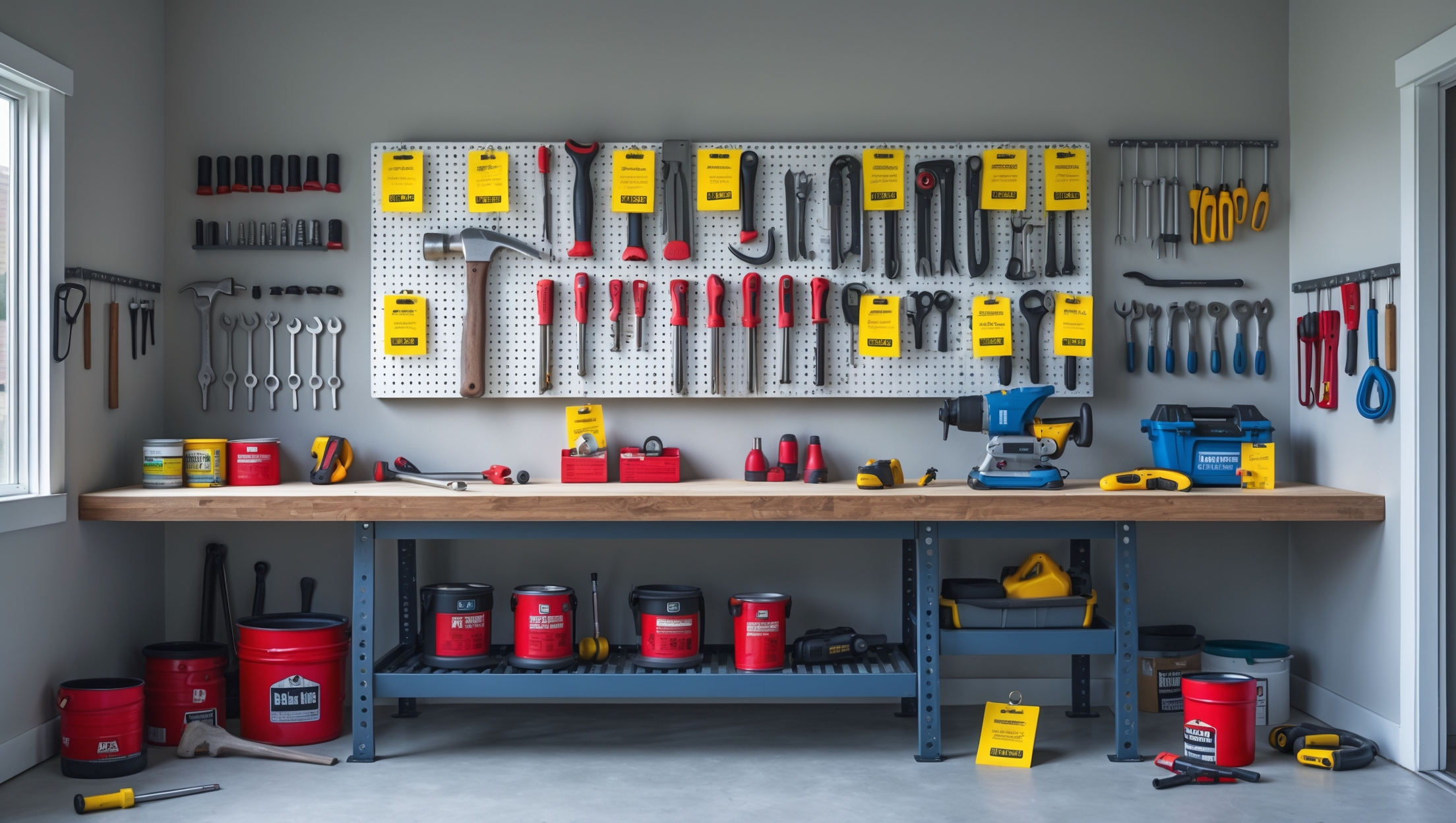
Introduction: The Home DIYer’s Dilemma—Rent or Buy Tools?
Every home DIY enthusiast faces a critical question before tackling a new project: should you invest in new tools, or simply rent what you need? With the rising cost of quality equipment and the sheer variety of specialized tools on the market, it’s easy to feel overwhelmed. Is it worth purchasing that tile saw for your bathroom remodel? How about renting a power washer for yearly exterior cleaning? Choosing wisely can mean the difference between a cost-effective project and an expensive mistake. This comprehensive guide dives deep into the real costs, convenience factors, and practical trade-offs between renting and owning tools for home repairs, maintenance, and upgrades. We’ll break down typical scenarios, reveal hidden expenses, and give you practical formulas to decide which approach fits your unique situation. Whether you’re a first-time fixer-upper or a seasoned DIYer, you’ll find actionable insights to help you stretch your budget and simplify your next project.
Understanding the True Costs: Rental vs. Ownership
Upfront Investment: Buying Tools
Purchasing tools requires a significant initial outlay. For commonly used items—screwdrivers, hammers, cordless drills—the investment pays off quickly. However, for specialized or rarely used tools, the cost can outweigh the benefits. Let’s look at a sample cost breakdown for buying:
- Basic Cordless Drill: $60–$150 (mid-range model)
- Wet Tile Saw: $250–$600
- Power Washer: $150–$400
- Rotary Hammer: $180–$300
Don’t forget add-ons: batteries, accessories, and storage can increase total costs by 20–30%.
Ongoing Expenses: Ownership
- Maintenance: Cleaning, lubricating, and periodic repairs.
- Storage: Dedicated space, climate control for sensitive tools.
- Depreciation: Tools lose value, especially if technology changes.
For homeowners with limited space or occasional needs, these hidden costs can add up.
Rental Fees: The True Price of Borrowing
Tool rental centers offer daily, weekly, or monthly rates. Here’s a sample snapshot:
- Tile Saw: $50/day, $120/week
- Power Washer: $45/day, $110/week
- Rotary Hammer: $35/day, $95/week
Additional costs may include deposits, late fees, and required insurance. For longer projects, cumulative rental fees can approach the purchase price.
Scenario Analysis: When to Rent, When to Buy
1. Frequency of Use
Ask yourself: How often will I use this tool in the next 12–24 months?
- Rent if: You need the tool once or twice a year (e.g., floor sander for refinishing hardwood).
- Buy if: You’ll use it for multiple projects (e.g., cordless drill for furniture, repairs, and installations).
2. Project Duration
Long projects can make rentals costly. For week-long renovations, weekly rental rates may approach or surpass purchase prices. Factor in potential delays—rushed work to avoid extra rental days can lead to mistakes.
3. Tool Complexity and Maintenance
- Specialized, hard-to-maintain tools: Preferable to rent (e.g., concrete mixers, large demolition hammers).
- Simple, durable tools: Buy for convenience and long-term savings.
4. Storage and Space Constraints
If your garage or workshop is small or already full, renting bulky tools avoids clutter and the need for dedicated storage solutions.
5. Quality and Performance
Rental centers often stock professional-grade equipment. If you need top-tier performance for a one-off job, renting may provide better results than buying a budget tool.
Cost-Benefit Examples: Calculating Your Break-Even Point
Example 1: Power Washer
- Rental: $45/day, used annually for spring cleaning (1 day/year)
- Purchase: $250 (mid-range model), plus $30/year in maintenance
Break-even in ~6 years. If you plan to use it more frequently, buying is smarter. If not, rent and skip the hassle of storage/maintenance.
Example 2: Tile Saw for a Bathroom Remodel
- Rental: $50/day, expect 3-day project = $150
- Purchase: $400 (quality model)
If you have only one tiling job, rent. If you foresee kitchen, laundry, and outdoor tiling projects, buying could pay off.
Example 3: Cordless Drill
- Rental: $15/day, used multiple times/year
- Purchase: $100 (quality model)
Buy outright. Frequent use means rental costs add up quickly.
Hidden Costs & Risks: What Most DIYers Overlook
1. Rental Tool Availability
During peak seasons (spring/summer), high-demand tools may be out of stock. Reserve ahead or risk project delays.
2. Quality Control
Rental tools are used by many people and may have wear or minor defects. Always inspect before accepting and test functionality at the rental center.
3. Transport and Handling
Heavy or bulky tools (e.g., cement mixers, floor sanders) may require a truck or van for transport. Factor in gas, time, and possible rental of a vehicle.
4. Liability and Damage Fees
Most rental agreements hold you responsible for damage beyond normal wear. Check insurance options and clarify terms before signing.
Tool Ownership: Maximizing Value and Longevity
1. Choose Versatile Tools
Favor tools with interchangeable attachments (oscillating multi-tools, drill/drivers) for flexibility across projects.
2. Maintain Regularly
- Clean after each use.
- Lubricate moving parts as recommended.
- Store in dry, protected environments.
3. Resale Value
Quality tools from reputable brands maintain resale value. Keep original cases/boxes and manuals for easier resale when needs change.
Rental Strategy: Get the Most for Your Money
1. Compare Local and National Rental Centers
Prices can vary significantly. Local shops may offer better deals for longer rentals or package discounts.
2. Inspect Tools Thoroughly
- Check for damage or missing parts before leaving the store.
- Test operation—especially batteries and power cords.
- Document tool condition with photos to avoid disputes later.
3. Schedule Efficiently
Plan projects to minimize rental periods—batch similar tasks and ensure all materials are on hand before pickup. This reduces the risk of costly extensions.
4. Understand the Fine Print
- Clarify late fees, deposit requirements, and insurance coverage.
- Know the return policy for early drop-offs or extended use.
Budgeting Tips: Making the Smart Financial Choice
1. Create a Tool Cost Log
Track rental and purchase costs, plus estimated usage, in a simple spreadsheet. Over time, patterns will reveal where to invest and where to borrow.
2. Pool Resources with Neighbors or Friends
For infrequently used tools, consider joint ownership or informal lending groups. Some neighborhoods have tool libraries—free or low-cost access to a broad inventory.
3. Watch for Sales and Used Equipment
Off-season sales and reputable used tools can reduce purchase costs by 30–50%. Inspect used tools carefully before buying.
4. Factor in Intangible Benefits
- Convenience: Owning tools means no last-minute rental runs or schedule constraints.
- Skill Development: Familiarity with your own tools can improve efficiency and results.
Case Studies: Real-World Decisions and Outcomes
Case 1: The Occasional Outdoor Project
Sarah enjoys maintaining her deck and driveway but only needs a power washer once a year. She chooses to rent, saving storage space and avoiding annual maintenance. Over five years, she spends $225 on rentals, less than the cost of buying and maintaining a comparable washer.
Case 2: The Serial Renovator
Mike plans to remodel several rooms over the next three years. He invests in a high-quality miter saw and tile cutter. After calculating project needs, he finds that even with the upfront cost, he saves over $400 compared to repeated rentals. When he moves, he sells both tools for 60% of their original value.
Case 3: The First-Time Homeowner
Alex wants to refresh his landscaping and paint two rooms. He rents a tiller for a weekend and borrows a ladder from a neighbor. He buys only a paint sprayer, knowing he’ll use it again. This hybrid approach keeps his budget in check and his garage uncluttered.
Debunking Common Myths About Renting and Buying Tools
- Myth: “Owning always saves money in the long run.”
Reality: Only true for frequently used tools. Rentals win for specialized or infrequent jobs. - Myth: “Rented tools are always in poor condition.”
Reality: Reputable centers maintain equipment well. Always inspect before accepting. - Myth: “Buying used tools is risky.”
Reality: Many high-quality used tools offer excellent value—just do your homework. - Myth: “Rentals are too expensive.”
Reality: For short-term or rare needs, rental is often far cheaper than ownership.
Step-by-Step: How to Decide Rental vs. Purchase for Your Next Project
- List all required tools for your project.
- Estimate usage frequency in the next 2–3 years.
- Get rental and purchase prices from at least two sources each.
- Calculate break-even points for each tool using simple division (purchase price ÷ rental rate).
- Consider storage, maintenance, and resale factors.
- Make your decision: Rent for rare/specialized tools, buy for frequent use, or explore alternatives (borrowing, tool library).
Conclusion: Make Every Tool Decision Count
Every DIY project is an opportunity to save money, learn new skills, and add value to your home. But overspending on tools—or being unprepared with the wrong equipment—can turn a rewarding experience into a costly hassle. By carefully balancing the costs and benefits of renting versus buying, you can ensure your toolbox grows with your needs, not your expenses. Remember: it’s not about owning the most tools, but having access to the right tool at the right time. Start by tracking your tool usage, leveraging rental centers, and seeking out community resources. In the long run, smart tool management will simplify your repairs, upgrades, and maintenance—leaving you with more time (and budget) to enjoy your handiwork. The next time you face the rent-or-buy dilemma, revisit this guide, crunch the numbers, and make a decision that works for your project, your space, and your wallet.
When considering rarely used tools like a tile saw, how do you weigh the potential resale value against the higher upfront cost of buying compared to just renting for a one-time project?
For rarely used tools like a tile saw, it’s smart to estimate what you might realistically resell it for after your project. Subtract that expected resale value from the original purchase price to see your real net cost. If the net cost is still much higher than rental fees, renting often makes more sense for a one-time project—plus you avoid the hassle of selling and storing the tool afterward.