
Introduction: The Jigsaw Dilemma for DIYers
For countless home repair, renovation, and creative projects, the humble jigsaw is a go-to power tool. From cutting out sink openings in countertops to crafting custom shelving, this versatile saw handles curves, intricate shapes, straight lines, and plunge cuts with ease. But one question trips up many DIYers: should you buy a corded or a cordless jigsaw? The answer isn’t as simple as just following the latest trends or grabbing what’s on sale. Your decision can impact your project speed, budget, workspace logistics, and even your safety. In this comprehensive guide, we’ll break down the real-world pros, cons, and hidden costs of corded and cordless jigsaws. We’ll address performance, portability, battery considerations, and practical scenarios for each type, so you can confidently select the tool that matches your home project ambitions and setup.
Understanding Jigsaw Technology: Corded vs. Cordless Basics
What Is a Jigsaw and Why Is It Essential?
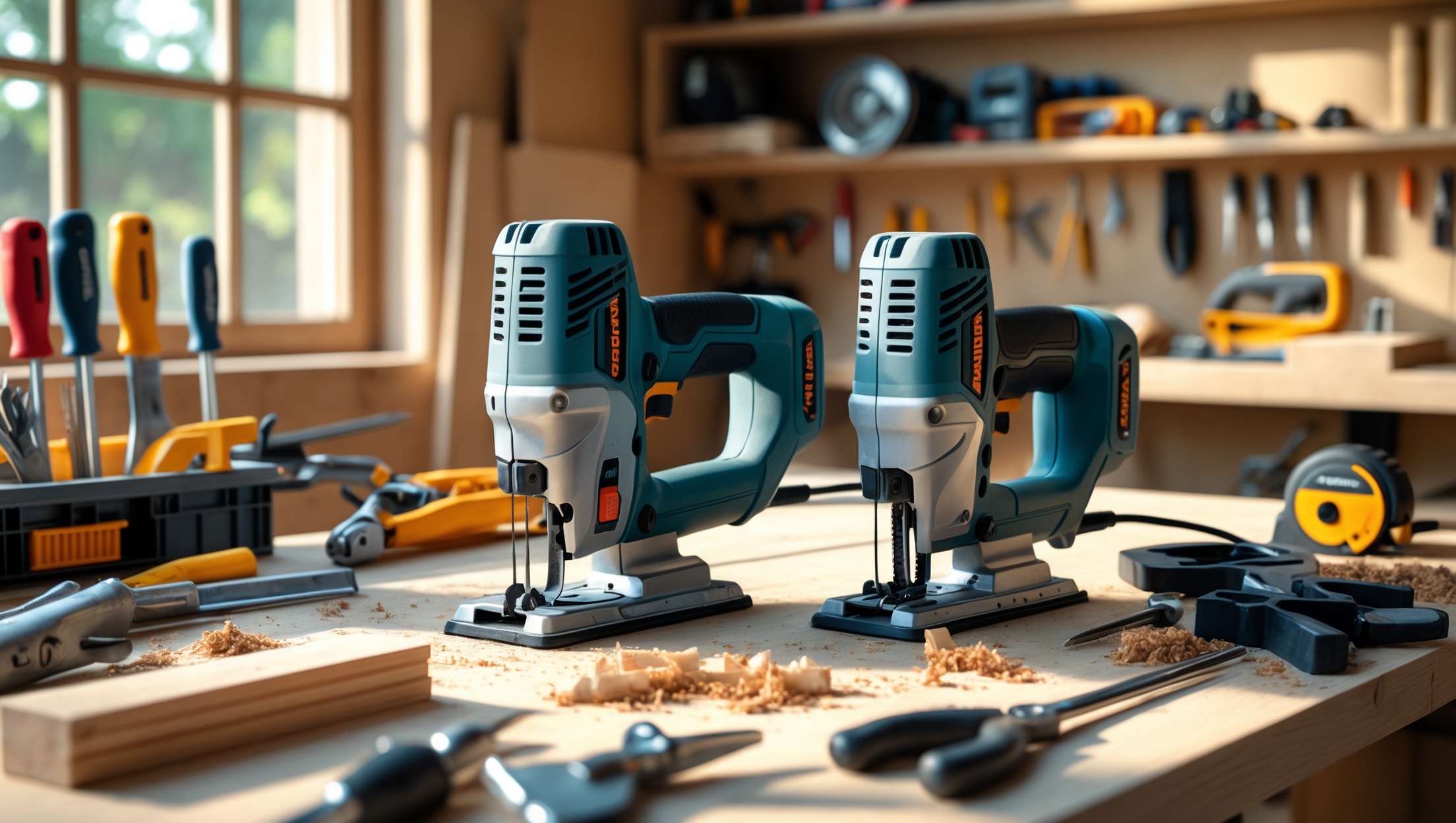
A jigsaw is a handheld power saw equipped with a reciprocating blade that moves up and down. It’s prized for its ability to make curved, intricate, and plunge cuts in wood, plastics, metals, and even tile with the correct blade. Jigsaws are favored by DIYers for their maneuverability and versatility—no other saw in your arsenal offers the same blend of precision and creative freedom.
Corded Jigsaws: The Classic Workhorse
Corded jigsaws draw continuous power from a wall outlet, which means they offer consistent performance without concerns about battery depletion. They’re generally lighter (no battery) and less expensive upfront. These saws are often the choice for stationary workshops or heavy-duty, all-day use.
Cordless Jigsaws: Freedom and Flexibility
Cordless models are powered by rechargeable lithium-ion batteries. They’ve surged in popularity thanks to advances in battery technology, offering the appeal of unrestricted movement. Cordless jigsaws are ideal for job sites, outdoor repairs, or spaces where access to outlets is limited or cords pose a hazard.
Performance Face-Off: Power, Precision, and Runtime
Cutting Power and Speed
- Corded: Typically offer higher amperage (5–7 amps), translating into more powerful, faster, and more consistent cutting, especially in thick or dense materials. No drop-off in performance during long sessions.
- Cordless: Modern brushless motors and 18V–20V batteries bring cordless models much closer to their corded cousins, but slight reductions in peak power and speed are still common, especially in budget models or as the battery drains.
Precision and Control
- Corded: Lighter overall (no battery pack), which can aid in control during intricate cuts. No risk of sudden power loss.
- Cordless: Slightly heavier due to the battery, but modern ergonomics often offset this. Some users find the added weight helps stabilize the tool for straight lines, but it may cause fatigue over long sessions.
Runtime and Workflow Interruptions
- Corded: Unlimited runtime—as long as you have power, you’re good to go. Perfect for marathon sessions or big projects.
- Cordless: Runtime depends on battery amp-hour (Ah) rating and the material being cut. Expect 15–40 minutes of continuous heavy use per battery. Swapping batteries is essential for uninterrupted work. Consider investing in a spare battery or rapid charger.
Portability, Workspace, and Safety Considerations
Mobility and Project Environments
- Corded: Tethered to an outlet; range is limited by cord length and available power sources. Extension cords help but can clutter the workspace or pose tripping hazards.
- Cordless: Go wherever your project takes you—outdoors, attics, crawlspaces, or sites without easy electrical access. No cord snags or tangling.
Workspace Safety and Organization
- Corded: Keep cords clear of the blade path to prevent accidental cuts. Tape down or route cords to reduce trip hazards. Corded tools are best suited for permanent workbenches or well-organized shops.
- Cordless: Fewer trip risks and less clutter. Safer for ladder work or awkward angles. However, always check battery charge before starting a cut to avoid mid-cut power loss, which can be dangerous.
Tool Maintenance and Reliability
- Corded: Minimal maintenance—mainly blade changes and occasional cleaning. No batteries to charge, maintain, or replace.
- Cordless: In addition to standard tool care, you must monitor battery health. Store batteries at the correct charge level, avoid extreme temperatures, and replace aging packs for best performance.
Cost Breakdown: Upfront, Long-Term, and Hidden Expenses
Initial Purchase Price
- Corded: Quality models start around $40–$60, with premium options under $150. Usually bundled with a basic blade set and sometimes a case.
- Cordless: Bare tool (no battery) prices start at $60–$90. Kits with batteries and chargers range from $120–$250, depending on brand, battery size, and features.
Battery System Compatibility
If you already own other cordless tools from a brand, you may be able to use existing batteries and chargers—saving money and reducing clutter. If not, consider the long-term cost of building out a battery platform.
Replacement and Maintenance Costs
- Corded: The only ongoing costs are blade replacement and the rare cord repair.
- Cordless: Batteries have a finite lifespan (2–5 years, depending on use). Replacements cost $40–$80 each. Factor this into the long-term budget, especially if you use your jigsaw frequently.
Practical Scenarios: Which Jigsaw Fits Your DIY Needs?
Best Use Cases for Corded Jigsaws
- Large-scale woodworking projects (e.g., custom furniture, flooring, framing)
- Workshops with reliable power and permanent benches
- DIYers who prioritize raw power and unlimited runtime
- Budget-conscious buyers who want the best value per dollar
Best Use Cases for Cordless Jigsaws
- Outdoor projects (e.g., garden planters, fence repairs, deck work)
- Repairs or installations in tight or awkward spaces (e.g., attic access, crawlspaces, ladders)
- DIYers already invested in a cordless tool platform
- On-the-go professionals or frequent job site users
Feature Comparison: What Really Matters?
Blade Change Mechanism
Look for tool-free blade change systems for quick swaps, especially when dealing with different materials. Both corded and cordless models offer this, but it’s more common in higher-end tools.
Orbital Action Settings
Adjustable orbital action increases cutting efficiency in soft materials. Most modern jigsaws—corded and cordless—include at least three settings. Corded models may offer a wider range or smoother transitions.
LED Lighting and Dust Blowers
Built-in LED lights illuminate the cut line, especially useful in poorly lit spaces or when working inside cabinets. Integrated dust blowers (or dust extraction ports) keep the cutting path visible. These features are increasingly common on both types, though battery drain is a factor to consider on cordless models.
Speed Control
Variable-speed triggers and dial controls allow you to match the blade speed to the material—crucial for making smooth, clean cuts in everything from plywood to PVC or metal. Both corded and cordless models offer this, but corded saws tend to have a broader range and more precise speed regulation.
Ergonomics and Grip
Test the saw’s grip and balance in your hand. Cordless tools are heavier but can feel more balanced, especially for overhead cuts. Corded models are lighter, reducing fatigue during long sessions. Consider the handle shape and vibration dampening as well.
Top Mistakes DIYers Make When Choosing a Jigsaw
- Ignoring Battery Compatibility: Buying a cordless jigsaw without ensuring it matches your existing battery platform leads to extra expenses and clutter.
- Underestimating Power Needs: Choosing a lower-powered cordless model for dense hardwood or thick metal can result in slow, rough cuts and tool strain.
- Overlooking Runtime: Not budgeting for a spare battery means you’ll face frustrating delays on longer projects.
- Prioritizing Price Over Features: Skimping on orbital settings, tool-free blade change, or speed control can limit your tool’s versatility.
- Disregarding Weight: Failing to consider the combined weight of the tool and battery can cause fatigue and imprecise cuts.
Step-by-Step: Evaluating Which Jigsaw Is Right for You
1. List Your Typical Projects
Are you mainly doing indoor woodwork, creative crafts, or outdoor repairs? The more you move around or work away from outlets, the more cordless makes sense.
2. Assess Your Workspace
Do you have a dedicated shop with ample outlets, or do you work wherever there’s space? Cords can be manageable in a bench setup, but cumbersome in makeshift workspaces.
3. Check Your Power Tool Ecosystem
If you already own cordless tools, sticking with the same brand and battery system can save you money and streamline your workflow.
4. Set a Realistic Budget
Factor in not just the tool, but also batteries, chargers, blades, and potential replacements. Corded is often more budget-friendly for infrequent users.
5. Try Before You Buy
Whenever possible, handle both types at a local store. Evaluate comfort, weight, and control. Subtle grip differences can have a big impact after an hour of sawing.
Maintenance Best Practices for Both Types
- Always use sharp, material-appropriate blades for cleaner cuts and less strain on the tool.
- Periodically clean dust and debris from vents and moving parts.
- For cordless models, store batteries at room temperature and avoid full discharges for extended periods.
- Check corded tools for frayed cords and loose plugs; replace as needed.
- Lubricate moving mechanisms per the manufacturer’s instructions.
Recommended Models: 2024 Standouts for DIYers
Corded:
- Bosch JS470E – Powerful, smooth, and precise; excellent for all skill levels.
- DEWALT DW317K – Robust performance, easy blade changes, great value.
Cordless:
- Makita XVJ03Z (18V LXT) – Lightweight, ergonomic, long battery life.
- Milwaukee M18 FUEL D-Handle – Exceptional power, rapid orbital action, premium build.
Note: Always check battery compatibility with your existing tools before purchasing.
Conclusion: Making the Smart Choice for Your DIY Future
Choosing between a corded and cordless jigsaw is about more than chasing the latest tech or grabbing a bargain. It’s about matching your tool to your real-world needs: the projects you tackle, the spaces you work in, and the workflow you prefer. Corded jigsaws bring unmatched runtime, consistent power, and unbeatable value for stationary or heavy-duty tasks. Cordless jigsaws offer a new level of freedom, safety, and convenience—especially for mobile, outdoor, or awkward repairs—and shine brightest when integrated into an existing cordless ecosystem. Both have their place in a well-stocked DIY arsenal, and understanding the trade-offs will help you avoid costly mistakes and frustration.
Before making your choice, take stock of your typical projects, your workspace’s limitations, and your budget for batteries and accessories. Handle both types in person if possible, and don’t overlook the importance of features like tool-free blade changes, orbital action, and ergonomic comfort—these can make a bigger difference in your day-to-day work than raw specs alone. Whichever path you choose, investing in a quality jigsaw (and maintaining it well) will unlock smoother, safer, and more enjoyable DIY projects for years to come. Your future repairs, creative builds, and home upgrades will thank you.