

Power tools are the backbone of countless DIY projects, but their performance and reliability hinge on a frequently overlooked component: the battery. Whether you’re a seasoned DIY enthusiast or just starting to build your tool arsenal, understanding how to care for, store, and maximize the lifespan of your power tool batteries will save you money, prevent frustrating downtime, and ensure your tools are always ready for action. This guide delves deep into the seasonal nuances of battery maintenance—offering practical, step-by-step advice tailored for every time of year. We’ll cover the best practices for handling lithium-ion and nickel-cadmium batteries, debunk common myths, and provide clear checklists and troubleshooting strategies so you can protect your investment and get the most out of every charge.
Understanding Power Tool Battery Types
Lithium-Ion (Li-Ion) Batteries
Lithium-ion batteries have become the standard for most modern cordless tools. They deliver high energy density, low self-discharge rates, and don’t suffer from memory effect. However, they are sensitive to temperature extremes and require specific care to maintain peak performance and safety.
Nickel-Cadmium (NiCd) Batteries
While less common today, NiCd batteries remain in circulation, especially with older tool sets. They are robust and can handle higher discharge rates, but they are heavier, have a lower energy density, and are prone to memory effect if not properly cycled.
Nickel-Metal Hydride (NiMH) Batteries
NiMH batteries are a middle ground, offering some improvements over NiCd in terms of memory effect and capacity, but they are less common and have largely been superseded by lithium-ion technology in the DIY space.
Why Seasonal Battery Care Matters
Temperature swings, humidity, and periods of inactivity all impact battery health. Proper seasonal maintenance can prevent irreversible capacity loss, voltage drops, and even hazardous failures such as swelling or leakage. Addressing battery care proactively, rather than reactively, preserves both your batteries and your tools.
- Winter: Cold temperatures reduce battery runtime and can cause permanent damage if batteries freeze.
- Summer: Heat accelerates chemical degradation; improper storage can lead to swelling or reduced capacity.
- Spring/Fall: These are ideal times for deep cleaning, inspections, and preparing batteries for seasonal usage changes.
General Battery Maintenance Best Practices
Cleanliness and Contact Care
- Wipe battery terminals with a dry, lint-free cloth after each use to prevent corrosion and ensure good electrical contact.
- Avoid using water or solvents, which can damage casing or contacts.
- Inspect for dust buildup in charger ports and tool connections; use compressed air if necessary.
Charge Management
- Use only manufacturer-approved chargers to avoid overcharging or damaging cells.
- Unplug chargers when not in use to prevent phantom drain and reduce fire risk.
- Do not store batteries on the charger for extended periods—remove them as soon as charging is complete.
Regular Inspection
- Look for swelling, leaking, corrosion, or unusual odors.
- Check for cracks or damage to casing after accidental drops.
- Dispose of damaged batteries at a certified recycling center—never in regular household waste.
Seasonal Battery Storage Strategies
Winter Storage
- Store batteries indoors, away from unheated garages or sheds where temperatures may fall below freezing.
- For lithium-ion batteries, store at around 50% charge; for NiCd/NiMH, fully charge before storage.
- Place batteries in a dry, insulated container or drawer away from direct contact with cold floors or walls.
- Label batteries with the storage date to track how long they’ve been inactive.
- Every 1-2 months, check charge levels and recharge as needed to prevent deep discharge.
Summer Storage
- Keep batteries out of direct sunlight and away from sources of heat such as radiators or car interiors.
- Aim for a cool, shaded storage spot—ideally between 10°C and 25°C (50°F to 77°F).
- Never leave batteries in hot vehicles or sealed toolboxes exposed to sunlight.
- Check for signs of swelling or discoloration after heatwaves.
Spring and Fall Maintenance
- Use these seasons as reminders for thorough inspection and cleaning.
- Cycle batteries through a full charge and discharge to recalibrate fuel gauges and maximize runtime accuracy.
- Update firmware for smart batteries if your system supports it.
- Plan for safe disposal of batteries nearing end-of-life.
Extending Battery Lifespan: Pro Tips
Avoid Full Discharge (Lithium-Ion)
Unlike older NiCd batteries, lithium-ion cells do not benefit from full discharge cycles. In fact, draining them completely can lead to cell damage and reduced capacity. Try to recharge when batteries reach about 20-30% remaining charge.
Partial Charging is Safe
It’s perfectly safe—and often preferable—to top up lithium-ion batteries at any charge level. There is no memory effect, and frequent shallow discharges are better than deep ones.
Temperature Awareness
Always allow batteries to return to room temperature before charging after heavy use, especially if tools have become hot. Charging overheated batteries can accelerate aging or trigger safety circuits.
Rotate and Label Batteries
- If you own multiple batteries, rotate their usage to prevent one pack from aging prematurely.
- Label batteries with purchase dates and usage cycles to monitor longevity.
Smart Storage Accessories
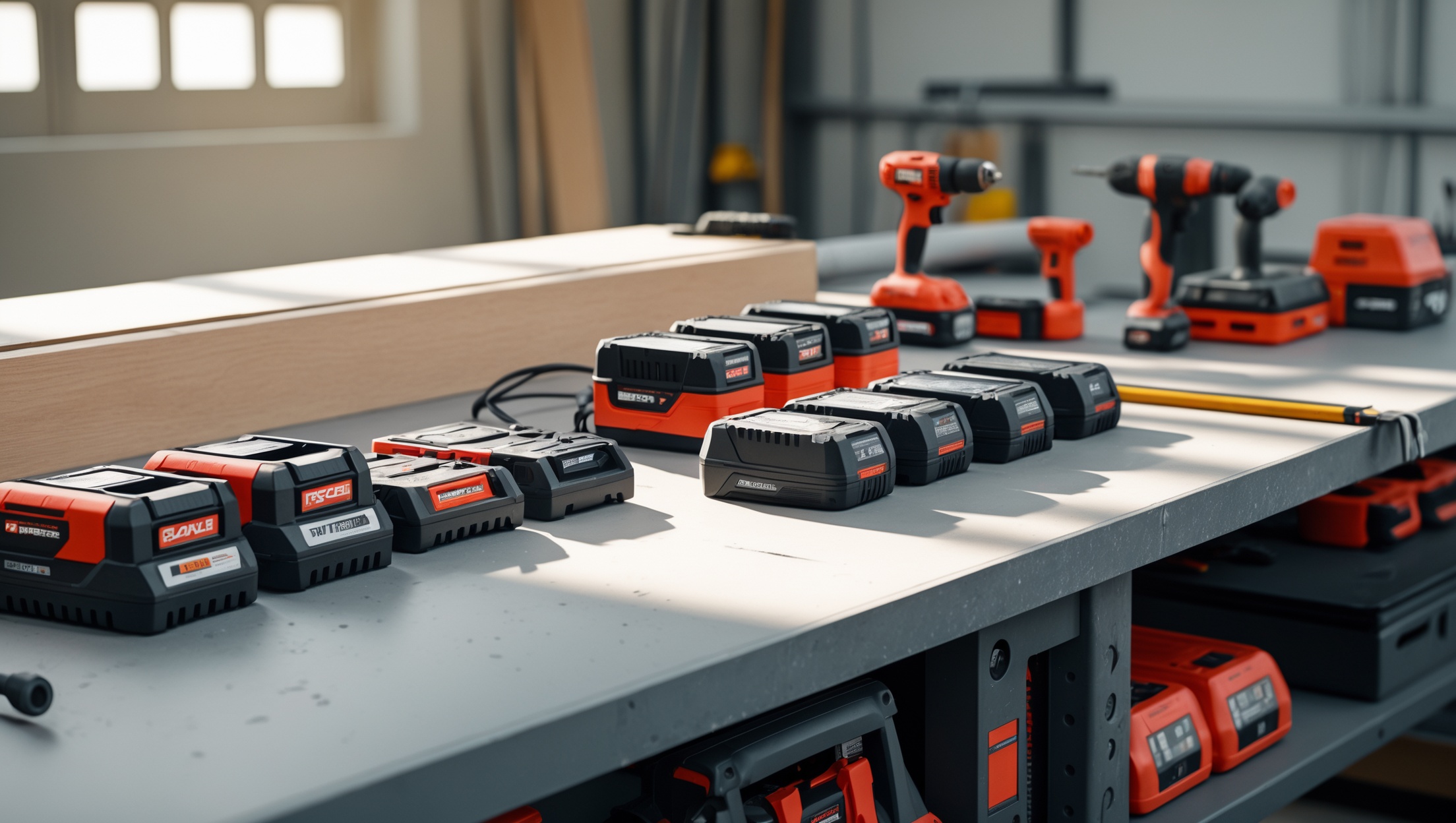
- Consider investing in wall-mounted battery racks or cases that encourage airflow and prevent accidental shorting.
- Use silicone terminal covers for stored batteries to prevent contact with metal objects.
Myths and Misconceptions About Power Tool Batteries
- Myth: Storing batteries in a refrigerator prolongs life.
Reality: Condensation risk outweighs any negligible benefit. Store at cool room temperature instead. - Myth: Batteries should always be fully discharged before charging.
Reality: Only NiCd batteries benefit from full discharge; lithium-ion should be recharged before empty. - Myth: All chargers are interchangeable.
Reality: Chargers are calibrated for specific chemistries and voltages—mixing brands or types can be dangerous.
Diagnosing and Troubleshooting Battery Issues
Common Problems and Solutions
- Batteries not holding charge: This may indicate cell degradation. Try cycling the battery a few times; if performance doesn’t improve, recycling is recommended.
- Slow charging: Check for dirty contacts or try a different charger (of the same brand and voltage).
- Overheating during use: May result from overloading the tool or a failing battery. Allow to cool and test in a lighter-duty application.
When to Replace a Battery
- Consistently short runtime even after full charge
- Visible swelling, leakage, or corrosion
- Failure to hold a charge after several reconditioning cycles
End-of-Life: Safe Disposal and Recycling
Never toss old batteries in the trash. Most communities have battery recycling programs or hazardous waste drop-off points. Use the manufacturer’s recycling program if available, or consult your local hardware store for safe disposal options. Tape over terminals to prevent accidental shorting during transport.
Seasonal Battery Care Checklist
- Inspect all batteries and chargers for damage or corrosion
- Clean terminals and charger contacts
- Check and record charge levels before and after storage
- Store batteries at recommended charge and temperature
- Cycle batteries through a full charge/discharge every spring and fall
- Safely dispose of batteries showing signs of failure
Conclusion
Power tool batteries are a significant investment and a critical factor in the efficiency of your DIY projects. By giving thoughtful attention to seasonal care—adjusting storage environments, managing charge levels, and performing regular inspections—you can extend the service life of your batteries dramatically. Implementing these best practices reduces the risk of sudden failures, maximizes the performance of your tools, and saves you money over the long haul by delaying costly replacements. Remember: proper battery care is not just about squeezing out a few extra minutes of runtime, but about ensuring safe, reliable operation whenever your next project calls. Make battery maintenance a routine part of your DIY workflow, and you’ll be rewarded with tools that are ready to deliver top performance for years to come.