


Introduction: Elevate Your DIY Skills with Ladder Know-How
When it comes to home improvement, repairs, or upgrades, few tools are as indispensable—and as misunderstood—as the humble ladder. Whether you’re changing a ceiling light, cleaning gutters, painting a wall, or trimming backyard trees, choosing the right ladder and using it safely can mean the difference between an efficient, successful project and a potentially dangerous mishap. Despite their everyday presence in garages and sheds, ladders are a leading source of home injuries, with thousands of accidents reported each year due to improper use, poor selection, or neglected maintenance. This comprehensive guide is here to change that. We’ll walk you through the nuts and bolts of ladder types, features, safety protocols, and maintenance best practices. You’ll learn how to match the right ladder to any DIY job, prevent the most common mistakes, and keep your equipment in top condition for years of reliable service. Whether you’re a seasoned DIYer or just starting to build your tool collection, mastering ladder safety and selection is a crucial skill set that pays dividends every time you work above ground level.
Understanding Ladder Types: Matching the Tool to the Task
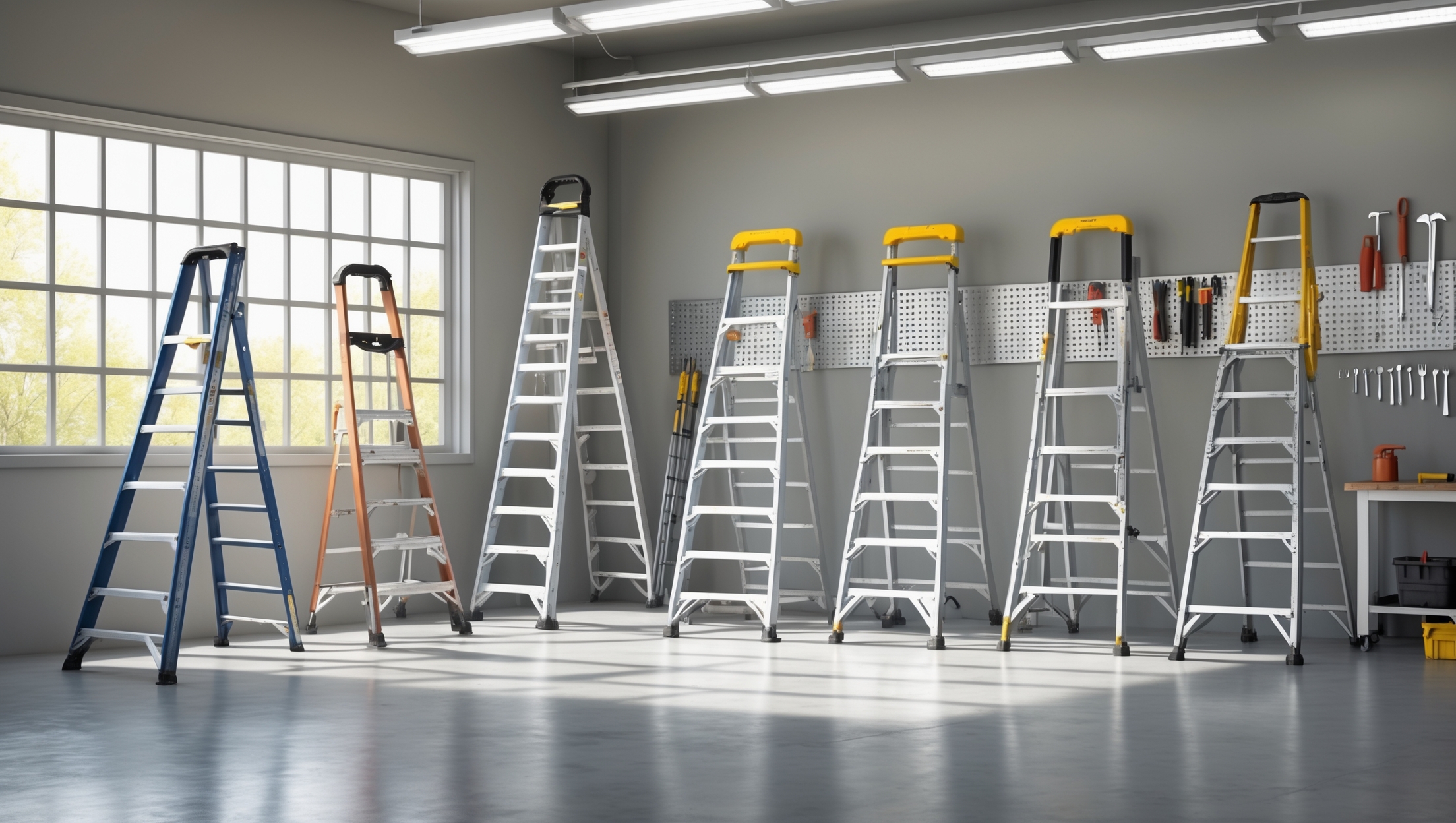
Before you can climb safely, it’s essential to pick the ladder that best fits your job. Ladders come in a surprising variety of forms, each tailored for different environments and heights. Using the wrong ladder can not only make your work harder but also significantly increase your risk of injury or property damage. Here’s a breakdown of the most common home ladder types and when to use each:
Step Ladders
- Best for: Indoor projects, changing bulbs, painting, or reaching shelves
- Features: Freestanding A-frame design, typically 4–8 feet tall, with a flat platform at the top
- Pros: Stable, portable, doesn’t require wall support
- Cons: Limited reach; not suitable for high exterior work
Extension Ladders
- Best for: Exterior work, gutters, roof access, tall ceilings
- Features: Two or more sliding sections, extends up to 40 feet or more
- Pros: Maximizes reach, lightweight aluminum options available
- Cons: Requires wall or solid surface for support; bulkier storage
Multi-Position (Articulated) Ladders
- Best for: Versatile tasks, uneven surfaces, staircases
- Features: Hinged joints allow multiple configurations: step, extension, scaffold
- Pros: Highly adaptable, compact storage
- Cons: Heavier, more expensive, steeper learning curve
Platform Ladders
- Best for: Tasks requiring stability and comfort, such as painting or electrical work
- Features: Wide standing platform, guardrails, typically 4–12 feet tall
- Pros: Comfortable for long periods, added safety features
- Cons: Bulky, less portable
Tall Folding Stools
- Best for: Quick indoor reach jobs, kitchen, closets
- Features: Compact, lightweight, often with anti-slip steps
- Pros: Easy storage, perfect for small spaces
- Cons: Not for heights above 3–4 feet
Key Ladder Features: What Matters for Home Use?
Beyond basic ladder types, certain features and specs can dramatically improve both safety and usability. Here’s what to consider before you buy:
1. Material: Aluminum vs. Fiberglass vs. Wood
- Aluminum: Lightweight, rust-resistant, affordable. Note: Conducts electricity—never use near exposed wiring.
- Fiberglass: Heavier but non-conductive; ideal for electrical work. More expensive but highly durable.
- Wood: Traditional, non-conductive (when dry), but heavier and prone to weather damage. Generally less common today.
2. Weight Rating (Duty Rating)
- Type III (Light Duty): Up to 200 lbs. (for light household tasks)
- Type II (Medium Duty): Up to 225 lbs. (painting, light repairs)
- Type I (Heavy Duty): Up to 250 lbs. (general contractors and serious DIYers)
- Type IA (Extra Heavy Duty): Up to 300 lbs.
- Type IAA (Special Duty): Up to 375 lbs. (rare for home use)
Always factor in your weight plus clothing, tools, and materials you’ll carry.
3. Height and Reach
- Allow for a 3-foot overlap on extension ladders for safety.
- Never stand on the top rung or cap—subtract two steps from the total height for your actual safe standing height.
- For roof access, the ladder should extend 3 feet above the roofline.
4. Anti-Slip Feet and Steps
Look for slip-resistant feet and tread patterns on steps or rungs. Rubberized or spiked feet improve grip on different surfaces.
5. Locking Mechanisms
Make sure hinges and rung locks snap firmly into place. On multi-position ladders, audible clicks and visual indicators are essential for safety.
6. Built-in Tool Trays and Holders
Some ladders include trays, hooks, or even magnetic strips for holding tools, paint cans, or hardware at the top. These features boost productivity and reduce risky up-and-down trips.
Beginner Mistakes and How to Avoid Them
- Overreaching: Never lean out sideways. Instead, climb down and move the ladder. Overreaching is the most common cause of ladder falls.
- Poor Placement: Set up on a firm, level surface. Use ladder levelers outdoors or on uneven ground. Avoid soft soil, gravel, or any unstable surface.
- Ignoring Weight Limits: Exceeding your ladder’s duty rating can cause collapse. Factor in your weight plus any carried items.
- Using Metal Ladders Near Power Lines: Always use fiberglass when working near electricity. Never risk a shock.
- Improper Angle (Extension Ladders): Follow the 4-to-1 rule: for every 4 feet of ladder height, set the base 1 foot out from the wall.
- Standing on the Top Rung: This is never safe, no matter the ladder type.
- Skipping Pre-Use Checks: Inspect for cracks, loose bolts, or bent rungs before every use.
- Carrying Tools in Hand: Use tool belts or hoist tools up after climbing.
Step-by-Step: Safe Ladder Setup and Use
1. Inspect Before You Climb
- Check for cracks, splits, corrosion, or missing parts.
- Test all locks and hinges.
- Ensure feet are clean and intact.
2. Positioning Your Ladder
- Set on flat, stable ground.
- Keep at least 10 feet away from power lines.
- For extension ladders, use the 4-to-1 rule for angle.
3. Climbing and Working
- Face the ladder, maintain three points of contact (two hands and one foot, or two feet and one hand).
- Keep your body centered between the rails.
- Don’t carry heavy or bulky items; use a tool belt or rope hoist.
- Move the ladder rather than overreaching.
- Never allow more than one person on a single-user ladder.
Maintenance Best Practices: Keeping Your Ladder Safe
A well-maintained ladder can last decades and perform safely every time. Here’s how to care for your ladder:
- Clean After Use: Wipe down dirt, paint, and debris—especially from steps and feet for maximum traction.
- Store Indoors: Keep ladders in a dry, sheltered area to prevent rust, rot, or UV damage.
- Lubricate Moving Parts: Use a silicone spray on hinges and locks for smooth operation.
- Check Fasteners: Tighten bolts and screws periodically, especially after heavy use or transportation.
- Label for Safety: Mark weight limits and usage instructions for family members or helpers.
- Retire and Replace: Discard ladders with visible cracks, significant bends, or missing components. Never attempt major structural repairs—replace instead.
Comparing Top Ladder Brands and Models for Home Use
The ladder market is filled with options, but a few brands consistently deliver on safety and durability. Here’s a side-by-side comparison of leading models for popular DIY tasks:
| Brand & Model | Type | Material | Height (ft.) | Weight Rating | Best For |
|---|---|---|---|---|---|
| Werner 6 ft. Fiberglass Step Ladder | Step | Fiberglass | 6 | Type I (250 lbs) | Indoor/outdoor, electrical safety |
| Louisville 20 ft. Extension Ladder | Extension | Aluminum | 20 | Type II (225 lbs) | Gutters, roof access |
| Little Giant Velocity 17 | Multi-Position | Aluminum | 17 | Type IA (300 lbs) | Versatile, stairways |
| Gorilla Ladders 3-Step Pro | Step Stool | Steel | 3 | Type II (225 lbs) | Kitchen, closets |
| Rubbermaid RM-P2 2-Step Stool | Folding Stool | Aluminum | 2 | Type III (200 lbs) | Quick indoor reach |
Consider your most frequent tasks and storage space when selecting a ladder. For most homeowners, a combination of a 6-foot step ladder and a 16–20 foot extension ladder covers 90% of needs. Multi-position ladders are ideal for those with limited storage or diverse project types.
Essential Ladder Accessories for Safer, Easier DIY
- Ladder Levelers: Attachments that adjust for uneven ground, ideal for outdoor use.
- Stabilizer Bars: Wide arms that spread load and prevent sideways movement on extension ladders.
- Paint Trays & Tool Caddies: Snap-on or hanging trays to keep supplies within reach.
- Ladder Mats: Non-slip mats for added grip on slick surfaces.
- Roof Hooks: Secure ladders to roofing edges for safe roof access.
When to Rent vs. Buy a Ladder
- Buy: If you use a ladder multiple times per year, or need quick access for routine tasks.
- Rent: For rare, one-off projects requiring extra-tall or specialty ladders (24+ ft., scaffolds, etc.). Renting can save storage space and upfront costs.
Local hardware stores and tool rental centers offer daily and weekly rates. Always inspect rental ladders for damage before accepting.
Safety Checklist: Never Climb Without These Steps
- Inspect ladder for damage, cleanliness, and secure locks.
- Ensure ground is stable—use mats or levelers if needed.
- Check weather—avoid outdoor use in wind, rain, or lightning.
- Wear sturdy, non-slip shoes.
- Have a spotter for tall or awkward jobs.
- Keep work area clear of obstacles and clutter.
- Plan tool and material placement—minimize repeated climbs.
Conclusion: Climb Smarter, Work Safer
Ladders may be one of the most common tools in home workshops, but their safe, effective use is all about knowledge and preparation. By carefully selecting the right ladder for each task, investing in quality equipment, and committing to smart safety protocols, you can dramatically reduce the risk of falls and injuries—while making your DIY projects faster and more enjoyable. Remember that the best ladder is one that matches your needs, supports your weight and tools, and is always in excellent working condition. Don’t overlook basic maintenance, and never improvise with damaged or inadequate ladders. The time you invest in ladder education pays off every time you tackle jobs both big and small, from hanging holiday lights to major repairs. With the tips and insights from this guide, you’ll approach every project with confidence and peace of mind, knowing you’re set up for success from the ground up. Happy (and safe) climbing!



When selecting a step ladder for indoor projects like changing bulbs or painting, is there a guideline for how tall the ladder should be relative to the user’s height and the ceiling? I want to make sure I’m not overreaching.
To choose the right step ladder, the top standing level should be about 2 steps down from the very top for safety. Ideally, your maximum safe reach height is about 4 feet higher than the ladder’s height. For 8-foot ceilings, most people are comfortable with a 4- or 5-foot step ladder, as this allows you to safely reach the ceiling without stretching or overreaching.
In your breakdown of ladder types, you mention both portability and reach as important factors. For someone on a tight budget who only wants to buy one ladder that works for both indoor and occasional outdoor use (like gutter cleaning), which type would you suggest and why?
A multi-position or articulating ladder would be a practical choice for your needs. These ladders can adjust to different heights and configurations, making them suitable for indoor tasks and reaching gutters outdoors. They’re generally more affordable than owning several ladder types and are designed for easy storage and portability. Just be sure to choose one with a height that matches your highest outdoor task, like gutter cleaning.
Are there any specific maintenance tips for keeping my ladders in good condition, especially if they’re stored in a damp garage? The article mentions keeping equipment in top shape, but I’d love more detail on what regular upkeep should include.
To keep your ladders in good shape, especially in a damp garage, regularly check for rust on metal parts and mildew on wooden ones. Wipe ladders down after use, and dry them before storing. Lubricate hinges or locks as needed. Store ladders off the ground on wall hooks or racks to improve air circulation and avoid moisture buildup. Inspect all rungs, feet, and locking mechanisms every few months for wear or damage.
I see the article mentions that using the wrong ladder can lead to injuries or property damage. If I only have a step ladder but need to clean my gutters, is it worth investing in an extension ladder, or can I get by with what I have if I take extra precautions?
Cleaning gutters typically requires reaching higher than a standard step ladder safely allows. Extension ladders are designed for tasks like this because they provide extra height and stability when placed correctly. Using a step ladder, even with extra caution, can be risky due to overreaching or unstable footing. Investing in an extension ladder is the safer choice for gutter cleaning and similar projects.
What maintenance do you recommend for keeping ladders in good condition, especially if they’re stored in a garage that gets really humid during the summer months?
To keep your ladders in good shape in a humid garage, regularly inspect them for rust, corrosion, or mold—especially if they’re metal or fiberglass. Wipe them down after use to remove moisture. Store ladders off the ground and away from direct contact with walls to allow air circulation. Lubricate moving parts and check for loose hardware. Consider using a dehumidifier in the garage if moisture becomes a major issue.
You mention that using the wrong ladder can increase the risk of injury or property damage. For a small business with limited storage, is there a particular ladder type you recommend that balances safety and versatility for both indoor and occasional outdoor tasks?
For a small business with limited storage, a multi-purpose or articulating ladder is often a practical choice. These ladders can be adjusted to different heights and configurations, making them suitable for a range of indoor and occasional outdoor tasks. Look for models that meet safety standards, have sturdy locking mechanisms, and are compact enough to store easily when folded.
You mentioned that step ladders are stable and great for indoor jobs, but I’m worried about space. Is there a specific way to store or maintain these ladders so they don’t take up too much room or get damaged in a garage?
To save space and protect your step ladder in the garage, store it folded and upright against a wall, or hang it on sturdy wall hooks. If possible, keep it off the floor to avoid moisture damage. Make sure the storage spot is dry and away from heavy objects that could fall and dent the ladder. Regularly check the hinges and steps for any signs of rust or wear.
When selecting a ladder for outdoor projects like trimming trees or cleaning gutters, what features or safety certifications should I look for to ensure I’m picking the right one, especially for higher jobs?
For outdoor projects like trimming trees or cleaning gutters, choose an extension ladder made of weather-resistant material, such as fiberglass. Make sure it is long enough to extend at least three feet above your work area. Look for ladders with slip-resistant feet, locking mechanisms, and stabilizer bars for added safety. Always check for safety certifications like ANSI or OSHA, which indicate the ladder meets strict safety standards. Opt for a ladder with an appropriate duty rating for your weight plus any tools you’ll carry.
You brought up that improper ladder maintenance can lead to accidents. What regular checks or simple upkeep routines do you personally follow at home to make sure your ladders stay safe over time?
At home, I make a habit of inspecting my ladders before each use. I check for loose or missing rungs, cracks, and bent rails. I also look at the feet to ensure they’re not worn or slippery. After using the ladder, I wipe it down to remove dirt and debris and store it in a dry place to prevent rust or warping. These quick checks really help keep my ladders safe and ready to use.
I noticed you mentioned neglected maintenance as a big reason for ladder accidents. Could you explain what regular ladder maintenance looks like for homeowners, and how often you recommend inspecting or servicing a typical household ladder?
Regular ladder maintenance for homeowners involves checking for cracks, bent steps, loose bolts, missing feet, and any signs of rust or corrosion. Wipe the ladder clean after use and store it in a dry place. Inspect your ladder before each use, even for minor jobs. For ladders used often, give them a more detailed check every few months. If you spot any damage, repair or replace the ladder right away to stay safe.
You mention that picking the right ladder is really important. How can I tell if my old step ladder is still safe to use, or if it’s time to replace it? Are there specific warning signs I should look for during maintenance?
To check if your old step ladder is still safe, look for warning signs like cracked, bent, or missing steps, loose or wobbly hinges, rust or corrosion (especially on metal parts), and any split or warped wood if it’s a wooden ladder. Make sure all locking mechanisms work smoothly and the ladder sits level on the ground. If you notice any of these issues, it’s best to replace the ladder to avoid accidents.
Could you explain the main differences in maintenance requirements between a step ladder and an extension ladder? I want to make sure I keep my equipment in good shape but need something that won’t take too much extra time.
Step ladders generally require less maintenance since they have fewer moving parts. You’ll mostly need to check for loose screws, worn feet, and any damage to the hinges. Extension ladders need similar checks, but you also have to regularly clean and lubricate the locking mechanisms and pulleys, make sure the ropes are in good condition, and that the sections slide smoothly. If you prefer less upkeep, a step ladder is the easier option.
The guide says that extension ladders are best for exterior work, like gutters. If I only plan to use a ladder occasionally for things like painting walls and changing lightbulbs indoors, is it worth investing in an extension ladder or should I stick with a step ladder?
For indoor tasks like painting walls and changing lightbulbs, a sturdy step ladder is usually the best choice. Step ladders are easier to store, safer for indoor use, and provide enough height for most interior jobs. Extension ladders are mainly designed for outdoor projects that require reaching high spots, such as gutters or roofs, so you likely won’t need one for occasional indoor work.
Can you explain more about ladder maintenance? You mentioned neglected maintenance causes a lot of accidents, so I’d like to know what regular checks or routines you recommend to keep my ladders safe for use.
Regular ladder maintenance is key for safety. Start by inspecting the ladder before each use, checking for cracks, bent parts, or loose rungs. Make sure all rivets and bolts are tight. Clean off any dirt, oil, or paint that might cause slips. For extension ladders, ensure pulleys and locks work smoothly. Store ladders in a dry place to prevent rust or warping. Replace any damaged parts right away, and never use a ladder that feels unstable during your checks.
If I’m just getting started with DIY projects and on a tight budget, what type and size of ladder would be most versatile for basic home repairs like painting, changing light bulbs, or occasional outdoor stuff?
For most basic home repairs on a budget, a 6-foot fiberglass or aluminum step ladder is a solid choice. It’s stable, easy to move, and tall enough for indoor tasks like painting walls and changing bulbs. For occasional outdoor use, such as cleaning gutters on a single-story home, consider an 8-foot ladder. Look for one rated for at least 225 lbs (Type II) for safety and versatility.
You talked about matching ladder types to different DIY jobs. How can I figure out the right ladder height for projects like cleaning gutters versus trimming backyard trees, so I don’t end up buying something either too short or unnecessarily large?
To choose the right ladder height, first measure the maximum height you need to reach. For cleaning gutters, a ladder that extends 3–4 feet above the gutter line is usually ideal. For tree trimming, estimate the height of the branches you want to reach and add a few feet for safe positioning. Always remember to account for the ladder angle and avoid standing on the top rung for stability and safety.
When it comes to choosing between a step ladder and an extension ladder for things like cleaning gutters or trimming trees around the house, how do I figure out which one is safer if I have limited outdoor space?
For limited outdoor space, a step ladder is typically safer because it is self-supporting and requires less room to set up. Extension ladders need a stable surface and enough space to lean safely against a structure. For tasks like cleaning gutters on low roofs or trimming small branches, a sturdy step ladder can be a good choice, as long as it provides enough height without standing on the top step. Always check the ladder’s maximum reach and weight rating before use.
You mentioned the importance of maintaining ladders, but what are some practical tips for checking if a ladder is safe to use before each project? I sometimes worry about missing subtle safety issues, especially with older ladders.
Before each project, inspect your ladder for cracks, bent parts, or loose rungs. Make sure all bolts and rivets are tight and none are missing. Check for any signs of corrosion or rust, especially on metal ladders. Ensure feet are stable and not worn down, and that locks or spreaders work smoothly. Cleaning the ladder can also help you spot less obvious damage. If anything seems off or wobbly, don’t use it until it’s repaired or replaced.
If I’m on a tight budget and need a ladder mostly for occasional painting and reaching high storage shelves, is it better to buy a higher quality step ladder or a basic extension ladder? What would be the safest compromise?
For occasional tasks like painting and accessing high shelves, a sturdy step ladder is usually the safer and more practical choice, especially if you’re on a budget. Step ladders are stable, easy to set up indoors, and sufficient for most home uses. Look for one with a solid safety rating, even if it’s basic—quality matters more for safety than extra height if you don’t need it often.
How do you figure out if a step ladder will be tall enough for an indoor project like changing a high ceiling bulb? Is there a general rule of thumb for picking the right height?
To determine if a step ladder is tall enough, measure the height from the floor to where you need to work—like the ceiling light. Subtract about 4 feet from that number, since you can safely stand on the second or third step from the top of most ladders. Choose a ladder that lets you comfortably reach your task without overreaching.
You mention that improper ladder selection is a major cause of accidents. For an average two-story home in the US, is there a specific ladder height or type you consider safest for cleaning gutters, and are there any features I should prioritize?
For cleaning gutters on a typical two-story home, an extension ladder that extends to at least 24 feet is usually appropriate, though you may need a 28-foot ladder for taller houses. Make sure the ladder is rated for your weight plus any tools you’ll carry, and look for non-slip feet, stabilizer bars, and locking mechanisms for added safety. Always place the ladder at a proper angle and avoid standing on the top three rungs.
If I only want to buy one ladder for general DIY projects around the house, including both indoor and some outdoor tasks, which type would give me the most versatility without taking up too much space in the garage?
A multi-position or articulating ladder is a smart choice for general DIY use. These ladders can function as a step ladder, extension ladder, or even a scaffold, so they handle both indoor and outdoor tasks. When not in use, they fold down compactly, making them easy to store in a typical garage.
Could you elaborate on how to choose between a step ladder and an extension ladder if a project could potentially be done with either one? Are there certain safety features or convenience factors that should tip the balance?
When deciding between a step ladder and an extension ladder, consider both the height you need and the workspace around you. Step ladders are better for stable, freestanding jobs with lower heights and limited space. Extension ladders suit higher tasks but require a stable surface for leaning. Safety-wise, look for features like slip-resistant feet, locking mechanisms, and wide steps. Convenience factors include ladder weight, ease of storage, and whether you need to move the ladder frequently during your project.
Can you explain what kind of maintenance ladders need to stay in good condition over the years? I’ve had a few for a while but haven’t done much besides wiping them down occasionally.
To keep your ladders in good condition, regularly check for loose or damaged rungs, steps, and hinges. Tighten any loose bolts or screws. Make sure the feet are intact and not worn down. Lubricate moving parts like hinges if it’s a folding ladder. Store ladders in a dry area, away from extreme temperatures, and avoid placing heavy objects on them during storage. Regular inspections and minor upkeep will help them stay safe and last longer.
When you say ladders are a leading cause of home injuries, could you elaborate on the most common mistakes people make? I want to make sure I teach my teenagers the right way to use our ladders around the house.
Some of the most common ladder mistakes include using the wrong ladder for the task, not fully opening or locking the ladder, placing it on uneven or slippery surfaces, overreaching instead of moving the ladder, and climbing higher than the manufacturer recommends. It’s also important to always maintain three points of contact and ensure the ladder isn’t overloaded. Teaching your teenagers these basics can go a long way in preventing accidents.
Can you elaborate on how to determine which ladder material—such as fiberglass versus aluminum—is more appropriate for certain home DIY jobs, especially regarding safety near electrical work or outdoor use?
Choosing the right ladder material is important for safety. For any work near electricity, always use a fiberglass ladder because it does not conduct electricity, reducing the risk of electric shock. Aluminum ladders are lighter and suitable for many outdoor tasks, but they should never be used near electrical sources since they conduct electricity. For outdoor use, both materials are weather-resistant, but fiberglass can withstand more exposure without corroding.
You mentioned that using the wrong ladder can increase the risk of injury. I have a small garage and limited storage—if I could only pick one ladder type for most of my home tasks, which would you recommend?
Given your space limitations and need for versatility, a high-quality multi-position or articulating ladder is a solid choice. These can adjust to different heights and configurations, letting you tackle a range of indoor and outdoor tasks without taking up much storage space. Just be sure to check the weight rating and always follow safety guidelines for setup and use.
When it comes to ladder maintenance, you mention keeping equipment in good condition for safety. Could you give some specific tips on what to check regularly and how often I should inspect my ladder for wear or damage?
For ladder maintenance, check your ladder before each use for cracks, loose or missing steps, bent rails, and damaged feet. Make sure all locking mechanisms and hinges work smoothly. Inspect for rust or corrosion if it’s metal, and look for splinters or rot if it’s wooden. A monthly thorough inspection is a good routine, but always do a quick check before every use to catch any issues early.
If I need to clean out my gutters and also occasionally need to reach shelves indoors, is it better to buy separate ladders for each, or is there a safe, adjustable option that covers both tasks effectively?
You can look into a multi-position or combination ladder, which adjusts to different heights and configurations. These ladders can function as both an extension ladder for outdoor gutter cleaning and a step ladder for indoor tasks like reaching shelves. Make sure to choose a sturdy model rated for your weight and always follow the manufacturer’s safety guidelines for each setup.
You talk about matching the right ladder type to each job. For a small business with limited storage, is there a ladder style you’d suggest that could safely handle both indoor and some outdoor tasks?
For small businesses with limited storage, a multi-position or articulating ladder is a solid choice. These ladders can be adjusted to serve as step ladders for indoor work or extended for outdoor use, like reaching gutters. When choosing, look for one rated for the weight you need and ensure it meets safety standards for both environments.
You mentioned matching the ladder type to the specific task, but what about storage space? Are there any types of ladders that you’d recommend for someone with a small garage but who still wants to cover both indoor and outdoor DIY projects?
For a small garage, consider a multi-position or articulating ladder. These can be folded down compactly for storage but still extend to cover various heights and uses, both indoors and outdoors. Telescoping ladders are another good option since they collapse to a small size, making them easy to tuck away, yet provide enough reach for most household DIY needs.
In your breakdown of step ladders versus extension ladders, you mention that step ladders aren’t suitable for higher exterior work. Is there a general height limit where you should switch from a step ladder to an extension ladder for safety reasons?
For most home projects, step ladders are best for heights up to about 8 to 10 feet. If you need to reach anything higher, especially for exterior work like gutters or rooftops, it’s safer to use an extension ladder. This is because step ladders become unstable at greater heights, while extension ladders are designed for taller tasks and can be securely placed against a structure.