





Introduction: Why Seasonal Tool Maintenance Matters
If you’ve ever reached for a rusty screwdriver or a stiff, squeaky plier in the middle of a project, you know how much neglected tools can derail your DIY momentum. Yet, most homeowners overlook the importance of regular tool maintenance. Instead of waiting until something breaks—or worse, risking injury or project delays—you can establish a simple, seasonal routine to keep your tools in top shape. Whether you’re a hobbyist or a dedicated DIY enthusiast, understanding what to clean, oil, and inspect every quarter can extend your equipment’s lifespan, save money on replacements, and guarantee you’re always ready for repairs, maintenance, and upgrades. This guide details a practical, step-by-step quarterly maintenance checklist for hand tools, power tools, and essential equipment. You’ll learn which products to use, how to spot common issues before they escalate, and how this routine can make every project safer and smoother, all year long.
Quarterly Tool Maintenance: The Core Checklist
Dividing tool care into quarterly sessions ensures you catch problems early and keep your equipment operating smoothly. Here’s what should be on your maintenance radar as seasons change:
- Cleaning: Removing dirt, dust, and debris that cause corrosion and malfunctions.
- Lubrication: Oiling moving parts to prevent sticking, squeaking, and premature wear.
- Inspection: Checking for damage, loose hardware, and safety hazards.
- Storage Check: Reviewing storage conditions to prevent rust, mold, and accidental damage.
Spring: Shake Off Winter, Prepare for Projects
Hand Tools
- Cleaning: Wipe away winter grime from screwdrivers, pliers, wrenches, hammers, and measuring tapes with a soft cloth dampened with mild soapy water. Dry thoroughly.
- Rust Removal: For any visible rust, use a wire brush or fine steel wool. For stubborn spots, apply a dedicated rust remover, following the product’s instructions. Rinse and dry.
- Lubrication: Lightly oil moving joints—especially pliers, adjustable wrenches, and snips—with a few drops of multipurpose oil. Work the tool several times to distribute.
- Inspection: Check handles for cracks, chips, or looseness. Tighten screws or replace damaged handles.
Power Tools
- Surface Cleaning: Blow out dust from vents and crevices using compressed air (short bursts to avoid damage). Wipe exteriors with a damp cloth.
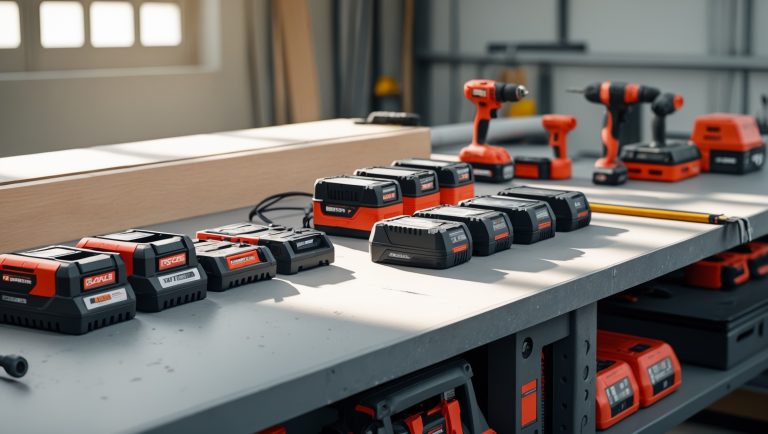
- Battery Check: For cordless tools, inspect batteries for swelling, corrosion, or leaks. Clean contacts with a dry cloth.
- Lubrication: Follow manufacturer guidelines for lubricating moving parts. For drills, add a drop of oil to the chuck; for circular saws, oil pivot points.
- Inspection: Check power cords for cracks or fraying, switches for smooth operation, and blades/bits for dullness or damage.
Garden and Outdoor Tools
- Cleaning: Remove soil and plant debris from shovels, pruners, and lawn tool blades. Use a stiff brush and rinse with water; dry thoroughly.
- Lubrication: Oil hinges and moving parts on pruners and shears.
- Inspection: Sharpen blades as needed. Inspect handles for splinters or rot. Replace damaged grips or sand smooth.
Storage Tips
- Ensure tools are stored in a dry, ventilated area. Add silica gel packs to drawers or boxes to help control humidity.
- Hang tools to keep them off damp floors.
Summer: Combat Humidity and Heavy Use
Hand Tools
- Cleaning: Wipe down tools after heavy use, especially after sweaty hands or outdoor work. Sweat can accelerate corrosion.
- Inspection: Check for rust—summer humidity is prime time for it. Treat spots promptly as in spring.
- Lubrication: Reapply oil to moving parts if tools feel stiff or squeaky.
Power Tools
- Venting: Ensure all air vents are clear of dust and debris. Overheating is more common in summer.
- Battery Care: Avoid leaving lithium-ion batteries in hot cars or direct sunlight. Check for heat damage and store in a cool, dry place.
- Inspection: Listen for unusual noises or vibrations during use, which may indicate worn bearings or loose parts.
Garden and Outdoor Tools
- Blade Maintenance: Mid-season sharpening of mower blades, hedge trimmers, and pruners ensures clean cuts and less strain on motors.
- Lubrication: Oil mower wheels, chains, and shears after every few uses.
Storage Tips
- Keep tools out of direct sunlight to prevent plastic and rubber parts from cracking or warping.
- Increase ventilation in storage areas. A small fan or dehumidifier can help prevent rust and mold.
Autumn: Prepare for Storage and Off-Season
Hand Tools
- Deep Cleaning: Before storing over winter, do a thorough clean—remove all dirt, sap, or residues.
- Rust Prevention: Apply a thin coat of tool oil or paste wax to metal surfaces for extra rust protection.
- Inspection: Tighten all fasteners and check for damage sustained during summer projects.
Power Tools
- Cleaning: Remove sawdust and debris from motors and moving parts. Clean filters or replace if needed.
- Battery Storage: For cordless tools, discharge batteries to about 50% before storing. Store batteries separately in a cool, dry place.
- Lubrication: Lubricate moving mechanisms according to the manual. Avoid over-oiling, which attracts dust.
Garden and Outdoor Tools
- Final Clean: Clean and dry all tools before winter storage. Remove sap with mineral spirits.
- Sharpen: Give all cutting blades a final sharpening before storage.
- Rust Protection: Coat metal surfaces with oil or specialized protectant.
Storage Tips
- Organize tools so that heavier items are stored lower to prevent accidents.
- Cover tools with breathable cloths or use rust-inhibiting tool wraps.
Winter: Prevent Damage from Cold and Inactivity
Hand Tools
- Inspection: Check storage areas for leaks or condensation. Wipe away any moisture to prevent corrosion.
- Lubrication: If tools will be unused for months, refresh protective oils on all metal parts.
Power Tools
- Battery Maintenance: Recharge batteries to about 50% every 2–3 months to avoid deep discharge.
- Inspection: Look for signs of rodent damage to cords and cases.
Garden and Outdoor Tools
- Storage: Ensure all tools are dry and stored off the ground. Hang on hooks or racks where possible.
- Lubrication: Oil moving parts if condensation is an issue in your storage environment.
Storage Tips
- Maintain low humidity in storage areas. Use desiccant packs or a dehumidifier if needed.
- Check occasionally for rust or mold and address immediately.
Essential Products and Supplies for Tool Maintenance
Your quarterly routine will be smoother if you have a dedicated set of maintenance supplies. Here’s what every homeowner should keep on hand:
- Soft, lint-free cloths
- Wire brushes and fine steel wool
- Multipurpose lubricating oil (e.g., 3-in-1 or similar)
- Paste wax (for hand tools and saw blades)
- Rust remover (gel or spray)
- Compressed air canister
- Mineral spirits (for sap and sticky residue removal)
- Small screwdrivers and wrenches (for tightening handles and fasteners)
- Silica gel packs or desiccant containers
- Sharpening stones or files for blades
- Battery terminal cleaner (for cordless tool batteries)
Signs Your Tools Need Extra Attention
Quarterly maintenance is your baseline, but keep an eye out for these red flags between sessions:
- Sticky movement or squeaking: Joints or hinges need lubrication.
- Visible rust: Address immediately before it spreads.
- Frayed cords or loose plugs: Stop using the tool until repaired.
- Unusual noises or vibrations: Inspect for loose or damaged parts.
- Difficulty cutting or drilling: Sharpen or replace dull blades and bits.
Pro Tips for Efficient Quarterly Tool Maintenance
- Set Calendar Reminders: Mark tool maintenance days at the start of each season, or sync with other seasonal chores.
- Batch Tasks: Clean and inspect all tools in one session to spot patterns of wear or damage early.
- Keep a Maintenance Log: Note dates of cleaning, sharpening, and repairs. This helps track tool performance and forecast replacements.
- Invest in Quality Storage: A well-organized tool cabinet or wall system reduces accidental damage and exposure to moisture.
- Follow Manufacturer Instructions: Some power tools require specific lubricants or service intervals—check manuals or labels.
Conclusion: Make Tool Maintenance a Habit, Not a Hassle
Regular, seasonal tool care is not just about keeping your equipment looking good—it’s a strategic investment in your DIY success. By following this quarterly checklist, you’ll prevent unexpected tool failures, reduce long-term costs, and ensure your tools are always ready when inspiration (or necessity) strikes. Clean, lubricated, and well-stored tools are safer to use, work more efficiently, and help you tackle home repairs, upgrades, and maintenance with confidence.
Think of your quarterly maintenance routine as a way to protect the time and money you’ve already invested. Every session offers a chance to spot issues before they become expensive problems, and to rediscover what you own—often preventing unnecessary purchases. Plus, a well-maintained toolkit is a point of pride for any homeowner, making every project less stressful and more enjoyable.
Start this quarter—set aside a couple of hours, gather your supplies, and give your tools the attention they deserve. You’ll be rewarded with dependable performance, a safer work environment, and the satisfaction of knowing that, whatever the season or the project, you’re truly prepared. Happy maintaining!




Could you clarify what type of oil is best for lubricating different kinds of hand tools during seasonal maintenance? For example, would WD-40 work for both pliers and measuring tapes, or are there specific lubricants you recommend?
For most hand tools like pliers, a light machine oil (such as 3-in-One oil) is ideal, as it lubricates without leaving heavy residue. WD-40 can work as a cleaner and rust preventative, but it’s not the best long-term lubricant. For measuring tapes, a silicone-based lubricant is better because it won’t gum up the retracting mechanism or attract dust. Always wipe off excess oil after application to prevent buildup.
You mentioned inspecting storage conditions to prevent rust and mold—could you share some simple upgrades or best practices for tool storage in a humid basement, especially for people on a tight budget?
To protect tools in a humid basement, try placing them on shelves or hanging them on pegboards to keep them off the damp floor. Use inexpensive silica gel packs or open containers of baking soda to absorb moisture. A small, affordable dehumidifier or even a fan can help air circulation. Wiping tools with an oily rag before storing creates a protective barrier against rust. Always store tools dry and avoid keeping them in airtight plastic bins, as trapped moisture can promote mold.