
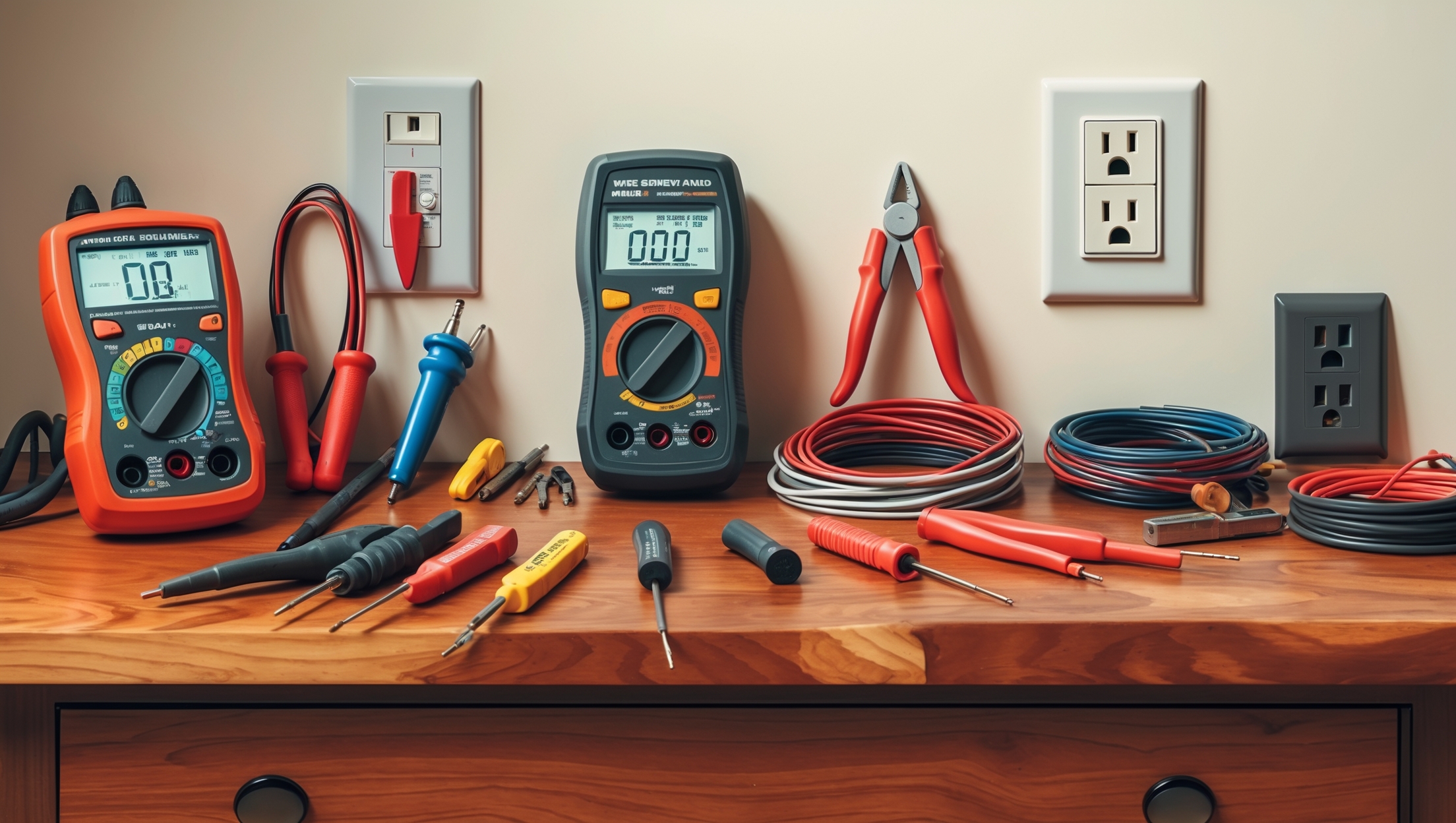
Introduction: The Hidden Dangers in DIY Electrical Testing
Electrical testers are indispensable for safe, successful home repairs and upgrades, from checking a dead outlet to wiring a new light fixture. Yet, for many DIYers, choosing and using these tools can be daunting—and mistakes are not only frustrating but potentially hazardous. A misread voltage, the wrong tester for the job, or a skipped safety step can turn an easy fix into a costly error or even a life-threatening situation. With dozens of tester types on the market—multimeters, voltage detectors, outlet testers, and more—knowing what to buy (and how to use it) matters. Whether you’re starting your DIY journey or have tackled a few projects, understanding common mistakes with electrical testers, how to avoid them, and what features truly matter will keep your repairs accurate, your upgrades compliant, and your home safe. This guide digs deep into the nuances of electrical testers for home use, offering practical insights no instruction manual provides.
Understanding the Types of Home Electrical Testers
Multimeters: The Versatile Workhorse
A multimeter combines several measurement functions in one device—typically voltage (AC/DC), current (amps), and resistance (ohms). Advanced models add continuity, capacitance, and temperature settings. They’re invaluable for diagnosing outlets, switches, appliances, and wiring issues. However, their versatility also means more complexity, increasing the risk of incorrect use, especially for beginners.
- Pros: Wide range of functions, essential for detailed troubleshooting.
- Cons: Steep learning curve, risk of incorrect settings, more expensive than single-function testers.
Non-Contact Voltage Testers (NCVTs): Quick and Safe Checks
NCVTs are pen-like tools that detect voltage presence without direct contact with wires. They’re ideal for confirming whether a circuit is live before beginning repairs. However, they only indicate presence or absence of voltage—no precise measurements or diagnostics.
- Pros: Simple, safe, affordable, great for quick checks.
- Cons: Can give false positives or negatives, limited diagnostic capability.
Plug-In Outlet Testers: Instant GFCI & Wiring Feedback
Designed for standard outlets, these plug-in testers use light patterns to indicate correct wiring, open grounds, reversed polarity, and GFCI function. They’re fast and easy, but cannot detect all wiring faults (e.g., bootleg grounds or multiple miswirings).
- Pros: Extremely easy to use, clear indication of common problems.
- Cons: Limited to outlets, can’t diagnose wiring behind the wall.
Clamp Meters: For Current Measurement Without Disconnecting Wires
Clamp meters measure current by clamping around a single conductor—ideal for troubleshooting circuits or appliances. They’re safer for current checks than in-line testing but are typically pricier and bulkier than standard multimeters.
- Pros: Safe current measurement, no need to break circuit.
- Cons: More expensive, may have fewer functions than a multimeter.
Common Beginner Mistakes—and How to Avoid Them
1. Choosing the Wrong Tester for the Task
Many DIYers assume one tester covers all jobs. Trying to diagnose a tripped breaker with a non-contact tester, or using an outlet tester on a switch box, leads to misleading results. Always match your tool to the job:
- Outlet issues: Plug-in tester + multimeter for confirmation.
- Wire checks: NCVT for safety, multimeter for precise voltage.
- Current flow: Clamp meter or multimeter (with care).
2. Using the Wrong Settings (or Failing to Switch Ranges)
Multimeters often default to the last-used setting. Accidentally set to resistance, but testing voltage? At best, you’ll get no reading; at worst, you could damage the meter. Always double-check your setting before connecting probes.
3. Misinterpreting Tester Readings
Outlet testers use light codes—misreading these can mask dangerous wiring faults. NCVTs sometimes detect nearby voltage (phantom voltage), causing confusion. Learn your tool’s indications and test with known-good circuits before trusting results on a repair.
4. Ignoring Tester Limitations
No single tester can detect every wiring or circuit issue. Relying solely on a plug-in tester might miss a missing ground or a shared neutral problem. Combine tools and use process-of-elimination for complex diagnostics.
5. Forgetting to Test the Tester
Before and after checking a circuit, confirm your tester works by using it on a known live (or dead) source. Battery-powered testers can fail silently, leaving you to work on a live circuit by mistake.
6. Skipping Safety Gear and Procedures
Never substitute a tester for basic safety: always turn off the circuit at the breaker, use insulated tools, and stand on a dry surface. A tester is a tool, not a guarantee.
Feature Comparison: What Matters Most in Electrical Testers for Home Use
1. Accuracy and Safety Ratings
Look for testers with third-party safety certifications (UL, CE) and adequate voltage/current ratings for home wiring (typically 600V CAT II or higher). Cheap, uncertified testers may not protect you in fault conditions.
2. Ease of Use and Readability
Large, backlit displays, clear indicator lights, and audible signals make testers safer and more accurate—especially in dim spaces like basements and attics.
3. Battery Life and Reliability
Testers should have long battery life and an easy way to check remaining charge. Some models include battery test functions or auto-off features to save power.
4. Durability and Build Quality
Rugged casings, secure probe connections, and protective holsters help testers survive drops and everyday use. Cheaper testers may save money upfront but can fail when you need them most.
5. Added Safety Features
Non-contact testers with self-test buttons, multimeters with fused inputs, and overload protection are worth the extra investment for home users. Some advanced models even warn if you’re about to select an unsafe measurement mode.
How to Choose the Right Electrical Tester: A Step-by-Step Guide
Step 1: Identify Your Most Common Tasks
Are you mostly checking outlets, installing fixtures, or troubleshooting circuits? For basic outlet and switch checks, an NCVT and outlet tester may suffice. For broader diagnostics, a quality multimeter is essential.
Step 2: Set a Realistic Budget
Entry-level testers start under $15, but a reliable multimeter or clamp meter for home use usually runs $40–$70. Don’t skimp on safety—avoid off-brand imports with questionable certifications. For most DIYers, a $60 investment yields a tester that lasts for years.
Step 3: Compare Features and Read Reviews
Look for models with:
- Clear, simple controls
- Backlit displays
- Auto-shutoff
- Self-test or battery check
- Rugged build
Check reviews for reliability, accuracy, and customer support.
Step 4: Buy from Reputable Sources
Authorized retailers, established tool stores, or well-known online platforms ensure you receive genuine, warrantied products. Beware of suspiciously low prices or no-name brands.
DIY Electrical Tester Maintenance and Best Practices
Regular Testing and Calibration
Periodically test your electrical tester against known-good sources and replace batteries as soon as the indicator dims or readings become unreliable. For advanced multimeters, consider professional calibration every 1–2 years, especially if you use them frequently or for critical diagnostics.
Cleaning and Storage
Wipe down your testers with a dry or lightly damp cloth—never submerge or use solvents. Store in a dry, dust-free area, away from extreme temperatures. Use holsters or cases to protect delicate probes and displays.
Replacing Worn Probes and Accessories
Damaged probes or leads can cause inaccurate readings or expose you to shock. Replace frayed or cracked test leads immediately. Always use manufacturer-approved accessories to maintain safety ratings.
Safety Checklist: Using Electrical Testers at Home
- Always read the manual before first use.
- Double-check tester settings before connecting to a circuit.
- Test the tester on a known live/dead source before and after use.
- Wear insulated gloves when working near energized circuits.
- Stand on a dry, insulated surface.
- Never use a damaged tester or frayed probes.
- Turn off power at the breaker whenever possible, not just the switch.
- Keep one hand behind your back when testing live circuits (to reduce shock risk).
- Never trust a single reading—cross-check with another tool when in doubt.
Case Study: Avoiding a Costly DIY Mistake with the Right Tester
Consider Alex, a new homeowner who noticed a non-working outlet. Armed only with a basic plug-in tester, Alex plugged in and found a “correct” light pattern. However, when installing a new appliance, the outlet failed again. A multimeter later revealed a loose neutral connection behind the outlet—something the plug-in tester couldn’t detect. By using the right tool, Alex avoided a potential electrical fire and saved hundreds in future electrician bills.
Conclusion: Make Every Home Electrical Project Safer and Simpler
For the DIY homeowner, electrical testers are not just gadgets—they’re safety devices, diagnostic tools, and time-savers rolled into one. Yet, their value depends entirely on how wisely you choose and use them. Avoiding the most common mistakes—selecting the wrong tester, using incorrect settings, misreading signals, or skipping safety steps—can spell the difference between a quick fix and a dangerous ordeal. As you tackle more home repairs, investing in a reliable, well-featured tester (or two) pays dividends in peace of mind, project success, and even insurance compliance. Remember: no single tool fits every job, so build your testing toolkit thoughtfully, maintain it well, and always work with methodical caution. Your home deserves repairs done right—and your safety depends on getting every test, every time, exactly right.


As someone who mostly does small fixes around the shop, I’ve only used the basic voltage pen-style testers so far. The article mentions that multimeters can be risky if used incorrectly. Is there a feature or a particular model you’d recommend for someone just starting out but wanting to learn more without feeling overwhelmed?
Since you’re moving beyond pen-style testers, you might want to consider an auto-ranging digital multimeter. Auto-ranging models remove the need to set the measurement range manually, reducing the risk of mistakes. Look for one with clear labeling, a large display, and built-in safety features like overload protection. Brands like Klein Tools or Fluke offer user-friendly options aimed at beginners. Always start by reading the manual and practicing on low-voltage settings to build confidence.
I noticed you pointed out that multimeters can get pricey compared to single-function testers. For someone on a tight college budget, is it better to invest in a more basic tester first and upgrade later, or save up for a good multimeter from the start?
Starting with a basic tester like a voltage or continuity tester is perfectly fine if you’re mainly handling simple tasks, especially on a limited budget. These are affordable and easy to use. As your needs expand or if you get more involved with electrical work, you can then invest in a quality multimeter. This step-by-step approach is cost-effective and lets you learn at your own pace.
The article mentions that multimeters can be overwhelming for beginners due to their complexity. Are there specific features or functions on a multimeter that a DIYer should focus on learning first, and which ones can be ignored for common home electrical repairs?
For most basic home electrical repairs, you should focus on learning how to measure voltage (especially AC voltage), check continuity, and test resistance. These functions help with tasks like verifying power at outlets or checking fuses. Features like measuring current (amps), frequency, or advanced settings can usually be ignored by beginners unless you’re tackling more complex projects.
When you mention that multimeters have a steep learning curve for beginners, what are the most common settings or mistakes people make right away? Is there a safe way to practice using one before working on actual home wiring?
Many beginners accidentally set the multimeter to measure current (amperes) instead of voltage, or forget to move the test leads to the correct ports for each function, which can damage the meter or cause injury. Another common mistake is not setting the right measurement range. For safe practice, start by testing batteries or low-voltage circuits like AA or 9V batteries to get comfortable with the settings, always double-checking the dial and lead positions before measuring anything live.