

Introduction: Why Surge Protection Matters for Every Home
Power surges—those sudden spikes in electrical voltage—can happen in any home, at any time. From distant lightning strikes to everyday grid switching, surges are a hidden threat capable of damaging your expensive electronics, appliances, and even the wiring inside your walls. The result? Unexpected repair bills, lost data, fried circuit boards, and, in some worst-case scenarios, even house fires.
While the risk is real, the good news is that DIY surge protection is both achievable and effective. Today’s surge protection solutions range from plug-in devices for your living room entertainment center to whole-home suppressors that shield your entire electrical system. The key is knowing which solutions fit your home’s needs, how to install them safely, and what ongoing maintenance is needed to ensure round-the-clock protection.
This comprehensive guide dives deep into the world of home surge protection from a practical, DIY perspective. You’ll learn about the different types of surge protectors, which tools and equipment you’ll need, step-by-step installation instructions, and how to keep your protection working flawlessly year after year. Whether you’re a first-time homeowner or a seasoned DIYer looking to safeguard your latest tech investments, these expert tips will help you avoid common pitfalls and ensure your home is truly protected against the unexpected.
Understanding Power Surges: Causes and Risks
What is a Power Surge?
A power surge is a short, intense burst of electrical voltage that exceeds the standard operating level (typically 120 volts in North American homes). Even small surges can degrade sensitive electronics over time, while larger ones can destroy components instantly.
Common Causes of Power Surges
- Lightning Strikes: Even a strike miles away can induce a surge through power lines or phone/cable connections.
- Utility Grid Switching: Power company equipment changes can briefly send excess voltage into your home.
- Large Appliances: HVAC units, refrigerators, or power tools switching on/off can cause internal surges.
- Faulty Wiring: Aging or damaged electrical systems are more prone to surges and less able to handle them.
Risks to Homeowners
- Damage to computers, TVs, and smart home gadgets
- Premature failure of appliances such as refrigerators or washing machines
- Potential fire hazards from overloaded circuits or damaged wiring
- Voided warranties if manufacturers determine surge damage
Types of Surge Protection for DIYers
Whole-Home Surge Protectors (Panel-Mounted)
Installed directly onto your main electrical panel, these devices offer comprehensive protection for your entire home. They intercept surges before they can spread to branch circuits.
- Best for: Homes with expensive electronics, smart appliances, or sensitive devices throughout.
- Typical Cost: $80–$300 (device only, not including installation tools).
- DIY Difficulty: Moderate to advanced. Involves working at your electrical panel. Local code may require a licensed electrician—always confirm before proceeding.
Point-of-Use Surge Protectors (Plug-In)
Plug into wall outlets and protect specific devices—think power strips under your desk or single-outlet protectors for your washing machine.
- Best for: Computer setups, home theaters, or any area with expensive plug-in electronics.
- Typical Cost: $15–$90 each.
- DIY Difficulty: Easy. No special skills or permits required.
Specialty Surge Protectors
- Coaxial and Phone Line Protectors: Protect modems, routers, and cable boxes connected to outside service lines.
- Outdoor Surge Protectors: Weatherproof units for HVAC, well pumps, or landscape lighting.
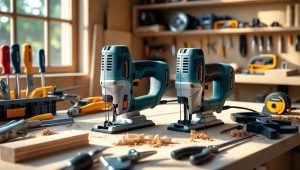
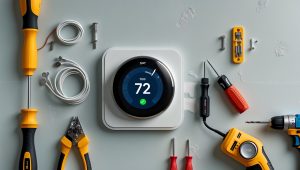
Essential Tools and Equipment for Home Surge Protection
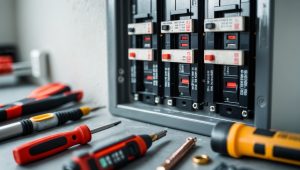
For Whole-Home Surge Protector Installation
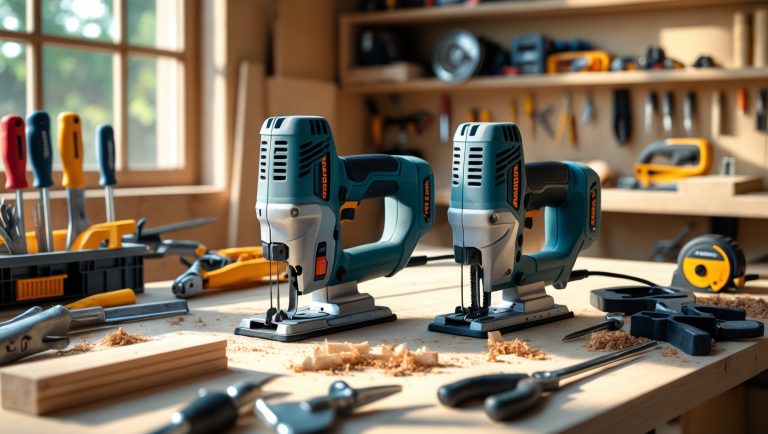
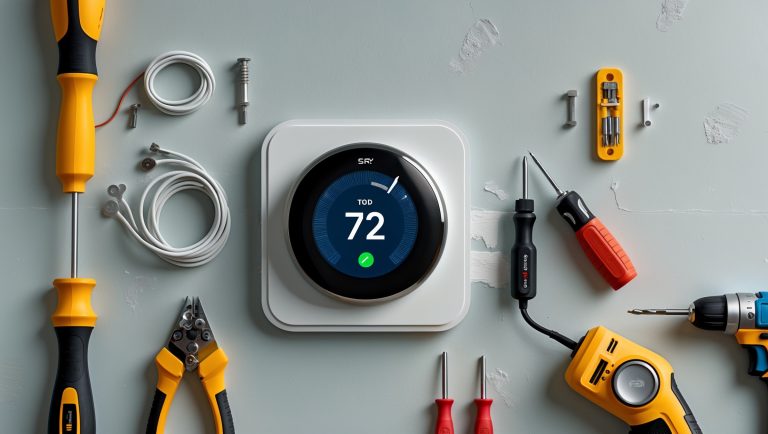
- Flathead and Phillips screwdrivers
- Wire strippers/cutters
- Needle-nose pliers
- Voltage tester or non-contact voltage detector
- Drill and bits (for mounting the surge protector enclosure)
- Torque screwdriver (for precise breaker connections, if required)
- Electrical tape and wire nuts
- Surge protector device rated for your panel and needs
- Personal protective equipment: safety glasses, insulated gloves
- Flashlight or headlamp (for panel work in dimly lit areas)
For Plug-In Surge Protector Setup
- Quality surge protector (UL 1449 certified, adequate joule rating)
- Cable management supplies (Velcro ties, cord covers)
- Outlet tester (to confirm correct wiring and grounding)
For Specialty Applications
- Coaxial cable wrench (for tightening connectors)
- Outdoor-rated extension cords (for weatherproof units)
- Drill/driver and anchors (for outdoor mounting)
Step-by-Step Guide: Installing a Whole-Home Surge Protector
Before You Begin: Safety and Planning
- Read the surge protector manufacturer’s instructions fully.
- Check local codes—some areas require a licensed electrician for panel work.
- Shut off power at the main breaker before opening your panel.
- Double-check with a voltage tester to ensure no live current is present.
Installation Steps
- Identify Mounting Location: Most units mount on or near the main panel. Ensure you have enough space for the unit and wiring.
- Drill Mounting Holes: If needed, drill pilot holes for screws to secure the surge protector’s enclosure.
- Feed Wires: Route the surge protector’s wires into the panel through a knockout hole. Use a cable connector for strain relief.
- Connect Ground Wire: Attach the green wire to the panel’s ground bus bar. Confirm a solid, clean connection.
- Connect Neutral Wire: Attach the white (neutral) wire to the neutral bus bar.
- Connect Line Wires: Attach the black (and sometimes red) wires to a double-pole (240V) breaker or dedicated surge-protection breaker, as specified by the manufacturer.
- Secure All Connections: Tighten all screws and ensure no exposed copper is visible. Use a torque screwdriver if specified.
- Mount the Device: Firmly secure the surge protector enclosure to the panel or wall.
- Restore Power: Close the panel, restore the main breaker, and check the surge protector’s indicator light for proper operation.
Troubleshooting Tips
- If the indicator light does not turn on, double-check all connections and consult the device manual.
- If in doubt, or if you encounter unfamiliar panel wiring, consult a licensed electrician.
Step-by-Step Guide: Setting Up Plug-In Surge Protectors
Choosing the Right Surge Protector
- Joule Rating: Aim for at least 1,000 joules for computers and electronics. Higher ratings provide longer or more robust protection.
- Response Time: Look for units with a response time under 1 nanosecond.
- Outlets and Spacing: Choose models with enough outlets and adequate spacing for larger plugs.
- UL 1449 Certification: Always verify for safety and performance.
- Indicator Lights: Ensure the unit has a working status light to show protection is active.
Installation Steps
- Test the Outlet: Use an outlet tester to confirm proper wiring and ground.
- Plug In Surge Protector: Insert the surge protector directly into the wall outlet—avoid daisy-chaining with extension cords unless the unit is designed for it.
- Connect Devices: Plug electronics into the surge protector, prioritizing your most valuable or sensitive devices.
- Organize Cables: Use Velcro ties and cord covers to reduce tripping hazards and tangling.
- Check Indicator Light: Confirm the surge protection status light is illuminated.
Special Considerations
- For critical devices (e.g., computers), choose units with EMI/RFI filtering and USB charging ports if needed.
- Replace plug-in surge protectors after any major surge event or if the indicator light fails.
Surge Protection for Specific Home Systems
Internet, TV, and Phone Lines
Surges can travel into your home via coaxial, Ethernet, and telephone lines. Use compatible surge suppressors on these connections, especially for modems, routers, and A/V equipment.
Major Appliances and HVAC
Some new appliances have built-in surge protection, but older models do not. Use dedicated plug-in or outdoor-rated surge protectors where possible, and consider a whole-home device for maximum coverage.
Outdoor and Smart Home Installations
For outdoor security cameras, landscape lighting, or smart irrigation systems, install weatherproof surge protectors rated for exterior use. Ensure all outdoor outlets are GFCI-protected as well for safety.
Maintenance Best Practices: Keeping Your Home Protected
Regular Inspections
- Check indicator lights on all surge protectors monthly.
- Test outlet wiring with an outlet tester every six months.
- Visually inspect outdoor units for weather damage or corrosion.
Replacement Guidelines
- Plug-in surge protectors typically last 3–5 years; replace sooner if you live in an area with frequent surges.
- If a device’s protection light goes out, or after a major lightning storm, replace immediately.
- Whole-home surge protectors may last 5–10 years but should be replaced after a major surge event or if the manufacturer’s indicator signals a failure.
Documentation and Warranty Tracking
- Keep purchase receipts and installation dates for all surge protectors.
- Register devices with manufacturers for warranty support.
Professional Checkups
- Have a licensed electrician inspect your electrical system and surge protection setup every few years, especially after renovations or system upgrades.
Budgeting and Cost Breakdown: How Much Should You Spend?
Upfront Costs
- Whole-Home Surge Protector: $80–$300 (device), plus $20–$50 for tools if you don’t already own them.
- Plug-In Units: $15–$90 each. Most homes need 3–8 units for full coverage.
- Specialty Protectors: $10–$60 per device for coax/phone line or outdoor units.
Ongoing Costs
- Replacement of plug-in units every 3–5 years.
- Possible electrician fees if not DIYing the panel installation.
Smart Budgeting Tips
- Prioritize whole-home protection first for maximum value.
- Don’t skip point-of-use protection for high-value electronics.
- Look for surge protectors with connected equipment warranties for extra peace of mind.
Common Myths About Home Surge Protection
- Myth 1: “Power strips and surge protectors are the same thing.”
Truth: Power strips only add outlets—they don’t always offer surge protection. Look for the UL 1449 rating. - Myth 2: “My home’s circuit breakers protect against surges.”
Truth: Breakers protect against overloads and short circuits, not surges. - Myth 3: “Surge protectors last forever.”
Truth: All surge protectors degrade with each surge and must be replaced over time. - Myth 4: “Surges only happen during thunderstorms.”
Truth: Most surges originate inside the home from appliances cycling on and off.
Safety Checklist for DIY Surge Protector Installation
- Always turn off power at the main breaker before opening your panel.
- Use insulated tools and wear safety glasses and gloves.
- Double-check all wire connections for tightness and correct placement.
- Never work on wet floors or in damp conditions.
- When in doubt, call a licensed electrician—never take risks with electrical work.
Conclusion: Secure Your Home’s Future with Smart DIY Surge Protection
Power surges might seem like rare or distant threats, but for modern homes packed with sensitive electronics, even minor voltage spikes can add up to major headaches and costly repairs. Taking surge protection into your own hands isn’t just about saving money—it’s about gaining confidence and control over your home’s safety and reliability.
By understanding the types of surge protection available, investing in the right tools, and following proven installation and maintenance steps, you can shield everything from your home office to your kitchen appliances against one of the most common and destructive forces in the electrical world. Proper surge protection is a layered defense: start with a solid whole-home device at your panel, add point-of-use protectors for key electronics, and don’t forget specialty devices for phone, cable, and outdoor lines.
Regular maintenance—like checking indicator lights and replacing aging units—ensures your defenses stay strong year after year. Always remember that safety comes first; when in doubt, bring in a professional for evaluation or installation. With a thoughtful approach, quality equipment, and a little DIY know-how, you’ll enjoy peace of mind knowing your home and gadgets are protected from the unpredictable.
Don’t wait for the next surge to find out what could go wrong. Take these practical steps today, and make surge protection a cornerstone of your home’s resilience, efficiency, and long-term value.


The article talks about ongoing maintenance for surge protection. What are the typical signs that a surge protector—either plug-in or whole-home—needs to be replaced, and how often should I be checking these devices?
For plug-in surge protectors, look for signs like the indicator light turning off, scorch marks, or a worn-out appearance—these mean it’s time to replace the unit. For whole-home protectors, check the status light regularly; if it goes out or changes color, replacement is needed. It’s a good habit to inspect all surge protection devices every 6 to 12 months, and after major electrical storms.
For someone planning to install a whole-home surge suppressor, are there particular brands or models you’ve found to be most reliable for North American 120V systems? Also, does the installation always require a permit or an electrician sign-off in the US, or is it considered a regular DIY task?
For North American 120V systems, brands like Siemens, Eaton, Square D, and Leviton are widely recognized for reliable whole-home surge suppressors. As for installation, most local codes in the US require a permit and the work to be done or at least inspected by a licensed electrician, since it involves your main electrical panel. It’s not typically considered a standard DIY project unless you’re already qualified and aware of your local regulations.
You mention both plug-in surge protectors and whole-home suppressors as options. For someone living in an older house with outdated wiring, are there installation challenges or additional steps to be aware of when choosing a whole-home suppressor?
For older homes with outdated wiring, installing a whole-home surge suppressor can present challenges. You’ll likely need an electrician to assess your main panel, as older panels might lack space or proper grounding. Upgrading the grounding system or panel may be required for safe installation. Plug-in protectors are easier, but for full coverage, professional evaluation and possible electrical upgrades are important steps.
If I’m on a tight budget and can only invest in one type of surge protection at first, which area would you recommend prioritizing to prevent the most damage—appliances, electronics, or the main electrical panel?
If your budget allows for just one form of surge protection, it’s best to prioritize installing a surge protector at the main electrical panel. This provides whole-house protection by stopping surges before they reach your appliances and electronics. It’s a cost-effective way to protect multiple devices at once and prevent widespread damage from power surges.
In your maintenance section, do you cover how often plug-in surge protectors should be replaced or tested? I have a mix of newer and older strips in my house and I’m unsure if there’s a typical lifespan or warning signs to watch for.
Yes, the maintenance section does mention checking the condition of plug-in surge protectors. Generally, surge protectors should be replaced every 3 to 5 years, or sooner if they’ve taken a major surge. Warning signs include the loss of the ‘protected’ light, visible damage, or a burning smell. Even if your protectors look fine, testing them regularly and replacing older units is a good precaution.
How often should we really be checking or replacing our surge protection equipment? The article talks about ongoing maintenance, but I’m unclear on what a practical maintenance schedule looks like for a busy household.
For a busy household, a practical maintenance schedule is to visually inspect your surge protection devices every 6 months for signs of damage, discoloration, or indicator lights that show failure. Most whole-home surge protectors should be replaced every 3 to 5 years, or immediately after a major power surge or lightning strike. Plug-in surge protectors often last 2 to 3 years. Mark your calendar to make these quick checks part of your home routine.
If I want to install a whole-home surge suppressor, do I need to shut off the main breaker, or can I safely install it on a live panel as long as I’m careful? The article mentions setup steps, but I wasn’t sure about the safest approach for DIYers.
For your safety, you should always shut off the main breaker before installing a whole-home surge suppressor. Even experienced electricians follow this protocol because working on a live panel carries a risk of severe electric shock or injury. After shutting off the main breaker, verify that power is off with a voltage tester before starting any work.