



Introduction: Why a Power Tool Safety Checklist Matters for Every Home DIYer
Power tools are the backbone of any serious DIY home repair, upgrade, or maintenance project. Their speed, efficiency, and versatility make them indispensable, but they also introduce significant risks if not handled with care. Every year, thousands of preventable injuries occur in home workshops—ranging from minor cuts to life-altering accidents—simply because crucial safety steps were skipped or overlooked. While you may be eager to jump into your next project, taking a few minutes to follow a structured safety checklist could mean the difference between a job well done and a costly emergency room visit.
This detailed guide goes beyond the basics you see in power tool manuals. We’re diving deep into a practical, step-by-step safety checklist tailored for homeowners and DIYers. Whether you’re a weekend warrior or just getting comfortable with your toolkit, this article will help you avoid common pitfalls, prepare your workspace, inspect your equipment, and use your tools confidently. Let’s make safety as automatic as reaching for your favorite drill.
Understanding the Risks: Common Power Tool Hazards at Home
Before crafting a safety checklist, it’s crucial to recognize the variety of hazards associated with home power tool use. Awareness is the first line of defense.
- Electric Shock: Damaged cords, improper grounding, or damp environments can turn any tool into a serious shock hazard.
- Kickback: Saws and grinders can suddenly jerk, causing loss of control.
- Eye Injuries: Flying debris is a real threat, especially with drills, saws, and sanders.
- Respiratory Risks: Fine dust, fumes, and particles from wood, metal, or adhesives can cause long-term health problems.
- Hearing Damage: Prolonged exposure to loud tools like circular saws or impact drivers can lead to hearing loss.
- Cuts and Amputations: Improper handling of blades and bits is a leading cause of severe injuries.
- Fire Hazards: Overloaded circuits or sparks in dusty environments can ignite fires.
Recognizing these risks will help you understand why each checklist item matters—not just for you, but for anyone else in your home.
Pre-Project Prep: The Homeowner’s Power Tool Safety Checklist
1. Workspace Readiness
- Clear the Area: Remove clutter, trip hazards, and flammable materials from your work zone.
- Ventilation: Open windows, use fans, or set up a dust extraction system when working with materials that create fumes or dust.
- Lighting: Ensure bright, shadow-free illumination to avoid mistakes and missed hazards.
- Weather Check: If working outdoors, avoid damp or wet conditions, especially with corded tools.
2. Personal Protective Equipment (PPE) Essentials
- Eye Protection: Wear ANSI-rated safety goggles or glasses—never rely on regular eyewear.
- Hearing Protection: Use earmuffs or plugs when operating loud tools.
- Respiratory Protection: Dust masks or respirators are critical for sanding, cutting, or working with chemicals.
- Hand Protection: Select cut-resistant gloves suited to your tool and material.
- Footwear: Closed-toe, non-slip shoes protect from falling objects and slips.
- Appropriate Clothing: Avoid loose sleeves, jewelry, or anything that could get caught in moving parts. Long hair should be tied back securely.
3. Tool Inspection and Setup
- Check for Damage: Inspect cords, plugs, batteries, and tool housings for cracks, frays, or exposed wires.
- Test Safety Features: Ensure guards, emergency stops, and trigger locks function properly.
- Sharpness and Alignment: Dull blades or bits are more dangerous—replace or sharpen as needed. Confirm that blades and bits are properly secured and aligned.
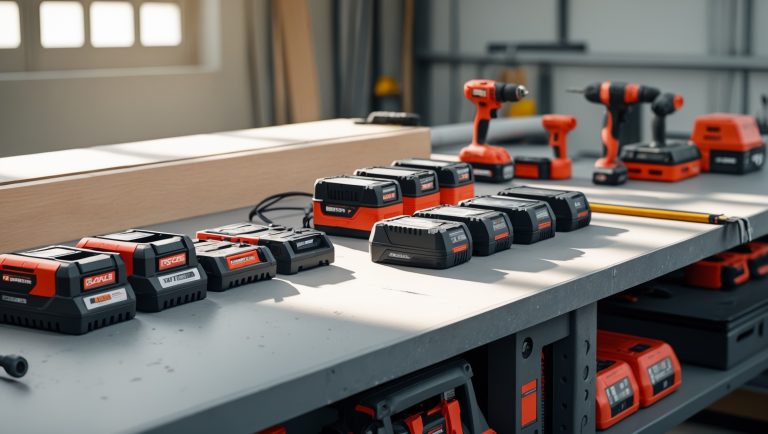
- Battery Checks: For cordless tools, use only manufacturer-approved batteries and chargers. Never use swollen or damaged batteries.
- Extension Cord Safety: Use heavy-duty, grounded cords rated for your tool’s amperage. Keep cords untangled and away from cutting zones.
- Test Run: Briefly run the tool unloaded to ensure smooth operation, with no odd noises or vibrations.
Step-by-Step: Using Power Tools Safely During Your DIY Project
1. Plan Each Cut or Action
Before powering on, visualize each step. Know where your hands, feet, and body will be in relation to the tool. Always plan an escape route for your hands and anticipate kickback zones.
2. Secure Your Workpiece
- Use clamps, vises, or bench dogs to immobilize materials—never hold workpieces by hand near blades or bits.
- Double-check stability before starting. Even minor movement can cause slips and accidents.
3. Maintain Focus and Control
- Keep both hands on the tool whenever possible.
- Never override built-in safety features or remove guards.
- Start and stop the tool away from your material to prevent accidental cuts or binding.
- Do not reach over operating blades or bits.
- Be especially cautious with tools prone to kickback (e.g., circular saws, angle grinders).
4. Take Breaks and Stay Alert
- Fatigue is a leading cause of errors. Take regular breaks to rest your eyes and hands.
- If you feel distracted or rushed, stop immediately. Never work under the influence of alcohol, drugs, or strong medications.
5. Keep the Area Clean and Organized
- Regularly sweep away dust and debris to prevent slips and reduce fire risk.
- Keep tools and cords organized to avoid accidental tripping or tangling during use.
After the Job: Safe Cleanup and Tool Storage
1. Power Down and Unplug
- Unplug corded tools or remove batteries before cleaning, adjusting, or changing accessories.
- Let hot parts cool before handling or storage.
2. Clean and Inspect Tools
- Remove dust and debris from vents, blades, and moving parts with a dry brush or compressed air.
- Wipe surfaces with a lightly dampened cloth. Avoid soaking or spraying liquids directly onto the tool.
- Inspect for wear or damage after each use, and set aside any tool needing repair.
3. Store Properly
- Return tools to their cases or designated storage areas—preferably off the floor and away from moisture or direct sunlight.
- Hang cords or hoses loosely to prevent kinks or cracks.
- Store batteries at room temperature, away from extreme heat or cold.
Special Considerations: Kids, Pets, and Visitors in the Home
Home environments pose unique safety challenges. Children and pets are naturally curious and might wander into your workspace. Visitors may be unaware of hazards. Here’s how to safeguard everyone:
- Physical Barriers: Use baby gates, closed doors, or temporary barriers to keep kids and pets out of the work area.
- Tool Security: Never leave power tools plugged in and unattended, even for a minute.
- Education: Teach family members about tool dangers and safe distances.
- Emergency Plan: Keep a first aid kit and fire extinguisher accessible. Know the fastest route to medical help.
Checklist Recap: Your Pre-Use Power Tool Safety Routine
- Workspace is clear, dry, well-lit, and ventilated.
- PPE is on: eyes, ears, hands, lungs, and feet are protected.
- Tool and accessories inspected for damage and proper setup.
- Workpiece clamped or stabilized.
- Extension cords and batteries are safe and suitable.
- Distractions minimized; children and pets kept away.
- Emergency supplies (first aid, fire extinguisher) are ready.
Power Tool Safety Myths That Can Get You Hurt
- “I’m only making a quick cut—no need for goggles.” Even the shortest jobs can cause permanent eye damage from flying debris.
- “I’ve done this a hundred times. I don’t need to check my tools.” Wear and tear accumulate silently—regular inspections catch problems before they cause accidents.
- “Gloves are always safe.” Some power tools (like table saws) can actually grab gloves and pull your hand in—know when to wear them and when not to.
Maintenance Best Practices: Keeping Tools Safe for the Long Haul
Safe tool use doesn’t end when the job is done. Maintenance is essential for both safety and longevity.
- Regular Lubrication: Keep moving parts oiled per manufacturer recommendations.
- Blade and Bit Care: Sharpen or replace as soon as performance drops.
- Battery Care: Avoid overcharging; store batteries partially charged if not used frequently.
- Annual Pro Inspections: For high-use tools, consider an annual checkup by a certified repair shop.
Conclusion: Make Safety a Habit, Not a Hassle
Power tool safety doesn’t have to feel like a chore. By integrating these checklist steps into your regular DIY routine, you’re not only protecting yourself but also ensuring that your tools last longer and your projects go more smoothly. A few extra minutes spent checking your workspace, prepping your gear, and securing your materials will pay off in peace of mind and project quality. Remember, accidents happen most often when we’re tired, distracted, or overconfident—three things that a solid safety routine helps prevent.
Every successful home project starts with preparation and ends with satisfaction. Safety is the bridge between the two. So, before you squeeze that trigger or fire up your next saw, take a deep breath, review your checklist, and make safety your first tool out of the box. Your family, your fingers, and your future projects will thank you.



I’m just getting started with power tools, and the article mentions electric shock hazards, especially from damaged cords or damp environments. How do I know if my garage is safe from these risks, and are there specific signs I should check for before plugging in any tools?
To ensure your garage is safe, check that all power outlets and cords are free of cracks, frays, or exposed wires. Make sure your workspace is dry—avoid using tools if the floor or surfaces are damp. Also, look for ground fault circuit interrupter (GFCI) outlets, which help prevent electric shock. If you notice any buzzing, flickering, or burning smells from outlets, avoid using them and have them inspected by a professional.
I’m new to using power tools and still setting up my workspace. Could you share a simple pre-project safety routine from your checklist that covers the most critical steps for avoiding injuries, especially for a beginner?
Absolutely, here’s a straightforward pre-project safety routine for beginners: 1) Always wear safety glasses and hearing protection. 2) Inspect your tools for damage or missing parts before use. 3) Keep your workspace tidy, with no tripping hazards. 4) Confirm all tool guards are in place and working. 5) Double-check that your tools are unplugged when changing bits or blades. Following these steps will help you stay safe as you get started.
You talked about the dangers of dust and fumes from materials like wood and adhesives. For someone doing small weekend projects, is a basic dust mask enough protection, or should I be investing in more advanced respiratory gear?
For small weekend projects with minimal dust and fumes, a basic dust mask can offer some protection, especially if you’re just sanding wood. However, if you’re working with adhesives, paints, or materials that release stronger fumes, a respirator with filters rated for organic vapors and particulates is a safer choice. Always check the labels on your materials and follow their safety recommendations to ensure the best protection.
For someone just starting out with power tools, how often should I be inspecting my equipment for things like frayed cords or dull blades? Is it something I should check every time before use, or is a weekly inspection enough for occasional DIY projects?
It’s best to do a quick inspection every time before you use your power tools, even if you only use them occasionally. Checking for frayed cords, loose parts, or dull blades each time helps catch problems early and keeps you safe. For tools that see frequent use, a more detailed weekly check is also a good idea.
You mentioned that electric shock is one of the risks, especially with damaged cords or damp environments. Do you have any tips on how to properly inspect and maintain extension cords or power strips to reduce this danger in a typical home workshop?
Inspect extension cords and power strips regularly for any visible damage like fraying, cuts, or cracked insulation. Make sure plugs are tight and not loose in their sockets. Keep cords away from wet areas and don’t overload power strips. Store them neatly to avoid kinks or tangling, which can stress the wires. If you notice any damage or if the cord feels hot during use, replace it right away for safety.
I noticed you mention fire hazards, but I’m not sure what steps to take to reduce that risk when using tools like sanders or saws. Is there specific advice you’d recommend for safely storing flammable materials or cords during a home project?
To reduce fire risks while using power tools like sanders or saws, always keep flammable materials such as paint, solvents, and rags away from your work area. Store them in tightly sealed containers, preferably in a cool, ventilated space. Make sure power cords are untangled and away from sharp edges, heat sources, and cutting paths. Also, unplug tools when not in use and regularly check that outlets and extension cords are in good condition.
I see the checklist covers risks like kickback and flying debris. For someone who only has basic safety gear at home, which personal protective equipment is absolutely essential to invest in for first-time DIYers, and are there any lower-cost options that still offer good protection?
For first-time DIYers, the most essential personal protective equipment includes safety glasses or goggles to protect your eyes from flying debris, sturdy work gloves for your hands, and hearing protection like earplugs. You don’t need to spend a lot—affordable, ANSI-rated safety glasses and foam earplugs are widely available and offer solid protection. Even basic dust masks can help if you’re working with wood or drywall to keep dust out of your lungs.
You mentioned that electric shock can occur due to improper grounding or damp environments. Could you clarify what specific steps a DIYer should take to check for proper grounding or to ensure a workspace is safe from moisture before starting a project?
To check for proper grounding, make sure your power tools have a three-pronged plug, and plug them into grounded outlets. You can use a simple outlet tester to confirm that your outlets are grounded correctly. For moisture safety, inspect your workspace for any visible water or dampness on floors, walls, or surfaces. Avoid using power tools in basements or garages with wet spots, and always dry any moisture before plugging in tools. Using a ground fault circuit interrupter (GFCI) outlet also adds an extra layer of protection.
You mention that damaged cords and improper grounding are major causes of electric shock with power tools. What’s the best way for a homeowner to check if their tool’s grounding is actually in good shape, especially with older equipment?
For older power tools, start by inspecting the plug: a properly grounded tool should have a three-prong plug. Make sure the ground prong (the round one) is intact and not loose. You can also use a simple plug-in outlet tester, available at hardware stores, to check if your outlets are properly grounded. If you notice any frayed cords or missing ground prongs, have the tool repaired by a professional before use.
I noticed the article mentions electrical hazards like damaged cords and damp environments. Do you have recommendations for affordable devices or testers that homeowners can use to quickly check if their outlets and cords are safe before starting a project?
Homeowners can use a simple outlet tester, which is an affordable handheld device that quickly checks if an outlet is wired correctly and grounded. For cords, a basic continuity tester or a multimeter helps check for breaks or faults. Both types of testers are commonly available at hardware stores and are easy to use, making them practical choices for safety checks before using any power tools.
When it comes to dealing with fine dust and fumes, are there specific types of masks or ventilation systems you recommend for a typical residential garage setup? I want to make sure I’m not missing something critical for long-term health.
For fine dust, a NIOSH-approved N95 or P100 respirator mask is a reliable choice, as it filters out small particles effectively. If your DIY projects generate fumes, such as from paints or solvents, consider a mask with organic vapor cartridges. For ventilation, a combination of a box fan blowing outward and an open window or door helps improve airflow. For frequent work, investing in a portable air filtration unit designed for garages can offer extra protection.