


Introduction: Why Ladder Safety Deserves Your Full Attention
Ladders are a staple in almost every DIYer’s toolkit, making everything from painting ceilings to changing light fixtures and cleaning gutters possible without calling in the pros. Yet, despite their ubiquity, ladders are also one of the leading sources of home improvement injuries. According to the U.S. Consumer Product Safety Commission, over 160,000 emergency room visits each year are attributed to ladder-related accidents at home. These mishaps are not just the result of risky jobs or faulty ladders—they often stem from overlooked safety basics, improper setup, and poor maintenance.
Whether you’re hanging holiday lights, accessing attic storage, or tackling a major renovation, understanding ladder safety is non-negotiable. This guide moves beyond generic warnings to deliver practical, actionable advice: what safety equipment is essential, how to spot and avoid setup hazards, the right way to maintain your ladders for longevity, and how to make smart choices for each DIY task. Following these best practices doesn’t just protect your health—it also streamlines your workflow, minimizes costly delays, and keeps your home projects on track.
Understanding Ladder Types and When to Use Them
Step Ladders
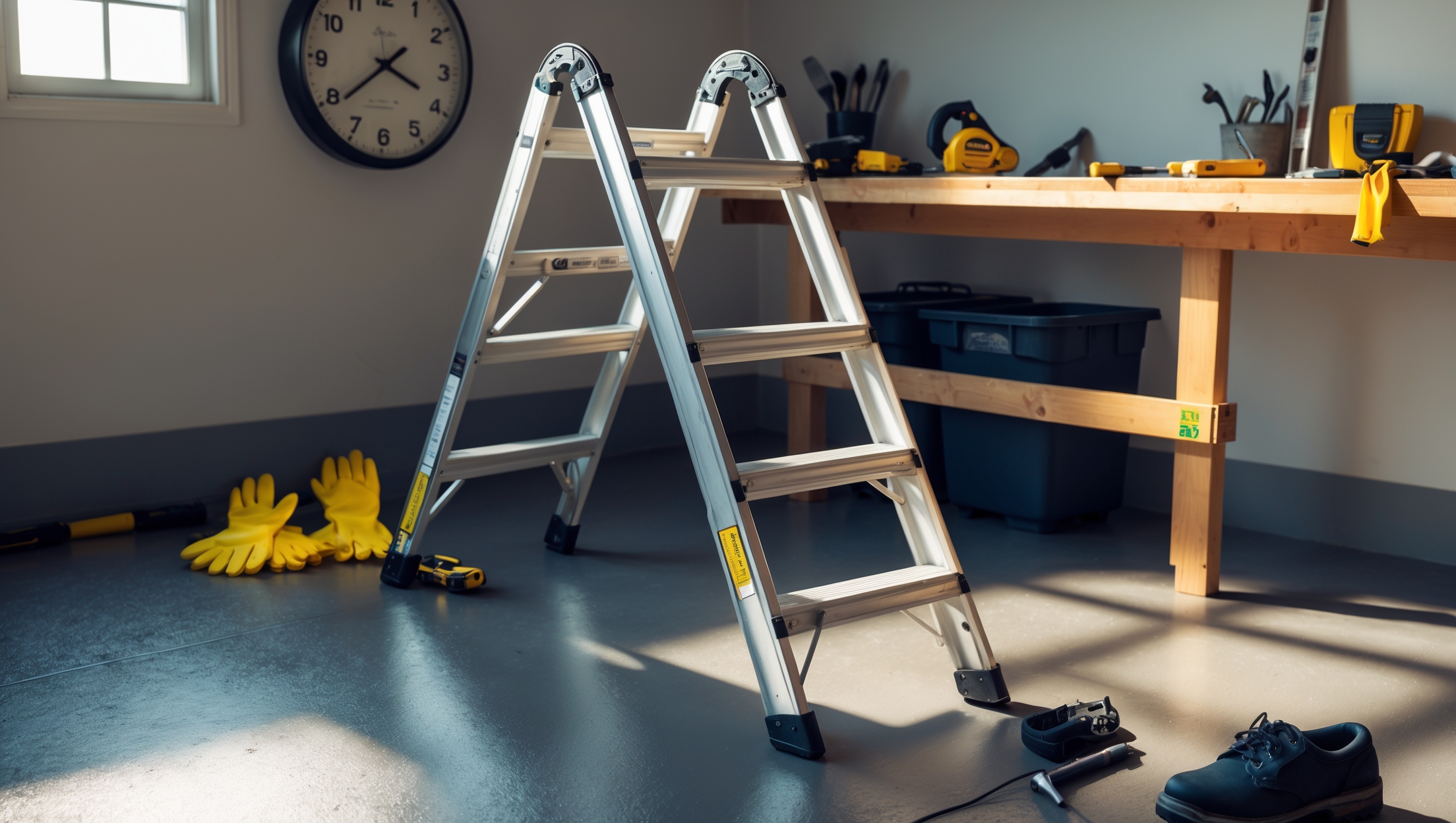
Step ladders are self-supporting, portable ladders with flat steps and a hinged design. They’re ideal for indoor tasks like painting, changing bulbs, or accessing high shelves. The wide base offers stability, but it’s crucial only to use them fully open and locked.
Extension Ladders
These ladders extend to reach higher points, making them suitable for outdoor tasks such as cleaning gutters, reaching rooftops, or trimming trees. Extension ladders must lean against a stable surface and require careful angle setup (more on this later).
Multi-Position Ladders
Versatile and adjustable, multi-position ladders can be configured as a step ladder, extension ladder, or scaffold. They’re best for DIYers who want one ladder for a variety of tasks, but they demand careful attention to locking mechanisms and setup instructions.
Specialty Ladders
Attic ladders, platform ladders, and telescoping ladders each serve unique purposes. Always choose the appropriate ladder for the job—never improvise with a too-short or unstable option.
Essential Ladder Safety Equipment
- Non-Slip Footwear: Wear shoes with rubber soles—avoid sandals or bare feet. Traction dramatically reduces slip risk on ladder rungs.
- Work Gloves: Protects your hands from sharp edges and offers a better grip, especially on aluminum ladders.
- Hard Hat: For outdoor or overhead work, a hard hat shields against falling tools or debris.
- Tool Belt or Tool Lanyard: Keeps hands free and prevents tools from falling. Never carry tools in your hands while climbing.
- Ladder Stabilizer: For extension ladders, stabilizers increase the contact area and reduce side-to-side movement—crucial near windows, gutters, or uneven surfaces.
- Ladder Leveler: Adjustable feet or add-on levelers help when working on slightly uneven ground.
- Non-slip Ladder Pads: Place under the ladder feet for extra grip on smooth or slippery floors.
Common Ladder Setup Hazards—and How to Avoid Them
Incorrect Angle (Extension Ladders)
The safest ladder angle is 75 degrees. The quick test: for every 4 feet of ladder height, the base should be 1 foot out from the wall. For example, a 12-foot ladder should have feet 3 feet from the wall. Too steep and the ladder may fall backward; too shallow and it may slide out.
Unstable or Uneven Surfaces
Never set up a ladder on loose gravel, wet grass, or uneven tiles. Use a ladder leveler or relocate to a firmer, level base. Always clear debris and dry the area before setup.
Improper Extension and Locking
For extension ladders, ensure both sections are fully locked and that the fly section (the extendable part) is on top, not underneath. Step ladders must be fully open with spreaders locked. Never climb a partially-opened ladder.
Electrical Hazards
Aluminum ladders conduct electricity. Always check for overhead wires before setup—especially outdoors. Use fiberglass ladders if working near electrical sources.
Top Step Misuse
The top cap and top rung of most ladders are not intended as standing platforms. Standing here reduces stability and increases fall risk. Only stand on steps/rungs designated by the ladder’s safety labels.
Overreaching
Never lean out to the side while on a ladder. Always descend and move the ladder to maintain your center of gravity between the rails. Overreaching is a leading cause of tip-overs.
Ladder Inspection and Maintenance: Best Practices
Pre-Use Inspection Checklist
- Check Rungs and Steps: Look for cracks, bends, or looseness. Damaged rungs can fail under weight.
- Inspect Rails: Examine for warping, corrosion (especially on metal ladders), or splintering (wooden ladders).
- Feet and Pads: Ensure feet are intact and pads provide adequate grip. Replace worn or missing pads.
- Locking Mechanisms: Test all locks, hinges, and spreaders to confirm they engage fully and stay secure.
- Cleanliness: Wipe away oil, paint, or mud. Slippery surfaces are hazardous even if the ladder is structurally sound.
Routine Maintenance Steps
- Clean After Use: Regularly remove dirt or chemical residues, especially if using the ladder outdoors or around paints/solvents.
- Lubricate Hinges: Apply a light, non-greasy lubricant to moving metal parts (hinges, locks) to keep them functioning smoothly.
- Store Properly: Keep ladders indoors or under cover to prevent weather damage. Hang ladders on wall brackets to avoid warping and keep them off damp floors.
- Address Rust Promptly: For steel or aluminum ladders, remove any rust with a wire brush and apply a rust inhibitor. Replace severely corroded ladders.
- Check Hardware: Tighten loose bolts, nuts, or rivets. If hardware is missing or damaged, replace it before next use.
When to Retire a Ladder
Never attempt to repair cracks in the rails, broken rungs, or bent structural parts. If a ladder shows signs of significant wear or damage, retire it immediately. Using a compromised ladder risks catastrophic failure.
DIY Ladder Safety: Step-by-Step Setup Guide
- Choose the Right Ladder: Match ladder type and height to the task. Never use furniture or makeshift platforms as substitutes.
- Inspect Thoroughly: Use the inspection checklist above before every use, not just after long periods in storage.
- Prepare the Area: Clear obstacles, dry wet spots, and ensure adequate lighting. Block off high-traffic areas if possible.
- Wear Safety Gear: Don non-slip shoes, gloves, and a hard hat as appropriate.
- Set Up on Level Ground: Position the ladder feet securely on a flat, dry surface. Use pads or levelers if needed.
- Lock Everything in Place: Fully open step ladders and lock spreaders. For extension ladders, ensure rung locks are fully engaged.
- Angle Properly (Extension Ladders): Use the 4-to-1 rule for angle. Test by standing with your toes touching the ladder’s feet—your arms should reach the rungs comfortably.
- Climb Safely: Always face the ladder, maintain three points of contact (two feet and one hand, or two hands and one foot), and keep your body between the rails.
- Never Overload: Respect the ladder’s weight rating, which includes your weight and any tools or materials.
- Move Ladder as Needed: If you can’t reach comfortably, climb down and reposition—never lean or stretch.
Budgeting for Ladder Purchases: What to Spend, What to Skip
Understanding Ladder Ratings
Every ladder is labeled with a “duty rating,” indicating its maximum safe load. For home DIY, a Type II (225 lbs.) or Type I (250 lbs.) ladder is sufficient for most users. Heavy-duty models (Type IA, 300 lbs.) are overkill unless you frequently carry heavy tools or work with a partner.
Material Choices: Aluminum vs. Fiberglass vs. Wood
- Aluminum: Lightweight, corrosion-resistant, affordable. Not safe near electrical hazards.
- Fiberglass: Heavier, more expensive, non-conductive—best for electrical work or outdoor use.
- Wood: Rarely used today; can splinter or warp if not maintained properly.
Cost Breakdown
- Basic Step Ladder (6 ft, Aluminum): $40–$70
- Extension Ladder (20–24 ft, Aluminum): $100–$200
- Fiberglass Step Ladder (6 ft): $80–$140
- Multi-Position Ladder (up to 22 ft): $130–$250
- Stabilizer/Leveler Add-ons: $20–$50
Don’t skimp on safety features—integrated levelers, slip-resistant feet, and easy-to-use locks are worth the investment. Avoid bargain-bin ladders with questionable build quality or missing certifications (look for ANSI or OSHA compliance).
Seasonal and Task-Specific Ladder Maintenance Tips
Spring and Summer
After winter storage, check for corrosion, stuck hinges, or rodent damage. Outdoor use may require more frequent cleaning, especially after painting or gutter work. Inspect after each use for mud or plant debris.
Fall
Before gutter cleaning or outdoor decorating, double-check feet for wear and ensure all hardware is rust-free. Wet leaves can make ladder feet slippery—clean the area thoroughly before setup.
Winter
Moisture and freezing temperatures can degrade ladder materials. Wipe ladders dry before storage, and never use a ladder on icy surfaces. For attic ladders, check the springs and hinges for stiffness and lubricate as needed.
Case Study: Averted Disaster with Proper Ladder Inspection
Consider this real-world example: A DIYer in Minnesota planned to clean second-story gutters using a 24-foot extension ladder stored in a damp garage corner. Before use, he noticed a faint wobble and, upon inspection, discovered a cracked rung and corroded feet pads. He replaced the ladder instead of risking the climb. The cracked rung would likely have failed under load, potentially causing a serious fall. This vigilance not only prevented injury but also highlighted the value of a ten-minute pre-check.
Debunking Common Ladder Myths
- “It’s fine to stand on the top step if you’re careful.”
Even experienced users lose balance on the top step. Never use it as a standing platform. - “Aluminum ladders are always best.”
Not if you’re working near electricity. Fiberglass is safer for any electrical task. - “Ladders don’t need regular maintenance.”
Neglected ladders are a top cause of accidents. Regular cleaning and inspection are essential. - “All ladders are created equal.”
Quality, weight rating, and features vary widely. Choose reputable brands and models with safety certifications.
Conclusion: Make Ladder Safety Your DIY Priority
Ladders make hundreds of home tasks possible, but they demand respect and care. By investing in the right ladder for each job, wearing appropriate safety gear, and following a disciplined setup and maintenance routine, you dramatically reduce your risk of injury—and protect the time and money you invest in your home.
Never treat ladder use as an afterthought or routine chore. Take the extra moments for a thorough setup, keep your working area clear, and inspect your ladder before every climb. Replace damaged ladders promptly, and don’t compromise by using makeshift platforms or ignoring weight ratings. Safety isn’t just about avoiding injury; it’s about ensuring your DIY projects are completed efficiently, confidently, and without interruption.
Remember, the right ladder habits are learned—not innate. Share these tips with family members and anyone else who might grab a ladder for a quick fix. A culture of ladder safety at home pays off for years to come, enabling you to tackle ever-bigger projects with peace of mind. Stay safe—and climb smart!


I noticed you highlight the risks of improper ladder setup. For someone working solo on tasks like hanging lights or cleaning gutters, what precautions or equipment would you recommend to minimize those setup hazards, especially if there’s no one to help stabilize the ladder?
When working alone, it’s important to use a ladder with slip-resistant feet and make sure the ground is firm and level before setting up. Consider a ladder stabilizer or standoff to prevent sideways movement, and always keep three points of contact when climbing. Never overreach—move the ladder as needed. Double-check that the ladder locks are secure each time you set it up to reduce the risk of shifting.
You mentioned that many accidents are due to overlooked safety basics and improper setup. Could you explain what the most common setup mistakes are, and how to make sure I’m not making them when using an extension ladder outdoors?
The most common setup mistakes with extension ladders outdoors include placing the ladder on uneven or slippery ground, not extending it far enough above the roofline, setting the wrong angle, and failing to secure the base. To avoid these, always place the feet on firm, level ground, extend the ladder at least three feet above the landing, use the 4:1 angle rule (one foot out for every four feet up), and secure both the top and bottom if possible.