





Introduction: Why DIY Home Weatherproofing Matters
Drafty windows, leaky doors, and poor insulation can lead to higher energy bills, uncomfortable rooms, and even moisture problems in your home. Weatherproofing is the process of sealing your home against air leaks and moisture intrusion, improving comfort and energy efficiency. While you might assume weatherproofing is a job for professionals, the truth is that most homeowners can tackle these tasks with straightforward tools and a bit of practical know-how. Not only does DIY weatherproofing save money, but it also empowers you to maintain and upgrade your home on your schedule, with tools you can use for years to come.
This in-depth guide walks you through the essential tools every DIYer needs for weatherproofing, common areas where drafts and leaks occur, and step-by-step instructions for sealing your home. You’ll also find a detailed cost breakdown, tips for choosing quality materials, and a maintenance checklist to ensure your efforts last. Whether you’re preparing for winter, trying to cut summer cooling costs, or just want a cozier home, these practical insights will help you achieve professional-level results—without the pro price tag.
Understanding the Basics of Home Weatherproofing
What Is Weatherproofing?
Weatherproofing involves sealing gaps, cracks, and openings in your home’s exterior envelope—windows, doors, walls, and attic spaces—to prevent unwanted air and moisture from getting in or out. It typically includes:
- Sealing window and door perimeters to block drafts
- Applying weatherstripping to movable joints
- Caulking stationary cracks and gaps
- Adding foam gaskets behind electrical outlets and switches
- Insulating attics, basements, and crawlspaces
Effective weatherproofing minimizes heat loss in winter and heat gain in summer, improving comfort and reducing your energy bills.
Common Areas Where Drafts and Leaks Occur
- Window frames and sashes
- Door frames, thresholds, and mail slots
- Baseboards and wall-floor joints
- Attic access hatches
- Plumbing and electrical penetrations
- Recessed lighting fixtures
- Vents and exhaust fans
Identifying these areas is the first step to a successful weatherproofing project.
Essential DIY Weatherproofing Tools and Materials
Tool Checklist
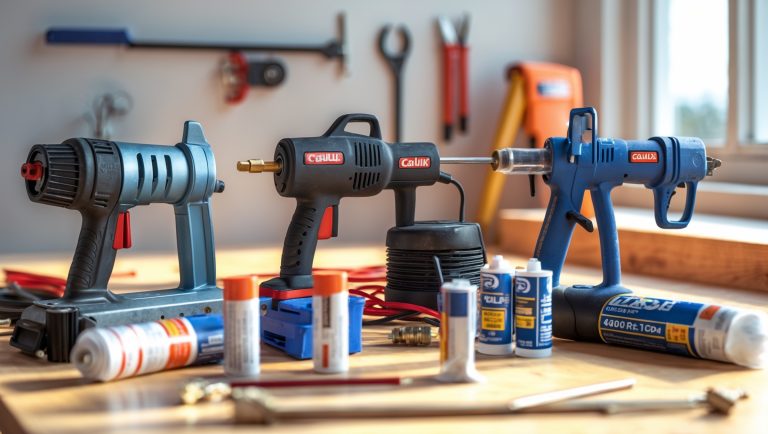
- Caulk Gun: For applying sealant to gaps and cracks. Look for a smooth, dripless action and a comfortable grip.
- Utility Knife: For trimming old caulk, weatherstripping, and foam insulation to size.
- Putty Knife/Scraper: To remove peeling paint, old sealants, or debris before applying new materials.
- Measuring Tape: Ensures accurate sizing of weatherstripping and insulation.
- Digital Infrared Thermometer or Thermal Leak Detector: Identifies temperature differences around windows and doors, pinpointing leaks you can’t see.
- Screwdriver Set: For removing outlet covers, door hardware, or trim if needed.
- Step Ladder: To reach higher windows, attic accesses, or ceiling fixtures safely.
- Gloves and Safety Glasses: Protect your hands and eyes when working with insulation or chemicals.
Materials Guide
- Caulk: Choose acrylic latex caulk for most indoor jobs; silicone or hybrid caulk is best for outdoor or high-moisture areas.
- Weatherstripping: Self-adhesive foam, V-strip, or felt for doors and windows. Each type suits different gaps and movement.
- Expanding Foam Sealant: For filling larger gaps around pipes, ducts, and rough openings.
- Foam Gaskets: Pre-cut for use behind outlet and switch plates to block wall drafts.
- Door Sweeps and Thresholds: Block air from entering beneath exterior doors.
- Spray Bottle with Soap Solution: For detecting air leaks (bubbles will form where air escapes).
Step-by-Step Weatherproofing: Sealing Windows
1. Inspect and Clean
Examine window frames both inside and out for visible gaps, cracks, or old, crumbling caulk. Use a putty knife to gently scrape away any loose material. Clean the area thoroughly with soap and water. Dry completely before proceeding.
2. Identify Leaks
- On a windy day, hold a lit incense stick or a smoke pen near window edges. Watch for smoke movement indicating a draft.
- Alternatively, use a thermal leak detector to spot temperature changes around the frame.
3. Apply Caulk
- Load your caulk gun with the appropriate sealant.
- Cut the nozzle at a 45-degree angle for a smooth bead.
- Run a steady bead of caulk along the joint where the window frame meets the wall, as well as any visible cracks.
- Smooth the caulk with a damp finger or caulk tool for a neat finish.
- Wipe away excess before it dries.
4. Install or Replace Weatherstripping
- Measure the perimeter of the window sash and cut weatherstripping to length.
- Peel off the adhesive backing and press firmly into place along the moving parts of the window.
- Check for smooth operation; adjust as necessary.
Step-by-Step Weatherproofing: Doors and Thresholds
1. Inspect Door Perimeters
Open and close each exterior door, feeling for drafts or visible light around the frame and under the threshold. Pay special attention to the bottom edge and corners.
2. Install Weatherstripping
- Choose a type that matches your door: adhesive foam for small gaps, V-strip for larger spaces, or tubular rubber for heavy doors.
- Clean the door jamb and measure the required lengths.
- Apply weatherstripping along the sides and top, pressing firmly for good adhesion.
3. Add or Replace Door Sweeps
- Measure the width of the door.
- Cut the sweep to size if necessary.
- Screw or adhere the sweep to the bottom of the door, ensuring it makes light contact with the threshold but doesn’t drag.
- Test the door to confirm smooth operation.
Sealing Electrical Outlets and Switches
Exterior walls often leak air through electrical boxes. Here’s how to fix it:
- Turn off the power to the outlets at the breaker panel.
- Remove cover plates with a screwdriver.
- Insert pre-cut foam gaskets over the outlets or switches.
- Replace cover plates and turn the power back on.
This simple step can make a surprising difference in draft reduction.
Using Expanding Foam for Large Gaps
Expanding foam sealant is ideal for larger holes and penetrations—such as those around plumbing, vents, or cable entries. To use safely:
- Wear gloves and safety glasses.
- Shake the can thoroughly, then insert the applicator nozzle into the gap.
- Apply a small amount—the foam expands quickly. Overfilling can create a mess or put pressure on surfaces.
- Allow to cure fully, then trim excess with a utility knife.
- Seal with paint or caulk if exposed to sunlight.
Weatherproofing Attic Access and Recessed Lighting
Sealing Attic Hatches
- Apply adhesive-backed foam weatherstripping around the hatch frame.
- If a significant gap remains, add an insulated cover or foam board on top of the hatch.
Recessed Lighting Fixtures
- Use approved insulation covers (“recessed can covers”) over attic fixtures to prevent heat loss and maintain fire safety.
- Seal gaps around fixture boxes with caulk or foam, taking care not to block ventilation or compromise electrical safety.
Cost Breakdown and Budgeting Tips
DIY weatherproofing is affordable, especially compared to professional service calls or unchecked energy loss. Here’s a sample cost breakdown for a typical three-bedroom home:
- Caulk (3–4 tubes): $10–$20
- Caulk gun: $8–$15 (reusable for future projects)
- Weatherstripping (multiple doors/windows): $20–$40
- Expanding foam (2 cans): $10–$15
- Foam outlet gaskets (pack of 10): $5–$10
- Door sweeps/thresholds (per door): $10–$25
- Thermal leak detector (optional): $25–$40
- Miscellaneous (utility knife, gloves, etc.): $10–$20
Total estimated cost: $75–$150 for most homes. Many tools are one-time purchases and will serve you well for future projects.
Maintenance Best Practices for Long-Lasting Results
- Inspect seals and weatherstripping every spring and fall. Replace or reapply as needed, particularly after extreme weather.
- Clean door and window tracks regularly. Dirt and debris can weaken adhesives and cause drafts to return.
- Test for air leaks annually. Use your thermal detector or the smoke/soap method to identify any new problem areas.
- Store leftover caulk and foam properly. Seal tubes tightly and store in a cool, dry place to maximize shelf life.
Safety Checklist for DIY Weatherproofing
- Always wear gloves and safety glasses when handling chemicals or insulation.
- Use ladders safely—ensure they are on stable ground and never overreach.
- Turn off power at the breaker before working on electrical outlets or switches.
- Allow caulk and foam to cure in well-ventilated areas.
- Dispose of empty sealant and foam cans according to local regulations.
Choosing Quality Tools and Materials: Practical Tips
- Select name-brand caulk and foam for better durability and adhesion. Cheap products may crack, shrink, or peel sooner.
- Invest in a mid-range caulk gun with a dripless feature. It delivers smoother results and wastes less material.
- Buy weatherstripping in bulk if you have many windows and doors. It’s more cost-effective and ensures consistency.
- Check packaging for temperature ratings. Some products are not suitable for extreme cold or heat.
- Read online reviews or consult in-store experts if unsure about compatibility.
Beyond the Basics: Advanced DIY Weatherproofing Upgrades
- Add storm window film kits during winter for extra insulation. These plastic films are easy to install and remove seasonally.
- Install automatic door bottoms for frequent-use doors. They drop a seal into place when the door closes, maximizing efficiency.
- Upgrade to smart thermostats. While not weatherproofing per se, these devices can optimize your heating/cooling system based on your home’s improved efficiency.
Conclusion: Small Steps, Big Impact
DIY home weatherproofing isn’t just about saving a few dollars on your energy bill—it’s about taking control of your living environment, improving comfort, and extending the lifespan of your home’s structure and systems. With a modest investment in quality tools and materials, you can tackle drafts, leaks, and insulation gaps in a matter of hours, reaping benefits for years to come. The step-by-step methods and checklists provided in this guide make it easy to identify trouble spots, choose the right solutions, and apply them successfully, even if you’re new to home maintenance.
Remember, weatherproofing is not a one-time fix—regular inspection and maintenance will ensure your efforts last and adapt to changing conditions. By building a basic toolkit and following the practical strategies outlined above, you’ll not only cut your energy costs but also enhance your home’s value and everyday livability. Don’t let drafts and leaks stand between you and a comfortable, efficient home. Start your DIY weatherproofing journey today and enjoy the peace of mind that comes with a job well done.


I saw the guide includes a detailed cost breakdown for weatherproofing materials. Is there a particular tool or material where spending a bit more really makes a difference in performance or durability?
Yes, investing a little extra in high-quality weatherstripping and caulk can make a noticeable difference. Durable weatherstripping made from silicone or heavy-duty rubber tends to last longer and seals better than cheaper foam options. Similarly, premium caulks—especially those labeled as silicone or hybrid—are more flexible and weather-resistant, reducing the need for frequent reapplication.
When adding weatherstripping to doors and windows, is there a recommended type or material that works best for older homes with uneven surfaces? I want to make sure I choose something that will last and actually seal the gaps.
For older homes with uneven surfaces, foam tape or EPDM rubber weatherstripping is often the best choice. These materials are flexible, can compress to fill irregular gaps, and provide a durable seal. Look for adhesive-backed options that are easy to install and rated for long-term use. If the gaps are especially large or irregular, consider using a combination of rope caulk and foam tape to ensure a tight seal.
If I’ve already added caulking and foam gaskets in previous years but still notice some drafts, what’s the next step you’d recommend before considering professional help? I’m especially having trouble around the basement door area.
Since you’ve already used caulking and foam gaskets, the next step would be to check the weatherstripping around your basement door. Old or worn weatherstripping can easily let in drafts. Replacing it with new, high-quality weatherstripping can make a big difference. Also, inspect the threshold for gaps and consider installing a door sweep to seal the bottom. These steps often help before calling in a professional.
I noticed you include a detailed cost breakdown for weatherproofing. Could you share some tips on prioritizing which areas to seal first if I have a limited budget? I’d like to get the most energy savings up front before tackling the whole house.
To get the most energy savings on a limited budget, start by sealing the largest sources of drafts. Focus first on windows and exterior doors, especially if you feel noticeable cold air coming through. Next, check around attic hatches, electrical outlets on exterior walls, and any gaps around plumbing pipes. Addressing these high-impact spots first will give you the greatest return before you move on to less critical areas.
If I’ve already tried basic caulking and weatherstripping but my rooms still feel drafty, are there additional steps or tools you recommend from your guide for more stubborn leaks, especially around older window frames?
If caulking and weatherstripping haven’t fully solved the drafts, you might want to use expanding foam sealant for larger gaps around window frames, especially in older homes. Also, consider using window insulation film kits during colder months and installing thermal curtains for extra protection. For persistent leaks, a door sweep or draft stopper at the base of doors can help, and using a smoke pencil or incense stick can help you pinpoint the exact leak locations.
If I’m trying to seal windows and door frames before winter, about how many hours should I realistically set aside for a typical weekend DIY project like this?
For a typical weekend DIY project of sealing windows and door frames, you should set aside about 4 to 8 hours, depending on the number of windows and doors you have and your experience level. Older homes or more detailed work may take longer. It’s helpful to prep materials in advance and allow extra time for any unexpected issues.
You included a cost breakdown and tips for quality materials—can you recommend any specific budget-friendly weatherproofing tools for someone just getting started? I want to save on energy bills but keep initial expenses manageable.
For beginners on a budget, weatherstripping tape, foam door seal strips, and clear plastic window insulation kits are all affordable and easy to use. A basic caulk gun and silicone caulk are also inexpensive and great for sealing gaps around windows and doors. These tools should help you get started without a big investment while making a noticeable difference in energy savings.
The article lists adding foam gaskets behind electrical outlets and switches as a step for sealing drafts. Can you clarify how much of a difference this makes on utility bills for a typical small business office, or is it mainly effective in residential spaces?
Adding foam gaskets behind outlets and switches helps reduce drafts in both residential and small business settings, especially in older buildings with less insulation. While the savings on utility bills may be more noticeable in homes due to the volume of outlets and their placement, small offices can still benefit, particularly if drafts are felt near exterior walls. This step alone won’t drastically cut bills, but when combined with other weatherproofing measures, it helps create a more energy-efficient space.
If I’ve already sealed my doors and windows but still feel drafts near the floor in one room, could that be from the crawlspace or outlets? What’s the best way to check or address drafts in those less obvious spots?
Drafts near the floor can definitely come from crawlspaces or electrical outlets. To check, feel for cold air with your hand or use an incense stick to watch for smoke movement near baseboards, outlets, and floor edges. If you detect drafts at outlets, use foam outlet gaskets behind cover plates. For crawlspace drafts, inspect the floor for gaps and seal them with caulk or expanding foam. Ensuring the crawlspace itself is properly sealed and insulated can also help.
The guide talks about a detailed cost breakdown for weatherproofing tools and materials. As someone new to DIY, what would you say is a realistic budget for a small house, and is it worth investing in more expensive materials up front?
For a small house, a realistic budget for basic weatherproofing tools and materials usually ranges from $50 to $150, depending on what you need, like caulk, weatherstripping, and a caulking gun. Investing in higher-quality materials can be worthwhile since they tend to last longer and provide better insulation, which means fewer repairs and more energy savings over time. For most homes, spending a bit more upfront on quality products pays off in durability and efficiency.