



Introduction
The humble lawn mower is a cornerstone of home maintenance, yet it’s often neglected until the moment it sputters or refuses to start. Like any hardworking tool, your mower needs regular attention to perform at its best and avoid costly breakdowns. Seasonal lawn mower maintenance not only extends the life of your equipment but also ensures a clean, healthy cut for your lawn, reducing the risk of disease and unsightly patches. Whether you’re a first-time homeowner or a seasoned DIYer, mastering the right maintenance routine can save you time, money, and frustration throughout the year.
This in-depth guide will walk you through essential lawn mower upkeep for every season, from early spring tune-ups to winterization. We’ll review the must-have tools for each task, provide detailed checklists, and share troubleshooting steps for common DIY challenges. By the end, you’ll have a clear, practical strategy for keeping your mower running smoothly—no matter what the calendar (or your grass) throws your way.
Why Seasonal Lawn Mower Maintenance Matters
The Cost of Neglect
Skipping regular maintenance doesn’t just risk an uneven lawn—it can lead to expensive repairs, reduced mower lifespan, and even safety hazards. Common issues like clogged air filters, dull blades, and contaminated oil can strain the engine, cause hard starts, or lead to total failure. A poorly maintained mower also burns more fuel, pollutes more, and is less efficient overall.
Benefits of a Proactive Approach
- Longer equipment life—protect your investment
- Consistent, high-quality cut for a healthier lawn
- Lower risk of mid-season breakdowns
- Improved fuel efficiency and lower emissions
- Increased safety for you and your household
Essential Lawn Mower Maintenance Tools
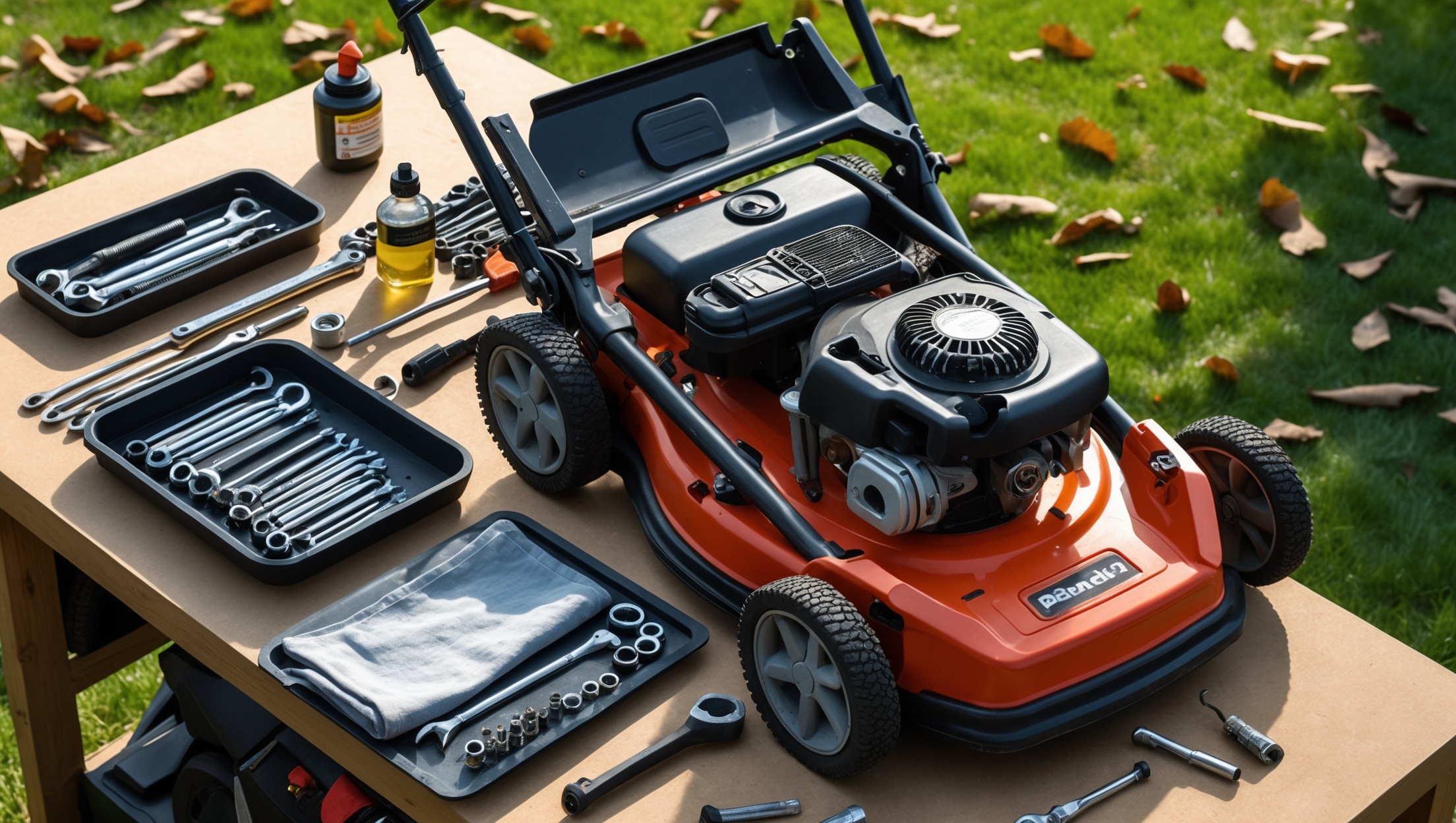
Before diving into the seasonal tasks, assemble a basic kit of tools and supplies. Having these on hand makes DIY upkeep faster and easier.
- Socket set and wrenches – For removing spark plugs, blade bolts, and engine covers
- Spark plug wrench – Easier access for plug changes
- Blade sharpening tool or file – Manual or electric, for keeping blades razor-sharp
- Oil drain pan – To catch and dispose of old oil safely
- Oil funnel – Prevents spills during refills
- Fuel siphon or turkey baster – For draining stale gas
- Air filter cleaner or replacement filters – For paper or foam styles
- Shop rag and brush – For cleaning deck and engine
- Work gloves and safety goggles – Essential for blade work
- Replacement spark plug, oil, and fuel stabilizer – Keep spares for quick swaps
Spring Lawn Mower Preparation Checklist
After a long winter, your mower needs a thorough check before its first use. Follow these steps to ensure a smooth start to mowing season.
1. Inspect and Replace the Spark Plug
- Remove the spark plug wire for safety.
- Use a spark plug wrench to remove the old plug.
- Inspect for deposits or corrosion.
- Replace if worn or as recommended by the manufacturer.
- Reattach the wire securely.
2. Change the Oil
- Run the mower for a minute to warm up old oil (helps it drain).
- Disconnect the spark plug wire.
- Tip the mower (carburetor side up) and drain oil into a pan.
- Refill with fresh oil of the correct grade.
- Check for leaks.
3. Clean or Replace the Air Filter
- Foam filters: Wash with soapy water, dry, then oil lightly.
- Pleated paper filters: Tap gently to remove debris or replace if heavily soiled.
4. Sharpen and Balance the Blade
- Remove the blade (wear gloves).
- Secure in a vice and sharpen both edges with a file or grinder.
- Check balance by hanging it on a nail—grind down the heavier side if needed.
- Reinstall tightly.
5. Inspect Fuel System
- Drain any old fuel from the tank and carburetor.
- Refill with fresh gasoline (use a fuel stabilizer if you mow infrequently).
- Check fuel lines for cracks or leaks.
6. Clean the Deck and Undercarriage
- Scrape off built-up grass and debris using a putty knife.
- Rinse and dry thoroughly to prevent rust.
7. Lubricate Moving Parts
- Apply a few drops of oil to wheel bearings, height adjusters, and control cables.
Summer Maintenance: Keeping Performance High
During peak mowing season, your mower is under its greatest stress. Regular mid-season checks can prevent annoying surprises and keep your lawn looking its best.
Monthly Maintenance Tasks
- Check and top off engine oil – Never let it run low.
- Inspect air filter – Clean or replace if dirty.
- Clean under the deck – Remove stuck grass after every few uses.
- Sharpen blade – Touch up every 4–6 weeks for optimal cutting.
- Inspect wheels and adjusters – Ensure proper height and smooth movement.
Quick Troubleshooting for Common Summer Issues
- Hard starts: Check spark plug connection and air filter; ensure fresh fuel.
- Uneven cutting: Sharpen or replace the blade; check for bent crankshaft.
- Excessive vibration: Blade may be unbalanced or installed backward.
- Smoking engine: Too much oil, clogged air filter, or oil spill on the engine.
Autumn Maintenance: Prepping for Storage
As mowing frequency drops, it’s time to prepare your mower for winter storage. Proper autumn maintenance prevents corrosion, fuel problems, and springtime headaches.
End-of-Season Checklist
- Run engine until fuel tank is empty or add a stabilizer to a full tank and run for 5 minutes.
- Change oil – Prevents acidic buildup over winter.
- Remove and clean blade – Sharpen before next season, coat lightly with oil to prevent rust.
- Remove spark plug – Add a few drops of oil into the cylinder, pull cord gently to distribute, then reinstall.
- Clean mower thoroughly – Remove all grass, dirt, and debris from deck and engine area.
- Store in a dry, covered location – Avoid direct contact with concrete floors; use a tarp or platform.
Battery-Powered Mowers: Special Considerations
- Remove battery and store indoors in a cool, dry place.
- Charge to 50-70% if storing long-term (check manufacturer advice).
DIY Troubleshooting: When Your Mower Won’t Cooperate
Even with careful maintenance, issues can pop up. Here are step-by-step solutions for the most common DIY lawn mower problems.
1. Mower Won’t Start
- Check for spark: Remove plug, ground to metal, pull cord—look for spark.
- No spark? Replace plug and check ignition wire.
- Check fuel: Old or contaminated gas won’t ignite—drain and refill.
- Check air filter: Replace if clogged.
2. Engine Runs Rough or Stalls
- Clean carburetor: Use carb cleaner spray.
- Inspect and replace air filter.
- Check for water in fuel tank—drain if present.
3. Loss of Power or Poor Cut Quality
- Sharpen or replace blade.
- Clear grass buildup under deck.
- Check and replace spark plug if fouled.
4. Excessive Vibration or Noise
- Inspect blade for bends, cracks, or improper installation.
- Tighten all bolts and fasteners.
- Check wheels and axles for wear.
5. Smoking or Overheating
- Clean cooling fins and engine shroud.
- Check oil level and type.
- Inspect for oil leaks onto hot parts.
Safety Checklist: Protect Yourself and Your Equipment
- Always disconnect the spark plug before any blade or engine work.
- Wear gloves and eye protection when handling sharp or moving parts.
- Allow the engine to cool before maintenance.
- Never tip the mower with the carburetor or air filter facing down.
- Dispose of old oil, fuel, and blades at approved recycling centers.
Advanced Tips: Saving Time and Maximizing Results
- Keep a dedicated mower maintenance log—track dates, tasks, and any issues for future reference.
- Stock up on common replacement parts (filters, plugs, oil) at the start of each season to avoid store delays.
- Invest in a blade balancer for smoother cuts and less engine wear.
- Consider a torque wrench for precise bolt tightening, especially on blade bolts.
- Label gas cans for “mower only” to prevent cross-contamination with mixed fuels or old gas.
Conclusion
Seasonal lawn mower maintenance isn’t just about preventing breakdowns—it’s about taking pride in your tools and the results they deliver. By following these detailed checklists and using the right tools, you’ll enjoy a smoother, safer mowing experience and a healthier, more attractive lawn. Regular upkeep saves you money, extends your mower’s life, and ensures that when the grass starts growing, you’re ready to tackle it with confidence.
Remember, even a few hours of preventative care each year can mean years of reliable service from your mower. Keep your maintenance kit handy, schedule routine inspections, and don’t hesitate to troubleshoot small issues before they become big problems. With the knowledge and strategies from this guide, you’ll be equipped to handle every season—and every mowing challenge—that comes your way.
Ready to upgrade your toolkit or take your maintenance skills to the next level? Explore our in-depth tool reviews and DIY guides for more tips on keeping your home equipment running at its best.