

Introduction: Why Install a Home Water Softener Yourself?
Hard water is a persistent challenge in many households, leading to scale buildup in pipes, reduced efficiency of appliances, spotted dishes, and even dry skin and hair. While professional installation of water softener systems is common, many homeowners are opting for the DIY route to save money and gain the satisfaction of hands-on improvement. But this project goes beyond simply plugging in a device—choosing the correct system, understanding your plumbing, using the right tools, and following a methodical process are essential for a successful, leak-free installation. This in-depth guide walks you through every step of installing a whole-home water softener system, from selecting the right model and budgeting for the project to assembling your toolkit, executing each stage safely, and maintaining your investment for years to come. Whether you’re a seasoned DIYer or tackling your first major plumbing project, you’ll find actionable insights, equipment recommendations, and practical troubleshooting tips to ensure your water softener setup simplifies home maintenance and upgrades your quality of life.
Understanding Water Softeners: Types, Benefits, and How They Work
What Is Hard Water and Why Does It Matter?
Hard water contains high concentrations of dissolved minerals, primarily calcium and magnesium. Over time, these minerals accumulate in plumbing, water heaters, and appliances, causing clogs, reducing efficiency, and shortening equipment lifespan. Hard water also makes soaps less effective, leaving laundry dull and skin feeling dry.
How Water Softeners Work
Water softeners use an ion exchange process: as hard water passes through a resin bed inside the system, calcium and magnesium ions are swapped for sodium (or potassium) ions, resulting in “soft” water that’s gentler on pipes, appliances, and your body. Most home systems are salt-based, though salt-free conditioners are also available for specific needs.
Main Types of Home Water Softeners
- SALT-BASED (ION EXCHANGE): Most effective for significant hardness. Requires regular refilling of salt pellets.
- SALT-FREE (CONDITIONERS): Use alternative processes to reduce scale, but don’t remove hardness minerals. Easiest to maintain but less effective in very hard water areas.
- DUAL-TANK SYSTEMS: Ideal for larger homes or continuous use, as one tank regenerates while the other operates.
Pre-Installation Planning: Choosing the Right System and Location
How to Measure Your Home’s Water Hardness
Before purchasing a system, determine your water’s hardness. Use a test strip kit (available at hardware stores) or contact your municipal water provider for a report. Hardness is measured in grains per gallon (GPG) or milligrams per liter (mg/L). Most water softeners list capacity by the number of grains they can remove before regeneration is needed.
Calculating the Correct System Size
- Estimate daily water usage: Multiply the number of people in your home by 70 gallons (the average per-person daily use).
- Multiply by water hardness: Multiply your daily usage by your measured hardness (in GPG).
- Select a softener: Choose a system rated for your total weekly needs (daily grains x 7), ensuring it can handle regeneration cycles without frequent refilling.
Picking the Best Location
Install the softener as close as possible to where the main water line enters your home, but after the pressure tank (if you use a well) and before the water heater. The location should be:
- Accessible for maintenance and salt refilling
- Near a drain (for discharge water)
- Close to a standard electrical outlet (for most models)
- Protected from freezing temperatures
Cost Breakdown: Budgeting for DIY Installation
Equipment and Material Costs
- Water softener unit: $400–$1,500 (basic to advanced models)
- Plumbing materials (pipes, fittings, shut-off valves): $40–$150
- Drain tubing and clamps: $10–$30
- Bypass valve (if not included): $30–$60
- Salt (first fill): $10–$30
- Optional sediment pre-filter: $20–$50
Tools to Budget For (if you don’t already own them)
- Pipe cutter ($15–$40)
- Adjustable wrench or channel-lock pliers ($15–$30)
- PTFE (plumber’s) tape ($3–$6)
- Pipe wrench ($20–$40, for galvanized pipes)
- Drill and bits (for mounting, $30–$100 if needed)
- Level ($10–$20)
- Bucket and towels (for catching water, $5–$10)
Time Investment
Expect 4–8 hours for a typical installation, depending on your plumbing layout and whether you need to move existing pipes or add shut-off valves.
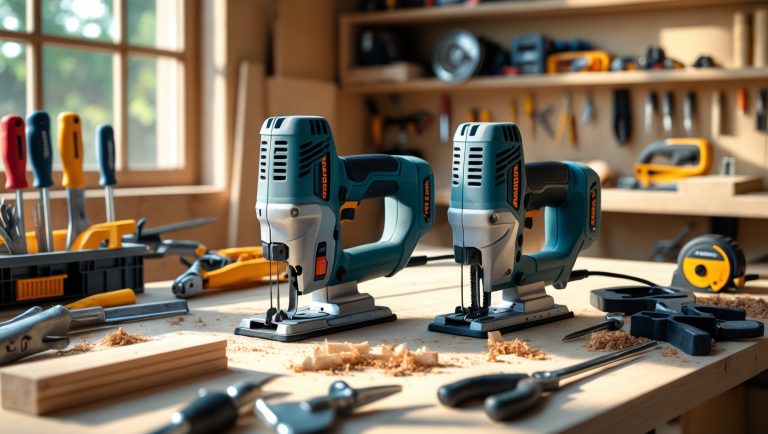
Essential Tools and Materials: What You Really Need
- Water softener system (with bypass valve, if possible)
- Flexible supply hoses or copper/PVC/PEX piping (to match your home’s plumbing)
- Pipe cutter (appropriate for your pipe type)
- Adjustable wrench and channel-lock pliers
- PTFE tape (to seal threaded connections)
- Pipe wrenches (if working with metal pipes)
- Drill and wall anchors (mounting system or pre-filter)
- Drain hose and clamps
- Bucket, towels, and safety glasses
- Level (to ensure system is straight)
- Marker or chalk (for marking cuts and mounting points)
- Sediment pre-filter (recommended for well water or sediment-prone municipal lines)
Step-by-Step DIY Installation Guide
1. Shut Off Water Supply and Prepare the Area
- Turn off the main water supply at the shut-off valve.
- Open the lowest faucet in your home to drain water from the pipes.
- Lay down towels and place a bucket under the area where you’ll cut the main line.
2. Cut and Prepare the Main Water Line
- Mark the section of pipe where you’ll install the softener’s inlet and outlet connections—usually just after the main shut-off valve and before the water heater.
- Use a pipe cutter to make clean cuts. Have towels ready to catch any remaining water.
- Deburr and clean pipe ends. Test-fit the system and mark mounting points.
3. Install Bypass Valve and Connect Fittings
- If your system includes a bypass valve, attach it to the softener. This allows you to divert water around the softener for maintenance.
- Connect flexible hoses or new piping to the inlet and outlet. Use PTFE tape on all threaded connections to prevent leaks.
- Secure all fittings snugly but avoid over-tightening, which can crack plastic parts.
4. Connect the Drain Line
- Attach the provided drain hose to the softener’s drain port. Secure with hose clamps.
- Route the hose to a nearby utility sink, floor drain, or standpipe. The end must be at least 1.5 inches above the drain opening to prevent backflow.
- Use tubing supports or ties to keep the drain line in place and avoid kinking.
5. Connect the Overflow Tube (if applicable)
- Some brine tanks have an overflow outlet. Attach the overflow tube and route it to a separate drain as a safeguard against overfilling.
6. Install Sediment Pre-Filter (Recommended)
- If using a pre-filter, install it before the water softener, following the manufacturer’s instructions. This protects the resin bed from clogging with debris or sand.
7. Mount the System and Finalize Connections
- Use a level to ensure the system stands straight and is securely anchored.
- Double-check all connections and fittings for tightness.
8. Add Salt and Start Up the System
- Add water softener salt to the brine tank up to the recommended level.
- Plug in the system (if required) and follow the manufacturer’s programming instructions for initial setup and regeneration.
- Slowly turn the main water supply back on. Open a cold-water faucet to relieve air in the lines.
- Check for leaks at every connection. Tighten as needed.
Common DIY Mistakes and How to Avoid Them
- Incorrect pipe sizing: Double-check that your fittings and hoses match your home’s pipe diameter to avoid pressure issues.
- Skipping PTFE tape: Always use plumber’s tape on threaded connections to prevent leaks.
- Poor drain line routing: Avoid kinks, sharp bends, or submerging the hose end, which can cause backflow and system damage.
- Forgetting the bypass valve: Without a bypass, you’ll have to shut off your whole water supply for softener maintenance or repairs.
- Over-tightening plastic fittings: Hand-tight plus a quarter turn is usually enough—over-tightening can crack plastic threads.
- Not flushing the system: Always run a full regeneration cycle and flush faucets after installation to clear any debris or resin beads.
Maintenance Best Practices: Keeping Your Softener Running Smoothly
Salt Replenishment Schedule
Check salt levels monthly and top up as needed—never let the brine tank run empty. For most homes, refilling every 1–2 months is typical, but heavy water use may require more frequent attention.
Cleaning the Brine Tank
- Once a year, empty the brine tank, scrub the interior with soapy water, and rinse thoroughly before refilling with salt.
- Check for and break up any salt bridges (hardened crusts) that can prevent proper operation.
Replacing Pre-Filters
- Replace sediment pre-filters every 3–6 months, or according to the manufacturer’s instructions, to protect the resin bed and maintain flow rate.
System Regeneration and Routine Checks
- Monitor the system’s regeneration cycles and adjust for changes in water usage or hardness.
- Inspect connections and hoses for leaks during regular salt checks.
- Test softened water monthly to confirm the system is performing as expected.
Real-World Cost Example: DIY vs. Professional Installation
- DIY installation: $600–$1,300 (system plus tools and materials)
- Professional installation: $1,200–$2,500 (including labor and markup on equipment)
- Potential savings: $500–$1,200, plus valuable hands-on experience
Troubleshooting: Common Issues After Installation
- Low water pressure: Check for clogged pre-filters or incorrect pipe sizing.
- Salt bridging: Break up crusts in the brine tank with a broom handle or similar tool.
- Water still hard: Verify system programming, regeneration settings, and test water for correct operation.
- Leaks at fittings: Re-tighten or re-seal connections with PTFE tape. Replace worn washers as needed.
Conclusion: Simplifying Home Water Quality with DIY Expertise
Installing a home water softener is a practical project that offers real returns—protecting your appliances, extending the lifespan of your plumbing, and improving your family’s comfort. While the process may seem intimidating, careful planning, the right tools, and a step-by-step approach can make it an accessible upgrade for motivated DIYers. By understanding your water’s hardness, choosing the correct system size, and following best practices for installation and maintenance, you can ensure reliable, leak-free performance for years. The cost savings over professional installation are significant, and the skills you develop will serve you well for future home projects. Remember: take your time, double-check your work, and don’t hesitate to consult your system’s manual or reach out to the manufacturer’s customer support if you hit a snag. With your new water softener in place, you’ll notice cleaner dishes, softer laundry, and less scale on fixtures—clear signs that your investment is paying off every day. Embrace the DIY spirit, and enjoy the lasting benefits of improved water quality in your home.


If I go with a salt-free conditioner instead of a salt-based softener, are there any differences in the installation steps or the long-term maintenance I should be aware of? I want to make sure I’m not overlooking something important.
Choosing a salt-free conditioner generally makes installation a bit easier, since you won’t need a drain connection or an electrical outlet, unlike most salt-based softeners. Long-term maintenance is usually simpler as well—there’s no need to add salt or clean brine tanks. However, you’ll still need to replace the media cartridge as recommended. Always check your model’s manual for specifics.
I’m interested in doing this myself, but I’m a bit worried about accidentally causing leaks when connecting the water softener to my existing pipes. Does the guide cover the type of fittings or connectors that are best for avoiding leaks in older homes?
Yes, the guide discusses different types of fittings, including flexible connectors and compression fittings, which are often recommended for older homes to reduce the risk of leaks. It also covers tips on ensuring tight, secure connections and checking for leaks once installed. If your existing pipes are especially old or corroded, the guide suggests considering professional advice before proceeding.
I noticed the article discusses both salt-based and salt-free water softener systems. For someone with sensitive skin, is one type generally recommended over the other, or does it mostly depend on local water hardness levels?
For sensitive skin, salt-based water softeners are often preferred because they remove hard minerals like calcium and magnesium, which can cause dryness and irritation. Salt-free systems mainly prevent scale buildup but don’t actually soften the water, so may be less effective for skin concerns. However, your local water hardness still plays a role in the final decision, so testing your water can help determine which system will work best for your needs.
You mentioned both salt-based and salt-free water softeners—can you explain a bit more about when you might choose one over the other? Are there certain situations or water conditions where a salt-free conditioner makes more sense for a home?
Salt-based softeners are best if you have very hard water and want to actually remove calcium and magnesium minerals, leaving softer water that’s easier on pipes and appliances. Salt-free conditioners don’t remove minerals—they prevent scale buildup, so they work well if your main concern is scaling rather than softness. If you’re on a sodium-restricted diet or want low maintenance, salt-free might make sense, especially in areas with mild to moderate hardness.
I see that regular maintenance is necessary to keep the water softener running smoothly. How much time should I expect to spend on upkeep each month, and are there any early signs of trouble I should watch out for after installing the system myself?
You can expect to spend about 10–20 minutes each month on water softener upkeep, mainly for checking salt levels and refilling the brine tank when needed. Watch for signs like hard water spots on dishes, soap not lathering well, or low water pressure, as these can indicate your system needs attention or troubleshooting. Regularly inspecting for salt bridges or buildup will also help catch issues early.
You mention both salt-based and salt-free water softener systems. For a household trying to minimize added sodium in their drinking water, how significant is the sodium increase from a typical salt-based unit, and would a salt-free conditioner actually help with mineral buildup the same way?
Salt-based softeners exchange calcium and magnesium ions for sodium, but the amount of added sodium is generally small—about 20-30 milligrams per 8-ounce glass, depending on your water hardness. For most people, that’s a minor contribution to daily sodium intake, but those on low-sodium diets may still want to avoid it. Salt-free conditioners don’t actually remove minerals; instead, they alter them so they don’t stick to pipes, reducing scale but not softening water in the traditional sense.
If I have older plumbing in my house, are there extra steps or precautions I should take during the installation process to avoid leaks or damage?
With older plumbing, it’s important to check pipes and fittings for corrosion or weakness before starting the installation. You might want to shut off the main water supply and drain the lines to reduce pressure. Use pipe joint compound or Teflon tape to ensure tight seals, and tighten fittings gently to avoid cracking older pipes. If you notice significant rust or damage, it could be wise to replace those sections or consult a plumber to prevent leaks.
You mention the importance of understanding your plumbing before starting. For someone with older galvanized pipes, are there special considerations or steps to avoid leaks during installation?
With older galvanized pipes, you’ll want to be cautious since they can be brittle and prone to corrosion. Before installation, check the pipes for rust or weak spots. Use two pipe wrenches to avoid twisting or cracking the pipes when disconnecting. Consider using thread sealant or Teflon tape on connections to help prevent leaks. If you notice significant corrosion, you might want to replace those sections with new piping during the water softener installation.
When choosing a water softener system for a DIY installation, are there specific models that are easier to install for beginners, or do most whole-home systems require similar skills and tools?
Some water softener systems are definitely more beginner-friendly than others. Cabinet-style units and those with quick-connect fittings are often easier for DIYers, as they typically require fewer plumbing modifications. Traditional two-tank systems usually need more plumbing skills and tools. Look for models that include detailed instructions and all necessary installation parts—many brands specifically label their systems as “DIY ready” or “easy install.”
I noticed the guide mentions salt-based and salt-free water softener systems. For someone living in an area with moderately hard water and limited basement space, is there a significant difference in installation complexity or ongoing maintenance between the two types?
The main difference is that salt-based systems are generally bulkier and require space for both the resin tank and a brine tank, plus regular salt refills and occasional cleaning. Salt-free systems are usually more compact, easier to install, and need less ongoing maintenance, as they don’t use salt or require regeneration cycles. For limited space and moderate hardness, a salt-free system may be more convenient.
For a first-time DIYer, how can I determine whether my existing plumbing configuration is compatible with a typical salt-based water softener setup before starting the installation process?
To check if your plumbing is compatible, locate your main water supply line and see if there’s space to cut into it before it branches to the water heater. You’ll also need a nearby drain and an electrical outlet for the softener. If you have copper, PEX, or PVC pipes, most standard softener kits can connect, but unusual piping or cramped spaces might need extra fittings or pro help.
You mention both salt-based and salt-free water conditioners. For a small business with staff using the water regularly, is there a downside to going with a salt-free system compared to a traditional salt-based softener?
For a small business, a salt-free conditioner reduces scale buildup but doesn’t actually soften the water or remove calcium and magnesium. This means hard water spots and buildup in appliances may still occur over time. Salt-based systems fully soften water, helping protect equipment and plumbing. If water quality for cleaning, appliances, or staff comfort is a priority, a salt-based softener is usually more effective, though it does require regular salt refills and some maintenance.
You mention budgeting for the project in the beginning—can you share a general cost breakdown for both the system itself and any installation materials? I’d like to make sure I have an accurate idea before I start.
For a home water softener system, the unit itself typically ranges from $400 to $2,500, depending on size and features. Installation materials, including piping, fittings, bypass valves, and tools, usually cost between $100 and $300. If you opt for professional installation, labor can add another $300 to $800. DIY installation can help you save on labor, but be sure to factor in any extra materials you might need.
I’m considering installing a whole-home water softener myself, but our plumbing is pretty old and has some odd angles. Does the guide cover how to work around unusual pipe layouts or what to watch out for in older homes?
The guide includes tips for dealing with older plumbing, such as checking pipe condition and being prepared for possible corrosion or non-standard fittings. While it covers adapting to tricky layouts and provides suggestions for flexible connections, it also notes that unusual angles or brittle pipes may require extra care, possibly even a plumber’s advice. Always turn off your water supply and double-check for leaks after installation.
If our home has older plumbing, are there extra steps or precautions we need to take during installation to avoid leaks or damage? The guide talks about a methodical process, but I’m worried about unexpected issues.
Older plumbing can be more prone to leaks or corrosion during installation, so it’s wise to take some extra precautions. Inspect all pipes and fittings for signs of rust or wear before starting. Use gentle pressure when tightening connections, and consider replacing any brittle sections or worn washers. It’s also a good idea to have plumber’s tape and spare fittings on hand, and to turn the water back on slowly to check for any leaks.
We have pretty hard water in our area, so I’m interested in installing a softener myself to help with appliance lifespan. Can you clarify how to determine if my existing plumbing is compatible before I commit to buying a system?
To check if your plumbing is compatible, look for a main water supply line that’s accessible, ideally near where the water enters your home and before the line splits to your water heater. Confirm there is enough space for the softener unit and that you have access to a nearby electrical outlet and a drain for discharge water. If your pipes are copper, PEX, or PVC, most softeners can be installed, but you may need specific adapters. If in doubt, take photos and consult a local plumber for a quick assessment.
I’m new to plumbing projects and I noticed you mentioned the importance of having the right tools for a leak-free installation. Could you list the specific tools I absolutely need to buy, versus ones that are just nice to have for this project?
For a basic water softener installation, you’ll definitely need an adjustable wrench, pipe cutter, Teflon tape, a level, and pliers. These are essential for secure connections and cutting pipes. Nice-to-have extras include a pipe deburring tool, tubing bender, and a bucket for catching water—these make the job smoother but aren’t strictly necessary if you’re on a budget.
Can you give a ballpark idea of how much I should budget for all the tools and materials, in addition to the water softener itself? I want to make sure there are no surprise expenses as I plan this out.
For most DIY water softener installations, you can expect to spend an additional $100 to $300 on tools and materials beyond the cost of the softener itself. This includes plumbing fittings, pipes, connectors, pipe cutter, adjustable wrenches, Teflon tape, and possibly a bypass valve if one isn’t included. If your home’s plumbing requires extra modifications, costs could be a bit higher. It’s always a good idea to check what comes with your specific softener model before purchasing extra supplies.
I’m interested in the troubleshooting tips discussed, especially regarding leaks. If I follow the steps carefully but still notice small leaks around the connections, what would be the logical first steps to pinpoint and fix these without calling a plumber?
If you notice small leaks around the connections, start by turning off the water supply to relieve pressure. Check each fitting to ensure they’re tightened properly—use hand-tightening first, then a wrench for a snug fit, but avoid over-tightening. Inspect washers and O-rings for any visible damage or misalignment, since these are common leak sources. If needed, reapply plumber’s tape to threaded joints before reconnecting and testing again.
For someone new to plumbing projects, what is a realistic amount of time to budget for a complete DIY water softener installation, including preparation and cleanup?
If you’re new to plumbing projects, it’s realistic to set aside about 6 to 8 hours for the full water softener installation process. This includes unpacking and reading instructions, gathering tools, making plumbing connections, testing the system, and cleaning up. The actual time may vary depending on your home’s plumbing layout and your comfort with basic tools, so planning for a whole day is a safe approach.
About the project cost—what’s a realistic budget range for a DIY water softener installation, including all the plumbing fittings and tools? I want to avoid underestimating what I’ll need to spend.
For a DIY water softener installation, you can expect to spend between $400 and $1,000 in total. The water softener unit itself usually costs $300 to $800 depending on size and features. Plumbing fittings, hoses, and connectors typically add $50 to $150. If you need tools like pipe cutters, wrenches, or soldering equipment, budget another $50 to $100 unless you already have them. Factor in possible extra costs for permits or supplies specific to your home setup.
I’m curious about ongoing maintenance after the installation. Does the guide cover how often you need to replace the resin or add salt, and if so, what kind of annual costs should I expect for keeping the system working efficiently?
The guide does mention ongoing maintenance tasks, such as regularly adding salt to the brine tank—typically every 1 to 2 months depending on your water usage. It also notes that resin rarely needs replacing, usually every 10–15 years. For costs, expect to spend about $50–$150 annually on salt and minor upkeep to keep your system running well.
When it comes to budgeting for this kind of installation, what are some hidden costs or surprise expenses you’ve encountered that a first-timer should factor in when planning to install a water softener themselves?
Besides the main equipment and obvious plumbing supplies, first-time installers often run into extra costs for things like additional piping, pipe fittings, or adapters if your plumbing doesn’t match the softener’s connections. You might also need new shut-off valves or a bypass valve. Budget for disposal of old systems if replacing one, and plan for possible electrical work or permits depending on your local regulations.
When it comes to maintaining a water softener after installation, what are some of the most common issues that come up for beginners, and do you have any tips for troubleshooting leaks or resin problems early on?
Common issues for beginners include salt bridges forming in the brine tank, resin beads escaping into plumbing, or small leaks around fittings. For leaks, check all connections and tighten them as needed; sometimes, a little plumber’s tape helps. If you notice resin in your water, the internal screen might be damaged or installed incorrectly. Regularly check salt levels and break up any solidified salt crusts to prevent bridging.
I noticed you mention choosing the correct system is crucial for a leak-free installation. If my house has older plumbing, are there specific water softener models or features I should look for to avoid compatibility issues?
With older plumbing, it’s wise to consider water softener models that offer flexible connection options, such as units with multiple adapter sizes or push-to-connect fittings. Look for models that specify compatibility with different pipe materials (copper, galvanized, PEX). Also, bypass valves and corrosion-resistant fittings can help prevent leaks. It’s a good idea to check your pipe diameter and material before shopping, so you can confirm with the manufacturer or specs that the system will fit your setup.
If I install a whole-home water softener myself, how long does the process usually take for someone with only basic plumbing skills? Trying to decide if I should plan for a weekend or if I need more time.
For someone with basic plumbing skills, installing a whole-home water softener usually takes about 6 to 10 hours. It’s a good idea to set aside a full weekend so you won’t feel rushed and have time to deal with any unexpected challenges, like tight pipe fittings or small leaks. This way, you can work at a steady pace and check for leaks after everything is connected.
Could you clarify which plumbing skills are most essential for a successful DIY installation of a home water softener? I’m confident in basic repairs but am unsure what level of experience is needed for handling the resin bed or cutting into the main water line.
For a successful DIY installation, you’ll need to be comfortable shutting off the main water supply, cutting and fitting pipes (usually copper or PVC), and using compression or push-fit fittings. Soldering skills are helpful but not always necessary with modern fittings. Handling the resin bed is straightforward—just follow the manufacturer’s instructions for placement. Most importantly, ensure all connections are leak-free before restoring water flow.
I’m interested in the budgeting part. Roughly how much should I expect to pay for a basic, reliable home water softener system when doing a DIY install, including all the necessary parts and materials?
For a basic, reliable home water softener system, you should expect to spend between $400 and $1,000 for the unit itself. Additional necessary parts and materials—such as plumbing fittings, hoses, and bypass valves—typically add $50 to $150. So, the total DIY cost is usually in the $450 to $1,150 range, depending on your home’s setup and the system you choose.