


Introduction: Why a DIY Garage Tool Wall is a Game Changer
For homeowners and DIY enthusiasts alike, an organized garage isn’t just about aesthetics—it’s about efficiency, safety, and maximizing your investment in tools and equipment. If you’ve ever wasted precious minutes searching for a missing wrench or tripped over a pile of misplaced gear, you know the frustration of a cluttered workspace. A DIY tool wall offers a transformative solution, turning chaos into order and making every repair, maintenance, or upgrade project smoother and more enjoyable. In this in-depth guide, you’ll discover step-by-step instructions for building your own garage tool wall, how to choose between different storage systems, and expert tips for maintaining your setup over time. Whether you’re a seasoned DIYer or organizing a garage for the first time, this practical approach will help you create a functional, tailored space that supports your projects for years to come.
Planning Your Garage Tool Wall: Assessing Needs and Space
Evaluating Your Tools and Equipment
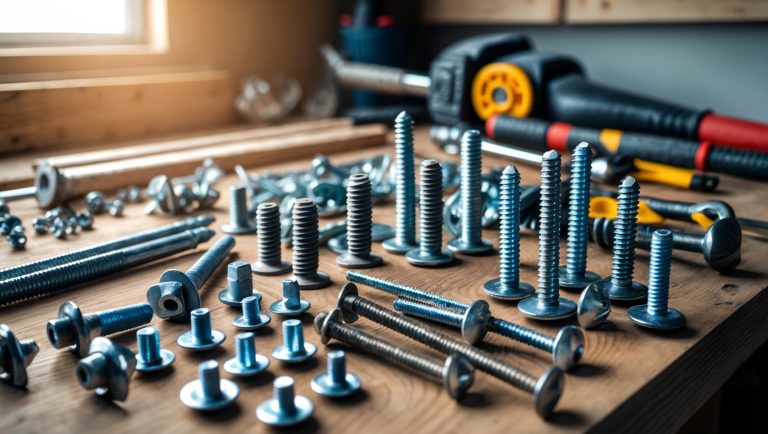
Before driving a single screw, take inventory of your tools. Lay them out and group similar items: hand tools, power tools, fasteners, specialty equipment, and accessories. This not only reveals what you own but also helps identify duplicates or worn-out items ready for replacement. Use this inventory to estimate the square footage you’ll need for your tool wall and determine storage types (hooks, shelves, bins, etc.).
Measuring and Selecting the Wall
Choose a wall with easy access—ideally near your workbench or entry point. Measure the height and width, noting obstacles like outlets, windows, or garage door rails. Sketch a rough layout, allocating zones for each tool category. Leave space for future acquisitions, as tool collections tend to grow over time.
Comparing Garage Tool Wall Storage Systems
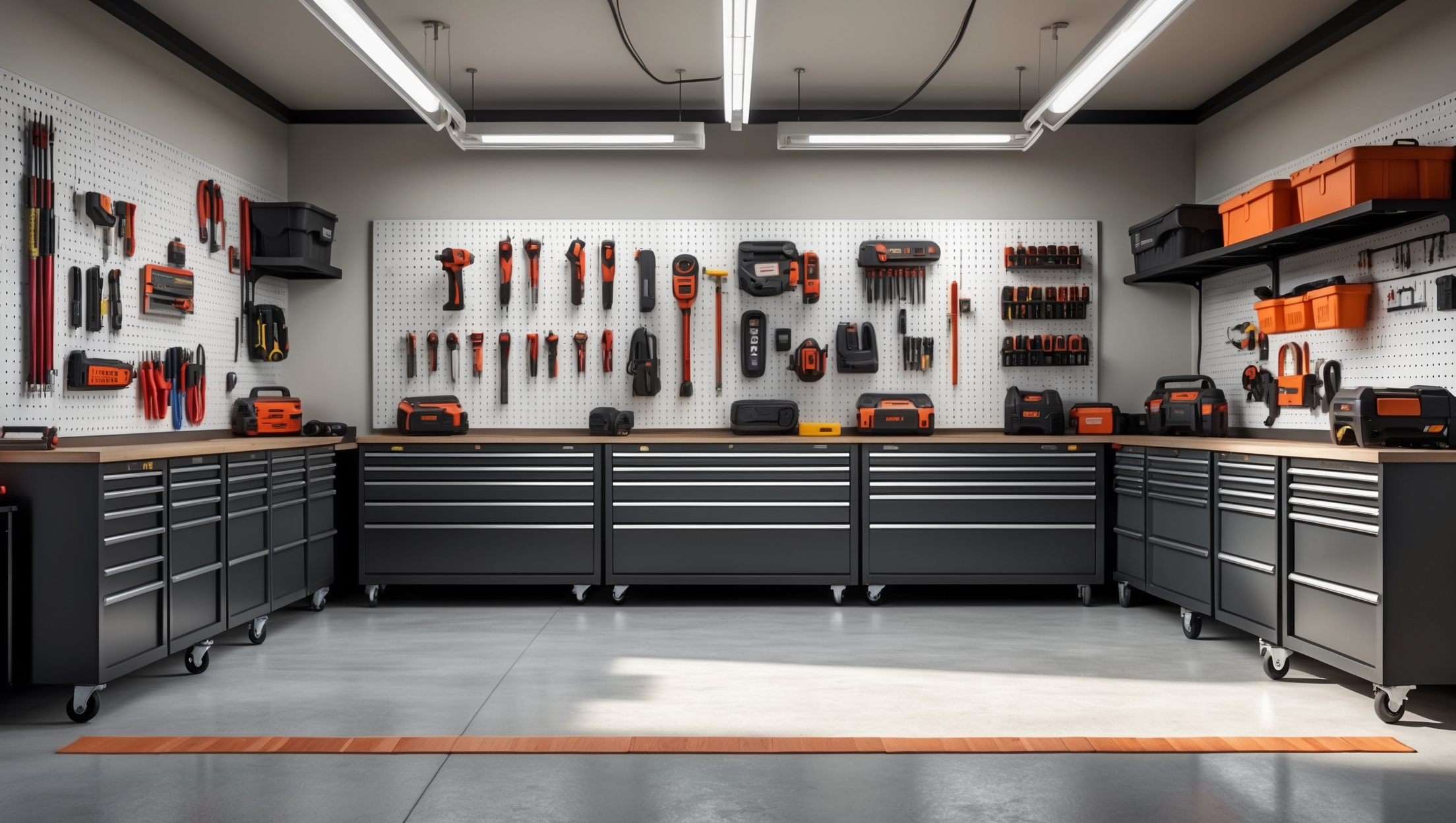
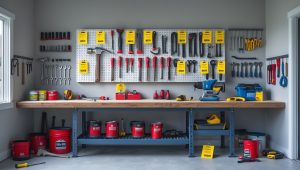
Pegboards: Classic Versatility
- Material: Hardboard, metal, or plastic panels with evenly spaced holes.
- Pros: Inexpensive, customizable, widely available accessories (hooks, baskets, shelves).
- Cons: Hardboard can sag with heavy tools; hooks may fall out if not secured; limited load capacity.
- Best for: Hand tools, lightweight accessories, small power tools.
Slatwall Panels: Modular and Heavy-Duty
- Material: PVC or MDF panels with horizontal grooves for specialized hooks and shelves.
- Pros: Supports heavier loads, highly modular, clean look, easy to rearrange.
- Cons: Higher cost, proprietary accessories, needs precise installation.
- Best for: Power tools, sports equipment, mixed storage needs.
French Cleat Systems: DIY Flexibility
- Material: Wooden cleats (angled strips) mounted to the wall and matching hangers on tool holders.
- Pros: Ultra-customizable, strong, ideal for heavy or oddly-shaped tools, easy to build with basic woodworking tools.
- Cons: Takes time to design and build, requires some carpentry skill.
- Best for: Custom tool holders, heavy items, evolving needs.
Magnetic Strips and Rails
- Material: Magnetic bars attached to the wall.
- Pros: Quick access to metal tools, saves space, easy to install.
- Cons: Limited to magnetic tools, not for heavy items.
- Best for: Screwdrivers, pliers, wrenches, drill bits.
Step-by-Step DIY Tool Wall Setup
1. Gather Your Materials and Tools
- Selected wall storage system (pegboard, slatwall, or French cleats)
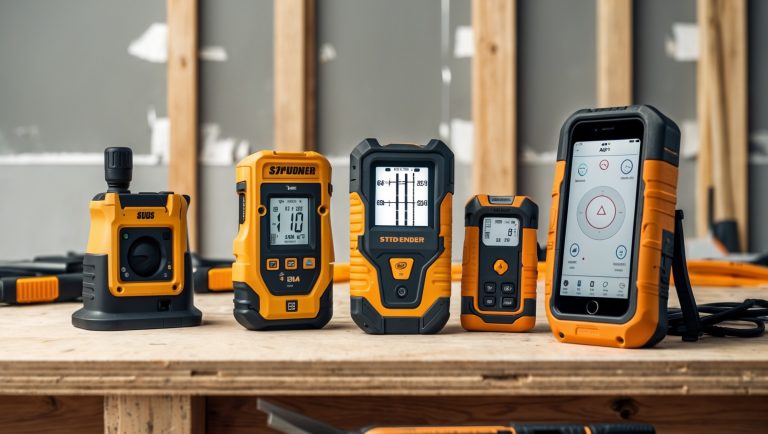
- Stud finder
- Level
- Tape measure
- Drill/driver and appropriate bits
- Screws and wall anchors (if not mounting to studs)
- Hooks, bins, shelves, or custom holders
- Pencil or chalk
- Safety glasses and gloves
2. Locate Studs and Plan Layout
Use a stud finder to mark stud positions along your chosen wall. If possible, align panels or cleats with studs for maximum load capacity. Mark the outline of your tool wall using a level and pencil. Map out zones for each tool type, leaving buffer space for future additions.
3. Install the Base Panels or Cleats
- Pegboard: Cut panels to fit your layout. Attach furring strips horizontally to the wall first to create a gap for hooks. Secure pegboard to the strips with wood screws.
- Slatwall: Mount panels directly to studs or use wall anchors for solid attachment. Use a level to ensure straight installation.
- French Cleats: Rip 3–4″ wide strips of wood at a 45° angle on a table saw. Mount one half (angled up) to the wall, securing into studs. The matching half goes on tool holders.
4. Add Accessories and Organize Tools
- Install hooks, shelves, bins, and custom holders according to your plan.
- Group tools by function and frequency of use. Place everyday items at eye level; reserve upper/lower zones for rarely-used equipment.
- Label bins and consider color-coding for quick identification.
5. Safety and Load Testing
Before fully loading up, test each section with weight equal to or slightly greater than your heaviest tools. Ensure all fasteners are tight and panels feel secure. Adjust as needed—safety first!
Comparing Storage Accessories and Add-Ons
Hooks and Hangers
- Standard Hooks: Versatile, work for hammers, wrenches, and small power tools.
- Specialty Hangers: Designed for ladders, hoses, or garden tools—ensure compatibility with your wall system.
- Locking Hooks: Prevent accidental dislodging; ideal for expensive or heavy tools.
Shelves and Bins
- Wire Shelves: Lightweight, allow airflow, good for boxed items or paint cans.
- Plastic/Metal Bins: Store small parts, fasteners, or odd-shaped items. Stackable options maximize space.
- Adjustable Shelving: Essential for flexibility as tool collections change.
Custom Holders and Racks
- Build wooden racks for chisels, screwdrivers, or drills using scrap lumber.
- 3D print or buy modular holders for battery chargers, pliers, or specialty tools.
- Use PVC pipe sections for storing long-handled tools upright.
Budgeting for Your DIY Tool Wall
Typical Cost Breakdown
- Pegboard system: $40–$100 (4×8 panel, furring strips, assorted hooks)
- Slatwall system: $120–$300 (panels and accessories for 8 ft wall)
- French cleat system: $25–$75 (lumber, screws, finish)
- Accessories: $20–$150 (bins, racks, shelves)
Set a realistic budget based on your needs. Remember, investing in sturdier materials and quality accessories pays off in long-term durability and safety. Consider shopping at local hardware stores, online marketplaces, or even upcycling materials for custom holders to keep costs in check.
Maintaining and Upgrading Your Tool Wall
Routine Checks and Cleaning
- Inspect hooks, shelves, and fasteners quarterly. Tighten or replace anything loose.
- Wipe down panels and accessories to remove dust or grime—especially after woodworking or painting projects.
- Check for rust on metal hooks or racks and treat as needed.
Adapting to New Tools and Projects
- Reorganize zones when adding new tools—avoid overcrowding, which leads to damage and inefficiency.
- Upgrade holders or add shelves as your tool collection evolves. Modular systems like slatwall and French cleats excel here.
- Label new bins promptly to maintain order.
Seasonal Storage Adjustments
- Rotate seasonal tools (like snow shovels or leaf blowers) to more accessible locations as needed.
- Store rarely-used items higher up or in less prime real estate to free up space for frequent-use tools.
Common DIY Garage Organization Mistakes and How to Avoid Them
- Overloading Panels: Ignoring weight limits can cause wall failure and damage tools. Always use studs for heavy-duty sections.
- Poor Layout Planning: Tools placed too high or low reduce accessibility. Map zones before installation.
- Neglecting Flexibility: Rigid systems are hard to adapt. Choose modular accessories for evolving needs.
- Skipping Labels: Unlabeled bins and drawers lead to confusion and misplaced items.
- Ignoring Safety: Tools hanging over walkways or near doors can fall or cause injury. Keep heavy or sharp items secure and out of high-traffic areas.
Real-World Case Study: Transforming a Cluttered Garage
Before: Sam, a weekend DIYer, struggled with a cramped, cluttered garage. Tools were scattered in drawers, boxes, and on the floor, making even small repairs a chore. Frustrated, he decided to invest in a DIY tool wall.
Process: Sam chose a French cleat system for maximum flexibility. He spent a weekend building cleats and custom holders for his drills, saws, and fasteners. By grouping tools by function and labeling bins, he created clear zones for every project type.
After: The transformation was dramatic. Sam now finds every tool in seconds, keeps his workspace clear, and easily adapts his setup for new projects. Regular maintenance ensures his system stays safe and efficient. The initial investment paid off in saved time, reduced frustration, and a renewed passion for home improvement.
Conclusion: Build It Right, Benefit for Years
Creating a dedicated garage tool wall is one of the smartest upgrades a homeowner or DIYer can make. By carefully planning your layout, choosing the right storage system, and investing in quality accessories, you’ll enjoy a clutter-free, highly functional workspace that saves time and reduces stress. Remember, the best tool wall is the one tailored to your needs—so don’t hesitate to customize, experiment, and evolve your setup as your skills and projects grow. Regular maintenance and thoughtful adjustments will keep your garage organized for years, turning every home repair or upgrade into a more enjoyable experience. Don’t let disorganization hold back your DIY ambitions—start building your ideal tool wall today and unlock the full potential of your garage workspace.
How do you suggest keeping the tool wall organized over time, especially if my tool collection keeps growing or changing? Do you have any tips for avoiding clutter as I add more items?
To keep your tool wall organized as your collection grows, try grouping tools by type or frequency of use, and consider using adjustable hooks or modular panels that can be rearranged easily. Regularly review your setup to remove or relocate rarely used items. Labeling sections or outlines on the wall can help each tool find its place, making it easier to spot clutter and maintain order as new items are added.
I see you mention pegboard materials like hardboard, metal, and plastic. Have you found any material holds up better in humid or unheated garages, especially over a few seasons?
Based on experience, metal pegboards tend to hold up best in humid or unheated garages. They resist warping and mold, which can be an issue with hardboard or certain plastics over time. If your garage gets damp or has temperature swings, metal is a reliable choice for long-term durability.
When measuring and sketching out the tool wall, do you recommend leaving extra space for tool storage upgrades or future purchases, and if so, how much buffer space would be practical without sacrificing efficiency for the current tool collection?
It’s a good idea to leave some buffer space for future tool purchases or upgrades. Typically, allowing for about 15-20% additional wall area beyond your current needs works well. This way, you won’t outgrow your setup too quickly, but you also avoid wasting too much valuable wall space that could otherwise be organized more efficiently for your current tools.
When taking inventory of my tools as you suggested, do you have any tips on the best way to track and organize them digitally? I want something that will make it easy to update my list as my collection changes over time.
Using a digital spreadsheet like Google Sheets or Excel is a simple and flexible way to track your tools. You can create columns for tool name, type, location, condition, and purchase date. For more advanced options, consider inventory apps designed for home or tool management—they often include photo uploads and barcode scanning. Whichever method you choose, set a reminder to review and update your list every few months to keep it accurate as your collection changes.
I noticed you mention planning for tool collections to grow over time. Do you have any tips on how to design a tool wall that’s easy to expand or modify later without needing to redo the whole setup?
To make your tool wall easy to expand, consider using modular systems like pegboards or slat walls. These let you move hooks and shelves around as your collection changes. Leave some open space or extra panels for future tools, and group tools by type for easier reorganization. Avoid permanent fixtures so you can adapt the layout any time without major work.
For someone on a tighter budget, are pegboards usually the most cost-effective storage system, or are there other affordable options that still offer good durability and organization?
Pegboards are typically one of the most budget-friendly and versatile options for garage tool storage. They allow customizable layouts and are easy to install. However, other affordable options include wall-mounted slat boards or simple shelving units made from plywood and brackets. Plastic bins and hooks can also help with organization without costing much. Each option has its pros, but pegboards strike a good balance between cost, durability, and flexibility.
The article suggests grouping tools and sketching a layout before starting, but about how much time should I budget for the whole project if I’m doing this solo on a weekend? Is it realistic to finish in a day or does it usually take longer?
Based on the article’s steps—sorting tools, planning the layout, installing storage, and organizing—you should budget about 6 to 8 hours for a solo weekend project, assuming your garage isn’t overly cluttered or large. It’s realistic to finish in a single day if you have your materials ready and stay focused, but if you have a lot of items or need to do extra cleaning, it might spill over into a second day.
I noticed the article mentions that tool collections tend to grow over time. How do you design the tool wall to accommodate future purchases without making it look empty or disorganized at the start?
When planning your tool wall, it’s smart to leave some adaptable space. Use adjustable hooks, modular panels, or pegboards so you can easily add more tools later. To avoid an empty look at the start, group similar tools together and use decorative storage bins or shelves to fill gaps. You can also spread out your current tools a bit, but arrange them thoughtfully to keep the wall tidy.
When measuring the garage wall for the tool setup, do you have any suggestions on working around things like light switches or windows? I have a window right in the middle of my preferred wall and worry it could waste a lot of space.
It’s common to have obstacles like windows or switches on garage walls. To maximize your space, consider installing shorter tool panels or modular sections above, below, or on either side of the window. You can also use the area under the window for a workbench or low storage, keeping tools within reach without blocking light. Just be sure to maintain clearance for any switches or outlets.