
Introduction: Cordless Power Tools—Fact vs. Fiction
For years, cordless power tools carried a reputation for being underpowered, short-lived, and unreliable for anything beyond the simplest home repairs. Fast forward to today, and technology has dramatically changed the landscape—yet many myths still linger, preventing DIYers from fully embracing the versatility and power that battery-operated tools now offer. If you’re considering updating your toolkit or hesitant to switch from corded to cordless, understanding the realities behind common misconceptions is crucial for making informed decisions.
This article tackles the most persistent myths about cordless power tools, from battery life concerns to performance comparisons, charging woes, and maintenance misunderstandings. We’ll break down the facts, examine the latest advancements, and provide practical guidance for choosing, using, and caring for your cordless tools. Whether you’re a seasoned DIY enthusiast or just starting to build your collection, you’ll gain clarity and confidence to select the right tools and get the most out of them during your home repairs, maintenance, or upgrades.
Myth 1: Cordless Tools Are Always Weaker Than Corded Tools
Origins of the Myth
Early cordless tools—especially models from the 1990s and early 2000s—often lacked the torque and sustained power needed for demanding tasks. Many users experienced sluggish performance, especially as batteries drained. This led to the widespread belief that cordless tools are only suitable for light-duty jobs.
Modern Battery Technology Changes the Game
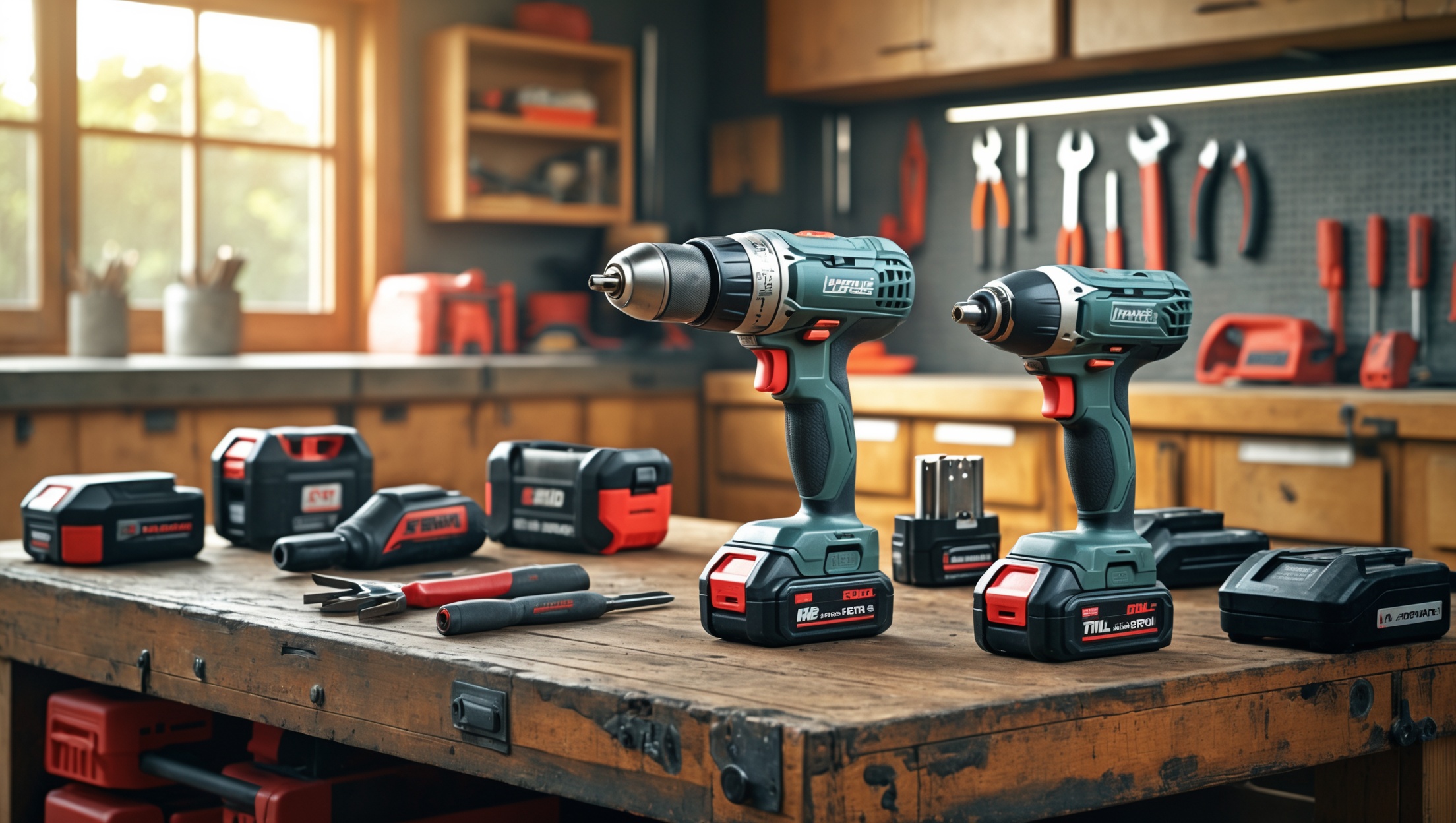
Lithium-ion (Li-Ion) batteries with high amp-hour (Ah) ratings and brushless motors have revolutionized cordless tool performance. Today’s 18V and 20V Max platforms offer torque and speed that match or even exceed their corded counterparts for most applications. Brands now offer high-output batteries—sometimes 5.0Ah or more—that deliver sustained power for drilling, sawing, grinding, and fastening. Professional contractors regularly use cordless tools for heavy-duty framing, concrete drilling, and metal cutting.
- Real-World Example: Modern cordless impact drivers deliver over 1,000 in-lbs of torque, rivaling corded models.
- Tip: Always check torque and RPM specifications rather than assuming corded is stronger.
When Corded Still Wins
Some high-demand tasks—continuous concrete mixing, demolition hammering, or extended grinding—may still favor corded tools for unlimited run time. For most home DIY projects, however, cordless tools provide more than enough power.
Myth 2: Batteries Die Too Quickly for Serious Projects
Understanding Battery Ratings
The myth that cordless tools can’t last through a full project comes from experiences with outdated NiCd or NiMH batteries. Modern Li-Ion batteries offer higher energy density and maintain consistent output until they’re nearly depleted.
- Tip: Battery capacity is measured in amp-hours (Ah). A higher Ah rating means a longer run time.
- Example: A 5.0Ah battery can often keep a drill or circular saw running for several hours of intermittent use.
Smart Battery Management
Most DIYers can complete common repairs, installations, or builds with one or two fully charged batteries. Many new kits include rapid chargers—some restoring a battery to 80% in under 30 minutes. Swapping batteries between tools or having a spare on the charger virtually eliminates downtime.
Pro Tip: Planning for Large Projects
- For day-long renovations, invest in a third spare battery.
- Use energy-efficient tool settings (e.g., lower speeds for drilling pilot holes).
Myth 3: All Batteries and Chargers Are the Same
Brand and Platform Compatibility
Many homeowners assume batteries are interchangeable between brands or even between different tool lines from the same brand. In reality, most manufacturers use proprietary connections and voltage platforms. Mixing incompatible batteries can damage tools or create safety hazards.
- Tip: Stick to one battery platform (e.g., 18V or 20V Max) per brand for maximum flexibility.
- Some brands offer adapters, but these may void warranties or reduce performance.
Charger Types and Smart Features
Modern chargers often include features like rapid charging, cooling fans, and diagnostic indicators. Using the right charger for your battery not only speeds up the process but also extends battery lifespan.
Case Study: Multi-Tool Ecosystems
Major brands now offer 30+ tools powered by the same battery, ranging from drills to shop vacuums and even lawn care equipment. Investing in a single ecosystem simplifies charging and reduces clutter.
Myth 4: Cordless Tools Are Too Expensive for DIYers
Cost Breakdown: Initial Investment vs. Long-Term Value
While it’s true that a cordless kit (tool, battery, and charger) often costs more upfront than a basic corded model, the long-term value is significant:
- Portability: No need for extension cords, outlets, or generators—ideal for attic, garage, or outdoor repairs.
- Multi-Tool Platforms: Additional bare tools (no battery/charger) are often much cheaper than buying new corded versions.
- Time Savings: Faster setup and cleanup, especially in tight or awkward spaces.
Budgeting Tips
- Start with a combo kit—drill/driver and impact driver—with two batteries and a charger.
- Add bare tools as needed (circular saws, sanders, lights) to maximize your initial investment.
- Watch for seasonal sales and manufacturer rebates.
DIYer Perspective
Many homeowners find that cordless tools pay for themselves after just a few major projects by saving on pro labor costs and rental fees.
Myth 5: Cordless Tools Aren’t Durable
Past vs. Present Build Quality
Earlier models sometimes felt flimsy, with plastic housings and low-quality switches. Today’s tools often feature reinforced frames, anti-slip grips, sealed electronics, and brushless motors—all designed to withstand drops, dust, and moisture.
Maintenance Best Practices
- Store batteries and tools in a dry, temperature-controlled area.
- Clean dust and debris from vents and terminals after use.
- Charge batteries at room temperature to maximize lifespan.
Warranty and Service
Most reputable brands offer multi-year warranties on tools and batteries. Register your products to ensure coverage and access to replacement parts or service centers.
Myth 6: Cordless Tools Are Unsafe or Prone to Battery Fires
Lithium-Ion Safety Advancements
High-profile recalls in the early days of lithium-ion battery adoption led to concerns about overheating and fire risk. Modern batteries include multiple safety circuits, temperature sensors, and cell separators to prevent overcharging and thermal runaway.
Safe Charging and Storage Practices
- Use only the charger designed for your battery.
- Do not leave batteries on the charger for days at a time.
- Store batteries out of direct sunlight and away from extreme heat or cold.
Recognizing and Replacing Damaged Batteries
Swollen, punctured, or water-damaged batteries should be recycled immediately at an approved facility. Never attempt to repair or reuse a compromised battery pack.
Myth 7: Cordless Tools Can’t Handle Outdoor or Wet Conditions
Weather Resistance Ratings
Many modern cordless tools feature IP (Ingress Protection) ratings for dust and water resistance. Some are designed for use in light rain or damp environments (e.g., outdoor fencing or deck repairs).
- Tip: Always check the tool’s manual for environmental guidelines.
- Never submerge tools or batteries in water.
Outdoor Applications
Cordless leaf blowers, string trimmers, and hedge clippers demonstrate how battery tools excel outdoors—no fumes, no cords to trip over, and instant start-up.
Myth 8: Battery Memory Effect Limits Lifespan
Understanding Memory Effect
The “memory effect” was a real issue with NiCd batteries, which would lose capacity if repeatedly recharged before full discharge. Lithium-ion batteries, however, do not suffer from this flaw.
Best Practices for Battery Longevity
- Charge batteries before they are fully depleted (no need to drain them).
- Partial charges and top-ups are perfectly safe for Li-Ion batteries.
- Store batteries at 40–60% charge if not in use for long periods.
Myth 9: Cordless Tools Are Only for “Lightweight” DIY Tasks
Heavy-Duty Applications in the Home
Today’s cordless reciprocating saws, hammer drills, and angle grinders can handle everything from cutting steel pipe to drilling concrete anchors. Brushless motors and high-capacity batteries enable performance and runtimes previously thought impossible.
- Many home renovation jobs—bathroom remodels, deck builds, fence installations—are now completed entirely with cordless tools.
Case Study: Kitchen Cabinet Installation
A full kitchen cabinet install, including drilling pilot holes, driving hundreds of screws, and cutting filler strips, can be completed with a single set of cordless tools and spare batteries—no need for corded backups.
Myth 10: Switching to Cordless Means Replacing Everything
Transitioning Smartly
Many DIYers fear adopting cordless tools will render their existing corded tools obsolete. In reality, a gradual transition is practical and cost-effective:
- Replace most-used tools first (e.g., drill/driver, impact driver).
- Keep corded versions for backup or extremely demanding jobs.
- Leverage multi-tool cordless platforms to expand gradually.
Compatibility Accessories
Universal bits, blades, and attachments work with both corded and cordless tools, minimizing additional expenses.
How to Get the Most from Your Cordless Tools: Practical Tips
1. Battery Care
- Charge batteries before storage if not used for weeks.
- Keep contacts clean for optimal energy transfer.
- Replace batteries showing rapid discharge or physical damage.
2. Tool Maintenance
- Inspect for damage after each use.
- Lubricate moving parts as specified by the manufacturer.
- Store in cases or on organized racks to prevent drops and dust buildup.
3. Project Planning
- Estimate how many batteries you’ll need for uninterrupted work.
- Label batteries by purchase date to track aging.
- Use LED charge indicators to avoid unexpected downtime.
Conclusion: The Real Power of Going Cordless
The era of cordless power tools being merely “convenient” or “entry-level” is long gone. Modern battery technologies, advanced motor designs, and durable construction have fundamentally shifted the power tool landscape for home DIYers and professionals alike. Myths about weak performance, short battery life, high costs, or safety risks are rooted in outdated experiences and no longer reflect reality.
By understanding the real capabilities and limitations of today’s cordless tools, you can confidently choose platforms, invest in the right accessories, and maintain your equipment for years of reliable service. The flexibility, portability, and broad compatibility of cordless systems mean you’re ready for any home repair, upgrade, or maintenance task—without the hassle of cords, outlets, or extension cables.
The secret to success isn’t just in picking cordless over corded; it’s in selecting quality tools from reputable brands, following best practices for battery and tool care, and building a thoughtful, adaptable toolkit that matches your specific DIY needs. As you debunk the myths and embrace the facts, you’ll unlock a new level of efficiency, safety, and satisfaction in every home project you tackle.
So, next time you consider reaching for a corded tool out of habit, remember: today’s cordless power tools are engineered to meet—and often exceed—the demands of modern DIYers. Don’t let outdated myths limit your potential. Invest smartly, care for your tools, and enjoy the freedom and power of going cordless.


I noticed that the article mentions how modern lithium-ion batteries and brushless motors have improved cordless tool performance. For someone who still has older NiCd cordless tools, is it worth upgrading to the latest models, or are there tricks to boost performance and battery life with what I have?
Upgrading to lithium-ion cordless tools does offer big benefits—lighter weight, longer run times, and less maintenance—but you can still get more out of your NiCd tools. Store batteries in a cool, dry place, fully discharge and recharge them occasionally to reduce memory effect, and clean battery contacts for better connectivity. However, as NiCd batteries wear out, replacement options are becoming limited, so consider upgrading when performance noticeably drops.