





Introduction: Why Proper Power Tool Storage Matters Year-Round
Whether you’re a weekend DIY enthusiast or an avid home repair aficionado, your power tools are among your most valuable assets. Yet, countless homeowners unknowingly shorten the lifespan of their drills, saws, sanders, and more due to avoidable storage mistakes. Power tools are precision instruments designed to operate within certain environmental conditions. Exposure to seasonal temperature swings, humidity, dust, or improper storage methods can lead to rust, battery degradation, warped casings, and even electrical hazards—turning costly equipment into expensive paperweights. Beyond protecting your investment, proper storage means less downtime, safer operation, and tools that work reliably when you need them most. This guide dives deep into the most common power tool storage mistakes made throughout the year and provides proven, practical solutions for every season. Equip yourself with the knowledge to avoid hidden pitfalls and keep your tool collection running like new, year after year.
Understanding the Risks: What Seasonal Changes Do to Power Tools
Temperature Fluctuations
Extreme cold can cause batteries to lose charge, lubricants to stiffen, and plastic housings to become brittle. Conversely, high heat can degrade battery life, warp tool casings, and encourage moisture buildup inside cases and motors.
Humidity and Moisture
Humidity is a silent tool killer. Moisture in the air leads to corrosion on metal surfaces, rust inside motors, and can even damage electronic circuitry. Seasonal rains and snowmelt can increase ambient moisture, especially in garages and sheds.
Dust, Pollen, and Debris
Spring and autumn often mean more airborne particles. Pollen, dust, and yard debris can clog tool vents, infiltrate motors, and scratch delicate surfaces if tools aren’t properly protected.
Pest Intrusion
Rodents and insects seek shelter in toolboxes and cases during cold months, chewing cords or nesting in tool housings. Summer heat can drive insects into garages and workshops, potentially damaging stored tools.
Common Seasonal Power Tool Storage Mistakes
- Leaving Tools in Uninsulated Sheds or Garages: Exposing tools to temperature extremes and humidity fluctuations increases the risk of rust, cracking, and electrical damage.
- Storing Power Tools on Concrete Floors: Concrete sweats with temperature changes, transferring moisture directly to metal tool parts and batteries.
- Neglecting Battery Maintenance: Leaving lithium-ion or NiCd batteries in discharged or fully charged states during off-seasons can reduce lifespan and cause permanent damage.
- Failing to Clean Tools Before Storage: Dirt, sawdust, and residues attract moisture and pests, clogging vents and corroding internal components.
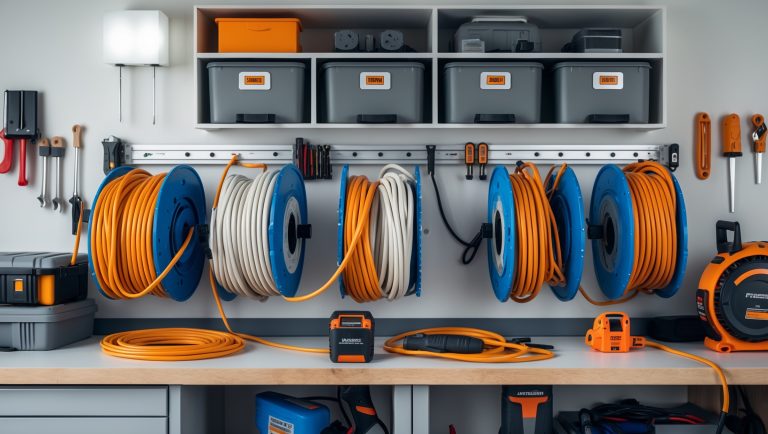
- Improper Storage of Corded Tools: Wrapping cords tightly around tools causes internal wire breakage and accelerates insulation wear.
- Ignoring Manufacturer Storage Guidelines: Disregarding recommended humidity, temperature, and storage positions voids warranties and invites failure.
Essential Storage Setups: The Right Environment for Every Season
Winter: Protect Against Cold and Condensation
- Climate Control: Store tools in heated areas or insulated cabinets to prevent temperature shocks.
- Moisture Barriers: Use sealed plastic or metal cases with silica gel packs to absorb excess humidity.
- Battery Care: Remove batteries from tools and store them indoors at room temperature, ideally at 50–80% charge.
Spring: Guard Against Pollen and Sudden Rains
- Air Filtration: Use air-tight storage bins or cabinets to keep out dust and pollen.
- Elevated Storage: Keep tools off the floor on shelving units to avoid water damage from spring leaks or floods.
- Routine Inspection: Check tools for pest activity and clean out any debris before use.
Summer: Beat the Heat and Humidity
- Ventilated Storage: Use ventilated cabinets or racks to prevent heat buildup around tools.
- Desiccant Packs: Place moisture-absorbing packs in toolboxes and storage bins.
- Shade and Insulation: Avoid direct sunlight and keep windows covered in garages or sheds.
Autumn: Prepare for Cold and Debris
- Pre-Winter Cleaning: Deep-clean tools and lubricate moving parts before longer storage periods.
- Rodent-Proofing: Seal cracks and use rodent deterrents in storage areas.
- Inventory Management: Organize and label tools for easy access during winter indoor projects.
Step-by-Step: Setting Up a Year-Round Power Tool Storage Station
1. Choose the Best Location
- Opt for a climate-controlled basement, heated garage, or a dedicated utility closet indoors.
- Avoid areas prone to leaks, temperature extremes, or pest infestations.
2. Invest in Quality Storage Solutions
- Wall-Mounted Racks: Keep tools organized, visible, and off potentially damp floors.
- Stackable Storage Bins: Use bins with tight-fitting lids for hand tools and accessories.
- Lockable Cabinets: Secure valuable or hazardous tools, especially in homes with children.
- Foam Inserts: Custom-cut foam protects delicate power tools from impact and dust.
3. Implement Moisture and Climate Controls
- Install a dehumidifier in damp basements or garages.
- Use humidity sensors to monitor storage conditions.
- Place silica gel or desiccant packs in tool cases and drawers.
4. Organize for Easy Access and Maintenance
- Label shelves and bins for quick tool identification.
- Store chargers and spare batteries in a dedicated dry, moderate-temperature area.
- Hang frequently used tools at eye level for convenience.
5. Schedule Regular Storage Audits
- Inspect storage areas every season for leaks, pests, or excess moisture.
- Rotate battery packs and run tools briefly to keep internal lubricants distributed.
Critical Maintenance Steps Before and After Storage
Cleaning and Preparation
- Blow out dust and debris from vents, fans, and crevices using compressed air.
- Wipe down all surfaces with a damp (not wet) cloth and mild detergent.
- Dry thoroughly before placing tools in storage.
Lubrication and Protection
- Apply light machine oil to exposed metal parts to prevent rust.
- Use dielectric grease on electrical contacts for added corrosion resistance.
Battery and Electrical Care
- Charge batteries to 50–80% for long-term storage—never store fully depleted or fully charged.
- Remove batteries from tools to prevent leakage or accidental discharge.
- Store chargers disconnected from outlets to prevent power surges.
Battery Storage: Avoiding Short and Long-Term Damage
Lithium-Ion Batteries
- Store in cool, dry places away from direct sunlight.
- Avoid freezing temperatures, which can permanently reduce capacity.
- Check charge levels monthly and top up as needed.
Nickel-Cadmium (NiCd) and Nickel-Metal Hydride (NiMH) Batteries
- Store at moderate temperatures—extremes shorten life and encourage memory effect.
- Cycle (discharge then recharge) every few months if stored for extended periods.
Lead-Acid Batteries (for Larger Tools)
- Never store fully discharged; this causes sulfation and permanent capacity loss.
- Keep terminals clean and check for corrosion before and after storage.
Advanced Tips: Climate Control, Pest Prevention, and Smart Monitoring
Climate Control Upgrades
- Install small, dedicated heaters or cooling fans in storage areas with sensitive tools.
- Use thermal covers or tool wraps for added insulation during extreme weather.
Pest Deterrents
- Use natural repellents like peppermint oil sachets or ultrasonic pest devices near storage zones.
- Seal food sources and trash tightly to discourage rodents and insects from entering your workspace.
Smart Monitoring Solutions
- Deploy wireless temperature and humidity sensors that alert your phone when levels go outside safe ranges.
- Consider smart power strips for chargers with surge protection and remote control features.
Storage Myths That Can Cost You
- Myth: “Storing tools in their original cardboard boxes is best.”
Fact: Cardboard absorbs moisture and offers little pest protection. Use hard plastic or metal cases instead. - Myth: “You can leave batteries in tools all winter if they’re not in use.”
Fact: This invites leakage, self-discharge, and tool damage. - Myth: “A small amount of rust won’t hurt.”
Fact: Any rust can spread quickly and damage moving parts or electrical contacts. - Myth: “Power tools don’t need cleaning before storage.”
Fact: Residue attracts moisture and pests, leading to corrosion and malfunctions.
Case Study: Saving a Tool Collection from Winter Ruin
Consider Mike, a passionate DIYer who stored his cordless tools in an unheated garage through two harsh winters. By spring, he noticed sluggish battery performance, rusted drill bits, and a circular saw that wouldn’t start. After learning about proper tool storage, Mike moved his collection to a small closet inside his home, added a compact dehumidifier, and began using silica gel packs. The result? Zero rust the next winter, batteries that held their charge, and tools ready for every project. Mike’s experience highlights the dramatic difference that smart, seasonally adapted storage can make in both tool lifespan and reliability.
Conclusion: Make Power Tool Storage a Year-Round Habit
Too often, power tool storage is an afterthought—until a favorite drill fails, a saw blade rusts, or batteries won’t hold a charge. By recognizing the risks that each season brings and taking proactive steps, you can avoid the most common (and costly) mistakes that compromise your equipment. From climate-controlled environments to pest-proofing and smart battery care, small adjustments pay big dividends in tool longevity, performance, and safety. Remember, maintenance doesn’t end when the project is finished; it continues with how—and where—you store your tools. Invest a little time in setting up the right storage station, adopt good cleaning and inspection habits, and leverage climate and pest control strategies. You’ll not only protect your investment but ensure that your tools are always ready for whatever DIY challenge comes next. Make year-round power tool storage part of your home maintenance routine, and enjoy the rewards of reliable, high-performance equipment for years to come.




You mention that humidity and moisture can really damage power tools, especially in garages or sheds. Are there any affordable dehumidifiers or moisture control products you recommend for someone storing tools in a fairly small space?
For small spaces like garages or sheds, consider using rechargeable silica gel dehumidifier packs or disposable moisture absorbers, both of which are budget-friendly and effective. You can also find compact electric dehumidifiers designed for small rooms, which typically cost less than larger models. Placing your tools in airtight storage bins with moisture-absorbing packets can offer extra protection.
How do you recommend storing lithium-ion battery-powered tools in places like unheated garages where winter temperatures consistently drop below freezing? I want to avoid battery damage, but don’t have much indoor storage space. Are insulated toolboxes or battery cases helpful at all, or should I bring every battery indoors each season?
Lithium-ion batteries are sensitive to freezing temps, so it’s best to bring the batteries indoors if possible, even if you leave the tools in the garage. If indoor storage is very limited, insulated toolboxes or battery cases can help reduce temperature swings, but they won’t fully protect batteries in severe cold. Ideally, remove batteries from tools and store them inside during winter, even if that means keeping them in a small bin or drawer.