
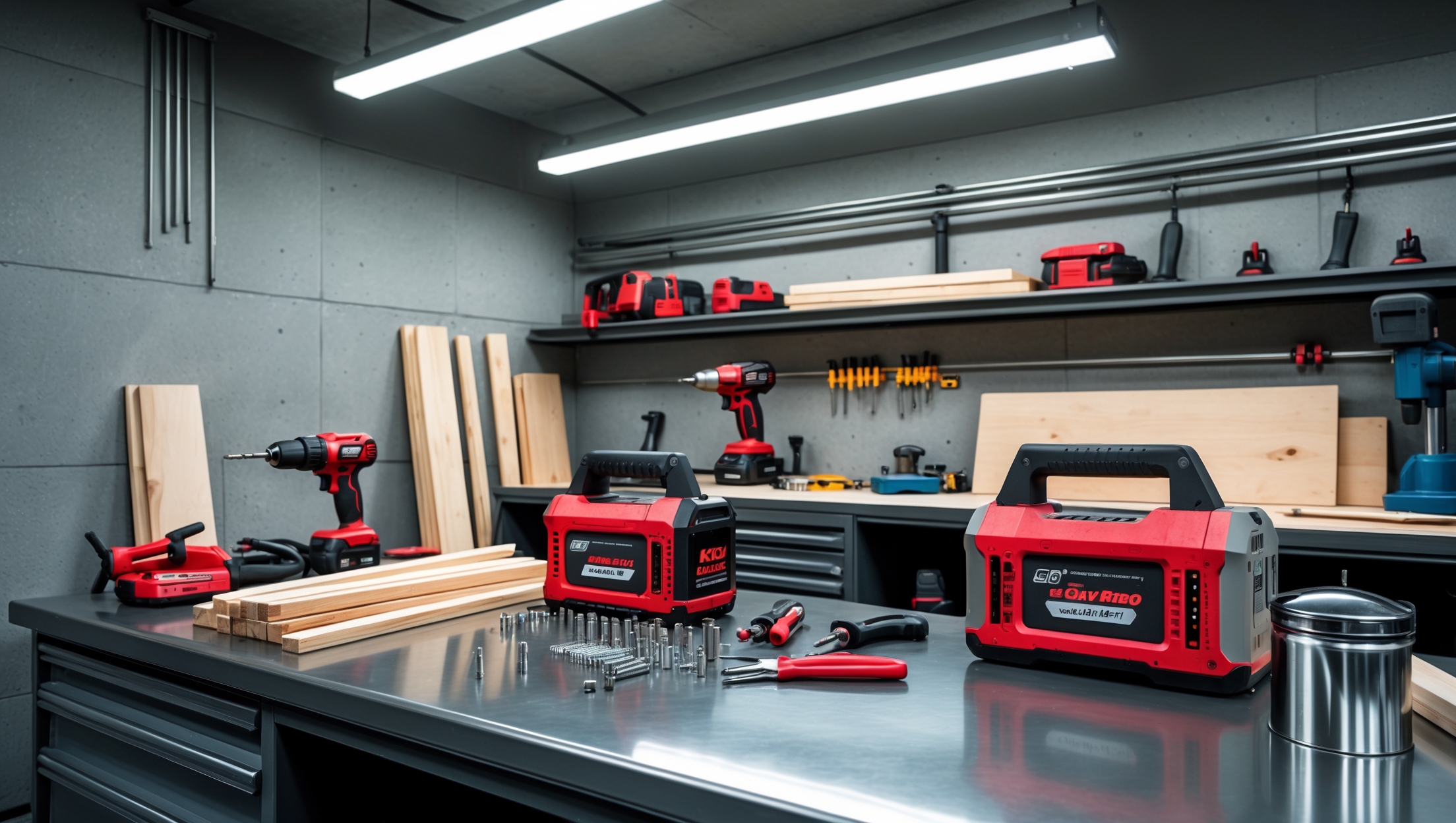
Introduction: Choosing Between Budget and Premium Power Tool Sets for DIY Home Repairs
Setting up your home repair toolkit is an exciting step for any DIY enthusiast or homeowner. The market today offers a dizzying variety of power tool sets, ranging from wallet-friendly starter kits to top-of-the-line, professional-grade bundles. While it’s tempting to grab the most affordable set or lust after the latest premium gear, your choice will impact everything from project outcomes to long-term costs. Do you really get what you pay for with pricier sets? Are budget tools a false economy, or can they deliver solid performance for typical home repairs and upgrades?
This guide offers a deep dive into the real-world differences between budget-friendly and premium power tool sets. We’ll examine not only the upfront price, but also performance, durability, warranty, ergonomics, and long-term value. By the end, you’ll have a clear sense of which approach matches your DIY needs, skill level, and budget. Whether you’re assembling your first toolkit for quick home fixes or planning more ambitious upgrades, this comparison will help you make a smart, satisfying investment.
Understanding Power Tool Set Categories
What Defines a Budget Power Tool Set?
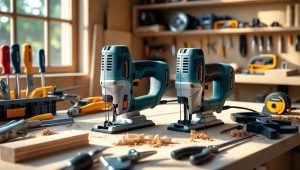
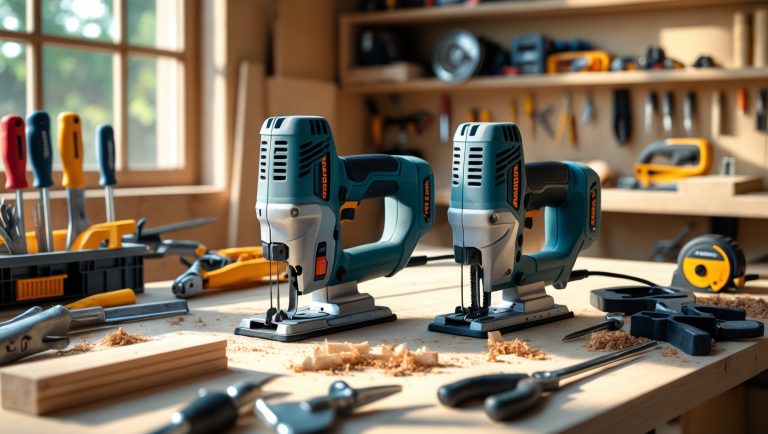
Budget power tool sets are designed with affordability as their main selling point. These kits typically include the most commonly used tools—drills, circular saws, and sometimes a sander or jigsaw. Materials lean toward lighter plastics and entry-level motors. Accessories may be limited or of lower quality (think basic drill bits and blades). Budget sets are widely available in big-box stores and online, often under house brands or lesser-known manufacturers. They’re ideal for light-duty tasks and infrequent users.
What Sets Premium Power Tool Kits Apart?
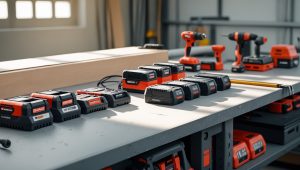
Premium tool sets are engineered for demanding users. They use high-grade materials, brushless motors, and superior batteries. These kits often include advanced features—LED work lights, fast chargers, ergonomic grips, and a broader range of tools. Brands such as DeWalt, Milwaukee, and Makita dominate this segment. Premium sets are built to withstand regular, heavy use and usually carry extended warranties and comprehensive customer support.
Head-to-Head Comparison: Key Factors That Matter
1. Performance and Power
- Budget Sets: Suitable for drilling into drywall, assembling furniture, and light woodworking. Struggle with dense materials (masonry, hardwoods) and may bog down under sustained load.
- Premium Sets: Deliver higher torque, faster RPMs, and maintain consistent power under pressure. Handle a wider variety of materials and tasks, including deck building, framing, and heavier repairs.
2. Battery Life and Charging
- Budget Sets: Typically use standard lithium-ion or even NiCd batteries. Shorter run times and slower recharge. Tool downtime can disrupt workflow, especially for larger projects.
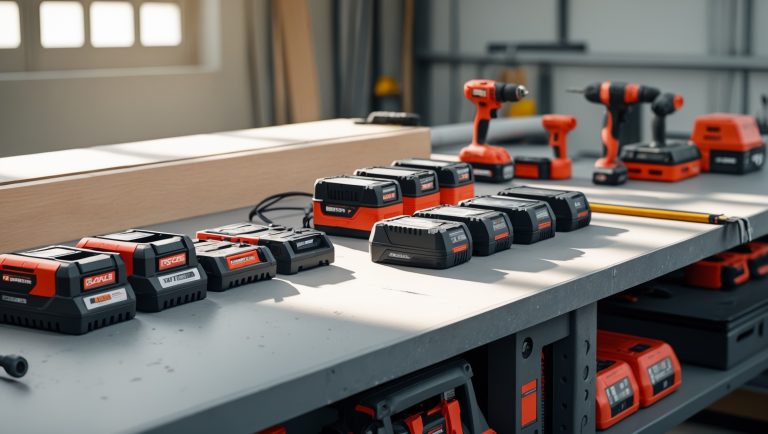
- Premium Sets: Feature high-capacity, quick-charging batteries. Some systems use interchangeable batteries across a wide tool range, minimizing interruptions.
3. Durability and Build Quality
- Budget Sets: More plastic components, less robust housings. Prone to overheating and wear, especially under demanding tasks. Lifespan is often 2–5 years with moderate use.
- Premium Sets: Reinforced gearboxes, metal chucks, and impact-resistant housings. Designed for daily use. Can last a decade or more with proper care.
4. Ergonomics and User Comfort
- Budget Sets: Basic grips, limited vibration dampening. Heavier or poorly balanced, leading to fatigue on longer jobs.
- Premium Sets: Thoughtful design with rubberized handles, balanced weight distribution, and reduced vibration. Enhanced safety features such as better triggers and blade guards.
5. Accessories and Expandability
- Budget Sets: Include just the essentials. Accessories (bits, blades, batteries) are often proprietary or low quality, making upgrades tricky.
- Premium Sets: Broad accessory compatibility. Easy to expand your kit as needs grow, with higher-quality add-ons readily available.
6. Warranty and Support
- Budget Sets: Short-term warranties (typically 1 year). Limited customer support and sparse replacement part availability.
- Premium Sets: Multi-year or even lifetime warranties. Responsive service, easy access to replacement parts, and regular software/firmware updates for smart tools.
Cost Breakdown: What Are You Really Paying For?
Initial Purchase Price
Budget sets can start as low as $60–$150 for a basic drill/driver combo, while premium kits often begin around $250 and can exceed $700 for comprehensive multi-tool bundles. Remember, more expensive doesn’t always mean more tools—premium kits may offer fewer items, but with higher quality and power.
Hidden Costs and Long-Term Value
- Replacement frequency: Budget tools may need to be replaced after a few years. Over a decade, this can eclipse the initial savings.
- Accessory upgrades: Cheap bits and blades dull quickly, requiring frequent replacement. Premium accessories can last much longer.
- Time and frustration: Underpowered or unreliable tools may slow projects or cause mistakes, resulting in extra trips to the hardware store or professional intervention.
- Resale value: Premium tools retain value better if you upgrade or downsize your collection.
Sample 5-Year Cost Comparison
| Expense | Budget Set | Premium Set |
|---|---|---|
| Initial Kit | $120 | $400 |
| Accessory Replacement | $80 | $40 |
| Tool Replacement/Repair | $150 | $50 |
| Downtime/Delays | $50 | $0 |
| Total (5 years) | $400 | $490 |
While the upfront savings are clear, the gap narrows over time as maintenance and replacement costs add up.
Real-World Scenarios: Which Set for Which DIYer?
Scenario 1: Occasional Repairs and Light Upgrades
If you only tackle minor repairs—hanging shelves, assembling flat-pack furniture, basic fixture replacements—a budget set can suffice. Look for a kit with a drill/driver, flashlight, and a simple saw. Focus on value, but read reviews and avoid ultra-cheap, no-name brands.
Scenario 2: Frequent DIY Projects and Home Upgrades
Regular handypeople benefit from the reliability and speed of premium tools. Projects like deck building, fence repairs, or kitchen upgrades demand more power and durability. Here, a premium set quickly pays dividends in time saved and frustration avoided.
Scenario 3: Ambitious Renovations and Workshop Use
If you’re planning renovations, major builds, or setting up a robust home workshop, premium is the clear winner. The extra investment ensures your gear won’t fail mid-project, and you’ll appreciate every ergonomic and performance upgrade. Future-proofing your toolkit allows for smooth expansion as your skills and ambitions grow.
Key Considerations Before You Buy
- Assess your typical projects: Make a list of upcoming repairs and upgrades. Will you need power and endurance, or just basic performance?
- Check tool compatibility: If you plan to expand, ensure your kit uses a battery platform with other available tools.
- Read real-world reviews: Look for feedback from users with similar needs. Pay attention to reports on battery life, ergonomics, and support.
- Test in-store if possible: Feel the grip, weight, and balance. Some budget tools feel surprisingly sturdy, while some premium tools may be heavier than expected.
- Don’t neglect safety: Premium tools often include better safety features, but even budget sets should meet basic safety standards. Never compromise here.
DIYer FAQs: Power Tool Sets Unpacked
Is it better to mix and match individual tools or buy a set?
If your needs are very specific or you want the best tool for each job, buying individually can make sense, especially with premium brands that offer interchangeable batteries. However, kits can provide significant savings and ensure compatibility if you’re starting from scratch.
Are refurbished premium tools a good compromise?
Yes—factory-refurbished tools from reputable dealers can offer premium performance at a moderate price. Ensure warranties apply and inspect for wear before purchase.
Can I upgrade a budget set over time?
Some budget brands offer a few upgrade options, but compatibility and accessory quality are usually limited. If you plan to grow your kit, investing in a mid-range or premium battery platform is often wiser.
How important is the warranty?
Very. DIYers often overlook warranty terms, but a solid warranty can save hundreds in repairs and replacements. Premium brands tend to offer better, more accessible support.
Pro Tips for Maximizing Tool Value
- Regularly clean and maintain all tools, regardless of price point. Even premium tools fail without care.
- Store batteries in a cool, dry place. Avoid leaving them on chargers for extended periods.
- Invest in high-quality bits, blades, and accessories. These dramatically affect tool performance and lifespan.
- Label your tools and keep an inventory. This helps with warranty claims and insurance.
- Watch for sales and bundle offers. Even premium kits go on sale during holiday seasons and “tool events.”
Conclusion: Making the Right Investment for Your Home Projects
Deciding between a budget-friendly and premium power tool set is less about brand prestige and more about honest self-assessment. Think through the types of projects you’re likely to tackle, how often you’ll use your tools, and your tolerance for potential hiccups along the way. For light, occasional repairs, a well-chosen budget set can provide years of reliable service with minimal investment. However, if you’re passionate about DIY, value speed and efficiency, or plan to take on complex upgrades, premium sets quickly justify their cost with superior performance, comfort, and longevity.
Remember, the best value isn’t always found at the lowest price—nor is the most expensive kit automatically right for you. Prioritize features and expandability that align with your real-world needs. Pay attention to battery platforms, warranty coverage, and accessory support. Don’t be afraid to mix refurbished tools or high-quality accessories into your kit for a smart middle ground.
Ultimately, your toolkit is an investment in your home’s upkeep, your personal growth as a DIYer, and your peace of mind when tackling repairs and upgrades. Take the time to compare, test, and research. Whether you go budget, premium, or somewhere in between, an informed decision will pay off every time you pick up a tool and get the job done right.
If I start with a basic budget set now, is it possible to upgrade individual tools over time to create a more premium kit, or would I end up having to replace the whole set because of things like battery compatibility?
You absolutely can start with a budget power tool set and upgrade individual tools over time. The key is to stick with one brand or battery platform, since battery compatibility varies between brands and sometimes even between different tool lines within a brand. As long as you stay within the same system, you can gradually add higher-end tools without replacing everything.
You mentioned that budget sets usually come with entry-level motors and lighter plastics. How much of a difference does this actually make when it comes to tackling basic home repairs, like fixing shelves or assembling furniture?
For basic home repairs like fixing shelves or assembling furniture, the difference is usually minimal. Budget sets with entry-level motors and lighter plastics can handle these lighter tasks well. The main differences show up with heavier-duty jobs or frequent, prolonged use—premium tools tend to last longer and feel sturdier. But for occasional, simple repairs, a budget set should serve you just fine.
You mention that budget tool sets often use lighter plastics and entry-level motors. For someone who only does occasional repairs like hanging shelves or fixing loose cabinets, will these materials still hold up over a few years, or should I expect to replace them sooner than premium tools?
For occasional tasks like hanging shelves or fixing cabinets, budget tool sets with lighter plastics and entry-level motors should generally hold up for several years if used and stored properly. They’re designed for light, infrequent use, so as long as you avoid heavy-duty projects, you shouldn’t need to replace them too soon. Just be mindful not to push them beyond their limits.
You talked about long-term value and durability between budget and premium sets. Do manufacturers typically honor warranties for home users, or are they mainly geared toward professionals? I’m curious what kind of coverage I should expect with each type.
Manufacturers usually offer warranties for both budget and premium power tool sets, and these warranties are generally valid for home users as well as professionals. However, premium brands often provide longer coverage periods and sometimes offer better service or replacement policies. Budget sets may have more limited warranties or require you to pay for shipping and repairs. Always check the details, as some warranties exclude certain types of wear or misuse.
I noticed you mentioned that budget sets might come with lower quality accessories like basic drill bits and blades. If I upgrade just the accessories on a budget set, does that help offset some of the performance differences compared to premium kits?
Upgrading to higher quality accessories like drill bits and blades can definitely improve the performance of a budget power tool set. While this upgrade helps with tasks like cleaner cuts and faster drilling, some differences remain—such as tool durability, battery life, and motor power—since those depend on the tool itself. Still, better accessories are a smart and cost-effective way to get more out of a budget set.
The article points out that premium sets have features like brushless motors and better batteries. For someone who only does occasional weekend repairs, would these advanced features really make a noticeable difference in performance or project time compared to a standard budget set?
For occasional weekend repairs, you may not notice a big difference in performance or project time between premium and budget tool sets. Advanced features like brushless motors and high-end batteries mostly benefit users tackling heavy-duty or frequent projects. A well-reviewed budget set should be more than adequate for light, occasional home repairs.
I noticed you mentioned that budget sets often use lighter plastics and entry-level motors. In your experience, how much does this actually impact the lifespan of the tools if they’re only used for occasional home repairs like hanging shelves or assembling furniture?
For occasional tasks like hanging shelves or assembling furniture, the lighter plastics and entry-level motors in budget tool sets usually hold up quite well. If you’re not using them for heavy-duty or daily projects, you’ll likely find that they last for years without major issues. Just make sure to store them properly and avoid overloading them, and they should serve you well for most light DIY needs.
If I invest in a starter budget set for light tasks now, how challenging is it to mix and match later as my DIY skills improve? Are there compatibility issues with batteries or tools when moving from budget to premium brands?
Mixing and matching power tools later can be a bit tricky, mainly because different brands often use unique battery systems that aren’t compatible with one another. If you start with a budget set, you might need new batteries and chargers when upgrading to premium brands. Some brands have adapters, but they’re not always reliable. To make future upgrades easier, try choosing a brand with a wide range of options so you can expand within their system as your skills grow.
For someone who mainly does occasional home repairs, how big of a performance gap should I expect between entry-level motors in budget sets and the brushless motors found in premium kits? Is the difference really noticeable for non-professionals?
For occasional home repairs, the performance gap between entry-level motors and brushless motors is usually not dramatic. Brushless motors in premium kits offer more power, longer runtimes, and better durability, but for light, infrequent tasks, budget sets with standard motors often do the job just fine. Most non-professionals won’t notice a major difference unless tackling demanding or prolonged projects.
When it comes to the warranty differences, can you give some examples of what kind of coverage premium sets usually offer compared to the budget ones? I’m trying to figure out if the extra upfront cost might actually save me money down the line.
Premium power tool sets often come with longer warranties, sometimes three to five years, and may cover both parts and labor, including accidental damage or defects. In contrast, budget sets usually offer shorter warranties, typically one year, and might only cover manufacturing defects. This means if your premium tools break or wear out, you’re more likely to get free repairs or replacements, which could save you money over time.
If I go with a budget power tool set now for simple DIY tasks, will I regret it if I want to tackle bigger projects in a year or two? Or is it possible to gradually upgrade just certain tools instead of buying a whole new premium set?
Choosing a budget power tool set for basic DIY tasks is a practical start, and you definitely don’t have to replace everything if your projects get bigger later on. Many people upgrade individual tools as their needs grow—like buying a higher-quality drill or saw when tackling tougher jobs. Just make sure your initial set uses a brand or battery system that’s compatible with premium models for easier upgrades.
The article mentions that budget sets sometimes use lighter plastics and entry-level motors. Have you found that these materials actually affect the precision or safety of basic home projects, or are they usually good enough for most household tasks?
Lighter plastics and entry-level motors in budget tool sets can make the tools less durable over time, but for most basic household repairs—like hanging shelves, assembling furniture, or fixing minor fixtures—they’re generally precise and safe enough. For heavy-duty or frequent use, the difference becomes more noticeable, but for occasional DIY tasks, budget sets usually perform adequately.
You mention that premium sets have better batteries and advanced features like brushless motors and LED lights. For someone who’s just assembling their first toolkit, would those features actually make a difference or would I hardly notice the upgrade in day-to-day use?
If you’re just starting out, you might not immediately notice the benefits of brushless motors or longer-lasting batteries. For basic home repairs, a budget set will usually do the job well. The premium features become more valuable if you plan on using your tools frequently or for tougher projects—they offer more efficiency and durability, but aren’t essential for light, occasional use.
I noticed you mentioned that budget power tool sets often use lighter plastics and entry-level motors. In your experience, how big of a difference does this actually make when it comes to tasks like drilling into wood studs or cutting plywood for basic home repairs?
For basic home repairs like drilling into wood studs or cutting plywood, the difference is noticeable but not always a deal-breaker. Budget sets with lighter plastics and entry-level motors may feel less sturdy and can struggle a bit with tougher or thicker materials, sometimes slowing down or heating up. For occasional, light projects, they usually get the job done, but for frequent or heavy use, the added durability and power of premium sets make the work quicker and easier.
I noticed you mentioned that budget sets are usually made with lighter plastics and entry-level motors. If I mostly plan to tackle things like hanging shelves or assembling furniture, do you think the cheaper sets would still last a few years?
For tasks like hanging shelves or assembling furniture, a budget power tool set should be absolutely fine. These lighter sets are designed for light to moderate use, so as long as you avoid heavy-duty projects with them, they can last several years. Just make sure to use them as intended and store them properly to maximize their lifespan.
I’m interested in home repairs but only tackle projects every few months. Given the differences in motor quality and materials between budget and premium tool sets, would a budget set be reliable enough if I store the tools for long periods between uses?
For occasional home repairs, a budget power tool set should be reliable, as long as you store the tools properly—keep them clean, dry, and charged (or remove batteries if storing long-term). While budget sets may use less durable materials, infrequent use puts less strain on them, so they can last for years with basic care. Just be sure to check for any rust or battery issues after long storage before starting a project.
The comparison mentions brushless motors and better batteries in premium sets. For someone who doesn’t use power tools very often, is the investment in those features worth it, or will a budget set hold up fine for occasional weekend projects?
If you only use power tools occasionally for light weekend projects, a budget set should hold up well and meet your needs. Brushless motors and higher-end batteries in premium sets mainly benefit frequent users who need extra power, efficiency, and longer tool life. For infrequent use, you likely won’t see much difference in performance or durability.
You mentioned that premium sets include features like brushless motors and higher quality materials. Are there particular home repair tasks where these upgrades really make a noticeable difference compared to budget sets, or are the benefits mostly for professional use?
Brushless motors and higher quality materials in premium power tool sets can make a noticeable difference for certain home repair tasks, especially those involving heavy use or tougher materials, like drilling into masonry or making long, continuous cuts. The improved durability, power, and battery life can be helpful even for advanced DIY projects, not just professional use. For occasional light repairs, though, budget sets usually perform well enough.
You mention warranty and durability as factors in long-term value. How often do budget tool kits actually fail or need replacing in practice, and do the premium brands offer significantly better support if something goes wrong?
Budget tool kits tend to have a higher chance of parts wearing out, breaking, or underperforming after moderate use—sometimes within a couple of years, especially with regular projects. Premium brands generally last longer and, if issues do pop up, their warranties are often easier to claim and cover a wider range of problems. Premium support teams are also usually more responsive and flexible compared to budget brands.
I’m wondering about the long-term value mentioned for premium tool sets—do they actually end up saving money if you factor in things like tool lifespan and repair costs, or does the initial investment rarely pay off for casual home repair users?
Premium tool sets often have a higher upfront cost, but they usually last much longer and are less likely to need repairs or replacements. For frequent DIYers, this can mean significant savings over time. However, for casual users who only tackle basic repairs occasionally, the long lifespan and durability might not offset the initial investment, and a quality budget set could be more cost-effective in the long run.
When weighing long-term value, is there a general rule of thumb for how long budget versus premium sets typically last with regular home use? I’m curious how lifespan and warranty coverage break down in practical terms for a homeowner who tackles projects a few times each month.
For regular home use—like a few projects per month—budget power tool sets often last around 2–4 years, while premium sets can reliably last 5–10 years or more. Premium brands also tend to offer longer and more comprehensive warranties, sometimes up to 5 years, whereas budget options may have just 1 year or less. Investing in a premium set usually means better durability and longer support if issues arise.
I’m curious about the long-term costs you mentioned. If I go with a budget power tool set for occasional weekend repairs, how quickly might I run into issues like needing replacements or repairs compared to a premium set?
If you use a budget power tool set just for occasional weekend repairs, you might start seeing issues like worn-out batteries, dull blades, or faulty switches within two to three years, depending on usage and care. Premium sets tend to last much longer—often five years or more—before requiring repairs or replacements. So, while initial savings are greater with budget tools, you could face extra costs sooner if you rely on them often over the years.
If I go with an affordable set now, is it practical to slowly upgrade individual tools to premium ones as I gain more experience, or would that end up costing more than buying a better set to begin with?
Upgrading individual tools over time is a practical approach, especially if you’re just starting out. While it may cost a bit more in the long run compared to buying a full premium set upfront, spreading out purchases can make the expense more manageable. Plus, you’ll be able to pick the specific premium tools you actually need as your skills and projects grow.
I’d love to hear more about how warranty coverage typically differs between budget and premium tool sets. With kids around and projects popping up unexpectedly, tool reliability matters to me, but so does getting help if something breaks. How big is the gap in terms of what’s actually covered and for how long?
Warranty coverage is usually a big difference between budget and premium power tool sets. Premium sets often come with longer warranties—sometimes three years, five years, or even lifetime coverage. They typically include better service, like free repairs or replacements for defects and sometimes even accidental damage. Budget sets might only offer a year of limited coverage, often just for manufacturing defects. If reliability and after-sales support matter, especially in a busy household, the warranty on a premium set can add a lot of peace of mind.
I noticed you mentioned premium sets often come with advanced features and better ergonomics. Are those differences noticeable for someone who only does DIY projects on weekends, or are they more for heavy daily use?
If you’re just doing DIY projects on weekends, you might not need all the advanced features or superior ergonomics of a premium set. While those differences can make longer jobs more comfortable and efficient, casual users often find that budget sets meet their needs well. However, if you value additional comfort, quieter operation, or longer battery life, you might still appreciate the upgrades, even for light use.
The article mentions that premium kits come with things like brushless motors and better batteries. Is it usually possible to upgrade a budget set with those components later, or would I be locked into what’s included from the start?
Most budget power tool sets are not designed to be upgraded with premium components like brushless motors or higher-quality batteries. The motors are typically built into the tool and can’t be swapped out. Battery compatibility also varies by brand and model, so budget sets often only work with their original batteries. If upgradability is important, it’s best to research before buying to see if the tools are part of a modular system.
If I start with a basic, more affordable tool kit but later want to upgrade, is it common to run into compatibility issues with things like batteries or accessories when moving to a higher-end brand?
You might encounter compatibility issues when upgrading from a budget tool kit to a premium brand, especially with batteries and accessories. Many brands use proprietary battery systems, so batteries and chargers from a basic set usually won’t work with premium models. Accessories like drill bits are often more universal, but some specialized attachments may not fit. It’s smart to check the compatibility of specific brands before making a switch.
I’m interested in doing some occasional home repairs and light upgrades, but I’m concerned about the long-term costs. Does the article address whether budget power tool sets tend to wear out faster, meaning you might end up spending more by replacing them over the years compared to investing in premium tools up front?
Yes, the article discusses how budget power tool sets often use lower-quality materials and components, which can lead to faster wear and a shorter lifespan. It points out that, while budget sets have a lower upfront cost, you may end up replacing them more frequently. Premium tools usually last longer and can save you money in the long run if you plan to use them regularly for home repairs and upgrades.
When picking a budget-friendly power tool set, how much should I worry about the quality of the included accessories like drill bits and blades? Are there affordable sets known for having decent accessories, or is it smarter to plan on replacing those parts right away for better results?
Accessory quality in budget-friendly power tool sets can be hit or miss. Often, the included drill bits and blades are basic and may wear out quickly, especially with frequent use. If you want consistent performance, it’s wise to budget for replacing accessories with higher-quality ones as needed. However, some brands do offer decent starter accessories even in their affordable kits, so checking user reviews can help spot those better options.
You mention that budget power tool sets often use lighter plastics and entry-level motors. In your experience, how much of a difference does this actually make in terms of the tools’ lifespan and safety for occasional home repair projects?
For occasional home repairs, lighter plastics and entry-level motors in budget tool sets are usually adequate, as you aren’t putting the tools through heavy daily use. You may notice more wear over time compared to premium sets, but for basic jobs a few times a month, lifespan is generally reasonable. Just be sure to follow the manufacturer’s safety guidelines, as most budget tools still meet basic safety standards for home use.
The article says budget sets are ideal for infrequent users. What kind of typical home repairs or projects would start to push the limits of a budget set’s capabilities, and make upgrading to a premium kit a smarter move?
Budget power tool sets work well for light tasks like hanging shelves, assembling furniture, or basic wall repairs. If you start tackling bigger projects—like building decks, remodeling rooms, working with dense hardwoods, or using tools for long stretches—you’ll likely notice budget sets lack power, battery life, and durability. At that point, a premium kit becomes a smarter investment for consistent performance and reliability.