


Introduction: Separating Fact from Fiction in Tool Maintenance
Whether you’re a seasoned DIY enthusiast or just starting to build your home toolkit, you’ve likely encountered a dizzying array of advice on how to keep your tools in top shape. From old wives’ tales passed down in the family to quick-fix tips shared on social media, tool maintenance is a topic rife with conflicting information. But how much of what you hear is actually true? Misguided beliefs can not only waste your time but also shorten the lifespan of your hard-earned equipment, leading to costly replacements and frustrating repairs. In this in-depth guide, we’ll bust the most persistent tool maintenance myths, explain what truly works to extend the life of your tools, and provide actionable, expert-backed tips for every home toolkit. Whether it’s about oiling, storage, cleaning, or battery care, we’ll cut through the noise so you can invest your efforts where they matter most. Read on to discover the real science—and smart habits—behind keeping your essential home gadgets and equipment ready for every project.
Myth #1: “WD-40 Is the Only Lubricant You Need”
Understanding What WD-40 Really Does
WD-40 is a popular household staple, but it’s not a one-size-fits-all solution for lubrication. It’s primarily a water-displacing spray designed to remove moisture and provide short-term lubrication. However, most manufacturers and professionals agree: it’s not a true long-term lubricant for moving tool parts.
Why Using the Right Lubricant Matters
- Grease: Best for gears, bearings, and high-friction points.
- Machine Oil: Ideal for hinges, hand tools, and precision components.
- Silicone Spray: Useful for non-metallic surfaces and rubber parts.
Using WD-40 alone can actually attract dust and grime, creating abrasive sludge that wears down moving parts. Instead, use WD-40 for cleaning and moisture removal, then apply a specialized lubricant suited to your tool’s requirements.
Myth #2: “Storing Tools Anywhere Indoors Prevents Rust”
The Real Risks of Poor Storage
It’s a common belief that any spot inside your home is safe for tool storage. In reality, factors like ambient humidity, temperature fluctuations, and airflow can still promote rust and corrosion—even indoors. Basements, laundry rooms, and uninsulated garages are often humid, which accelerates oxidation on metal surfaces.
Best Practices for Tool Storage
- Climate Control: Store tools in areas with stable temperature and low humidity.
- Desiccants: Place silica gel packs or moisture absorbers in toolboxes and drawers.
- Protective Coatings: Wipe down metal surfaces with light oil before storage, especially if not used for long periods.
Investing in a dehumidifier for your workshop or garage can make a measurable difference in tool longevity.
Myth #3: “You Only Need to Clean Tools After Heavy Use”
The Hidden Dangers of Infrequent Cleaning
Many DIYers only clean tools after big projects, but everyday dirt, sawdust, and residue can quickly build up—even after minor tasks. Residues can hold moisture against metal parts or degrade plastic housings, leading to corrosion and mechanical wear.
Effective Cleaning Routines
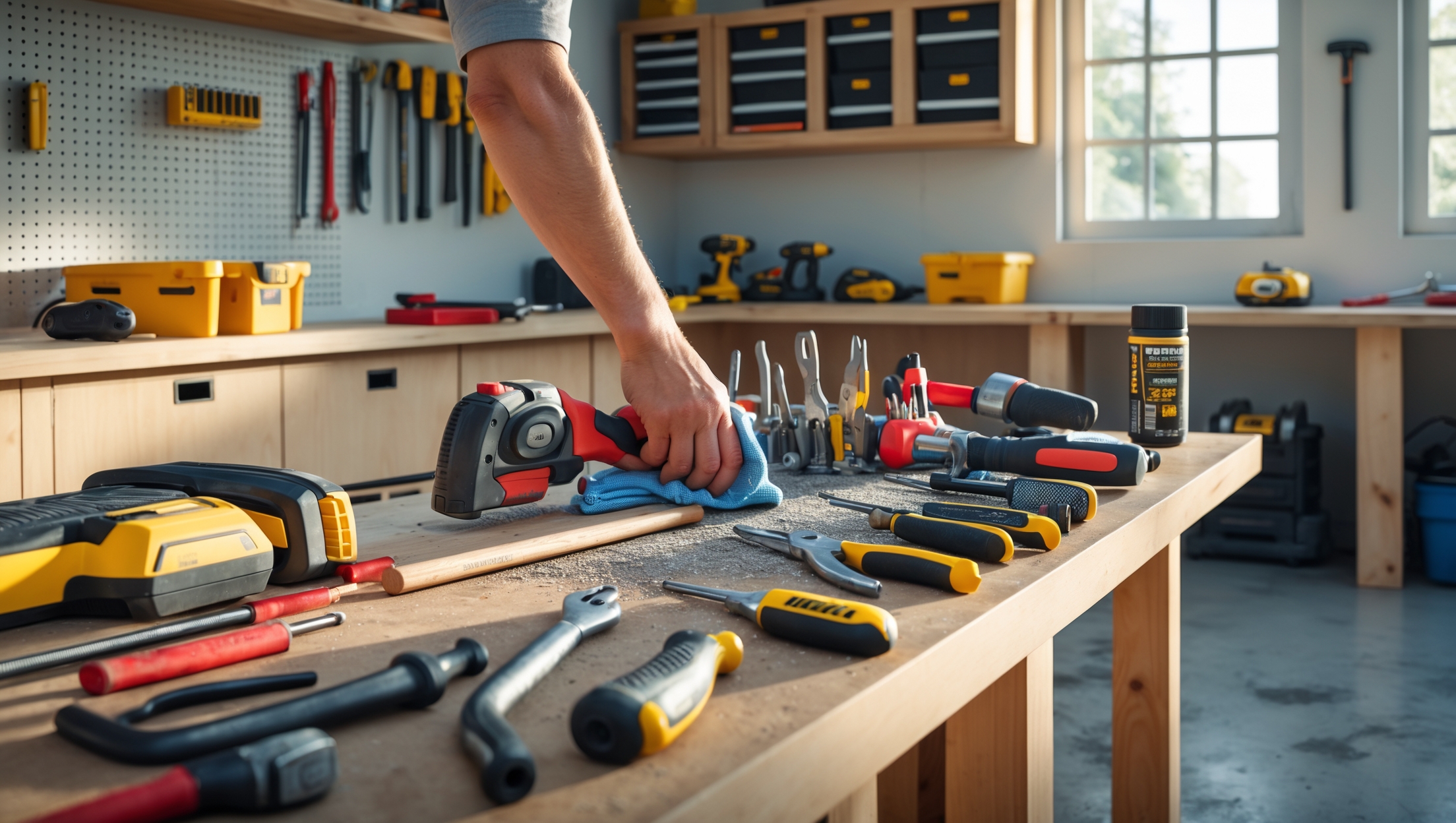
- After Each Use: Wipe down tools with a dry cloth to remove dust and debris.
- Weekly: Inspect for buildup; use a soft brush or compressed air for tight spaces.
- Monthly: Deep clean power tools, checking vents and moving parts for grime.
Regular quick cleans are easier and more effective than trying to tackle stubborn, baked-on messes later.
Myth #4: “Cordless Tool Batteries Should Be Fully Drained Every Time”
Modern Batteries Require Different Care
This myth stems from the days of nickel-cadmium (NiCd) batteries, which suffered from the “memory effect.” Most contemporary cordless tools use lithium-ion (Li-ion) batteries, which perform best when partially charged and don’t require regular deep discharges.
How to Extend Battery Life
- Avoid Complete Discharge: Recharge when capacity drops to 20–30% rather than running fully empty.
- Store Partially Charged: If storing for months, keep batteries at about 50% charge in a cool, dry place.
- Keep Clean: Wipe contacts to ensure efficient charging and power transfer.
Following outdated advice may dramatically shorten your batteries’ lifespan and performance.
Myth #5: “Sharpening Blades Frequently Wears Them Out Faster”
The Importance of Sharpness for Safety and Efficiency
Some believe that regular sharpening removes too much material and shortens the life of blades. In truth, sharp tools are safer and more efficient; dull edges require more force, increasing the risk of slips, accidents, and uneven wear.
Smart Sharpening Strategies
- Light, Frequent Sharpening: Use fine stones or honing guides to touch up edges rather than waiting for severe dullness.
- Proper Technique: Maintain the manufacturer’s bevel angle and use steady, even strokes.
- Inspect for Damage: If a blade is chipped or warped, replace it rather than attempting aggressive sharpening.
Routine, gentle maintenance adds years to the life of cutting tools and reduces the need for costly replacements.
Myth #6: “A Quick Rinse Is Enough for Power Tool Cleaning”
Why Surface Cleaning Doesn’t Cut It
It’s tempting to just wipe down your drill or saw after a project, but dust and debris can infiltrate vents, bearings, and switches, leading to overheating and premature failure. Moisture from a wet cloth can also seep into electronic components, causing corrosion.
Professional Cleaning Techniques
- Compressed Air: Blow out dust from vents, fans, and moving parts after every few uses.
- Brushes: Use soft-bristled brushes to clean tight spaces without damaging internal parts.
- Minimal Moisture: If using a damp cloth, ensure all surfaces are completely dry before storage.
Never submerge power tools or spray water directly on them. Instead, focus on removing dust and debris from critical areas to prevent long-term damage.
Myth #7: “Power Tools Can Be Stored With Batteries Installed”
The Hidden Costs of Leaving Batteries in Place
Many DIYers store cordless tools with batteries attached for convenience, but this can lead to slow battery drain and, in rare cases, corrosion or leakage if moisture is present. Over months, this can reduce battery life or damage tool contacts.
Optimal Battery Storage Habits
- Remove batteries after use, especially if tools will be stored for more than a week.
- Clean battery contacts with a soft cloth before storing.
- Store batteries in a dry, temperature-controlled space, away from direct sunlight or heat sources.
This simple habit can prevent a host of avoidable power tool problems.
Myth #8: “All Rust Can Be Removed With Vinegar or Baking Soda”
When Home Remedies Fall Short
Vinegar and baking soda can remove light surface rust, but they’re ineffective against deep pitting or heavy corrosion. Worse, leaving tools submerged in acidic solutions for too long can etch and weaken the metal.
Effective Rust Removal Strategies
- Light Rust: Use a diluted vinegar soak (1 part vinegar to 2 parts water) for 30 minutes, then scrub gently with a nylon brush.
- Heavy Rust: Opt for commercial rust removers or mechanical methods (wire brush, sanding, or abrasive pads).
- Prevention: After cleaning, dry thoroughly and apply a thin coat of oil to exposed metal parts.
Always test a small area first and follow up with protective coatings to prevent rust from returning.
Myth #9: “Toolboxes Don’t Need Regular Cleaning”
The Surprising Source of Tool Damage
Neglecting your toolbox is a surefire way to transfer dirt, moisture, and even corrosive substances to your tools. Debris inside drawers and bins can scratch finishes, block moving parts, and harbor moisture, accelerating rust.
Cleaning and Organizing Your Toolbox
- Empty and wipe down all surfaces every few months.
- Inspect and discard any leaking batteries, spilled chemicals, or broken items.
- Use drawer liners to cushion tools and absorb minor spills.
- Keep silica gel packs inside to control humidity.
Think of toolbox maintenance as an essential part of your tool care routine, not an afterthought.
Myth #10: “You Can Ignore Manufacturer Maintenance Recommendations”
Why Skipping the Manual Costs More in the Long Run
Every tool comes with specific care instructions tailored to its materials, motor type, and usage. Ignoring these guidelines can void warranties, lead to early breakdowns, or create safety hazards.
How to Use Manuals Effectively
- Read the maintenance section for each new tool, noting recommended intervals and products.
- Keep manuals in a dedicated folder for quick reference.
- Register your tools for updates on recalls, service notices, or replacement parts.
Following manufacturer maintenance is the easiest way to ensure your tools perform as intended for years to come.
Expert Tips for Maximizing Tool Life
- Routine Inspections: Check for loose screws, worn cords, and mechanical play before and after each use.
- Use the Right Tool for the Job: Don’t force tools beyond their designed capabilities—overloading causes premature wear.
- Track Maintenance: Keep a simple log of battery charge cycles, blade sharpening, and lubrication dates.
- Invest in Quality: Higher-grade tools are often easier to maintain and designed for longevity.
- Stay Informed: Join online forums or manufacturer mailing lists for the latest care tips and product updates.
Conclusion: Build Habits, Not Hype, for Long-Lasting Tools
There’s no shortage of advice about tool care, but as we’ve seen, not all of it stands up to scrutiny. By debunking common myths—from the overuse of WD-40 to misconceptions about battery care and sharpening—you can focus on what truly matters: habits that yield real, measurable improvements in the performance and lifespan of your home equipment. The best way to protect your investment isn’t found in quick hacks or miracle products, but in consistent, mindful routines: storing tools in the right environment, using the correct lubricants, cleaning regularly, respecting manufacturer guidelines, and recognizing when even the best-maintained tools need to be replaced. These practices don’t just extend tool life—they make every repair, upgrade, and project simpler, safer, and more satisfying. As you put these evidence-based tips to work, you’ll not only save money and time but also ensure your toolkit is always ready for the next challenge. Skip the myths. Embrace the habits. Your tools—and your future self—will thank you.


You mention that using WD-40 alone can attract dust and grime and isn’t suitable as a long-term lubricant for tools. If I’ve already been using WD-40 for routine tool maintenance, what’s the best way to safely remove any existing buildup before switching to the recommended lubricants?
To safely remove existing WD-40 buildup from your tools, start by wiping off as much residue as possible with a clean, dry cloth. For stubborn or sticky areas, use a mild degreaser or rubbing alcohol on a cloth to break down the residue, then wipe clean. Make sure the tool is thoroughly dry before applying the recommended lubricant. This approach helps prevent dust and grime from sticking and ensures better lubrication moving forward.
I noticed the article mentions using specialized lubricants instead of just relying on WD-40. For someone with a mix of hand tools and some power tools, are there any budget-friendly lubricant types or brands you recommend for general maintenance?
For general maintenance of both hand and power tools, multipurpose lubricants like 3-IN-ONE oil or white lithium grease are good, affordable options. Silicone spray is also cost-effective for protecting moving parts, especially on power tools. These can usually be found at most hardware stores and are more specialized than WD-40 for long-term protection and lubrication.
If I’ve mostly used WD-40 for both cleaning and lubrication over the years, what steps should I take now to properly maintain my tools? Do I need to do any special cleaning before applying the correct lubricants mentioned in the article?
WD-40 is a good water-displacer but not an ideal long-term lubricant. To switch to proper maintenance, first wipe your tools thoroughly to remove any WD-40 residue. You can use a clean rag and, if needed, a mild degreaser. Once they’re clean and dry, apply the recommended lubricant from the article, such as a dedicated machine oil or grease. This will help protect your tools and keep them operating smoothly.
Is it true that using WD-40 for long-term lubrication on tools can actually cause more harm than good by attracting dust and grime? If so, what would you recommend for people who only want to keep a couple types of lubricant on hand for a basic home toolkit?
Yes, it’s true—WD-40 is great for cleaning and short-term rust prevention, but it isn’t a long-term lubricant and can attract dust and grime over time. For a basic home toolkit, it’s best to keep a general-purpose machine oil for moving parts and a silicone spray for areas where you want to avoid attracting dirt. These two options should cover most needs without the downsides of WD-40 for lubrication.
I’ve always used WD-40 as a quick fix on my power tool hinges and moving parts, but after reading your take on specialized lubricants, what’s the best affordable machine oil brand to keep on hand for both basic hand tools and power tools?
A good and affordable choice for general tool maintenance is 3-IN-ONE Multi-Purpose Oil. It’s widely available, works well on both hand and power tools, and won’t gum up over time like some household oils. Another solid option is Hoppe’s No. 9 Lubricating Oil. Either of these is suitable for most home workshops and should help extend the life of your tools better than WD-40 alone.
When you pointed out that WD-40 can actually attract grime if used alone, it made me wonder—what’s the best way to clean off built-up residue from past WD-40 use before applying the right lubricant? Is there a cost-effective method for small business owners with lots of tools?
To remove old WD-40 residue, start by wiping tools with a clean, dry cloth to lift loose grime. For stubborn buildup, use a mild degreaser or a mixture of dish soap and warm water. Scrub gently with a brush, rinse, and dry thoroughly. This method is cost-effective and safe for most tools. Once clean, you can apply the correct lubricant for long-term protection.
You list different lubricants like grease, machine oil, and silicone spray for specific tool parts. What would you recommend as the most budget-friendly options for someone just starting out and not wanting to buy a lot of different products?
For beginners on a budget, a good-quality multi-purpose machine oil is usually the most cost-effective and versatile option. It can handle most tool lubrication needs, from hinges to blades. If you find a need for something heavier, like grease, small tubes of general-purpose grease are inexpensive and last a long time. Silicone spray is helpful but not essential for most starter toolkits.
When you mention that WD-40 can attract dust and grime over time, does that mean it could actually harm electric tools if used too often? Are there any warning signs I should look for if my tools have been over-lubricated with the wrong product?
Using WD-40 too often on electric tools can actually do more harm than good, as its residue tends to attract dust and grime, which may lead to sticky buildup or even motor issues over time. Warning signs of over-lubrication with the wrong product include a greasy or sticky surface, unusual smells, visible grime collecting faster than normal, and sluggish tool performance. If you notice these, it’s a good idea to clean your tools thoroughly and switch to a lubricant recommended by the manufacturer.
You mentioned grease, machine oil, and silicone spray as better choices than WD-40 for certain parts. For a small shop with limited storage, is there one versatile lubricant you’d recommend that covers most basic tool maintenance needs, or is it really necessary to stock all three?
If storage space is at a premium, a high-quality machine oil is your most versatile option. It works well for most moving metal parts and general maintenance. While grease and silicone spray have their own strengths, machine oil should cover the majority of your needs in a small shop without the clutter of multiple products.
You listed several lubricant options like grease, machine oil, and silicone spray. For someone on a budget who only wants to buy one extra product besides WD-40, which type would cover the widest range of common home tools?
If you’re looking to buy just one additional lubricant besides WD-40, a good-quality multipurpose machine oil is your best bet. It works well for hinges, hand tools, power tool moving parts, and even some garden equipment. While grease and silicone spray have their uses, machine oil generally covers more everyday maintenance tasks around the home.
I’m curious about the bit on WD-40 possibly attracting dust and grime. If I’ve already been using WD-40 on some of my older hand tools, is there a good way to clean them up and switch to a better lubricant, or is it too late to reverse any damage?
It’s not too late to clean up your tools and switch to a better lubricant. Start by wiping off as much of the WD-40 residue as possible with a clean cloth. For stubborn grime, use a mild degreaser or soapy water, then dry the tools thoroughly. Once clean, apply a light machine oil or a dedicated tool lubricant for better long-term protection.
You mention that using only WD-40 can actually attract dust and grime over time. If I’ve been doing that for my hand tools, what’s the best way to clean off old buildup before switching to a proper lubricant?
To remove old WD-40 buildup from your hand tools, start by wiping them down with a clean rag to get rid of loose debris. Next, use a degreaser or mild soapy water and a soft brush to scrub away any remaining residue. Rinse and dry the tools thoroughly. Once clean, you can apply a proper tool lubricant to protect them moving forward.
The article mentions that silicone spray is useful for non-metallic surfaces and rubber parts. Are there specific signs or situations when silicone would be better than grease or machine oil on tools with both metal and rubber components?
Silicone spray is particularly useful when you want to protect or lubricate rubber or plastic parts without causing them to degrade, which can happen if you use grease or machine oil. If your tool has both metal and rubber components, use silicone spray on parts like seals, gaskets, or grips—especially if you notice the rubber drying out, squeaking, or sticking. For the metal parts, stick with grease or oil to reduce friction and prevent rust.
When you mention silicone spray for rubber tool parts, is that mainly for things like power tool cords or are there other examples in a typical home toolkit? Also, does using the wrong lubricant actually void a tool’s warranty?
Silicone spray is great for more than just power tool cords—it can help preserve and protect any rubber parts, like grips on pliers or seals on hand pumps. It keeps rubber from drying and cracking. As for warranties, using the wrong lubricant might void coverage if it causes damage, especially if the manual specifies what to use. Always check your tool’s instructions for recommended products.
If I’ve already been using WD-40 as my main lubricant for a while, could that cause any long-term damage to my tools? What steps should I take now to reverse or prevent any possible issues?
Using WD-40 over time as a main lubricant can leave a residue that attracts dust and doesn’t provide lasting protection, which might eventually lead to rust or wear. To prevent issues, clean your tools thoroughly with a degreaser, dry them, and apply a lubricant specifically designed for long-term protection, like machine oil. Regular maintenance moving forward will help preserve your tools.
I run a small workshop and often use WD-40 just to quickly clean and loosen up my older tools. If I switch to more specialized lubricants as suggested, how often should I apply them to keep the tools in good shape without overdoing it?
Using specialized lubricants is a smart move, especially for older tools. For hand tools and power tools, applying lubricant every few months or after heavy use should be enough. Wipe down your tools before each application to avoid buildup. If you work in a humid environment or notice any squeaking or stiffness, a light reapplication might be needed sooner. The key is to keep tools protected but not greasy.
When you say that WD-40 can attract dust and grime over time, what’s the best schedule for cleaning and re-lubricating tools to prevent this build-up? Does it depend more on how often I use the tools or the environment I store them in?
Both frequency of use and storage environment matter when deciding how often to clean and re-lubricate your tools. If you use your tools regularly or store them in a dusty or humid area, check and wipe them down after each use and re-lubricate every few sessions. For infrequent use and clean storage, a thorough cleaning and light re-lubrication every 1–2 months should be enough. Always inspect your tools for any residue or build-up before storing them.
I noticed you mentioned that WD-40 isn’t suitable as a long-term lubricant and can actually attract dust and grime. What would be the best specific lubricant for hand tools like pliers or screwdrivers that are used frequently but stored in a garage? I’m looking for something that prevents rust but doesn’t build up residue.
For frequently used hand tools like pliers and screwdrivers stored in a garage, a lightweight machine oil or a dedicated tool lubricant is ideal. Products like 3-in-One oil or CRC 3-36 provide long-lasting rust protection without leaving a heavy, sticky residue. Apply a light coat, wipe off the excess, and reapply as needed to keep your tools protected and clean.
If I’ve already been using WD-40 as my main lubricant for my tools, should I do something to clean them before switching to a better product? Is there any risk of damaging my tools if I just wipe them down and apply the right lubricant, or is a more thorough cleaning necessary?
WD-40 leaves a light residue, so wiping your tools down with a clean cloth is a good first step. For the best results, use a degreaser or soapy water to remove any remaining WD-40 before applying a proper lubricant. This prevents residue buildup and ensures the new lubricant works effectively. Simply wiping is usually safe, but a more thorough cleaning helps maximize protection and performance.
If WD-40 attracts dust and grime over time, what’s the safest way to remove that buildup without harming the tools? Should I be doing a regular deep clean, or is there a simple method for ongoing maintenance?
To safely remove WD-40 buildup, wipe your tools with a clean, dry cloth to take off most residue, then use a gentle degreaser or warm soapy water for stubborn spots. Make sure tools are thoroughly dried afterward to prevent rust. For ongoing maintenance, regularly wipe tools after each use instead of deep cleaning each time—this keeps buildup to a minimum and is much simpler.
After reading about how improper lubrication can actually wear down my tools, I’m wondering how often I should actually be cleaning and lubricating my hand tools if I only use them every few months. Is there a maintenance schedule you suggest for casual DIY users?
For casual DIY users who use hand tools only every few months, a good routine is to clean and lubricate your tools after each use, especially if they’ve been exposed to moisture or dirt. If they’re stored for long periods, a quick check and light lubrication every three to six months should prevent rust and keep them working smoothly.
I’ve always just cleaned my tools and then stored them in my garage, but you say proper storage is a big deal. Can you clarify what storage conditions actually help extend tool life? Are there specific humidity or temperature ranges I should aim for, especially for battery-powered tools?
Proper storage can make a real difference for your tools. Ideally, keep them in a dry place with moderate temperatures—between 40°F and 85°F works well. Try to avoid high humidity, as moisture can cause rust and damage batteries. For battery-powered tools, remove the batteries if you won’t use them for a while, and aim for a spot that’s not subject to freezing or overheating. Consistent temperature and low moisture really help extend tool life.
I noticed the article mentions that WD-40 can attract dust and grime if used as the main lubricant. Are there any easy signs to look out for that indicate buildup is happening, or is it generally something you only notice once tool performance is affected?
You can actually spot buildup before tool performance drops. Look for a sticky or tacky residue on the tool’s moving parts, or visible dust and grime clinging to areas where WD-40 has been applied. If you see darker patches or feel resistance when moving parts, that’s a sign buildup is occurring. Regularly wiping down tools and checking these areas helps catch it early.
I never realized that silicone spray is better for rubber and non-metallic surfaces. Are there any risks to accidentally using machine oil or grease on those parts, or does it just make less of a difference in performance?
Accidentally using machine oil or grease on rubber or non-metallic parts can actually cause problems over time. Oils and greases can degrade certain types of rubber, leading to cracking or swelling, and may attract dirt that causes additional wear. Silicone spray is gentler and designed to protect and lubricate these surfaces without causing damage, so sticking with it helps extend the life of those parts.
I noticed you mentioned that WD-40 is more of a water displacer than a true lubricant and might even attract grime if used alone. If I’ve already been using WD-40 on my hand tools for a while, what’s the best way to clean off any buildup before switching to a proper lubricant?
To remove WD-40 buildup from your hand tools, start by wiping them down with a clean rag to remove surface residue. For stubborn grime, use a mild degreaser or soapy water and a brush, then rinse and dry thoroughly. Once clean, apply a dedicated lubricant to protect the tools from rust and ensure smooth operation.
The article mentions that WD-40 can attract dust and grime over time. How often should I be cleaning off old lubricant from my tools, and what’s the best way to remove it without damaging anything?
It’s good practice to clean off old lubricant like WD-40 every few months, or sooner if you notice buildup. To remove it safely, wipe your tools with a clean cloth dampened with a mild degreaser or isopropyl alcohol. Avoid harsh abrasives to prevent scratching metal surfaces. After cleaning, let the tool dry thoroughly before applying fresh, appropriate lubricant.
Can you clarify how often you should reapply the proper lubricant to hand tools after using WD-40 for moisture removal? I sometimes use them in damp environments, so I’m wondering if more frequent maintenance is needed or if there’s a risk of over-lubricating.
After using WD-40 to remove moisture, it’s best to reapply a proper lubricant each time your hand tools are exposed to damp conditions or after every cleaning. If you use your tools frequently in moist environments, a light application after each use helps prevent rust. There’s little risk of over-lubricating as long as you wipe off any excess; just avoid heavy buildup that might attract dirt.
You mentioned choosing the right lubricant based on the tool’s moving parts. For someone on a budget who can’t buy every specialized product, is there a single type of lubricant that works decently for most household tools without causing long-term issues?
If you’re looking for one lubricant to cover most household tools, a general-purpose light machine oil is a solid choice. It works for hinges, hand tools, and power tool parts without attracting too much dirt or causing buildup. While it’s not perfect for every application, it won’t harm most tools and is budget-friendly. Just avoid using heavy grease or WD-40 as a long-term solution for moving parts.
If I’ve already been using WD-40 as a lubricant on my drill and saw for a few years, is there anything I should do now to reverse buildup or potential damage, or is it enough to switch to the proper lubricant going forward?
If you’ve used WD-40 as a lubricant, it’s helpful to clean the tools before switching to a proper lubricant. Wipe down moving parts with a clean cloth and, if possible, use a degreaser or mild solvent to remove any residue. Make sure everything is dry, then apply the correct lubricant. Unless you’ve noticed performance issues or rust, simply switching should be sufficient going forward.
Can you explain more about when it’s best to use grease versus machine oil for gears and parts? Sometimes I’m not sure how to tell which specific parts of my tools actually need the heavier lubrication.
Grease is best for parts that carry heavy loads or are exposed to dirt and moisture, like open gears or bearings, because it stays in place longer and provides better protection. Machine oil is lighter and works well for parts that move quickly but don’t bear much weight, such as pivot points or internal moving mechanisms. If a part is enclosed and rotates quickly, oil is usually better. If it’s exposed or under a lot of pressure, go with grease.
I had no idea that using just WD-40 could actually attract more dust and end up damaging my tools over time. If I already used WD-40 on my hand tools, what would be the best way to clean them and switch to a more proper lubricant?
If you’ve already used WD-40 on your hand tools, you can clean them by wiping off any excess with a clean cloth. For a deeper clean, use a mild degreaser or soapy water and dry the tools thoroughly. Once they’re clean, apply a light coating of a dedicated tool oil or silicone-based lubricant to protect them and help prevent dust buildup.
The article breaks down when to use grease, machine oil, or silicone spray for maintenance. If I mostly have power tools and some precision equipment, which lubricant should I prioritize buying first on a tight budget?
If you mostly use power tools and some precision equipment, machine oil is the most versatile option to start with. It works well for lubricating moving metal parts in both types of tools and helps prevent rust. Grease is useful for gears or high-friction components, while silicone spray is best for plastic or rubber parts, but machine oil covers the basics for your described needs.
You pointed out that WD-40 can attract dust and grime if used as a long-term lubricant. For someone on a tight budget, are there affordable alternatives to specialized lubricants that still offer proper protection for essential hand tools?
Petroleum jelly or light household oils, like sewing machine oil, are budget-friendly alternatives to specialized lubricants. They provide decent protection against rust and friction for most hand tools. Just apply a thin layer and wipe off any excess to avoid sticky buildup. Remember to reapply after heavy use or cleaning to maintain protection.
I always thought using WD-40 was enough for most of my hand tools, but now I’m wondering if I’ve been shortening their lifespan. Is there a specific type of machine oil you recommend for everyday home tools, or can any general-purpose oil work?
WD-40 is great for cleaning and loosening stuck parts, but it doesn’t provide long-term lubrication. For everyday home tools, a lightweight machine oil—like 3-in-One oil or sewing machine oil—is usually a better choice. These oils give lasting protection without attracting much dust. General-purpose oils can work, but avoid heavy oils that might gum up moving parts.
If WD-40 is only good for short-term lubrication and moisture removal, what should I do after using it to make sure my tools don’t start rusting or getting sticky? Is there a budget-friendly way to properly maintain older tools that might already have some buildup?
After using WD-40 to clean or loosen tools, it’s best to wipe off any excess and follow up with a proper tool oil or light machine oil for long-term protection. For tools with old buildup, scrub gently with a wire brush or steel wool, then clean thoroughly before applying oil. Mineral oil or 3-in-1 oil are both affordable options for ongoing maintenance and rust prevention.
You recommend different lubricants like grease, machine oil, and silicone spray depending on the tool part. For someone on a tight budget, is there one type of lubricant that could work reasonably well across multiple uses, or is it really necessary to buy several different products?
If you’re on a budget, a general-purpose machine oil can work for most moving parts on hand tools and power tools. While it might not be perfect for every situation, it provides decent protection and lubrication for hinges, blades, and bearings. Grease or silicone spray might be better for specific tasks, but using one versatile oil is a practical compromise if you want to keep costs down.