
Introduction: The Right Socket for the Right Job
When it comes to DIY repairs and home maintenance, few tools are as indispensable as the humble socket set. Whether tightening bolts on a bicycle, assembling furniture, or tackling plumbing repairs under the sink, sockets and ratchets save time and prevent knuckle-busting frustration. But if you’ve browsed the tool aisle or shopped online, you’ve likely noticed there’s more than one type of socket—chief among them, deep and shallow sockets. Homeowners often grab a random set or buy the cheapest available, only to discover halfway through a project that the size or style isn’t right for the job. Understanding the difference between deep and shallow sockets, and knowing which to use when, can eliminate these headaches, save money, and help you build a tool kit that truly simplifies your repairs and upgrades. In this guide, we’ll break down the advantages, drawbacks, and best uses for each type, compare costs, and give you practical tips for assembling a socket set that suits your unique DIY needs. Whether you’re a first-timer or looking to upgrade your gear, this showdown will help you choose with confidence.
Understanding Socket Basics: What Are Deep and Shallow Sockets?
What Is a Shallow Socket?
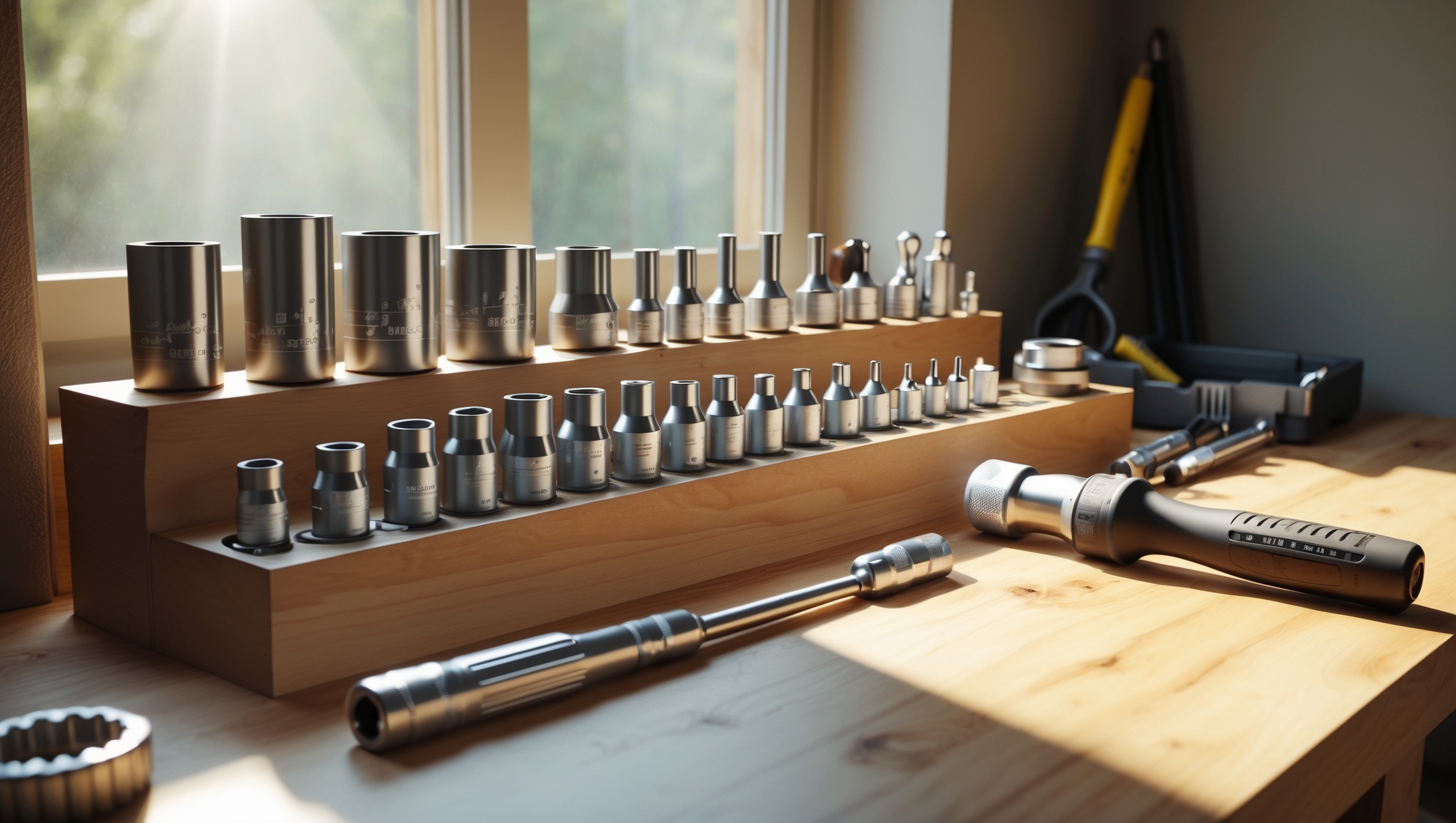
Shallow sockets—sometimes called standard sockets—are the most common type found in basic toolkits. They’re typically about as tall as the width of the nut or bolt they’re designed to fit, providing just enough depth to grip the fastener securely. These sockets are ideal for bolts and nuts that are flush with the surface, or only protrude slightly.
- Typical length: 25–38mm (1–1.5 inches)
- Best for: Easily accessible fasteners
- Common sizes: 1/4″, 3/8″, 1/2″ drive; metric and SAE
What Is a Deep Socket?
Deep sockets are significantly longer—usually two to three times as long as their shallow counterparts. The extra depth allows them to reach nuts that are recessed on long bolts or in tight spaces, especially where the threaded end of the bolt extends well beyond the nut.
- Typical length: 50–76mm (2–3 inches)
- Best for: Nuts on long bolts, recessed fasteners, spark plugs
- Common sizes: 1/4″, 3/8″, 1/2″ drive; metric and SAE
Comparing Deep vs. Shallow Sockets: Key Differences
Reach and Accessibility
The defining feature of a deep socket is its ability to reach fasteners located further from the surface or at the end of long bolts. Shallow sockets, on the other hand, are limited by their length and can only grip fasteners close to the surface. This makes deep sockets indispensable for automotive repairs, certain furniture assembly, and tasks with protruding bolts.
Strength and Torque
Shallow sockets have less metal between the drive end and the fastener, making them less likely to twist or deform under high torque. This means they’re ideal for breaking loose stubborn bolts. Deep sockets, while versatile, can sometimes flex or break under extreme torque, especially if they’re from lower-quality sets.
Clearance and Fit
Sometimes, the length of a deep socket becomes a drawback, especially in tight spaces with limited clearance above the fastener. Shallow sockets shine in these scenarios, fitting into compact areas where a deep socket simply won’t fit.
Versatility
Deep sockets can substitute for shallow sockets in many cases, but not always the other way around. However, the added length can make them awkward or unnecessary for quick jobs on accessible fasteners. Shallow sockets are lighter and easier to maneuver in most household applications.
Cost Considerations
Deep socket sets are typically more expensive than shallow sets due to their size and the additional material required. However, combination sets that include both types can offer the best value for DIYers who want maximum flexibility.
Common DIY Tasks: Which Socket Should You Use?
Furniture Assembly and Flat Packs
Most furniture assembly tasks, especially those involving hex bolts and nuts, can be handled with shallow sockets. These fasteners rarely protrude far enough to require the extra depth of a deep socket. However, if you hit a nut that’s recessed in a hole or channel, a deep socket may be required.
Bicycle and Outdoor Equipment Repairs
Similar to furniture, bicycle and outdoor equipment repairs often use shallow sockets. However, for tasks like removing wheel nuts or working on axles, a deep socket’s reach can prove invaluable.
Plumbing and Under-Sink Repairs
Many under-sink connections use long bolts or nuts that are tucked away in hard-to-reach spots. Deep sockets make it much easier to loosen or tighten these fasteners without marring the threads or damaging nearby pipes.
Automotive and Lawn Equipment Maintenance
Deep sockets are a must-have for automotive work, such as removing spark plugs, working on shock absorbers, or dealing with long, threaded bolts. Many lawnmowers and small engines also have fasteners that require deep sockets for proper access.
Electrical and Light Fixture Installations
When installing ceiling fans, light fixtures, or other electrical equipment, you may encounter both shallow and deep fasteners. A combination of both socket types ensures you’re prepared for any scenario.
Socket Set Features to Consider for Home Use
Drive Size
Socket sets come in various drive sizes: 1/4″, 3/8″, and 1/2″ are most common for home use. Smaller (1/4″) sets are ideal for light-duty work, while 3/8″ offers a good balance for most household repairs. Only opt for 1/2″ if you expect to tackle heavy-duty automotive or structural projects.
Material and Finish
Look for sockets made from high-quality chrome vanadium steel with a polished or satin finish. This resists corrosion and makes clean-up easier. Black oxide finishes are also durable but can show wear more quickly.
6-Point vs. 12-Point Sockets
6-point sockets grip the bolt on the flat sides, providing better torque and reducing the risk of rounding. 12-point sockets are easier to position but offer less grip under high torque. For stubborn or high-strength fasteners, 6-point is preferable.
Markings and Organization
Clear, engraved size markings make it easy to grab the right socket. Storage cases or rails help keep your set organized and reduce the risk of lost pieces.
Cost Breakdown: Building a Socket Set on Any Budget
Entry-Level Socket Sets
- Price Range: $15–$40
- Contents: Typically includes 10–20 shallow sockets in a single drive size, basic ratchet
- Best for: Light repairs, assembling furniture, occasional use
These sets are great for beginners or those who only perform light repairs. Be wary of ultra-cheap sets with brittle metal or poorly fitting sockets.
Mid-Range Combination Sets
- Price Range: $40–$90
- Contents: 20–40 sockets (shallow and deep), ratchets, extensions
- Best for: Routine home repairs, basic auto work, DIYers who want versatility
Combination sets are the sweet spot for most homeowners. Look for reputable brands, lifetime warranties, and sturdy cases.
Premium and Specialized Sets
- Price Range: $100 and up
- Contents: Full shallow and deep socket ranges, multiple drive sizes, adapters, specialty sockets (e.g., spark plug, Torx)
- Best for: Serious hobbyists, automotive work, frequent repairs
If you expect to tackle a wide range of projects, premium sets save time and frustration by ensuring you always have the right tool on hand.
DIY Socket Set Upgrades: Must-Have Accessories
- Extensions: Allow you to reach fasteners in tight or awkward spots. Useful for both shallow and deep sockets.
- Universal Joints: Make it easier to work around obstacles by providing a flexible connection between the ratchet and socket.
- Adapters: Let you use sockets with different drive sizes or connect sockets to power tools.
- Spark Plug Sockets: Specialized deep sockets with rubber inserts to protect spark plugs during removal and installation.
Maintenance and Care: Keeping Sockets in Top Shape
Cleaning and Storage
After each use, wipe your sockets with a clean cloth to remove grease and debris. Store them in a dry, organized case to prevent rust and loss. If sockets become grimy, soak them in warm, soapy water, scrub with a brush, and dry thoroughly before storage.
Inspection and Safety
Periodically inspect sockets for cracks, chips, or deformed openings. Damaged sockets can slip or shatter under load, posing a safety risk. Always use the correct drive size and never force a socket onto a fastener that doesn’t fit.
Step-by-Step: Choosing the Perfect Socket Set for Your Home Toolkit
- Assess Your Typical Projects: List common repairs and upgrades you perform—furniture, bikes, plumbing, automotive, appliances.
- Determine Required Sizes: Check instruction manuals or inspect fasteners on your most-used items for drive size and metric vs. SAE.
- Choose Socket Types: For general home use, a combination of shallow and deep sockets covers most needs.
- Set Your Budget: Balance price with quality. Mid-range sets offer the best value for most DIYers.
- Check for Accessories: Ensure the set includes a quality ratchet, extensions, and a sturdy case.
- Read Reviews: Look for feedback on fit, finish, and durability before buying.
Frequently Asked Questions About Deep and Shallow Sockets
Can I use a deep socket for everything?
While deep sockets are versatile and can handle most tasks, they may not fit in tight spaces where shallow sockets excel. For optimal efficiency and comfort, having both types is recommended.
Are impact sockets different from regular sockets?
Yes. Impact sockets are made from tougher steel and usually have a black finish. They’re designed to withstand the hammering of power tools but are bulkier and heavier. For hand tool use, standard sockets are usually sufficient.
Should I buy metric or SAE sockets?
Ideally, both. Many household items use metric fasteners, while some older or North American-made products use SAE. A combination set ensures you’re always prepared.
Do I need a complete set, or can I buy individual sockets?
If you frequently work on the same types of projects, buying individual sockets in the sizes you need can save money. However, a complete set offers flexibility for unexpected repairs.
Conclusion: Building a Socket Set That Simplifies Home Repairs
Choosing between deep and shallow sockets isn’t just a technical detail—it’s a decision that can mean the difference between a smooth, satisfying repair and a frustrating, tool-throwing ordeal. By understanding the strengths and limitations of each type, you can tailor your tool kit to match the projects you tackle most frequently. Shallow sockets excel in tight spaces and for most flush fasteners, while deep sockets are indispensable for recessed nuts, long bolts, and certain specialty repairs. For many DIYers, a combination set provides the best of both worlds, ensuring you’re prepared for any challenge your home throws at you.
Don’t forget to consider quality, drive size, and essential accessories when building your set. Investing in a reliable, well-organized socket kit saves time, reduces stress, and boosts your confidence when tackling repairs and upgrades. With proper care and maintenance, the right set of sockets will last a lifetime—and pay for itself many times over by making repairs faster and easier. So whether you’re a weekend tinkerer or a hands-on homeowner, take the time to choose the socket set that fits your needs, and enjoy the satisfaction of repairs done right every time.


I usually end up grabbing whatever socket is closest when working on my kids’ bikes or tightening furniture bolts. Are there any situations where using the wrong one (deep vs. shallow) could actually damage the tool or the bolt?
Yes, using the wrong socket can sometimes cause damage. For example, using a shallow socket on a long bolt or nut can lead to poor grip and possibly strip the corners, especially if the nut is recessed. On the other hand, using a deep socket where a shallow one is needed might make it harder to apply enough torque, or even crack the socket if it’s under stress it wasn’t designed for. Choosing the right socket helps prevent rounding off bolts and prolongs the life of your tools.
Do deep sockets generally cost a lot more than shallow ones? If I’m sticking to a tight budget, is it worth buying a mixed set or just focusing on the most common sizes for the types of repairs I handle at home?
Deep sockets usually cost a bit more than shallow ones due to the extra material, but the price difference isn’t huge for most standard sets. If you’re on a tight budget, consider buying a set that includes only the most common sizes you’ll use, or look for a mixed set with essential deep and shallow sockets. This way, you avoid paying for rarely used sizes while still covering most DIY home repairs.
When assembling a basic toolkit for home DIY, would you recommend starting with a mixed set of both deep and shallow sockets, or is there an advantage to focusing on one type until you encounter a specific need for the other?
For a basic home DIY toolkit, choosing a mixed set with both deep and shallow sockets is often the best way to start. This gives you flexibility for a variety of tasks—shallow sockets are great for tight areas, while deep sockets handle longer bolts or recessed nuts. Starting with both means you won’t be caught off guard by unexpected jobs.
You talk about assembling a socket set that fits my personal DIY needs. If I’m just starting out and mainly working on basic home repairs and furniture assembly, could I get by with only shallow sockets, or is it worth investing in deep sockets from the beginning?
If your main tasks are basic home repairs and furniture assembly, a set of shallow sockets will cover most of your needs, since these jobs usually involve bolts that aren’t recessed. Deep sockets are most useful for reaching nuts on long bolts or studs, which are less common in beginner DIY projects. You can always add deep sockets later if you run into situations where they’re needed.
When putting together a basic tool kit for household maintenance, how important is it to have both metric and SAE socket sizes, especially if I’m just tackling typical home projects and not working on vehicles?
For most household maintenance tasks, having only one type—usually metric—is often enough since many modern fixtures use metric fasteners. However, some older fixtures or imported items may use SAE sizes, so including both can make your toolkit more versatile and prevent frustration if you encounter the occasional non-metric bolt or nut. If space or budget is tight, start with metric, but consider adding SAE over time.
The article talks about the advantages of having both deep and shallow sockets, but for someone just starting to build a toolkit on a budget, is it smarter to buy one type first? If so, which one covers more of the basic home repair needs?
If you’re just starting out and want to cover the widest range of typical home repairs, a set of shallow sockets is usually the better first purchase. Shallow sockets handle most common nuts and bolts found in household tasks and are generally more compact, making them easier to use in tight spots. You can always add deep sockets later as your projects get more varied.
You mentioned that homeowners often end up with the wrong type of socket halfway through a project. Are there particular signs I should watch for when I’m about to tackle a new repair that would indicate I need a deep socket instead of a shallow one?
Absolutely, there are a few signs to look out for. If the nut or bolt you need to reach is recessed or sits deep inside a hole, a deep socket is often required. Also, if the bolt has a long thread sticking out or is attached to a stud, a shallow socket might not be able to grip it fully. Checking the space and how far the fastener sits below the surface can help you decide before starting.
I run a small painting and repair business, and sometimes we deal with projects where the nuts or bolts are pretty recessed, like under sinks or behind appliances. Would you recommend investing more in deep sockets for those specific situations, or can shallow sockets still cover most home repair needs?
For situations where nuts or bolts are recessed, such as under sinks or behind appliances, deep sockets are much more effective than shallow ones. While shallow sockets can handle most general repairs, deep sockets provide the extra reach needed for those tricky spots. Investing in a set of deep sockets would definitely make your repair work easier and more versatile.
When assembling a basic toolkit for general household repairs, how many socket sizes or drives would you recommend picking up initially? Is it better to get a smaller high-quality set or a larger, less expensive kit to cover more situations?
For most general household repairs, starting with a set of the most common socket sizes—usually 1/4-inch and 3/8-inch drive—should cover most tasks. A quality set with a good range of both metric and SAE sizes (around 20–30 pieces) is a smart investment. It’s generally better to choose a smaller, higher-quality set that won’t round off bolts or break easily, rather than a large, low-quality kit.
When comparing costs between deep and shallow socket sets, does one type usually last longer or hold up better over time with regular home DIY use? Or are they about the same in terms of durability if I take good care of them?
Deep and shallow sockets are generally made from similar materials and have comparable durability when used for typical home DIY tasks. If you handle them properly—avoiding rust and using them correctly—both types should last a long time. The main difference is in their intended use, not how well they hold up. So, with good care, either type should serve you well for years.
You mentioned both metric and SAE sizes for sockets. If I mostly work on older furniture or bikes around the house and I’m on a budget, should I prioritize buying shallow or deep sockets first, or should I try to find a set that has a mix of both in the most common sizes?
If you’re mainly working on older furniture and bikes, you’ll probably find shallow sockets cover most of your needs and are usually more affordable. However, if your budget allows and you want maximum flexibility, a mixed set with both shallow and deep sockets in common sizes can be a great investment, as it prepares you for trickier, recessed bolts you may occasionally encounter.
You mention both metric and SAE sizes for sockets—does it matter more which type I buy in deep versus shallow sockets, or should I try to get both styles in each type for general DIY tasks?
For general DIY tasks, it’s best to have both deep and shallow sockets in both metric and SAE sizes if possible. This ensures you’re prepared for a wider variety of fasteners and situations, especially since household items and vehicles may use either measurement system. If you have to choose, start with the type most common in your projects, but a mixed set covers more bases.
I always seem to run into trouble when working under the kitchen sink, where bolts are tucked way back. Would a deep socket always work in these tight spaces, or should I consider other tools for hard-to-reach spots?
Deep sockets can help reach bolts that are recessed, but under the kitchen sink, space is often so limited that even a deep socket might not fit or provide enough room to turn the ratchet. In these cases, a combination of a universal joint adapter, an extension bar, or even a box-end wrench can make it easier to access tight spots. Flex-head ratchets are also useful for these awkward angles.
You talked about socket sizes like 1/4″, 3/8″, and 1/2″ drive, both in metric and SAE. When assembling a starter socket set for simple DIY projects, do I need to pick all those drive sizes and types, or is there a more budget-friendly way to cover the basics without buying duplicates?
For basic DIY projects, you don’t need to buy all three drive sizes. Starting with a 3/8″ drive socket set is the most versatile option—it handles most common tasks and covers a good range of socket sizes in both metric and SAE. This way, you avoid duplicates and keep things budget-friendly while still being well-equipped for typical home repairs.
When assembling a starter tool kit, is it more cost-effective to buy a mixed set with both deep and shallow sockets, or should you invest in one type first if you mostly handle household furniture and bike repairs?
For household furniture and bike repairs, shallow sockets are usually enough because these tasks often don’t involve reaching deeply recessed nuts. Starting with a quality shallow socket set can be more cost-effective. However, if your budget allows, a mixed set gives you flexibility for future projects that might require deep sockets. But for your current needs, just shallow sockets should be fine.
When comparing the costs of deep versus shallow sockets, does the added expense of buying both styles usually pay off in practice for small business owners doing light repair work, or can you get by with one type for most situations?
For light repair work in a small business, most jobs can be handled with a good set of shallow sockets, which are generally less expensive. However, investing in both deep and shallow sockets can pay off over time, since deep sockets handle longer bolts and tricky spots that shallow ones can’t reach. If your work occasionally involves hard-to-access fasteners, having both types is worthwhile; otherwise, you can start with shallow sockets and add deep ones as needed.
The article mentions that deep sockets are better for bolts that are recessed or in tight spots. For someone mostly working on furniture assembly and simple household fixes, will shallow sockets typically be enough, or are there common situations where deep sockets become necessary?
For most furniture assembly and basic household repairs, shallow sockets are usually all you need. These jobs typically involve bolts and nuts that are easily accessible. Deep sockets are mainly helpful if you encounter long bolts or fasteners set deep into a surface, which is rare for standard home projects. Unless you often work with recessed bolts, a shallow socket set should cover your needs.
If I mostly work on furniture assembly and occasional bicycle maintenance, would you recommend focusing my kit on shallow sockets, or are there specific scenarios where deep sockets would be essential for those kinds of projects?
For furniture assembly and basic bicycle maintenance, a set of shallow sockets should cover almost all your needs. These tasks usually involve bolts or nuts that aren’t recessed deeply. Deep sockets are rarely required unless you encounter bolts with long threads or need to reach a nut recessed into a frame. For most home DIY and bike work, you can confidently start with shallow sockets.