

Introduction: Why Every Home Needs a Water Leak Detection System
Water leaks are among the most common—and costly—home maintenance issues. Whether it’s a slow drip beneath the sink or an unexpected burst pipe in the basement, unchecked water leaks can cause extensive property damage, promote mold growth, and inflate your utility bills. In fact, the Environmental Protection Agency estimates that household leaks can waste nearly 10,000 gallons of water each year. But there’s good news: modern water leak detection systems are more accessible, affordable, and DIY-friendly than ever before. From smart sensors to full-home shutoff valves, today’s technology empowers homeowners to spot trouble early and act fast. This comprehensive guide will walk you through the essential steps of choosing, installing, and maintaining a water leak detection system tailored for DIYers. You’ll discover practical advice, tool and equipment recommendations, real-world setup tips, and troubleshooting strategies—so you can protect your home from water damage without breaking the bank or calling in the pros.
Understanding Water Leak Detection Systems: Types and Components
What Is a Water Leak Detection System?
A water leak detection system is a network of sensors and devices designed to alert you to the presence of unwanted water in specific locations around your home. Some advanced systems can even shut off your water supply automatically in the event of a major leak, helping prevent catastrophic damage.
Main Types of Leak Detection Systems
- Standalone Spot Sensors: Small, battery-powered devices placed in high-risk areas (under sinks, behind appliances, near water heaters) that sound an alarm and/or send alerts if water is detected.
- Whole-Home Monitors: Devices that attach to your main water line to track water flow and detect anomalies indicative of leaks. Many connect to smart home platforms for real-time notifications.
- Automatic Shutoff Systems: Advanced setups that combine leak sensors with a motorized valve on your main water supply. When a leak is detected, the valve closes automatically.
Key Components
- Sensors: Detect the presence of water via moisture, conductivity, or pressure changes.
- Control Hub: Central unit (optional for standalone sensors) that communicates with sensors and relays alerts.
- Mobile App/Notification System: Sends push notifications, emails, or texts when leaks are detected.
- Shutoff Valve: (If included) Mechanically turns off the water supply upon leak detection.
- Power Source: Batteries, AC adapters, or hardwired connections.
Choosing the Right Leak Detection System for Your Home
Assessing Your Needs
Start by identifying your home’s risk zones. Common leak-prone areas include:
- Basement and crawl spaces
- Under sinks and behind toilets
- Water heater closets
- Laundry rooms (behind washers)
- Near dishwashers and refrigerators with water lines
Consider the following:
- Home size and number of risk areas: Larger homes and more appliances may require multiple sensors or a whole-home system.
- Smart home integration: Do you want alerts on your phone, or even voice assistant compatibility?
- Budget: Spot sensors can cost as little as $20 each, while whole-home systems range from $200 to $800+.
- DIY installation complexity: Some systems are plug-and-play, others require basic plumbing skills.
Comparing Popular DIY Leak Detection Systems
- Spot Sensors (e.g., Govee, Honeywell Lyric): Affordable, easy to install, app alerts, battery-powered. Ideal for renters or targeted protection.
- Flow-Based Monitors (e.g., Flo by Moen, Phyn): Attach to main supply, monitor usage patterns, can detect invisible leaks (like in walls). May require professional installation if you’re not comfortable with plumbing.
- Automatic Shutoff Valves (e.g., LeakSmart, Dome): Combine sensors and valve for maximum protection. DIY-friendly versions clamp onto existing valves; some require cutting pipes.
What to Look For
- Reliable mobile notifications and/or audible alarms
- Long battery life or backup power options
- Water resistance and durability
- Easy sensor reset and maintenance
- Integration with existing smart home systems (optional)
Tools and Equipment Needed for DIY Installation
- Leak detection system (sensors, hub, shutoff valve as required)
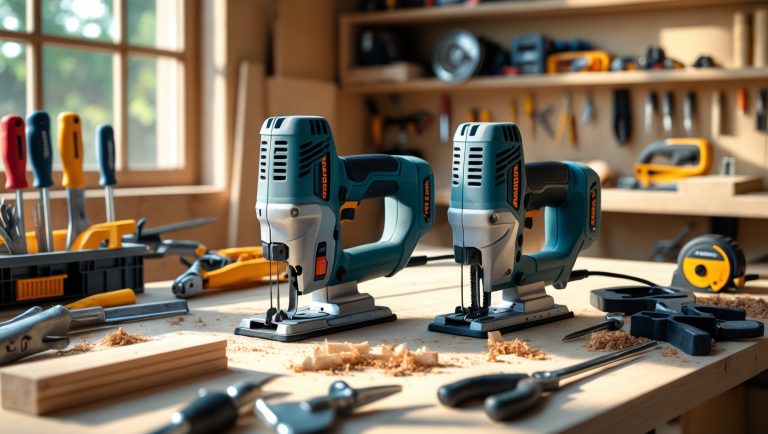
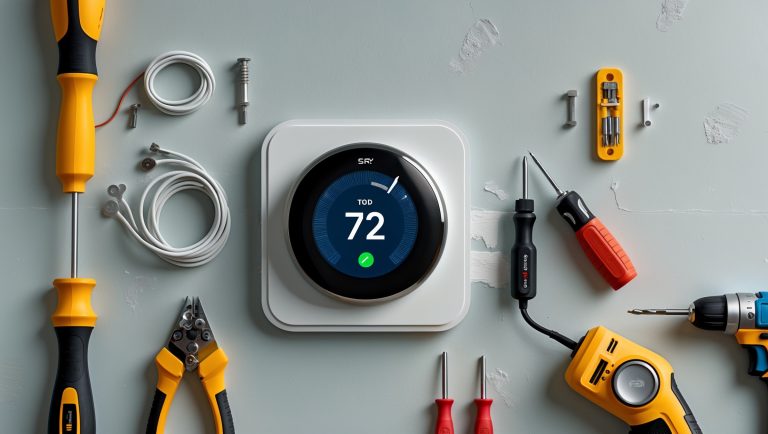
- Basic hand tools: screwdriver set, adjustable wrench, pliers
- Drill and drill bits (for mounting hubs or sensors)
- Measuring tape and pencil for positioning
- Pipe cutter (if installing an in-line shutoff valve)
- Channel-lock pliers (for tight spaces or stubborn fittings)
- Plumber’s tape (Teflon tape) for sealing threaded connections
- Smartphone or tablet for app setup and testing
- Extra batteries (for battery-powered sensors)
- Zip ties or adhesive pads (for tidy sensor placement)
Step-by-Step Setup Tutorial: Installing Your Leak Detection System
1. Plan Sensor Placement
Identify the highest-risk areas first. Check for proximity to water sources, electrical outlets, and Wi-Fi coverage for smart sensors. Mark locations with a pencil.
2. Unbox and Inspect Components
Lay out all parts and verify you have the necessary mounting hardware and manuals. Register your devices if required by the manufacturer.
3. Prepare the Installation Area
- Clean floors and remove clutter near installation points.
- Ensure sensors will be in contact with the floor or at the lowest point where water would accumulate.
- For shutoff valves, shut off your main water supply before starting.
4. Install Sensors
- Place spot sensors flat beneath appliances or pipes.
- Use adhesive pads, screws, or zip ties as recommended to secure sensors.
- For smart models, follow pairing instructions with your hub or app. Test connectivity before final placement.
5. Mount the Control Hub (if applicable)
- Choose a central location with strong Wi-Fi and nearby power outlet.
- Mount using included screws or adhesive.
- Connect to home Wi-Fi and pair with sensors per manufacturer’s instructions.
6. Install a Shutoff Valve (Optional)
- Locate your main water supply line (usually in the basement, garage, or utility closet).
- If your system uses a clamp-on actuator, align it with the existing valve and secure it firmly.
- For in-line valve replacements, use a pipe cutter to remove the required section, apply plumber’s tape, and install the new valve per instructions. Tighten fittings securely.
- Reconnect water supply and check for leaks.
7. Connect and Test the System
- Install or check batteries in each sensor.
- Use the app to run a detection test. Place a damp cloth under each sensor to simulate a leak—verify that you receive notifications and/or alarms.
- If using a shutoff valve, trigger a test to ensure it closes and reopens properly.
- Adjust sensor placement as needed for optimal coverage and reliability.
8. Finalize Installation
- Label each sensor’s location in your app if possible (e.g., “Basement Water Heater”).
- Record installation dates and battery change reminders.
- Store manuals and spare batteries in a known location.
Maintenance Best Practices: Keeping Your Leak Detection System Reliable
Regular Testing
- Test each sensor quarterly by placing a damp cloth or small cup of water nearby.
- Check for app or hub firmware updates and install promptly.
Battery Replacement
- Replace batteries at least once a year, or as soon as you receive a low-battery alert.
- Keep a log of battery changes for each sensor.
Cleanliness & Inspection
- Wipe sensors with a dry cloth to remove dust or debris every few months.
- Check for signs of corrosion on sensor contacts.
Seasonal Checks
- Inspect for sensor displacement after heavy cleaning, appliance moves, or renovations.
- In winter, pay special attention to areas at risk of freezing pipes.
Troubleshooting Common DIY Installation Issues
False Alarms
- Ensure sensors are not touching condensation-prone pipes or air conditioner outlets.
- Move sensors away from sources of humidity or cleaning products.
Connectivity Problems
- Improve Wi-Fi signal with a mesh system or extender near the control hub.
- Check for firmware updates or re-pair devices if needed.
Shutoff Valve Won’t Close
- Ensure no obstructions in the valve’s path.
- Recalibrate following manufacturer’s instructions.
- Check battery or power supply to the actuator.
Cost Breakdown and Budgeting Tips
Typical Costs
- Spot sensors: $20–$50 each (may need several)
- Smart hub (if required): $50–$150
- Whole-home flow monitors: $200–$400
- Automatic shutoff valve: $150–$400
- Miscellaneous (batteries, mounting hardware): $20–$40
For a typical three-bedroom home, expect to spend $100–$600 depending on system complexity and coverage.
Ways to Save
- Start with spot sensors in highest-risk areas; expand coverage over time.
- Look for bundle deals or open-box discounts from reputable retailers.
- Choose DIY-friendly systems to avoid professional installation fees.
- Some insurance companies offer discounts for having water leak detection—check with your provider.
Real-World Case Study: DIY Leak Detection Saves Thousands
When Sarah, a homeowner in Oregon, installed four basic spot sensors under her kitchen sink, water heater, and laundry room, she didn’t expect them to spring into action so soon. Just six months later, a slow leak developed behind her washing machine. The sensor detected the first few drops, triggering an app alert on her phone. Sarah was able to shut off the water and fix a loose hose clamp for under $10—avoiding what could have been thousands in water damage and an insurance claim. Her experience underscores the value of even the simplest leak detection setups and the peace of mind they provide.
Conclusion: Long-Term Benefits of DIY Leak Detection
Investing in a home water leak detection system is one of the smartest, most cost-effective steps you can take to safeguard your property. With today’s DIY-friendly technology, you don’t need advanced plumbing skills or a big budget to set up robust protection. The right combination of sensors and (optionally) a shutoff valve can alert you to leaks before they become disasters, saving you money on repairs, insurance premiums, and utility bills. Regular testing and maintenance are minimal—especially compared to the hassle and expense of cleaning up water damage or dealing with mold remediation. Plus, the peace of mind is priceless: whether you’re at home or away, you’ll know your sensors are on duty, ready to catch the first sign of trouble. Start small if you need to, focusing on your home’s most vulnerable spots, and expand your system as your budget allows. With careful planning and the right tools, any DIYer can take control of water leak risks and enjoy a safer, smarter home for years to come.

Can you clarify if the whole-home water leak monitors require professional plumbing knowledge for installation, especially when it comes to attaching them to the main water line? I’d like to try it myself but don’t want to get in over my head.
Whole-home water leak monitors that attach directly to your main water line typically require turning off your home’s water supply and cutting into the pipe, which can be challenging without plumbing experience. While some systems are designed for easier DIY installation, most recommend or require a professional plumber to ensure proper and safe setup. If you’re not comfortable working with your main water line, hiring a professional is the safest route.
Could you explain how the automatic shutoff systems work if the power goes out or if Wi-Fi is lost? I’m curious about their reliability in emergencies compared to the basic battery-powered sensors.
Automatic shutoff systems often rely on electricity and Wi-Fi to operate fully. If the power goes out, many models with built-in battery backups can still function to some extent—usually to detect leaks and sometimes to close the valve, but this varies by brand. If Wi-Fi is lost, most shutoff valves can continue to detect leaks and close the valve locally, but you might not get remote alerts. Basic battery-powered sensors are simpler and tend to be more reliable in outages, but they won’t automatically shut off your water—they just sound an alarm.
For a small business operating out of a converted home space, do you recommend starting with standalone spot sensors or investing in a whole-home water monitor? I’m trying to balance upfront costs with long-term protection, so any insight on which option suits a home office setup would help.
For a small business in a home-office setup, starting with standalone spot sensors in high-risk areas—like under sinks, near water heaters, or by appliances—can be a cost-effective way to get protection without a big upfront investment. If your business expands or if water damage risk increases, you can always add more sensors or upgrade to a whole-home monitor later.
You talk about sensors being placed near appliances and water heaters. Are there budget-friendly options that still provide real-time alerts to a smartphone, or do those features only come with more expensive systems?
Yes, there are budget-friendly water leak sensors that offer real-time smartphone alerts. Many entry-level systems connect via Wi-Fi or Bluetooth and send notifications to your phone through a dedicated app. While they might lack advanced features like integration with smart home hubs or automatic shutoff valves, they still provide reliable leak alerts without a high price tag. Just double-check compatibility with your phone before purchasing.
I’m on a budget and wondering, are the standalone spot sensors sufficient for most situations, or do you really need to invest in a whole-home monitor to be fully protected?
Standalone spot sensors are usually enough if you only need to monitor specific high-risk areas like under sinks or near your water heater. They can alert you quickly to leaks in those spots without much expense. However, a whole-home monitor offers broader protection and can detect leaks anywhere in your plumbing, which is ideal for maximum coverage but does cost more. For most people on a budget, starting with spot sensors in key areas is a practical first step.
The article mentions troubleshooting strategies for these systems. What are some common issues DIYers might encounter during installation or regular use, and are there easy fixes available for problems like false alarms or sensor battery failures?
DIYers often encounter issues like false alarms, weak sensor signals, or sensor battery failures. False alarms can happen if sensors are placed near sources of harmless moisture, such as sinks or humid areas—try relocating the sensors. For battery failures, check and replace batteries regularly, and consider using high-quality, long-lasting batteries. If the system loses connection, ensure your hub or sensors are within range of your Wi-Fi network and reposition them if needed. Most problems can be resolved with these quick checks and adjustments.
When installing spot sensors in areas like behind appliances or under sinks, do you have any tips for keeping them secure and making sure they do not get knocked loose during routine cleaning or maintenance?
To keep spot sensors secure behind appliances or under sinks, consider using double-sided adhesive strips or Velcro to attach them firmly to flat surfaces. For extra stability, you can use small cable clips or brackets if your sensors have mounting holes. Try to position them in corners or along walls, out of the main path of cleaning tools, and check their placement periodically during routine maintenance.
I’m curious about the whole-home monitor systems mentioned. Do these typically work with homes that have older plumbing, or are there compatibility issues I should watch out for when installing on older copper or galvanized pipes?
Whole-home water leak monitor systems generally work with older plumbing, including copper and galvanized pipes. However, you may encounter challenges with pipe diameter or threading, as some older pipes don’t match the standard fittings provided with new systems. Before purchasing, check the manufacturer’s compatibility guidelines and measure your pipe size. If needed, adapters are often available at hardware stores to bridge the gap between old and new connections.
For homeowners interested in the automatic shutoff systems you mentioned, do most DIY-friendly options require any plumbing experience for installation, or can a typical DIYer handle this step without professional tools?
Most DIY-friendly automatic shutoff systems are designed so that homeowners with basic skills can install them. Some models clamp onto existing pipes without cutting or special plumbing tools, making them accessible for most DIYers. However, others may require shutting off water and cutting into pipes, which involves more plumbing know-how. Always check the installation instructions before purchasing to match your comfort level.
You mention that automatic shutoff systems are more advanced—are those realistic for DIY installation, and do they require plumbing modifications that could increase the overall budget significantly?
Automatic shutoff systems can be installed by skilled DIYers, but they usually require cutting into your main water line to add a shutoff valve, which does count as a plumbing modification. This can add to both the complexity and the cost, especially if you need special tools or choose to hire a plumber for that part. Be sure to review the product instructions and your own comfort level with plumbing tasks before deciding.
When deciding between spot sensors and a whole-home monitor, how do I know which one is better for my particular home? Are there certain situations where one type is clearly more effective than the other?
Choosing between spot sensors and a whole-home monitor depends on your home’s layout and your needs. Spot sensors are great if you want to protect specific areas like under sinks or near your water heater. A whole-home monitor is more effective if you want coverage for your entire plumbing system or if you have a larger home with more potential leak points. If you live in an older home or travel often, a whole-home system often offers better peace of mind.
Could you provide more information on the typical upkeep for battery-powered spot sensors? I’m concerned about maintenance schedules and whether there are any best practices to make sure the system doesn’t fail when it’s needed most.
Battery-powered spot sensors usually require battery checks every 6 to 12 months, depending on the model and battery type. It’s important to test the sensors regularly—many have a test button for this purpose. Replace batteries as soon as you receive a low-battery alert, and keep spare batteries on hand. Also, periodically inspect for dust or debris around the sensors, which could affect performance. Setting calendar reminders for checks helps ensure the system is always ready to detect leaks.
Can you explain how difficult it is to install an automatic shutoff system as a DIY project? Are there any parts of the setup that typically require a professional plumber, especially when working with the main water line?
Installing an automatic shutoff system can be manageable for experienced DIYers, but it does involve working directly with your main water line, which can be tricky. Most systems require cutting into the main pipe to fit the shutoff valve, which usually means turning off the water supply and using plumbing tools. If you’re not comfortable with pipe cutting or soldering, it’s a good idea to have a professional plumber handle that part to ensure a safe, leak-free installation.
You talk about automatic shutoff systems that can actually turn off the main water line if a major leak is detected. How complicated is it to install one of those as a DIY project, especially if I’ve never worked with plumbing before?
Installing an automatic shutoff system is more advanced than placing basic leak sensors, but it’s doable if you’re comfortable with tools and can follow instructions closely. You’ll need to cut into your main water line to install the shutoff valve and connect it to the detection system, which can involve working with pipe wrenches and possibly shutting off your home’s water supply. If you’ve never done any plumbing before, you might find it challenging, but many kits offer clear step-by-step guides. For peace of mind, consider having a plumber handle just the valve installation, then finish the sensor setup yourself.
You mention that some leak detection systems can automatically shut off the water supply in case of a major leak. Is installing an automatic shutoff system something a beginner DIYer can handle, or does it usually require a plumber?
Installing an automatic shutoff valve can be more involved than setting up basic leak sensors. It usually requires cutting into your main water line and connecting the device, which may involve plumbing skills and using specific tools. Some systems are designed for easier installation, but if you’re not confident working with water lines, it’s safest to consult a plumber to ensure a leak-free, reliable setup.
What kind of ongoing maintenance do these DIY-friendly leak detection systems usually require? I’m concerned about battery life for spot sensors and whether software updates are needed for smart monitors.
DIY water leak detection systems generally require you to check and replace batteries in spot sensors every 1 to 2 years, depending on the brand and frequency of alerts. For smart monitors, you may need to occasionally update the device software or app to ensure you get new features and security patches. It’s a good idea to test sensors periodically to confirm they’re working properly.
I’m interested in the automatic shutoff systems you mentioned. Do most of those require cutting into the main water line, or are there non-invasive options a DIY-er could install on their own without hiring a plumber?
Most automatic shutoff systems do require cutting into the main water line, which usually involves plumbing knowledge and tools. However, there are some non-invasive options available, such as clamp-on ultrasonic sensors that don’t require pipe cutting. These are less common and may be pricier, but they can be installed without major plumbing work. Always check the system’s installation instructions to see if it’s truly DIY-friendly before purchasing.
I noticed you mentioned both spot sensors and whole-home monitors for leak detection. As someone who’s never set up anything like this before, how difficult is it to install a whole-home monitor compared to just using spot sensors under sinks and appliances?
Installing a whole-home water leak monitor is generally more complex than placing spot sensors. Spot sensors just need to be positioned under sinks or near appliances, which usually takes just a few minutes. Whole-home monitors, however, often require cutting into your main water line and may involve tools and plumbing skills. If you’re comfortable with basic plumbing or willing to follow detailed instructions, it’s doable, but for beginners, spot sensors are much easier to set up.
If I start out with just a few spot sensors in high-risk areas, how easy is it to upgrade later to an automatic shutoff system without having to redo the whole setup?
Upgrading from spot sensors to an automatic shutoff system is usually straightforward, especially if you choose components from the same brand or ecosystem. Most modern systems are designed to be modular, so you can easily add a shutoff valve and connect it to your existing sensors without redoing the wiring or setup. Just make sure your initial system is compatible with future expansion.
When it comes to maintaining these water leak detectors, how often do the spot sensors need their batteries changed, and are there any common issues homeowners should check for during regular upkeep?
Spot sensors typically need their batteries replaced every 1 to 2 years, but it’s best to check the manufacturer’s recommendations as some models may vary. During regular upkeep, make sure to inspect sensors for corrosion or debris, ensure they’re dry and securely placed, and test them periodically to confirm they’re working. Also, check for any low battery alerts if your system supports notifications.
You listed standalone spot sensors and whole-home monitors as options. For someone on a tighter budget, is it more effective to start with several spot sensors in key places or save up for a single whole-home monitor?
For a tighter budget, starting with several spot sensors in key leak-prone areas like under sinks, near your water heater, and by the washing machine is often more effective. This allows you to cover the highest risks right away. Whole-home monitors are great, but spot sensors can offer strong protection at a lower upfront cost.
For someone living in a house with multiple water-using appliances and an unfinished basement, would you recommend starting with standalone spot sensors or investing in a whole-home monitor right away? I’m trying to figure out which setup would catch leaks fastest and be easiest to expand later.
With multiple appliances and an unfinished basement, starting with standalone spot sensors is a practical choice. They can be placed near high-risk areas like water heaters, washing machines, and sump pumps, catching leaks as soon as they happen. Spot sensors are easy to add more of as your needs grow. If you want to monitor the whole house in the future, many systems let you upgrade to a whole-home monitor later and still use your existing sensors.
You mention that these systems are more affordable now, but what kind of budget range should a DIYer expect for a decent setup, and are there any hidden costs involved in maintenance or installation for a small storefront?
For a small storefront, you can expect to spend between $100 and $400 for a quality DIY water leak detection system. This range usually covers sensors, a hub, and basic installation tools. Hidden costs might include batteries for wireless sensors, optional subscription fees for advanced app features, and potential upgrades if you expand coverage. Professional installation isn’t necessary for most DIY systems, but plan for a few hours to set everything up yourself.
When installing an automatic shutoff system as a DIYer, are there any specific tools or skills I need, or is this something that can be handled without much plumbing experience? I want to avoid costly mistakes if possible.
Installing an automatic shutoff system does require some basic plumbing skills, like shutting off your main water supply and cutting and reconnecting pipes. You’ll need tools such as an adjustable wrench, pipe cutter, and possibly a screwdriver or drill. If you’re comfortable following instructions and working with plumbing connections, you can usually handle this as a DIY project. If you’re unsure about cutting pipes or dealing with water lines, it’s wise to consult a plumber to avoid potential leaks or mistakes.
You mention some systems can automatically shut off the water supply if a major leak is detected. Are those compatible with older homes that might have dated plumbing, or do they require specific pipe materials to work?
Automatic water shut-off systems are generally compatible with most homes, including older ones. However, installation can depend on the type and size of your main water supply pipe. Many shut-off valves are designed to fit common pipe materials like copper, PVC, or PEX. If your plumbing is unusually old or uses non-standard materials, you might need adapters or a plumber’s help to ensure a secure fit.
When it comes to installing an automatic shutoff system, are there any specific tools or plumbing skills I should have before attempting this as a DIYer, or is it realistic for someone who’s never worked on pipes before?
Installing an automatic shutoff system usually requires some basic plumbing skills, like cutting and fitting pipes and possibly using pipe wrenches or compression fittings. If you’ve never worked with plumbing before, you might find certain steps challenging, especially when connecting the shutoff valve to your main water line. If you’re comfortable following instructions and using basic hand tools, it’s doable, but consider having a friend with plumbing experience help, or be prepared to call a professional if you run into trouble.
You mention that some advanced systems can automatically shut off the water supply during a major leak. How reliable are these systems at distinguishing between an actual leak and normal high water usage, like running multiple appliances at once?
Automatic shut-off systems use sensors and flow algorithms to detect unusual water usage. Most reputable models are quite reliable at telling the difference between leaks and normal high usage, such as running a dishwasher and washing machine at the same time. However, some may trigger false alarms if your peak water usage closely mimics a leak. Many systems allow you to customize sensitivity settings or temporarily override the shut-off feature when expecting higher water consumption.
Is there a big difference in ongoing costs for battery-powered spot sensors versus a whole-home monitor? I’m trying to plan out both the upfront and long-term expenses before deciding which system makes the most sense for my house.
Battery-powered spot sensors generally have lower ongoing costs, as you’ll mostly just need to replace batteries every year or two. Whole-home monitors, especially smart models with automatic shutoff, can have higher ongoing costs due to potential subscription fees for advanced features, plus possible sensor maintenance. Upfront, spot sensors cost less, but if you want comprehensive coverage or peace of mind, a whole-home system may be worth the extra investment.
For someone on a tight budget, is it more effective to start with several standalone spot sensors in key areas or should I invest in a basic whole-home monitor first?
If you’re watching your budget, starting with standalone spot sensors in the most at-risk areas like under sinks or near appliances is usually more cost-effective. These sensors are affordable and provide targeted alerts where leaks are most likely. A whole-home monitor offers broader coverage, but it’s generally more expensive upfront. You can always add more sensors or upgrade to a whole-home system later as your budget allows.
You mentioned that whole-home monitors can connect to smart home platforms and send real-time notifications. Are there specific brands or systems that are known to be most reliable for remote alerts, especially if I travel often?
Yes, some brands are well-regarded for reliable remote alerts. Systems like Flo by Moen, Phyn Plus, and the Guardian Leak Prevention System are known for strong smart home integration and consistent notifications. These devices work with popular platforms like Alexa and Google Assistant and have mobile apps that send real-time alerts, which is helpful if you’re away frequently.
For someone on a tight budget, what would you recommend as the first priority: buying multiple battery-powered spot sensors for each risk area, or investing in just one flow-monitoring device for the main water line? Are there affordable options that still integrate with smart home platforms?
If your budget is tight, starting with a single flow-monitoring device for the main water line is usually the best investment. It can detect leaks anywhere in the house and often sends alerts quickly. Some affordable models do offer basic smart home integration with platforms like Alexa or Google Home. If you have a particularly high-risk area, consider adding a spot sensor there later as your budget allows.
I’m wondering if the automatic shutoff systems mentioned here are easy to install for someone without a lot of plumbing experience. Are there models you’d recommend for beginners, or is it better to stick with standalone spot sensors if I want a DIY setup?
Automatic shutoff systems can be installed by DIYers, but they often require cutting into your home’s main water line, which can be tricky if you don’t have plumbing experience. For beginners, standalone spot sensors are much easier to set up—most just require placing them near potential leak areas. If you do want an automatic shutoff, look for models labeled as DIY-friendly or tool-free installation, but be prepared to spend more time on setup.
When deciding between standalone spot sensors and a whole-home monitor, how do you determine which one is right for your situation? Are there specific scenarios where one type is a better fit than the other?
Choosing between spot sensors and a whole-home monitor depends on your home’s layout and your needs. Spot sensors are ideal for monitoring specific risk areas like under sinks or near hot water heaters. They’re cost-effective if you only worry about a few locations. Whole-home monitors are better if you want to track leaks anywhere in your plumbing system, including behind walls or in hidden pipes—great for larger homes or if you want comprehensive coverage. Consider where past leaks have happened and how much coverage gives you peace of mind.
You mentioned that household leaks can waste nearly 10,000 gallons per year. For someone on a tight budget, is it more effective to focus on placing multiple standalone spot sensors in key areas, or is it worth saving up for a single whole-home monitor?
If you’re on a tight budget, placing several standalone spot sensors in high-risk areas like under sinks, behind toilets, and near your water heater gives you targeted protection at a lower upfront cost. Whole-home monitors are more comprehensive but have a higher initial price. Start with spot sensors in the most vulnerable spots, and you can always upgrade later if needed.
If I live in an older house with tricky plumbing access, are there any extra installation steps or common issues I should expect when setting up a water leak detection system like the ones mentioned here?
In older homes with tricky plumbing access, you might need to spend more time finding suitable spots for sensors, especially near pipes hidden behind walls or under floors. Wireless leak detectors are usually easier to install in these cases. Be prepared for potential challenges like limited electrical outlets or tight crawlspaces—extension cords or battery-powered models can help. Make sure to test your system thoroughly after installation to ensure reliable alerts.
You mentioned both standalone spot sensors and systems with automatic shutoff capabilities. Are there significant differences in ongoing maintenance or battery replacement needs between these two types of leak detectors?
Yes, there are differences in maintenance between standalone spot sensors and systems with automatic shutoff. Standalone sensors are usually battery powered and require periodic battery checks or replacements. Systems with automatic shutoff often have a central unit that may be hardwired or use larger batteries, and the shutoff valve itself may need occasional testing to ensure it works correctly. Overall, standalone sensors typically require less effort beyond checking batteries, while shutoff systems may involve more regular system checks and possibly servicing the valve mechanism.
You mention that whole-home monitors attach to the main water line and some can connect to smart home platforms. Does installation of these require shutting off my water supply for a long period, and are there compatibility issues with older plumbing systems?
For most whole-home leak detectors, you will need to briefly shut off your water supply during installation—usually for 30 minutes to an hour, depending on your plumbing layout and your comfort with DIY tasks. Some older plumbing systems may have compatibility issues, especially if pipe diameters or materials differ from current standards. It’s a good idea to check the manufacturer’s specifications or consult with a plumber before purchasing to ensure the device will fit your setup.
If I want to monitor leaks in multiple spots like under the sink and by the water heater, is it better to get several standalone sensors or invest in a whole-home monitor? What are the pros and cons for a busy household?
For a busy household, a whole-home water leak detection system can be more convenient since it connects multiple sensors to one hub, sending alerts to your phone instantly. This makes monitoring easier, especially if you’re often away. Standalone sensors are less expensive and simple to install, but you’ll need to check each one individually unless they’re smart-enabled. If you want centralized alerts and easier management, a whole-home system is usually worth the investment.
If I go with an automatic shutoff system, how complicated is the installation for someone with basic DIY skills? Are there any common pitfalls or mistakes I should watch out for during setup that could affect how well it works?
Installing an automatic shutoff system is manageable for someone with basic DIY skills, especially since most kits are designed for home use. The main steps involve mounting the shutoff valve on your main water line, connecting sensors, and setting up the control unit. Common pitfalls include not fully shutting off the water supply before installation, improper valve alignment, or loose electrical connections. Double-check all fittings for leaks and test the system thoroughly before relying on it.
Is there a substantial difference in ongoing maintenance or battery replacement frequency between the various leak detection system types mentioned, especially for larger homes? I’d like to understand the long-term upkeep before choosing an option.
Yes, there are some differences in ongoing maintenance and battery replacement across leak detection systems. Standalone battery-powered sensors usually require battery changes every 1–2 years, and larger homes with more sensors mean more batteries to track. Smart systems with central hubs may have longer battery life or even plug-in options, reducing battery hassle. Whole-house systems often connect to power and need less frequent maintenance. For larger homes, consider systems with longer battery life or wired options to minimize upkeep.
If my leak detection system keeps sending false alarms or isn’t detecting small drips, are there common troubleshooting steps I should try before calling a professional? I’d love some advice on maintaining reliability over time.
If your system is giving false alarms or missing small leaks, first check sensor placement—ensure sensors are in direct contact with the floor and positioned where leaks are most likely. Clean sensors regularly to remove dust or debris. Test the system by triggering it with a small amount of water. Double-check battery levels and replace if needed. Review the manufacturer’s calibration instructions to adjust sensitivity. Regular monthly testing helps maintain reliability.
Could you explain more about what tools or skills are needed to install an automatic shutoff system as a DIY project? The article mentions it’s more advanced, so I’m wondering if certain steps might require professional help.
Installing an automatic shutoff system does require a bit more expertise than basic leak sensors. You’ll typically need tools like a pipe cutter, adjustable wrench, screwdriver, and possibly a drill. Basic plumbing skills—like turning off the main water supply and cutting pipe—are needed. More complex steps, such as wiring the shutoff valve to your detection system or working with smart home integrations, may be best handled by a professional, especially if you’re unfamiliar with electrical work.
You mentioned that modern leak detection systems are more DIY-friendly nowadays. Can you give a ballpark idea of how long the average installation might take for a beginner, and what the most challenging step typically is?
For a beginner, installing a modern water leak detection system usually takes about 1 to 2 hours. The most challenging step is often connecting the sensors to your home’s Wi-Fi network and making sure the app is properly set up to receive alerts. The physical installation of sensors is generally straightforward, especially with wireless models.
I run a small retail shop out of my home, and I’m wondering if these smart spot sensors would be sensitive enough to catch slow leaks, like a drip from behind a commercial fridge, or if I’d need a more advanced system?
Smart spot sensors are generally quite sensitive and can usually detect even slow leaks or drips, including those behind appliances like a commercial fridge. For the scenario you described, placing the sensor as close as possible to where a drip might occur should work well. However, if you need constant monitoring over a larger area or need data logging, you might consider a more advanced system with multiple sensors or continuous moisture monitoring.
I noticed you mention both standalone spot sensors and whole-home monitors. Are there any specific situations where you would recommend one type over the other, especially for someone living in an older house with a history of leaks?
For an older home with a history of leaks, a whole-home monitor is usually the better choice as it tracks water flow throughout the entire plumbing system and can detect hidden leaks anywhere, not just in one spot. However, if you know there are specific trouble areas—like under old sinks or near the water heater—adding standalone spot sensors as an extra layer of protection is also a smart idea.
Do you have any tips on balancing affordability with effectiveness when selecting a water leak detection setup? I’m on a budget but still want reliable protection against leaks.
To keep costs down without sacrificing reliability, consider starting with basic battery-powered leak sensors in the most vulnerable areas like under sinks or near appliances. Choose models with loud alarms or smartphone alerts for quick notification. You can expand the system gradually as your budget allows. Also, look for kits that offer multiple sensors at a lower package price. Avoid unnecessary smart home features if they’re not essential for you.
If I’m mostly worried about leaks under sinks and behind appliances, would standalone spot sensors be enough protection, or should I consider a whole-home monitor for better coverage?
If your primary concern is leaks under sinks and behind appliances, standalone spot sensors placed directly in those areas should offer good protection. However, if you want to catch issues like pipe leaks inside walls or in less visible places, a whole-home monitor with flow detection gives broader coverage. It depends on how much of your plumbing you want to monitor and your budget.
I’m interested in the budget side—can you give a ballpark idea of what a basic, reliable setup would cost if I just want sensors for the highest-risk areas like under the sink and around the water heater?
For a basic and reliable setup focused on high-risk areas like under the sink and by the water heater, you can expect to spend between $40 and $100. This usually covers two or three quality standalone leak sensors. If you want app notifications or smart home integration, prices may go toward the higher end, but simple battery-operated models start around $20 each.
I noticed the article mentions both standalone spot sensors and whole-home monitors. For someone living in an older house with a mix of new and old plumbing, would it be better to start with individual sensors in key spots or just go all-in with a whole-home system right away?
For an older house with mixed plumbing, starting with individual spot sensors in high-risk areas like under sinks, near the water heater, or by washing machines is often a practical first step. This lets you address the most vulnerable spots without a big upfront investment. Later, if you want broader coverage or added peace of mind, you can consider adding a whole-home monitor.
If you install a whole-home monitor on your main water line, is it difficult to add automatic shutoff functionality later, or should that be planned for during the initial installation to avoid extra costs and complications?
It’s definitely easier and often more cost-effective to plan for automatic shutoff during the initial installation of your whole-home monitor. Adding it later can mean extra work, including turning off the water again, possibly redoing plumbing, and purchasing compatible shutoff valves. If you think you might want shutoff capability in the future, it’s smart to choose a system that supports it now and, if possible, install the shutoff valve at the same time.
When installing a whole-home water leak monitor that goes on the main line, do I need to turn off the water supply to the entire house for setup? I’m not sure how complicated that step usually is for someone with basic DIY skills.
Yes, you will need to turn off the water supply to your entire house when installing a whole-home water leak monitor on the main line. This ensures there’s no water pressure in the pipes while you cut or install the device. For someone with basic DIY skills, shutting off the main valve is usually straightforward—just locate the main shutoff, turn it clockwise, and run a faucet to confirm the water is off before starting installation.
For someone who’s never installed anything like this before, are there specific tools or skills I’ll need to set up a whole-home leak detection system, or can most beginners handle it on their own? I’m worried about possibly having to cut into pipes.
Most whole-home leak detection systems designed for DIYers come with clear instructions and don’t require advanced skills. Basic tools like a screwdriver, adjustable wrench, and possibly plumber’s tape are usually enough. Typically, you won’t need to cut into pipes—many sensors are placed near appliances or under sinks. If your system has a shutoff valve that goes on the main water line, you might need to shut off the water and loosen a fitting, but major plumbing work is rarely needed.
Are there any maintenance tasks I should be aware of after installing a water leak detection system, like changing batteries or checking for sensor malfunctions? I want to make sure the system keeps working reliably over time.
Yes, ongoing maintenance is important to keep your water leak detection system reliable. You should check and replace batteries in wireless sensors according to the manufacturer’s recommendations, usually once a year. Test each sensor periodically to make sure it triggers alerts properly. Also, inspect sensors for dust, water residue, or corrosion, and wipe them clean if needed. Regularly review the system’s app or control panel for any error messages or connectivity issues.
Does the installation of automatic shutoff systems for leaks require any changes to the existing plumbing, or can a typical DIYer put one in without professional help?
Installing an automatic water shutoff system does usually require making changes to your existing plumbing, such as cutting into the main water line to add the shutoff valve. While many systems are designed with DIYers in mind and come with detailed instructions, basic plumbing skills and the right tools are necessary. If you’re comfortable working with pipes and shutting off your home’s water supply, you can likely handle it yourself. Otherwise, you might want to consult a plumber for installation.
Are there budget-friendly leak detectors you’d recommend that can still connect to a smart home platform for real-time notifications, or do those features mostly come with pricier systems?
You can definitely find budget-friendly water leak detectors that offer smart home connectivity and real-time notifications. Some well-reviewed models from brands like Govee and YoLink are quite affordable and can integrate with platforms like Alexa or Google Home. While premium systems may have extra features, these budget models still provide reliable alerts to your phone and smart devices.
If a leak is detected and I’m not home to deal with it right away, how reliable are real-time notifications from these smart sensors, and do they work well with multiple users or roommates getting alerts on their phones?
Real-time notifications from most smart water leak sensors are quite reliable, provided your home Wi-Fi and the sensor’s app are both working properly. These systems are designed to send instant alerts to your phone if a leak is detected. Most apps also allow you to add multiple users, so roommates or family members can receive notifications at the same time, making it easy for everyone to stay informed.
Could you provide some guidance on how to decide between standalone spot sensors and a whole-home monitor for a typical single-family house? I’m trying to figure out which setup offers better value and protection for a DIY installation.
For a single-family house, standalone spot sensors are cost-effective and ideal if you want to monitor specific risk areas like under sinks, near the water heater, or by the washing machine. They’re easy to install and expand as needed. Whole-home monitors, on the other hand, track your main water line for leaks anywhere in the house and can sometimes shut off water automatically—offering broader protection, though they’re pricier and may require more installation effort. Consider your budget, the home’s layout, and how much coverage you want when deciding.
What’s the average amount of time and DIY skill needed to install one of these systems, especially if I want to try a smart automatic shutoff setup? I’d love tips on typical challenges parents might run into during installation.
Installing a smart automatic shutoff water leak detection system usually takes between 2 to 4 hours for someone with basic DIY skills. You’ll need to be comfortable using tools, following instructions, and possibly working with your main water line. Parents may find challenges with tight spaces, managing water shutoff during installation, and keeping kids away from tools and water sources. Planning ahead, having an extra pair of hands, and setting up a safe work area can make the process smoother.
If a leak detection system triggers a false alarm, especially one with an automatic shutoff valve, what’s the recommended way to troubleshoot or reset the system without risking water damage or leaving the home unprotected?
If your leak detection system triggers a false alarm, first check the sensors for moisture or debris and dry them carefully. Next, inspect the shutoff valve and confirm it’s working properly. Most systems have a reset or override button—use this to restore normal operation. After resetting, test the system with a small amount of water near a sensor to ensure it’s responsive. Avoid disabling the system entirely so your home remains protected while you troubleshoot.
In the section about whole-home monitors, you mention that many of these devices connect to smart home platforms. Can you clarify what kind of Wi-Fi or smart home compatibility homeowners should look for when choosing one, especially if using systems like Alexa or Google Home?
When choosing a whole-home water leak monitor for use with Alexa or Google Home, look for models that specifically mention compatibility with these platforms. Most require a 2.4GHz Wi-Fi network, so ensure your router supports that. Devices with native Alexa or Google Assistant integration will let you control and get alerts via voice commands or your smart home app. Also, check if the system supports IFTTT, which can help with wider smart home automation.
You talk about standalone spot sensors versus whole-home monitors. For someone on a tighter budget, is there a big difference in protection or reliability if I stick with just the spot sensors in high-risk areas, or is it really worth saving up for a whole-home system?
Spot sensors placed in high-risk areas like under sinks or near the water heater can be very effective for targeted leak detection and are usually reliable for those specific spots. However, they won’t catch leaks in other parts of your home. Whole-home monitors are more expensive but offer broader coverage and early detection everywhere water flows. For a tighter budget, starting with spot sensors is a solid choice, and you can always expand your system later.
For those of us on a budget, which type of water leak detection offers the most protection for the lowest upfront cost? Are spot sensors enough for basic peace of mind, or do you recommend saving up for a full-home system?
Spot sensors are a good starting point if you’re on a budget, as they’re affordable and provide protection in key areas like under sinks or near water heaters. For basic peace of mind, placing them in the most leak-prone spots is usually enough. However, a full-home system offers more comprehensive coverage and advanced features, so if your budget allows in the future, upgrading is worth considering.
How reliable are the battery-powered spot sensors over time, especially if they’re placed in hard-to-reach areas like behind appliances? I want to make sure I won’t have to constantly check or replace them for my rental properties.
Battery-powered spot sensors are generally reliable, but their performance depends on battery quality and sensor brand. Most modern sensors have batteries that last 1–3 years and send low-battery alerts via app or email, which is helpful for hard-to-reach spots. For rentals, choose sensors with long battery life and remote monitoring features so you don’t need to regularly access them physically.
If the automatic shutoff system accidentally triggers or malfunctions, what are the troubleshooting steps I should be aware of? Also, are there manual overrides in case I need to restore water quickly?
If the automatic shutoff system triggers accidentally or malfunctions, first check for false alarms from wet sensors or wiring issues. Inspect for leaks or any water near the sensors. Most systems have a manual override valve or a bypass lever you can use to turn the water back on quickly—refer to your system’s instructions for its exact location and operation. Also, resetting the device or the control unit might resolve some malfunctions.
How hard is it to actually install an automatic shutoff system as a DIY project? Do I need any plumbing experience, or can a beginner manage it with basic tools?
Installing an automatic water shutoff system can be manageable for a beginner if you are comfortable following instructions and using basic tools like wrenches and screwdrivers. Many modern kits are designed for DIY installation and come with clear guides. You may need to briefly shut off your main water supply and attach the shutoff valve, so some familiarity with your home’s plumbing layout is helpful but not strictly required. If you run into trouble, you can always consult a plumber for assistance.
If I choose a battery-powered sensor, how often should I expect to replace the batteries, and do these sensors usually give a low-battery warning? Just trying to plan maintenance so the system stays reliable.
Battery-powered water leak sensors typically need new batteries every 1 to 3 years, depending on the model and how often they connect to your network. Most modern sensors include a low-battery warning, either as an audible alert or a notification through their app. It’s a good idea to check the batteries annually and test the system periodically to ensure everything is working.
Could you clarify whether standalone spot sensors need to be checked physically for leaks, or if they typically integrate with smartphone apps to send alerts remotely? I’m interested in setting up something I can monitor even when I’m not at home.
Standalone spot sensors vary in their features. Basic models usually just sound an alarm at the location, so you would need to be home to hear and check them. However, many modern spot sensors do integrate with smartphone apps and Wi-Fi, allowing them to send alerts to your phone if a leak is detected. For remote monitoring, look for models with app or smart home platform compatibility.
If I go with the whole-home monitor that attaches to the main water line, do I need to shut off my water supply during installation? Also, are there any special tools or plumbing skills needed for a typical DIY setup like that?
For most whole-home monitors that attach to your main water line, you will need to shut off your water supply briefly during installation to avoid leaks and ensure safety. As for tools, you’ll usually need basic plumbing tools like an adjustable wrench, pipe cutter, and possibly Teflon tape. Most kits are designed for DIYers and come with clear instructions, so advanced plumbing skills aren’t required, but being comfortable working with your main line helps.
For someone on a tighter budget, do you recommend starting with a few standalone spot sensors in high-risk areas, or is it worth investing upfront in a whole-home monitor for better coverage?
If you’re working with a limited budget, starting with a few standalone spot sensors in the most high-risk areas—like under sinks, near the water heater, or in the basement—is a smart approach. This lets you get some protection without a big investment. You can always expand your system later if your needs or budget grow.
You mentioned that some systems can automatically shut off the water supply during a major leak. Are there any challenges to installing an automatic shutoff valve on an older home’s main water line, especially if the plumbing is copper or galvanized steel?
Installing an automatic shutoff valve on older homes with copper or galvanized steel pipes can present some challenges. You may need to cut and modify existing pipes, which requires proper tools and skills. With galvanized steel, threading and rust can complicate installation. It’s often recommended to consult a plumber if you’re not comfortable working with these materials to ensure a secure and leak-free fit.