
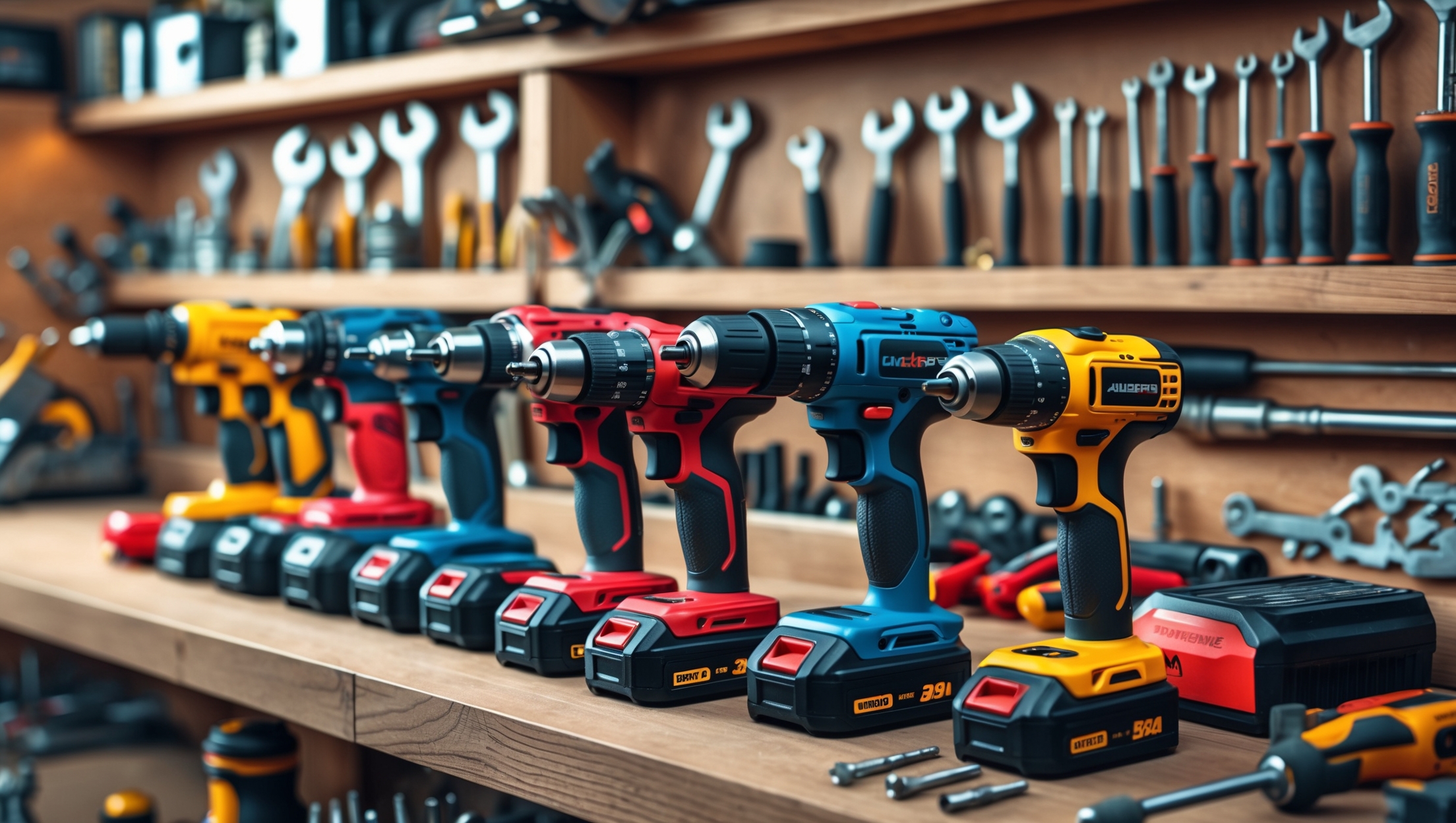
Introduction: Why Cordless Drills Deserve a Deep Dive
Few tools have revolutionized home repairs, maintenance, and upgrades like the cordless drill. Whether you’re assembling flat-pack furniture, installing shelves, or tackling a major renovation, a reliable drill can make all the difference between a smooth project and a frustrating struggle. Yet, with countless models on the market—each boasting different torque ratings, battery technology, and smart features—choosing the right cordless drill isn’t as simple as grabbing the first deal you see. The wrong choice can mean underpowered performance, frequent battery swaps, or a tool that’s cumbersome for your needs. This guide is designed to cut through the clutter. We’ll compare key aspects such as torque output, battery life and type, ergonomic design, and essential (and optional) features. By the end, you’ll know exactly what to look for—whether you’re a weekend tinkerer or a committed DIYer ready to invest in a go-to workhorse for years to come.
Understanding Cordless Drill Basics: What Matters Most
Torque: The Power Behind the Drill
Torque, measured in Newton-meters (Nm), is the rotational force the drill applies to a screw or bit. Higher torque means the tool can drive larger fasteners or drill into tougher materials (like hardwood or masonry). Entry-level drills may offer 20–30 Nm, suitable for assembly and light repairs. Mid-range models often provide 40–60 Nm, covering most home needs. Heavy-duty models can exceed 70 Nm, ideal for demanding tasks such as deck construction or drilling large holes.
Battery Voltage: Not Just a Number
Drill batteries typically come in 12V, 18V/20V (often labeled interchangeably due to marketing), and 24V+ varieties. Higher voltage generally means more power and runtime, but also increased weight. For most homeowners, 18V/20V strikes the best balance between performance and portability. 12V models are ultra-compact and great for light tasks or tight spaces. Reserve 24V+ models for truly heavy-duty needs.
Battery Type: Lithium-Ion vs. Nickel-Cadmium
Modern drills almost exclusively use lithium-ion (Li-Ion) batteries, which are lighter, charge faster, and hold a charge longer than nickel-cadmium (NiCd) batteries. Li-Ion is a must for performance, longevity, and convenience. If you find a drill with NiCd batteries, consider it outdated unless you’re getting it for a rock-bottom price and light use only.
Comparing Popular Cordless Drill Models
To offer practical insight, here’s a side-by-side comparison of three leading cordless drills across entry, mid-range, and pro categories:
- Entry-Level: Black+Decker 20V MAX (LDX120C)
- Torque: 30 Nm
- Battery: 20V Li-Ion, 1.5 Ah
- Features: Lightweight (3.4 lbs), 11-position clutch, variable speed (0–650 RPM)
- Best for: Furniture assembly, light repairs, basic decor projects
- Mid-Range: DeWalt 20V MAX XR (DCD791D2)
- Torque: 70 Nm
- Battery: 20V Li-Ion, 2.0 Ah (two included)
- Features: Brushless motor, 15 clutch settings, compact design, LED light, belt clip
- Best for: Versatile home projects, woodworking, moderate construction tasks
- Pro-Grade: Milwaukee M18 FUEL (2803-22)
- Torque: 135 Nm
- Battery: 18V Li-Ion, 5.0 Ah (two included)
- Features: Brushless motor, all-metal chuck, 14 clutch settings, advanced overload protection
- Best for: Heavy-duty drilling, masonry, large builds, demanding renovations
Key Features to Evaluate in Cordless Drills
Clutch Settings and Speed Control
The clutch lets you adjust the torque output, preventing overdriving screws or damaging materials. More settings offer finer control, especially for varied tasks. Variable speed triggers allow you to start slow (for precision) and ramp up as needed.
Chuck Size and Type
Most home drills have a 3/8″ or 1/2″ keyless chuck—1/2″ accommodates larger bits for serious projects. Keyless chucks are standard; they let you swap bits quickly without extra tools.
Brushless vs. Brushed Motors
Brushless motors are more efficient, offer longer battery life, and require less maintenance than brushed motors. They’re found in mid-range and pro models and are worth the investment for frequent use.
Weight and Ergonomics
A heavy drill can cause fatigue during long sessions or overhead work. Look for balanced weight, rubberized grips, and compact designs if you anticipate extended use or need to work in tight quarters.
LED Work Light
Built-in LED lights illuminate dark corners, closets, or behind cabinets—an underrated feature that quickly becomes indispensable, especially for repairs in low-light spaces.
Belt Clip and Bit Storage
Built-in belt clips and onboard bit holders can speed up workflow and reduce lost bits during a job. While not essential, these small conveniences add up, especially for multi-room projects.
Battery Life: Real-World Performance
Capacity (Amp-Hours) Explained
Battery capacity, measured in amp-hours (Ah), determines how long the drill will run on a charge. Higher Ah means longer runtime, but also a heavier battery. For most homeowners, 2.0–3.0 Ah offers a good balance. If you plan on heavy use or long projects, consider 4.0–5.0 Ah batteries.
Charging Times and Backup Batteries
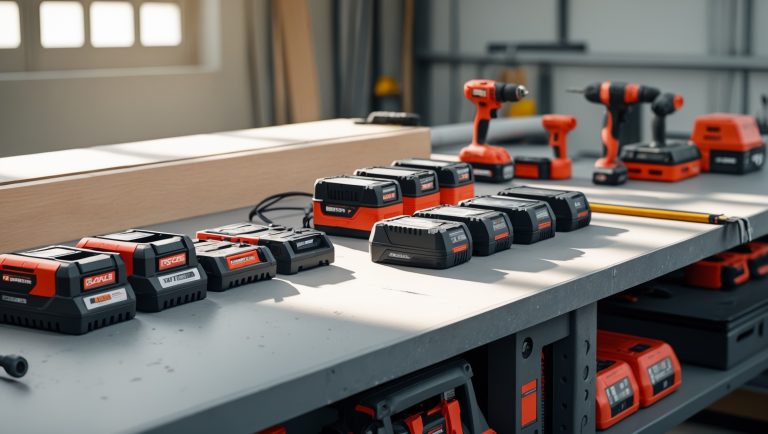
Fast chargers can reduce downtime between tasks, but it’s wise to have a second battery ready to swap in. Many mid- and high-end kits include two batteries for seamless work. Check for chargers with overcharge protection to extend battery life.
Interchangeability with Other Tools
Some brands use the same battery system across multiple tools (drills, saws, lights, etc.). Investing in a platform (e.g., DeWalt 20V MAX, Milwaukee M18) lets you expand your tool collection without buying extra batteries or chargers.
Practical Scenarios: Choosing the Right Drill for Your Needs
Scenario 1: Occasional DIYer (Basic Repairs, Assembly)
If you mainly hang pictures, assemble shelves, or need a drill a few times a month, a lightweight 12V or entry-level 18V model with a 1.5–2.0 Ah battery is ideal. Focus on comfort, simplicity, and price. Avoid heavy, feature-laden models that may be overkill.
Scenario 2: Regular DIYer (Upgrades, Moderate Construction)
For those who frequently undertake home upgrades—installing cabinets, building furniture, minor renovations—a mid-range 18V/20V drill with a brushless motor, multiple clutch settings, and at least two 2.0–3.0 Ah batteries will provide the right mix of power, runtime, and flexibility.
Scenario 3: Power User (Major Renovations, Outdoor Projects)
If you’re tackling deck builds, drilling into masonry, or want one drill to rule them all, opt for a pro-grade 18V+ or 24V model with high torque (100+ Nm), heavy-duty construction, and large-capacity batteries. Prioritize metal chucks, advanced overload protection, and robust warranties.
Tips for Getting the Most from Your Cordless Drill
- Buy Quality Bits: Even the best drill is only as good as its bits. Invest in a good set for wood, metal, and masonry.
- Store Batteries Properly: Keep batteries at moderate temperatures and partially charged if storing for long periods.
- Use the Clutch: Match the clutch setting to your material to avoid stripped screws and damaged workpieces.
- Clean Regularly: Dust and debris can clog vents and reduce lifespan. Wipe down your drill and clear the chuck after each use.
- Monitor Battery Health: If you notice reduced runtime, it may be time for a new battery. Lithium-ion packs degrade over time.
Feature Comparison Checklist: What to Look For
- Torque rating (Nm)
- Battery voltage and capacity (V, Ah)
- Brushless vs. brushed motor
- Number of clutch settings
- Chuck size and type
- Weight and ergonomics
- LED work light
- Included batteries and charger
- Platform compatibility (same batteries for other tools)
- Warranty length and terms
Common Myths About Cordless Drills Debunked
- Myth: Higher voltage always means better performance.
Reality: Torque, motor type, and build quality matter just as much. A well-designed 18V drill can outperform a poorly built 24V model. - Myth: All batteries are the same.
Reality: Battery chemistry, capacity, and quality vary. Stick with reputable brands and avoid generic replacements. - Myth: You need the most expensive drill for home use.
Reality: Match the tool to your needs. Most homeowners will never max out a pro-grade drill.
Maintenance: Keeping Your Drill in Top Shape
Battery Care
Charge batteries before they’re fully depleted, avoid extreme temperatures, and don’t leave them on the charger indefinitely. Clean contacts with a dry cloth for best performance.
Chuck and Motor Maintenance
Periodically open and close the chuck to prevent seizing, and clear any debris from vents. For brushless drills, maintenance is minimal; for brushed models, check brushes if the motor starts to spark or lose power.
Conclusion: Making the Right Choice for Years of Reliable Use
Choosing the perfect cordless drill is less about chasing the highest specs and more about understanding your home project needs. By focusing on torque, battery life, and practical features, you’ll avoid the common pitfalls of overspending or ending up with an underpowered tool. Remember to consider ergonomics for comfort, invest in quality bits, and stick with reputable brands that offer battery compatibility across multiple tools. Whether you’re an occasional fixer-upper or a seasoned DIY enthusiast, the right cordless drill will streamline your repairs, maintenance, and upgrades—saving you time, effort, and even money in the long run. Take the time to compare models, test grip and weight in-store if possible, and don’t be swayed by marketing hype. With this guide, you’re equipped to make an informed choice that’ll serve your home projects for years to come. Happy drilling!

When comparing torque ratings, how much should I prioritize higher torque for typical household projects like hanging shelves or assembling furniture? Would a mid-range 40–60 Nm drill be overkill for those jobs, or would it future-proof my purchase?
For most household projects like hanging shelves or assembling furniture, you don’t need maximum torque—a drill with 30–40 Nm is usually sufficient. However, choosing a mid-range 40–60 Nm drill isn’t overkill and can be a smart choice if you think you’ll tackle tougher tasks in the future, like drilling into masonry or working with hardwood. It gives you flexibility without being unnecessarily powerful for day-to-day needs.
When you mention that 18V/20V drills balance performance and portability for most homeowners, how big of a difference in actual runtime or power should I expect if I go for a 12V model for smaller tasks? Are there specific everyday jobs where a 12V is just not enough?
Choosing a 12V drill for small tasks like assembling furniture, hanging pictures, or light repairs usually works just fine, as these drills are compact and easy to handle. However, compared to 18V or 20V models, you’ll notice less power and shorter battery life—12V drills may struggle with drilling into dense materials (like hardwood or masonry) or driving large screws. For heavier jobs or longer sessions, the higher voltage models definitely have the edge.
You mention that 18V/20V drills offer a good balance between performance and portability for most homeowners. Are there any significant differences in battery life or weight between 18V and 20V models, or are they really just labeled differently for marketing?
The terms 18V and 20V are mostly marketing labels—both typically use the same battery cells, with 20V referring to the maximum voltage and 18V to the nominal voltage. In real-world use, there’s no significant difference in battery life or weight between them. Performance and runtime will depend more on the battery’s amp-hour rating and the drill’s overall design than on the 18V vs. 20V label.
I’m curious about torque ratings—if I’m mostly assembling furniture and putting up shelves, would a drill with 20–30 Nm be too weak for some wall materials, or is that generally enough for home use?
A drill with 20–30 Nm of torque should be more than adequate for assembling furniture and most shelf installations, especially in materials like wood, drywall, or light masonry. However, if you plan to drill into very dense materials like concrete or thick hardwood, you may find higher torque (above 40 Nm) helpful. For general home use, 20–30 Nm covers most typical needs.
When you talk about ergonomic design, do you have any specific features or brands you’d recommend for people who have smaller hands or might use the drill for long periods at a time?
For users with smaller hands or those planning to use a drill for extended periods, look for models with slim handles, lighter weight, and rubberized grips for comfort. Brands like Makita and Bosch often offer compact drills with these ergonomic features. Adjustable speed triggers and well-balanced designs can also help reduce fatigue during long projects.
I didn’t realize there’s a difference between battery voltage and torque. If I’m on a tight budget, is it better to focus on getting a drill with higher torque or a higher voltage battery, or do they usually go hand in hand?
Voltage and torque are related, but not the same. Voltage generally affects how much power the drill can deliver, while torque is about rotational force, which matters for tough jobs like driving large screws. If you’re on a budget, prioritize higher torque for most DIY tasks, since that will help with versatility. Many affordable drills offer decent torque without needing the highest voltage batteries.
When it comes to torque, how much overkill is too much for standard home tasks like assembling furniture or drilling into drywall? Would a 40–60 Nm model be overpowered for basic DIY projects?
A drill with 40–60 Nm of torque is definitely more powerful than you need for basic DIY tasks like assembling furniture or drilling into drywall. Most home projects only require about 20–30 Nm. Using a higher-torque drill isn’t dangerous, but it can make delicate work harder to control and may damage softer materials. For typical home use, a lighter model will be easier and more comfortable.
I noticed you pointed out that 12V drills are compact and good for tight spaces. Are there any big downsides to going with a 12V model for most home projects, or would an 18V be that much more versatile?
A 12V drill is lightweight and easy to handle, making it great for small projects and work in tight areas. However, its lower power can struggle with tougher jobs like drilling into masonry or driving long screws into hardwood. An 18V drill offers more power and versatility for heavier tasks, but it’s usually bulkier. If most of your projects are light-duty, a 12V should work well, but for more demanding jobs, an 18V is a safer bet.
I’m just getting into DIY projects and I’m not sure how much torque I actually need. If I’m mainly putting together furniture and maybe hanging shelves, would a 12V drill be enough, or should I go for the 18V/20V models mentioned here?
For assembling furniture and hanging shelves, a 12V drill should be more than enough. These drills are lighter and easier to handle for beginners, while still offering enough torque for common household tasks. You’d only need an 18V or 20V model if you plan to drill into masonry, thick wood, or take on larger renovation projects.
You mentioned that higher torque drills are better for tougher materials like hardwood and masonry. How important is it to get a heavy-duty model if I mostly work with drywall and pine, but might do one big outdoor project each year?
If your main projects are with drywall and pine, a mid-range cordless drill should easily handle most of your needs without the extra weight or cost of a heavy-duty model. For the occasional big outdoor project, you could consider renting or borrowing a high-torque drill instead of buying one. This way, you get the right tool when you need it without compromising on comfort and efficiency for your regular tasks.
When it comes to battery life, how important is it for a DIY beginner to consider getting an extra battery or choosing a model with faster charging? Are frequent battery swaps a common frustration with budget-friendly drills?
For a DIY beginner, battery life does matter, especially if you plan to use the drill for longer projects. Many budget-friendly drills come with only one battery, and their charge may not last through bigger tasks, which can be frustrating. Getting an extra battery or choosing a model with faster charging helps you avoid downtime waiting for a recharge. Frequent battery swaps are common with lower-cost drills, so planning ahead can make your experience smoother.
Could you clarify how much weight difference there typically is between an 18V/20V cordless drill and a comparable 12V model? I’m trying to gauge whether the extra power is worth the potential fatigue for longer projects.
On average, 18V or 20V cordless drills usually weigh between 3.5 to 5 pounds, while comparable 12V models often range from 2 to 2.5 pounds. That means you might be handling an extra 1 to 2.5 pounds with the higher-voltage drill. For prolonged use, this difference can lead to more fatigue, so it’s worth considering if you’ll really need the extra power for your tasks.
You mentioned that higher voltage usually means more power but also adds to the weight of the drill. For someone with smaller hands or less upper body strength, would it be better to sacrifice some voltage for comfort, or are there lighter high-voltage models available?
For users with smaller hands or less upper body strength, choosing a drill with lower voltage (like 12V or 14.4V) can be more comfortable and easier to handle, especially for most household tasks. While there are lighter high-voltage models on the market, they tend to be more expensive and may still feel heavier. Prioritizing ergonomics and weight over maximum power usually leads to a better experience for light to medium-duty projects.
You mentioned that battery type and torque are key features, but for a small business with multiple employees using the drill daily, what should I prioritize for longevity—higher voltage or a certain battery technology like lithium-ion?
For daily use in a small business, prioritize lithium-ion batteries over voltage alone. Lithium-ion batteries offer longer lifespan, lighter weight, and faster charging compared to older technologies like NiCd. While a higher voltage provides more power, quality lithium-ion packs in the 18V to 20V range typically deliver both performance and durability, making them ideal for frequent, demanding use.
I’m just getting into DIY projects and I’m confused about how much torque I really need for basic home tasks. If most of what I’m doing is assembling furniture and hanging shelves, would an entry-level drill with 20–30 Nm be enough, or should I consider something stronger?
For assembling furniture and hanging shelves, a drill with 20–30 Nm of torque is generally more than sufficient. Entry-level models in that range can easily handle wood screws and light-duty tasks. Only consider a higher torque drill if you plan to work with tougher materials or larger fasteners in the future.
If I mostly need a drill for light repairs and assembling furniture, would you recommend going with a 12V model for its compactness, or is it worth stepping up to 18V for better battery life and more flexibility down the road?
For light repairs and furniture assembly, a 12V drill is usually more than enough. They’re lighter, easier to handle, and still deliver enough power for most household tasks. If you think you might take on heavier projects in the future, an 18V model offers more versatility and longer battery life, but for your current needs, 12V should serve you very well.
I’m trying to decide between a compact 12V drill for small home repairs and an 18V for more general use. Besides the difference in torque and battery life mentioned here, are there any ergonomic trade-offs or features that might make one stand out for someone with smaller hands?
Compact 12V drills are usually lighter and have slimmer handles, which can be more comfortable and easier to grip for users with smaller hands. They also tend to cause less fatigue during extended use. In contrast, 18V drills are often bulkier and heavier, which might make them harder to control if your hands are small. Some 18V models do offer ergonomic grips and adjustable handles, so it’s worth trying both in person if possible.
You mention that higher voltage usually means more runtime but also increased weight. For someone who does longer DIY sessions, is it better to prioritize battery voltage for runtime or focus more on ergonomic design to reduce fatigue?
If you often work on longer DIY projects, it’s important to strike a balance. Higher voltage does offer more runtime, but the extra weight might cause fatigue over time. Consider a drill with mid-range voltage and a lightweight, ergonomic design. Many newer models offer efficient batteries without being too heavy, helping you work longer without discomfort.
You explained the differences between 12V, 18V/20V, and 24V+ cordless drills pretty clearly. For someone who primarily does odd jobs around the house but occasionally tackles bigger projects, is it better to invest in a mid-range 18V/20V model or have both a compact 12V and a heavy-duty one on hand?
For most homeowners who do regular maintenance and occasional bigger projects, a quality 18V or 20V drill is usually the best all-around investment. These models offer enough power for demanding tasks but remain manageable for everyday use, so you likely won’t need both a 12V and a heavy-duty drill unless you have very specific needs or plan to do a lot of heavy work regularly.
I’m new to power tools and not sure how much torque I actually need for typical home projects like assembling furniture or hanging shelves. Would a 20–30 Nm cordless drill be enough, or should I go for something closer to 40–60 Nm for more flexibility?
For typical home projects like assembling furniture or hanging shelves, a cordless drill with 20–30 Nm of torque should be more than sufficient. This range gives you enough power for most household tasks without being too heavy or difficult to handle. You’d only need 40–60 Nm if you plan on tackling heavier-duty projects like drilling into masonry or working with large lag bolts.
Can you explain a bit more about how torque ratings should influence my choice if I’m mostly doing light repairs but occasionally need to drill into tougher materials? Is it worth upgrading to a mid-range model, or will an entry-level drill suffice if I buy better bits?
If you usually do light repairs but sometimes need to tackle tougher materials, torque is definitely something to consider. Entry-level drills can handle basic tasks but may struggle with dense woods or metal, even with high-quality bits. A mid-range model typically offers higher torque and more control, making those tougher jobs easier and preventing motor strain. Upgrading ensures you’re prepared for occasional heavy use without sacrificing performance on lighter tasks.
The guide talks about weighing performance against portability and mentions battery types, but do specific brands have more reliable battery life or faster charging times? I’m trying to avoid getting stuck mid-project waiting for a recharge.
Different brands do vary in battery reliability and charging speed. Brands like DeWalt, Makita, and Milwaukee are known for long-lasting batteries and often offer fast chargers that can recharge batteries in under an hour. Entry-level brands might have shorter battery life and slower charging. Consider kits with two batteries, so you can keep working while the other charges.
You mentioned that higher voltage drills come with more weight. If I’m concerned about hand fatigue but still want enough power for occasional projects like hanging shelves in drywall and wood, is it better to go lighter with a 12V, or does the 18V’s extra power really make a noticeable difference for those tasks?
For hanging shelves in drywall and wood, a 12V drill should provide plenty of power while being noticeably lighter, which helps reduce hand fatigue. The extra power of an 18V model is more useful for heavy-duty tasks, like drilling into masonry or thick lumber. For your occasional projects, a quality 12V drill strikes a great balance between performance and comfort.
I noticed the article talks about torque levels for different tasks, but how important is it to match the torque exactly to a job? For example, will using a heavy-duty drill with over 70 Nm for lighter projects risk damaging materials or stripping screws?
Matching the torque to the job is important, especially for delicate materials or small screws. Using a heavy-duty drill with over 70 Nm torque on lighter tasks can easily strip screws or damage wood and softer materials. For smaller projects, it’s best to use lower torque settings or a less powerful drill to maintain control and prevent damage.
The article says heavy-duty drills can exceed 70 Nm of torque for tough jobs like deck construction. Would using a high-torque drill for everyday home repairs be overkill, or does it have advantages even for lighter projects?
Using a high-torque drill for everyday home repairs can be more than you need, especially for tasks like furniture assembly or hanging shelves. High-torque models are bulkier and heavier, which might make them less comfortable for quick, light jobs. However, they do offer versatility and can handle any tough task you encounter. If you mostly do smaller projects, a mid-range drill is usually more practical.
You mention torque ranges for entry-level versus heavy-duty drills. Is it possible to overdo it on torque for typical DIY tasks, or could too much power actually damage delicate materials like drywall or soft wood?
Yes, using a drill with too much torque on delicate materials like drywall or soft wood can cause damage, such as stripping screws, splitting wood, or punching through surfaces. For most DIY tasks, an entry-level drill with adjustable torque settings is ideal. Always start with a lower torque setting and gradually increase it if needed to avoid damaging your materials.
With so many models featuring different smart options and battery types, what should I prioritize if my main concern is avoiding frequent battery swaps during longer projects? Are certain brands better for battery longevity?
If avoiding frequent battery swaps is your top priority, look for cordless drills with high-capacity batteries (measured in amp-hours, like 4.0Ah or higher) and efficient brushless motors, which consume less power. Some brands, like DeWalt, Milwaukee, and Makita, are known for long-lasting batteries and quick charging options. Also, consider kits that include a spare battery, so you can keep working while one charges.
Is there a certain feature or combination of specs you’d recommend for someone on a budget who still wants a cordless drill that won’t feel underpowered or need constant charging for weekend projects?
For a budget-friendly cordless drill that still performs well, look for one with at least 18V battery power and a lithium-ion battery, as these offer a good balance of torque and runtime. Variable speed settings and a keyless chuck are also helpful features. Aim for a model with two batteries included, so you can swap them out and avoid downtime during your weekend projects.
I noticed you mentioned 18V/20V as a good middle ground for most homeowners. Is there a big difference in weight or handling between an 18V drill and a 12V one for someone with smaller hands? I want to make sure I can actually use it comfortably.
There is a noticeable difference in weight and size between 12V and 18V/20V drills. 12V drills are typically lighter, more compact, and easier to handle, especially for those with smaller hands or less grip strength. If comfort and ease of use are your priorities, a 12V drill might feel more manageable for extended tasks, even if it offers a bit less power.
You mention that 18V/20V drills offer a good balance between performance and portability. For a small business that does both assembly work and some light construction, would sticking with 18V make sense, or should we consider keeping both 12V and 18V models on hand?
For your small business, 18V drills are versatile enough to handle both assembly tasks and light construction, so they could cover most of your needs. However, keeping a couple of 12V models on hand can be useful for lighter, repetitive assembly work since they are lighter and more compact, reducing user fatigue. If your team often switches between tasks, having both types may optimize efficiency and comfort.
Could you explain how important ergonomic design is for longer projects? As someone who uses a drill for several hours a day, I’m wondering if certain features or shapes noticeably reduce hand fatigue compared to others you mentioned.
Ergonomic design is very important for extended use. A drill with a comfortable grip, balanced weight, and well-placed controls can noticeably reduce hand and wrist fatigue during long projects. Look for features like soft rubberized handles, lightweight construction, and a shape that fits naturally in your hand. Some models also have adjustable handles or anti-vibration technology, which can make a big difference if you use your drill for several hours a day.
As someone who runs a small woodworking business, I’m trying to decide between an 18V and a 20V drill. The article mentions these are often labeled interchangeably, but is there a real performance difference, or is it mostly marketing? Would it matter for daily, heavy use?
The 18V and 20V labels mostly refer to the same battery size—20V is the maximum voltage right off the charger, while 18V is the nominal (average) running voltage. Performance-wise, there’s no real difference, so you won’t notice a change in power or runtime for daily, heavy woodworking use. Focus more on torque, battery amp-hour rating, and build quality when choosing a drill for your business.
When you talk about torque ratings, does a higher torque always translate to better performance for things like driving screws into hardwood, or are there situations where too much torque can actually cause issues with precision or material damage?
Higher torque can be helpful for driving screws into tough materials like hardwood, but it’s not always better. Too much torque can strip screw heads, overdrive screws, or even damage delicate materials. Many cordless drills have adjustable clutch settings, allowing you to control torque for precision. For tasks requiring care or working with softer materials, using a lower torque setting is usually best.
You mentioned that 18V/20V drills are usually the best balance for homeowners, but are there particular projects or materials where stepping up to a 24V+ model really justifies the extra weight and size? I’d love examples to help decide if it’s worth the upgrade.
Upgrading to a 24V or higher drill is really worthwhile if you frequently tackle heavy-duty jobs—like drilling large holes in thick hardwoods, mixing mortar or drywall compound, or driving lag bolts into dense materials. These tasks put a lot of strain on lower-voltage models, so extra power makes the job faster and prevents the drill from stalling or overheating. For light home repairs or furniture assembly, though, 18V/20V models are usually more than enough.
You mentioned that 18V/20V drills offer a good balance between power and portability. Is there a noticeable difference in performance or battery life between those labeled 18V and those labeled 20V, or is it mostly just a marketing difference?
The difference between 18V and 20V drills is mostly marketing. Both use the same battery cells, but 20V refers to the peak (initial) voltage, while 18V is the nominal voltage under regular use. In practical terms, there’s no real difference in performance or battery life—they perform and last about the same.
I noticed you mentioned that 18V/20V cordless drills are a good balance for most homeowners, but I’ve sometimes struggled with battery life on mine. Are there certain battery types or brands that you’ve found actually last longer for typical DIY projects?
Lithium-ion batteries are generally the best choice for cordless drills, as they offer longer runtimes and hold their charge better than older nickel-cadmium types. Within lithium-ion options, brands like DeWalt, Makita, and Milwaukee are known for reliable battery performance. Opting for a higher amp-hour (Ah) rating, such as 4.0Ah or higher, can also noticeably extend battery life during longer DIY sessions.
Could you clarify if there’s much of a difference in battery life between standard lithium-ion and some of the newer battery technologies? I hate it when my tools die halfway through a project and am wondering if paying extra for newer batteries is really noticeable for casual DIY jobs.
For most casual DIY tasks, standard lithium-ion batteries already provide solid battery life and are usually sufficient. Newer battery technologies, like advanced lithium polymer or high-capacity lithium-ion packs, can offer longer run times and faster charging, but the difference might not be very noticeable unless you do heavy-duty or extended projects. For occasional use, sticking with standard lithium-ion should be just fine and more cost-effective.
I noticed you discussed both torque and ergonomic design. For someone who uses drills for several hours at a time, what ergonomic features should I prioritize to reduce fatigue, and are there particular models you’d suggest for small hands?
For long drilling sessions, prioritize features like lightweight construction, a comfortable grip with soft rubber over-molding, and a well-balanced design to reduce wrist strain. A compact body also helps, especially for smaller hands. Look for models with adjustable handles or slimmer grips, such as certain versions from Bosch and Makita, which are known for being easier to hold and maneuver for users with smaller hands.
You mentioned the weight difference between higher voltage drills and the smaller 12V models. For someone working long hours, have you found that sacrificing a bit of torque for a lighter tool significantly reduces fatigue, or does the performance drop make it not worthwhile?
Choosing a lighter 12V model can really help reduce arm and wrist fatigue during long projects, especially with overhead or repetitive tasks. While you might lose some torque compared to higher voltage drills, for most everyday DIY jobs, the performance is still more than adequate. Unless you’re consistently drilling into tough materials, the comfort and reduced strain from a lighter tool usually outweigh the modest drop in power.
Can you explain more about battery life differences between entry-level and mid-range drills? If I mostly do quick home fixes, will I notice a big difference in how often I have to recharge between a 12V and an 18V/20V drill?
Entry-level drills, especially those with 12V batteries, typically have shorter battery life and are designed for lighter, occasional tasks. Mid-range 18V or 20V drills offer longer battery life and more power, letting you work for extended periods before needing a recharge. For quick home fixes, a 12V drill will likely be sufficient, and you probably won’t notice a big difference in charging frequency unless you’re taking on larger or more frequent projects.
Can you elaborate on how much of a difference the torque ratings really make when working with common materials like drywall versus hardwood? For someone who mostly does household repairs, is it worth going above the mid-range torque levels you mentioned?
Torque ratings indicate how much twisting force a drill can apply. For drywall and light household tasks, mid-range torque is usually more than enough; you’ll rarely need higher torque unless you’re drilling into dense hardwoods or masonry. Higher torque drills can be heavier and more expensive, so if your projects mostly involve drywall, furniture assembly, or light repairs, sticking to mid-range torque should serve you well without added cost or bulk.
The article mentions that 18V/20V models are a good balance for most homeowners. Are there specific brands or models in this voltage range that stand out for their battery life or ergonomic design, particularly for people with smaller hands?
For 18V/20V cordless drills, models like the DeWalt DCD791 and Makita XFD12R are often praised for both battery life and comfortable, compact grips. The Bosch PS31 is another good choice, known for its lightweight, slim handle that suits smaller hands. All three balance power, battery efficiency, and ergonomic design, making them worth considering for homeowners seeking comfort and reliability.
The article mentions that 18V/20V drills balance performance with portability, but does the increased weight compared to a 12V model become noticeable if you’re using the tool overhead or for extended periods?
Yes, the weight difference between 18V/20V and 12V drills does become noticeable during overhead work or long tasks. While 18V/20V models offer more power, they are typically heavier and can cause fatigue faster, especially in overhead use. If you plan to work above shoulder height or for extended periods, a lighter 12V model might be more comfortable, even though it has less power.
The article mentions that higher voltage batteries generally offer more power but increase the tool’s weight. Could you elaborate on how much heavier an 18V/20V model typically is compared to a 12V drill, and how this might affect usability during longer projects?
An 18V or 20V cordless drill usually weighs about 3 to 5 pounds, while a typical 12V model is closer to 2 to 3 pounds. This extra weight can make a noticeable difference during longer tasks, leading to increased arm fatigue, especially if you’re working overhead or in tight spots. For extended use, a lighter 12V drill is often more comfortable, though it may have less power for tougher jobs.
You mention that picking the wrong drill can lead to frequent battery swaps. For a small business on a tight budget, how important is it to invest in extra batteries or higher-end battery technology from the start, rather than upgrading later?
For a small business, investing in at least one extra battery up front can really boost productivity, as you’ll avoid downtime waiting for recharging. While higher-end battery technology often means longer run times and faster charging, it can be more expensive. If your work is frequent or time-sensitive, starting with extra batteries is wise. Upgrading later is possible, but initial investment in reliability often pays off.
When it comes to battery life, does choosing a higher voltage drill always mean longer runtimes? Or do battery type and mAh ratings play a bigger role than just voltage for how long I can use the drill between charges?
Higher voltage can give a drill more power, but it doesn’t always mean longer battery life. The battery’s amp-hour (mAh or Ah) rating tells you how much charge it can hold, which has a bigger impact on how long you can use it. Battery type matters too—lithium-ion batteries, for example, tend to last longer and hold their charge better than older types.
You mention that 18V or 20V drills are usually the sweet spot for homeowners, but does a higher voltage always mean it’s better for building things like a treehouse? Or would a 12V be enough if I’m mainly working with pine instead of hardwood?
Higher voltage drills like 18V or 20V can handle tougher tasks and thicker lumber, which is handy for building a treehouse, especially if you might drill into denser wood or use larger screws. However, if you’re mainly working with pine, a 12V drill should be sufficient for most jobs, as pine is soft and easy to drill. Just make sure your drill has enough torque and your batteries are fully charged for longer sessions.
You mention different torque and battery options for various DIY tasks. Does the guide offer any insights on which drills hold up best over several years of regular use, especially in terms of battery longevity or component durability?
The article highlights differences in torque and battery performance but doesn’t provide long-term durability testing or brand-specific longevity data. However, it does point out that higher-voltage models with brushless motors generally have better battery efficiency and are built to withstand regular use. For the best long-term results, look for drills with reputable warranties and replaceable batteries.
You mentioned entry-level drills are good for assembly and light repairs. For someone on a tight budget but who wants some versatility, which specific features should I focus on so I don’t outgrow my drill too quickly?
When shopping for an entry-level drill on a budget, look for models with adjustable torque settings, a variable speed trigger, and at least a 12V battery. A keyless chuck makes bit changes easier, and having both drill and driver modes adds versatility. Choosing a drill with a decent battery life and the ability to use replaceable batteries will help it keep up as your projects grow.
You talk about torque ratings and how higher torque is better for tougher materials. If I only plan to drill into pine and maybe some soft masonry every now and then, is it really worth paying extra for a drill with over 60 Nm of torque, or would a mid-range one be enough?
For drilling into pine and occasionally soft masonry, a mid-range drill with around 30–50 Nm of torque should be more than enough. Higher torque models are great for heavy-duty jobs or harder materials, but for your described needs, paying extra for over 60 Nm isn’t necessary. You can save money by choosing a drill with moderate torque and focus on other features like battery life or comfort.
The article mentions that 18V/20V models offer a good balance for most homeowners, but is there a noticeable difference in runtime or torque between the two, especially for projects like deck construction or drilling into hardwood?
While 18V and 20V cordless drills are very similar—often just labeled differently by manufacturers—there can be small differences in runtime or torque, depending on the specific model and battery quality. For demanding tasks like deck building or drilling into hardwood, both should perform well, but higher-capacity batteries (measured in amp-hours) and brushless motors make a bigger difference in power and runtime than just the voltage rating. Checking specs on torque and battery size for each model will help you choose the best fit.
When looking at essential versus optional features, are there any particular smart features that actually make a difference for someone just starting DIY, or should beginners focus mainly on torque and battery life?
For beginners, it’s best to prioritize torque and battery life since these directly impact how well the drill handles basic tasks and how long you can use it between charges. Most smart features, like Bluetooth connectivity or usage tracking, are convenient but not essential for starting out. Simple features like a built-in LED light or battery indicator can be genuinely helpful, but you don’t need advanced smart features right away.
You mention that 18V or 20V drills strike a good balance, but is there a noticeable difference between those and the 12V models for assembling furniture and basic DIY? I’m trying to keep the tool as lightweight as possible.
For assembling furniture and basic DIY, 12V drills are usually powerful enough and have the advantage of being lighter and more compact. The main difference is torque—18V or 20V models offer more power, which is useful for tougher jobs, but they can be heavier. If your main priority is weight and ease of use for light tasks, a 12V drill should work well.
You mention 18V/20V as a sweet spot for most homeowners, but do these drills usually come with more smart features or safety options compared to basic 12V ones? I’m interested in anything that might help prevent mistakes or accidents, especially since my kids sometimes want to help with small projects.
18V and 20V drills often come with more advanced features than 12V models. Many offer electronic brakes for quick stops, overload protection to prevent overheating, and sometimes built-in work lights or battery indicators. Some higher-end models also include clutch settings for better control, which can help prevent overtightening or stripping screws. However, actual safety features geared specifically toward preventing accidents (like trigger locks or safety switches) can vary by brand and model, so it’s worth checking the specific drill’s features if safety for kids is a priority.
I noticed you mentioned that 18V/20V cordless drills are usually the sweet spot for most homeowners. In your experience, is there a significant difference in runtime or power between the 18V and 20V models, or is it really just a marketing label?
The difference between 18V and 20V cordless drills is mostly marketing—both use the same battery cells, just measured differently (nominal vs. max voltage). In real-world use, you won’t notice a significant difference in power or runtime between 18V and 20V models from the same brand. Performance mainly depends on battery capacity (amp-hours) and motor efficiency.
You talk about choosing between 12V, 18V/20V, and 24V+ batteries. If portability and working in tight spots are essential for my crew, but we still need good runtime, is there a clear winner between the compact 12V and slightly larger 18V drills?
If your crew prioritizes portability and handling in tight spaces, 12V drills have the advantage in size and weight, making them easier to maneuver. However, 18V models, while a bit larger, now come in compact versions and generally offer longer runtime and more power. If runtime is important and the space isn’t extremely cramped, a compact 18V drill strikes a great balance for most professional needs.
I noticed the article mentions that 18V and 20V batteries are often labeled interchangeably because of marketing. How significant is the real-world difference in power and battery life between these two, or is it mostly just a labeling trick?
The difference between 18V and 20V batteries is mostly due to labeling practices rather than an actual performance gap. Both batteries typically use the same number of cells and offer similar voltage under normal use—manufacturers just round up for marketing. In real-world use, you won’t notice a significant difference in power or battery life between most 18V and 20V cordless drills.
You mentioned that 12V drills are great for light tasks, but do they hold up over time for regular, daily use in a small business setting? I want something lightweight for my team but I’m worried about frequent battery changes or lower durability.
For daily use in a small business, 12V drills can be suitable if your tasks stay light, like assembly or light fastening. However, their batteries typically have less runtime than 18V models, so you may find yourself swapping batteries more often during a busy day. Durability is decent, but frequent, heavy use may wear them out faster. If weight is key, consider a high-quality 12V from a reputable brand and invest in extra batteries so your team always has charged spares available.