

Introduction: Why DIY Tool Storage Matters More Than You Think
If you’ve ever wasted precious time hunting for a misplaced screwdriver or untangling a heap of extension cords, you know the value of an organized workspace. Tool storage isn’t just about tidiness—it’s about maximizing efficiency, protecting your investments, and even keeping your home safer. Whether you’re a weekend DIY warrior with a modest toolkit or a seasoned home repair enthusiast, choosing the right storage solutions can dramatically simplify repairs, maintenance, and upgrades. Yet, too often, homeowners overlook this crucial aspect, leading to cluttered garages, lost tools, accidental damage, or even injuries. The good news? Smart tool storage doesn’t require a massive budget or a sprawling workshop. With a little planning, some clever DIY, and the right equipment, you can create a storage system that fits your space, workflow, and budget. In this comprehensive guide, we’ll break down practical, step-by-step approaches to organizing tools—from compact apartments to full-sized garages—so you can focus more on your projects and less on finding your tools.
Understanding Your Tool Storage Needs
Assessing Your Inventory
Before building or buying storage, take a thorough inventory of your tools. Lay them out and group by category—hand tools, power tools, fasteners, measuring devices, and accessories. Note the sizes, weights, and frequency of use for each group. This step helps determine the type and amount of storage you need, and highlights tools you rarely use (which may be stored away or donated).
Evaluating Your Space
Storage solutions should fit seamlessly into your available space. Assess where you do most of your projects: a garage, basement, utility closet, or even a spare room. Measure wall and floor areas, ceiling height, and access points. Don’t overlook vertical space and nooks that can be optimized with shelves, racks, or hooks.
Prioritizing Accessibility and Safety
Frequently used tools should be easy to reach, while sharp or hazardous items may need childproofing or lockable storage. Consider the flow of your workspace: can you grab a hammer or drill without moving boxes or ducking under shelves? Good storage minimizes barriers to action and reduces the risk of accidents.
Budget-Friendly DIY Tool Storage Ideas
Pegboards: The Classic, Customizable Solution
Pegboards remain a favorite for their versatility and cost-effectiveness. Install a sturdy pegboard on an open wall and use hooks, baskets, and shelves to hang an array of tools. Outline your tools on the board with marker or tape for easy return and retrieval. Pegboards work well for hand tools, small power tools, and accessories—and can be expanded as your collection grows.
- Materials: Pegboard sheets, spacers, screws, assorted hooks and bins.
- Tip: Reinforce the back with furring strips for heavier tools.
Repurposed Furniture for Tool Storage
Don’t rush to buy new cabinets—old dressers, bookcases, or kitchen cabinets can be upcycled into tool organizers. Add dividers, bins, or trays to drawers. Sand and repaint for longevity. Mount casters for mobility if necessary. Repurposed furniture often offers deep storage for bulky items and can be tailored to suit your style.
- Materials: Salvaged furniture, drawer organizers, paint, casters (optional).
- Tip: Line drawers with foam or felt to cushion delicate tools.
Magnetic Tool Holders: Fast Access for Metal Tools
Magnetic strips are perfect for quickly storing screwdrivers, pliers, and drill bits. Mount strips along walls, inside cabinet doors, or even on workbench edges. They keep tools visible and off work surfaces, and installation is simple with basic screws or adhesive.
- Materials: Magnetic strips/bars, mounting hardware.
- Tip: Not suitable for heavy or non-magnetic tools—combine with other storage methods.
DIY Wall-Mounted Racks and Rails
Custom racks made from scrap wood or metal piping can store hammers, saws, and clamps. Design racks to fit specific tools—like a slotted rack for chisels or a dowel rod for tape rolls. Wall-mounted rails with S-hooks can also suspend power tools, cords, or buckets.
- Materials: Wood planks, metal pipes, brackets, screws, S-hooks.
- Tip: Paint or label racks for quick identification.
Stackable Bins and Clear Containers
Small parts—nails, screws, washers, and bits—are easily lost or mixed up. Stackable bins, clear containers, or tackle boxes bring order and visibility. Label each bin clearly and store on shelves for quick access. Modular bin systems can be wall-mounted or set on workbenches.
- Materials: Plastic bins, labels, marker.
- Tip: Use color-coding for different fastener types.
Rolling Carts and Mobile Tool Stations
If you work in multiple areas or need portability, a rolling tool cart is invaluable. These can be built from plywood and casters, or repurposed utility carts. Add pegboards, drawers, or trays for organization. Mobile stations keep essential tools close at hand and can double as project work surfaces.
- Materials: Plywood, casters, drawer hardware, pegboard panels.
- Tip: Secure heavy tools low to prevent tipping.
Advanced Storage for Power Tools and Specialized Equipment
Custom Power Tool Cabinets
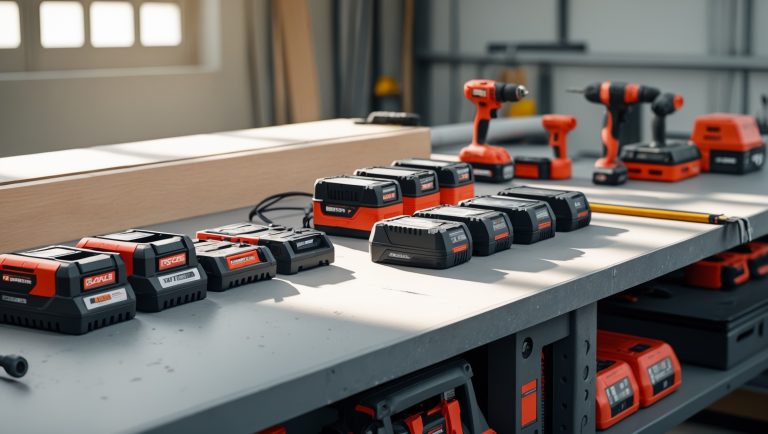
Power tools require secure, protective storage. Build or modify cabinets with fitted shelves, cubbies, or foam inserts for each tool. Include outlets or charging stations inside for cordless tools. Lockable doors add security, especially in shared or family spaces.
- Materials: Plywood or MDF, foam, power strips, hinges, locks.
- Tip: Ventilate cabinets with holes or mesh to prevent overheating during charging.
Vertical Storage for Large Tools
Bulky items like ladders, saws, and garden equipment take up valuable floor space. Store these vertically using wall hooks, brackets, or ceiling-mounted racks. For safety, ensure heavy items are anchored into studs and secured with straps or locks as needed.
- Materials: Heavy-duty hooks, straps, brackets, stud finder.
- Tip: Mark weight limits on hooks to avoid overloading.
Climate and Dust Protection
Moisture, dust, and temperature swings can degrade tools over time. Use airtight bins for sensitive electronics or steel tools prone to rust. Silica gel packets or dehumidifiers help control humidity. Dust covers (simple fabric sheets or fitted vinyl) offer extra protection for benchtop equipment.
- Materials: Airtight bins, silica gel, dust covers.
- Tip: Regularly inspect bins for moisture and replace desiccants as needed.
Organizing Tools in Small Spaces
Behind-the-Door Storage
Maximize unused space by mounting racks or pocket organizers on the backs of doors. Store light hand tools, safety gear, or small parts in pockets or pouches. This approach is ideal for apartment dwellers or anyone with limited square footage.
Ceiling-Mounted Solutions
Overhead storage racks or pulley systems keep infrequently used tools off the floor. Securely fasten racks to ceiling joists and use totes or crates for lightweight items. Mark the contents of each tote for easy retrieval.
Fold-Down Workbenches with Integrated Storage
Wall-mounted, fold-down benches provide a sturdy work surface that stows away when not in use. Add shelves or bins underneath for tool storage. This option helps maintain workspace flexibility in tight quarters.
Tool Storage Maintenance: Keeping Order Over Time
Routine Checkups
Set a monthly or seasonal schedule to tidy up your storage system. Return tools to their designated spots, wipe down surfaces, and inspect for damage or missing items. This habit saves time and prevents tool loss.
Labeling and Inventory Systems
Labels are your best friend for organization. Consider adding QR codes or using digital inventory apps for larger collections. Periodically update your inventory—especially after new purchases or project cleanups.
Cleaning and Rust Prevention
Clean tools before storing to prevent the spread of oils, adhesives, or debris. Wipe metal surfaces with a light oil to deter rust. Replace damaged bins or containers promptly to avoid hazardous spills or tool damage.
Safety and Security Tips for Tool Storage
Childproofing and Hazard Management
If children or pets have access to your workspace, lock up sharp, hot, or toxic tools. Install childproof latches on lower cabinets and use lockable bins for hazardous chemicals or blades. Store ladders and power tools out of reach or behind locked doors.
Theft Deterrence
For valuable tool collections, consider installing a lockable tool chest or dedicated storage closet. Security cameras or motion-sensor lights can further deter theft, especially in garages with external doors. Engrave or mark tools with your initials for identification if stolen.
Step-by-Step: Building a Custom Pegboard Tool Wall
Materials and Tools Needed
- Pegboard sheet (size to fit your wall)
- Wood furring strips (for mounting)
- Screws and wall anchors
- Assorted peg hooks, baskets, and bins
- Level, drill/driver, tape measure
- Paint (optional, for aesthetics)
Instructions
- Plan the Layout: Measure your available wall space and cut pegboard to fit. Sketch out where tools will hang for maximum accessibility.
- Install Furring Strips: Attach horizontal wood strips to the wall (anchored into studs) to create a gap behind the pegboard for hook clearance.
- Mount the Pegboard: Screw the pegboard into the furring strips, ensuring it is level and secure.
- Add Hooks and Accessories: Arrange hooks, baskets, and bins to suit your tool types. Adjust as needed for balance and reach.
- Label and Organize: Outline tools or add labels for quick identification. Stand back and make adjustments to optimize workflow.
Expert Tips for Long-Term Success
- Start Simple: Begin with basic storage and expand as your collection or skills grow.
- Mix and Match: Combine wall, drawer, and mobile solutions for maximum flexibility.
- Think Vertically: Don’t waste wall or ceiling space—mount racks and hangers where possible.
- Share and Swap: Repurpose containers from kitchen or office supplies before buying new.
- Review Regularly: Declutter and reorganize at least twice a year to keep your system working for you.
Conclusion: Transform Your Tools, Transform Your Projects
A well-organized tool storage system is more than just a matter of aesthetics—it’s a foundation for safe, efficient, and enjoyable DIY work. By investing time in planning, choosing the right mix of storage methods, and tailoring solutions to your unique space and budget, you can transform chaotic piles into streamlined setups where every tool has a home. This not only prolongs the life of your equipment but also boosts your confidence and productivity when tackling repairs or upgrades. Remember, the best storage solution is one that fits your workflow and evolves with your needs, so don’t be afraid to experiment, adjust, and refine your system over time. Whether you’re carving out a corner in a small apartment or outfitting a full workshop, the strategies shared here will help you keep tools protected, accessible, and ready for action. Your future self—and your next project—will thank you for it.
When grouping tools by how often you use them, do you have any tips for making less-used tools accessible but still out of the way? I have a small garage and want to avoid stacking stuff too deep or forgetting what I have.
To keep less-used tools accessible but not in the way, try using clear storage bins or labeled drawers on higher shelves or in the back of cabinets. Pegboards with outlined tool shapes can also help you remember what you own. Rotate your storage seasonally if some tools are only used at certain times of year, so nothing gets buried or forgotten.
I’m interested in the part about grouping tools by frequency of use and storing rarely used ones away or donating them. What are some good ways to decide which tools you realistically won’t need, especially if you’re just starting out with DIY projects?
A good way to decide which tools you won’t need is to think about the types of DIY projects you plan to start with. Make a list of your upcoming projects, and set aside the tools you’ll need for those. If you have tools you don’t recognize or that don’t fit your plans, store them separately. After several months, if you haven’t used those extras, consider donating or storing them out of the way.
For someone like me working out of a small apartment, what are some budget-friendly ideas to make the most of vertical storage space without making the area feel cramped or cluttered? Have you found any particular hardware works best for limited wall space?
For small apartments, consider slim pegboards or magnetic strips mounted on the wall—they keep tools accessible but tidy. Floating shelves with baskets can hold lightweight items, and over-the-door organizers make use of hidden vertical space. Choose narrow hardware like small hooks or rails to avoid overcrowding. Using uniform containers or clear bins also helps keep things visually neat and less cluttered.
I have a pretty small apartment and most of my tool storage ends up in a hallway closet. Do you have any specific DIY ideas for maximizing vertical space in really tight areas like this, especially for oddly-shaped items like levels or extension cords?
For a hallway closet, try mounting pegboards or narrow slat walls on the inside of the door—these are great for hanging levels, extension cords, and other awkward tools. You can also add adjustable hooks or racks on the wall to hold longer items upright. Clear bins or vertical magazine holders on shelves help keep smaller tools organized while using minimal space.
The article mentions making use of vertical space and hidden nooks for storage, but I have a really small apartment with limited wall space. Are there any specific tips or examples for tool storage solutions that work well in apartments without a garage or basement?
Absolutely, small apartments can still accommodate creative tool storage. Consider using stackable bins that fit under beds or inside closets, and try over-the-door organizers for smaller tools. Rolling carts are also handy—they tuck into corners and can be moved as needed. Magnetic strips inside cabinet doors or inside closets are great for keeping tools accessible without taking up much space.
When taking an inventory of my tools, I realize I have a lot of odd-shaped items that don’t fit neatly on standard shelves or hooks. Do you have suggestions for custom DIY storage solutions for unusually sized or heavy tools?
For odd-shaped or heavy tools, consider building custom pegboards with adjustable hooks or brackets, which you can arrange to fit each item’s size. Heavy-duty wall-mounted racks or sturdy wooden crates with dividers work well for larger tools. For extra flexibility, rolling storage carts with deep drawers or bins can keep items organized and easy to move. Using foam inserts in drawers or toolboxes helps protect and neatly store uniquely shaped items.
When grouping tools for storage, do you recommend keeping power tools separate from hand tools, or is there a way to combine them efficiently in one system? I have limited space in my basement and want to maximize both safety and accessibility.
For limited basement space, it’s usually best to keep power tools and hand tools in the same area but stored separately within that system. Use shelving or wall panels for power tools, ensuring cords and accessories are organized nearby. Hand tools can go in drawers or on pegboards above or beside the power tools. Keeping them grouped but distinct boosts both safety and accessibility, while making the most of your space.
You mentioned optimizing vertical space and using nooks with shelves or racks. Are there any budget-friendly DIY ideas for maximizing storage in shops with low ceilings or limited wall space?
For shops with low ceilings or limited wall space, consider using under-bench storage like rolling carts or drawers on wheels. Pegboards can be cut to fit smaller areas and placed on the sides of workbenches or even inside cabinet doors. Stackable bins or milk crates can make use of floor space without needing tall shelving.
Do you have any tips for maximizing tool storage in really compact spaces, like apartments without garages or basements? The article mentions assessing nooks and vertical space, but I’d love more specific examples for people with minimal square footage.
For compact spaces, consider wall-mounted pegboards or magnetic strips in closets or behind doors to keep tools accessible but out of the way. Use clear, stackable bins under beds or sofas for small tools and hardware. Over-the-door shoe organizers are great for holding screwdrivers, pliers, or tape measures. Even a portable rolling cart can be tucked into a corner and moved as needed. Every unused surface, like the inside of cabinet doors, can be a storage opportunity.
I want to organize my tools in a small apartment, but I’m worried about not having much wall or floor space to spare. Do you have any tips for tool storage solutions that work without making things look cluttered or taking over a whole closet?
For a small apartment, consider using stackable bins or clear boxes that fit under your bed or on a shelf. A rolling cart can also keep tools accessible but easily tucked away when not needed. Magnetic strips or pegboards mounted inside cabinet doors make use of hidden space without cluttering your rooms. Prioritizing only your most-used tools helps keep things neat, too.
When setting up tool storage on a tight budget, what are some cost-effective DIY ideas for safely organizing power tools? I’m especially concerned about protecting my tools from moisture in a basement workshop.
To keep power tools organized and safe from basement moisture on a budget, consider using plastic bins with tight-fitting lids—these are inexpensive and provide moisture protection. Installing simple wall-mounted pegboards keeps tools off damp floors and improves air circulation. You can also repurpose old kitchen cabinets or metal filing cabinets for enclosed storage. For extra moisture control, add silica gel packs or small dehumidifiers inside your storage areas.
For someone on a tight budget, do you recommend repurposing household items for tool storage, or are there particular low-cost products that offer better durability and organization? I’d love suggestions for maximizing efficiency without overspending.
Repurposing household items is a great way to save money—old jars, coffee cans, and shoe boxes can organize small tools and hardware effectively. For added durability, consider affordable plastic bins, pegboards, or stackable drawers from discount stores. You can combine both approaches: use household containers for sorting, and invest in a sturdy, low-cost pegboard to keep your most-used tools easy to reach. This mix maximizes efficiency and keeps costs down.
You talked about not overlooking vertical space and using shelves or hooks. Have you found any clever solutions for safely storing extension cords or other awkward items to keep them easily accessible but untangled?
For extension cords, one handy method is to wrap them neatly and hang them on large wall hooks or pegs. You can also repurpose sturdy coat racks or create a simple cord organizer by attaching sections of PVC pipe to your wall—just coil the cord and slip it inside. For even more convenience, label each cord or use Velcro straps to keep them secure and tangle-free.
Can you suggest some DIY storage ideas that work well for people living in apartments or small homes where wall space and floor space are both limited? I want to maximize efficiency but can’t mount anything too permanent.
For small spaces where you can’t make permanent changes, consider over-the-door organizers for tools, clear stackable bins under beds or couches, and pegboards that lean against a wall rather than being mounted. You can also use portable rolling carts or toolboxes that tuck into closets when not in use. Multi-purpose furniture, like ottomans with storage inside, can hide smaller tools efficiently.
When sorting my tool inventory, how do I decide what should actually be easily accessible versus what can be stored away? Is it based just on frequency of use or are there other factors to consider?
Frequency of use is definitely a major factor—tools you reach for often should be the easiest to access. But also consider the size or weight of the item, safety (sharp or dangerous tools should be stored securely), and whether the tool is seasonal or project-specific. Keep everyday essentials handy, and store specialty or rarely used items further away.
I’m just starting to organize my tools in a small apartment, and I don’t have a garage or basement. When you mention using vertical space and nooks, do you have suggestions for easy DIY setups that won’t damage rental walls or take up much room?
Absolutely! Try using freestanding shelving units or pegboards that lean against the wall, so you don’t have to drill. Over-the-door organizers work well for small tools and supplies. Consider magnetic strips placed on metal surfaces or inside cabinets. Stackable bins or rolling carts also fit neatly into closets or corners without any installation. These ideas help keep tools tidy without marking up your rental walls.
When you mention measuring wall and floor areas to evaluate your space, do you have any tips for figuring out the best way to use vertical storage in a small apartment with limited wall space and no garage?
To maximize vertical storage in a small apartment, consider using over-the-door organizers, tall shelving units that fit narrow spaces, or wall-mounted pegboards above desks or countertops. You can also utilize corners with tall corner shelves and stackable bins. Even closet doors offer storage potential with hooks or hanging racks. Focus on making use of every available vertical inch, while keeping items you use often at a reachable height.
How do you recommend organizing tools that are used both at work and at home, especially when prioritizing accessibility and safety in different spaces like a garage versus an apartment?
For tools you use both at work and at home, consider a sturdy, portable toolbox or rolling tool chest that keeps essentials organized and easy to transport. In a garage, wall-mounted racks or pegboards can maximize accessibility and keep sharp tools safely out of reach. In an apartment, opt for locking cases or compact storage bins that fit in closets or under furniture to maintain safety and organization without taking up too much space.
You bring up the point about grouping tools by how often you use them. Do you have tips on keeping rarely used but still necessary tools out of the way while making sure they’re still pretty easy to find when needed?
A good approach is to store rarely used tools in clearly labeled bins or boxes on higher shelves or in the back of cabinets, so they’re out of your main workspace but still accessible. Keep an inventory list taped inside the cabinet door or on your phone, so you know exactly where each tool is when you need it.
If you’re working with a strict budget, what are some of the most cost-effective DIY tool storage solutions you recommend? I’m curious which materials or methods give the most bang for your buck compared to buying ready-made organizers.
If you’re keeping costs low, repurposing items like old jars, coffee cans, and sturdy cardboard boxes works very well for tool storage. Pegboards made from inexpensive hardboard sheets are also budget-friendly and can be customized to fit your space. Additionally, wooden pallets can be taken apart to build shelves or racks. These DIY methods are usually much cheaper than store-bought organizers and let you adjust the setup as your tool collection grows.
When you mention grouping tools by category before planning storage, do you have any suggestions for organizing oddly shaped or bulky items that don’t fit neatly into typical shelves or bins?
For oddly shaped or bulky tools, consider using wall-mounted racks, pegboards with adjustable hooks, or heavy-duty hooks for items like ladders or hoses. You can also use large utility bins or create custom shelves with adjustable dividers. Sometimes, hanging items vertically frees up floor space and makes them more accessible.
I have a pretty small apartment with almost no dedicated workshop area—are there DIY storage recommendations that work in closets or on doors for people with very limited space?
Absolutely, there are some great space-saving options for small apartments. Consider using over-the-door organizers to store hand tools or small parts—these can fit behind closet doors without taking up extra room. Pegboards or magnetic strips mounted on the inside of closet doors are also effective for organizing tools vertically. Stackable bins or clear boxes on closet shelves keep everything tidy and easy to find.
I want to maximize tool storage in my crowded garage, but I’m on a pretty tight budget. Which DIY storage solutions would you recommend for someone hoping to spend under $50 but still get something durable and organized?
For a tight budget, pegboards are a fantastic choice—you can usually get a board and hooks for under $30, and they keep tools visible and accessible. Repurposing old jars or cans for small parts storage is another low-cost idea. Building simple shelves from inexpensive plywood or reclaimed wood can add sturdy storage for larger items without breaking the bank.
When you talk about grouping tools by frequency of use, how do you handle items that you use for only a few projects each year but are bulky, like power sanders? Should those go in harder-to-reach spots, or do you have a better way to store them?
For bulky tools like power sanders that you only use occasionally, it’s a good idea to store them in harder-to-reach spots such as higher shelves, overhead racks, or the back of deep cabinets. This keeps your everyday tools easily accessible while still giving those larger items a dedicated place. Just make sure they’re still easy to retrieve when you need them.
Could you recommend any super low-budget or DIY storage ideas for folks who don’t have a garage or much extra space? I’m looking for something practical for a utility closet but afraid of clutter piling up again.
For a utility closet with limited space, try hanging tools on wall-mounted pegboards or adhesive hooks to keep things off the floor. Use clear bins or repurposed containers (like coffee cans) for small parts, labeling each for easy access. Stackable shoe organizers or pocket organizers on the inside of the closet door can also hold a surprising number of smaller tools and supplies without taking up shelf space.
You mention using vertical space and nooks with shelves, racks, or hooks. Could you give some suggestions for maximizing tool storage in a space with low ceilings, like a basement?
In a low-ceilinged basement, consider installing shallow wall-mounted shelves, pegboards, and magnetic strips along the walls to keep tools organized without taking up headroom. Use stackable bins or rolling carts beneath workbenches for extra storage. You can also hang hooks or small racks on the back of doors or along the sides of shelving units to utilize every bit of vertical and hidden space.
When you mention assessing wall, floor, and even ceiling space for storage, can you suggest some good DIY solutions for really small utility closets? I feel like I’m not making the most of mine.
For small utility closets, vertical storage is key. Install narrow shelves or adjustable racks on the back of the door for cleaning supplies. Use wall-mounted hooks or pegboards for tools and brooms. Overhead racks or baskets near the ceiling are great for items you use less often. Stackable bins or drawers on the floor help maximize every inch without cluttering the space.
When you talk about building tool storage systems on a budget, what are some cost-effective materials or approaches you’ve found to be both sturdy and safe, especially for heavier power tools and equipment?
For budget-friendly but sturdy tool storage, plywood and medium-density fiberboard (MDF) are excellent choices—both are affordable and can handle the weight of power tools if properly supported. Repurposed wood pallets also work well for shelving or racks. Reinforcing shelves with metal brackets or using heavy-duty wall hooks can keep everything safe and secure. For extra stability, always anchor larger storage units to wall studs.
When you say to group tools by how often they’re used, do you have tips for how to actually arrange them so the most-used ones are super easy to grab? Should I keep those on a wall or in a drawer, or does it depend on the tool type?
Absolutely, arranging your most-used tools for easy access makes a big difference. Wall-mounted pegboards work well for everyday items like hammers, screwdrivers, and pliers—just hang them at eye or arm level. For heavy or bulky tools, a sturdy shelf or an open-top bin might be safer and more convenient. Drawers are good for smaller items, like bits and fasteners, but use dividers so you don’t have to dig around. Ultimately, base your choice on the tool’s size, weight, and how often you reach for it.
I noticed you suggested grouping tools by how often you use them. For someone who only does occasional repairs and has a small apartment, would it make sense to keep rarely used tools in a harder-to-reach spot, or is there a better way to organize in really tight spaces?
In a small apartment, it’s a good idea to keep your most-used tools easily accessible and store rarely used ones in less convenient spots, like high shelves or the back of a closet. This way, you save prime space for essentials. If possible, consider using compact storage solutions like toolboxes or wall organizers to maximize your space even further.
I’m just getting started organizing my tools and was wondering how detailed my inventory needs to be. Should I list out every small item like screws and bits, or just focus on larger tools?
When starting your tool organization, it’s best to focus on listing your larger tools and the items you use most often. You don’t have to inventory every single screw or bit right away. As your collection grows or if you find certain small items are easy to lose track of, you can gradually add them to your inventory. Keeping things simple at first can make the process much easier.
If I need to organize my tools but have almost no budget to buy storage systems, what are some creative DIY solutions or upcycled materials you would recommend for small apartments or tight spaces?
You can repurpose common household items to organize your tools without spending much. Glass jars or tin cans make handy containers for screws and nails, while shoe organizers can hang on doors to hold smaller tools. Old wooden crates or sturdy boxes can be stacked for shelving. Magnetic strips salvaged from old fridge magnets are great for holding metal tools on the wall, saving both money and space.
When taking inventory and categorizing tools like you suggest, do you have any tips for organizing oddly shaped or rarely used tools that don’t fit standard racks or boxes? I’m trying to avoid creating clutter but I don’t want to bury them either.
For oddly shaped or rarely used tools, consider using clear storage bins or labeled drawers so you can see what’s inside at a glance. Hanging them on pegboards with adjustable hooks can also help, as you can customize the layout for unusual shapes. For tools you use infrequently, storing them higher up or on a less accessible shelf keeps them out of the way but still visible and easy to find when needed.
You mention that smart tool storage solutions don’t have to break the bank, but what are some specific low-budget DIY options that won’t require a lot of fancy equipment or woodworking skills? I’d love a few ideas that work for busy parents on a tight schedule.
Absolutely, there are plenty of quick and affordable DIY tool storage ideas that don’t need special skills. Consider using a pegboard and hooks for wall storage—just hang and arrange. Repurpose old jars or cans for small items like screws or nails. Over-the-door shoe organizers are great for holding hand tools. Even simple plastic bins or baskets on shelves can keep things tidy and accessible with minimal effort.
When assessing my tool inventory as suggested, what’s the best way to handle oddly shaped or oversized items that don’t really group well with smaller hand or power tools? Any tips for keeping them accessible but not in the way?
For oddly shaped or oversized tools, wall-mounted hooks, pegboards, or heavy-duty utility racks work well to keep them off the floor and easily visible. If wall space is limited, consider storing them vertically in large bins or corner stands, making sure they’re easy to grab without moving other tools. Labeling designated spots on walls or racks helps maintain order and ensures quick access.
How much time should I realistically plan to spend on organizing my tools if I’m starting from scratch and have a modest collection? Are there any quick-win projects for those of us with limited weekends to dedicate to this?
If you’re starting from scratch with a modest tool collection, you could set aside about 2–4 hours to get organized. Begin by sorting your tools and deciding what you use most often. For a quick-win project, try installing a pegboard or using a toolbox with labeled compartments—both can be set up in under an afternoon and make a noticeable difference right away.
I have a mix of heavy power tools and lots of smaller hand tools. When evaluating wall, floor, and vertical space, do you suggest keeping them together in the same area or separating them by type and use? Any tips for balancing accessibility and safety in this setup?
It’s usually best to separate heavy power tools from smaller hand tools for both safety and easier access. Store power tools on sturdy lower shelves or in cabinets to prevent accidents, while hand tools can be organized on wall-mounted pegboards or panels for visibility and quick reach. Group items by how often you use them, keeping frequently used tools at eye level. This setup makes your workspace safer and more efficient.
When you talk about grouping tools by category and frequency of use, do you have any tips for storing rarely used specialty tools in a way that keeps them accessible but out of the way, especially in a small apartment setting?
For rarely used specialty tools in a small apartment, consider storing them in clear, labeled bins or stackable containers, and place them on higher shelves or under the bed to keep them out of the way. You can also use a storage ottoman or a closet organizer to tuck them neatly away while still being able to access them when needed.
You talk about planning before building storage, but how much time should I expect this whole process to take, from inventory to finishing a DIY setup? Is it realistic to get it done in a weekend if I’m on a tight schedule?
For a basic DIY tool storage project, dedicating a weekend is realistic if you’re well-prepared. Expect to spend 1-2 hours on inventory and planning, then 5-8 hours on building and organizing, depending on the complexity of your setup. If you keep your design simple and gather all materials in advance, finishing within a weekend is definitely achievable, even with a busy schedule.
In the part about assessing your inventory, do you have any tips for dealing with oddly-shaped or bulky tools that don’t fit well on standard shelves or pegboards? I’m struggling with finding spots for things like pipe wrenches and large power tools.
For oddly-shaped or bulky tools like pipe wrenches and large power tools, consider using heavy-duty hooks, wall-mounted racks, or custom-built shelves that can accommodate their size. You can also use large storage bins or stackable crates, grouping similar items together. For items that are awkward to hang, a rolling tool chest or a dedicated corner with sturdy brackets can help keep things organized and accessible.
When you mention taking a full inventory and grouping tools by category, do you have any suggestions for organizing really small items like screws and nails that always seem to get lost? Are there affordable storage options for those specifically?
For organizing small items like screws and nails, using divided plastic organizers or compartmentalized boxes works really well. These are often affordable and can be found at hardware or dollar stores. You can also repurpose clear food containers or small jars to keep everything visible and sorted. Labeling each section or container helps you find what you need quickly and prevents things from getting mixed up.
I noticed you suggest making use of vertical space and nooks. Have you found any particular types of shelves or racks that work well for oddly shaped or awkward corners in a small garage or basement?
For awkward corners or tight nooks, adjustable corner shelves or modular wire rack systems work especially well. You can also try L-shaped wall-mounted shelves, which maximize corner storage without taking up much floor space. Pegboards that can be cut to fit unusual spots or standalone tiered corner shelves are flexible options, too. These solutions help you make the most of every inch, even in oddly shaped areas.
When you talk about optimizing vertical space with shelves, racks, or hooks, do you have recommendations for renters who can’t make permanent changes to walls? Are there sturdy, temporary options that won’t damage surfaces?
Absolutely, there are renter-friendly ways to optimize vertical space. Consider freestanding shelving units or pegboards that lean against the wall without needing screws. Over-the-door organizers and adhesive hooks are also good choices—just look for options labeled as removable or damage-free. These provide sturdy storage while keeping your walls intact for when you move out.
You talk about maximizing vertical space with shelves and hooks. If I’m on a very limited budget, which DIY options would you recommend as the most cost-effective for organizing both hand and power tools?
For a tight budget, simple wall-mounted shelves using reclaimed wood or leftover boards work well for storing power tools. You can also make tool racks or holders by screwing jar lids under shelves for small items, and use inexpensive pegboards or even a piece of plywood with nails or hooks for hanging hand tools. Repurposed materials, like old pallets, make sturdy organizers without much cost.
When it comes to protecting your investment, are there recommended DIY options for storing power tools that also help prevent moisture damage or rust, particularly in humid basements or garages?
To protect power tools from moisture and rust in humid areas, consider building sealed storage cabinets with tight-fitting doors and lining them with moisture-absorbing materials like silica gel packs or desiccant containers. You can also use plastic storage bins with rubber gaskets on the lids for smaller tools. Elevating storage off the ground and using a small dehumidifier in the space adds extra protection against humidity.
In the section about assessing your inventory, you mention grouping tools and considering frequency of use. Do you have any tips for organizing tools that I need only once or twice a year versus those I use all the time, especially in a small workspace?
For tools you rarely use, try storing them in labeled bins or boxes on higher shelves or in less accessible spots to free up prime space. Keep your frequently used tools within easy reach, like on pegboards, magnetic strips, or in a dedicated drawer. Rotating seasonal tools in and out of your main area can also help keep your small workspace organized and efficient.
I’m on a pretty tight budget, so I’m wondering which DIY storage options you’ve found actually save money in the long run without sacrificing safety or accessibility. Are there any must-have materials or organizers you recommend starting with?
If you’re looking to save money, repurposing items like sturdy buckets, old bookshelves, and pegboards makes a big difference—they’re often inexpensive or free. Pegboards, in particular, keep tools visible and easy to reach, while magnetic strips work well for smaller metal tools. For safety, always anchor freestanding storage units to the wall and avoid stacking heavy items too high. Start with basic shelving and a pegboard for an affordable, organized setup.
I like the point about using vertical space and nooks, but how would you suggest making the most of a compact apartment where drilling into walls isn’t allowed? Are there renter-friendly storage ideas?
For a compact apartment where drilling isn’t allowed, consider freestanding shelving units or over-the-door organizers for tools. Magnetic strips with adhesive backing can hold lightweight tools on the side of a fridge or a metal cabinet. Rolling carts or stackable storage bins are also great for keeping supplies tidy and portable without any need for wall mounting.
The article mentions not overlooking vertical space and nooks, which sounds useful since my garage is pretty cramped. Could you give some specific examples of creative ways to use those awkward spaces for storing bulkier tools like drills or saws?
Absolutely! For bulkier tools like drills and saws, try mounting heavy-duty hooks or pegboards on the wall above your workbench or along unused corners. You can also add sturdy shelves above doors or windows, or install tall cabinets that reach the ceiling to take advantage of vertical space. Even unused gaps between studs can be fitted with custom shelving or narrow racks to hold larger items securely.
When measuring the available space for tool storage, do you have any suggestions on how to account for future tool purchases, so the system doesn’t get overcrowded quickly?
When measuring your storage area, it’s wise to leave at least 20–30% extra space for future tool purchases. Try to group tools by type and size, and consider using adjustable shelves or modular systems that can expand or be reconfigured as your collection grows. This way, your storage stays organized and won’t feel cramped as you add new tools.
I run a small home repair business and my workspace is pretty tight. What are some clever DIY storage solutions for people working out of compact utility closets or apartments, especially for keeping fasteners and small accessories organized?
For tight spaces, magnetic strips on walls are perfect for holding metal tools and small containers. Clear jars or stackable bins can be mounted underneath shelves to store fasteners and accessories, making everything visible and easy to grab. Pegboards are another smart pick—they maximize vertical space and let you customize hooks or cups for small parts. Consider using drawer dividers or repurposing ice cube trays for tiny items. These ideas keep things organized while taking up minimal space.
If I have some expensive power tools and a lot of small accessories, what’s the best way to keep everything accessible but still secure, especially if my workspace is just a utility closet rather than a locked garage?
Since your workspace is a utility closet, consider installing sturdy wall-mounted cabinets with lockable doors to secure expensive power tools. Use clear bins or labeled drawer organizers inside the cabinets for small accessories, so they’re easy to find. A pegboard with hooks can maximize vertical storage and keep tools accessible, but add a locking mechanism or use lockable toolboxes for extra security.
When you mentioned grouping tools by category and usage, I realized some of my tools barely get used at all. Is it better to store those rarely-used items somewhere less accessible, or would that just lead to more clutter in the long run?
It’s usually a good idea to store rarely-used tools in a less accessible spot, such as a high shelf or a labeled bin, to free up prime space for your frequently used items. Just make sure everything is clearly labeled, so you can quickly find those tools when you need them. This approach helps minimize clutter and keeps your main workspace organized.
When figuring out a storage system on a tight budget, which essentials would you prioritize first? Is it better to invest in sturdy shelving or start with hooks and bins for organizing everything?
If you’re working with a tight budget, starting with hooks and bins is usually the most cost-effective way to organize your tools. They help keep things off the floor and are versatile for different tool types. Once you have the basics sorted, you can invest in sturdy shelving later to expand your storage and make the most of your space.
You mentioned optimizing vertical space and using shelves or hooks, but what’s the most budget-friendly way to get started if I’m on a really tight budget and I don’t own many power tools for building custom storage?
If you’re working with a tight budget and minimal tools, start by repurposing what you have. Use sturdy cardboard boxes, old crates, or even cans for tool organization. Simple adhesive hooks or over-the-door organizers are inexpensive and easy to set up for hanging items. Pegboards can be affordable too, and you can usually install them with just basic hand tools.
When considering safety and accessibility, how would you recommend organizing sharp tools or heavy items if you have kids in the house but still need everything easy to reach for quick repair jobs?
To keep sharp tools and heavy items safe yet accessible, consider installing lockable cabinets or high shelves out of children’s reach. Use magnetic strips or pegboards inside locked storage for organization. For tools you use often, portable toolboxes with childproof locks are practical. Always return items to their secure place after each use to maintain both safety and convenience.
When you suggest taking a full inventory of tools and grouping them by category before figuring out storage, do you have any specific tips on how to handle those odd-shaped or extra-large tools? I always find those trickiest to store efficiently.
Odd-shaped and extra-large tools can be a challenge, but there are a few ways to handle them. Consider using heavy-duty hooks or wall-mounted racks for items like ladders or long-handled tools. Pegboards with adjustable attachments can help with irregular shapes, and open shelving or sturdy bins can accommodate bulkier items. Sometimes, customizing a corner or creating a ceiling storage rack makes use of otherwise wasted space.
When you talk about making the most of vertical space and nooks in smaller areas like closets or apartments, do you have any specific recommendations for renters who can’t drill into walls or make permanent changes?
Absolutely! For renters, consider using freestanding shelving units, over-the-door organizers, or stackable storage bins—they add vertical storage without any drilling. Tension rods can also work well inside closets for hanging tools with hooks. Magnetic strips or pegboards that use removable adhesive strips are another great, non-permanent solution for organizing tools in tight spots.
In the section about assessing your inventory, do you have advice for storing tools that get used only a couple times a year? I don’t want to waste prime space but still want to keep them accessible when needed.
For tools you rarely use, consider placing them in labeled bins or boxes on higher shelves or in less accessible corners of your storage area. This keeps them out of your prime workspace but still within reach when needed. Keeping an inventory list can also help you remember where you’ve stored these infrequently used items.
When grouping tools for inventory, do you have any tips on handling really bulky or oddly shaped items that don’t fit neatly into standard shelves or bins? I often find my larger saws and tools just end up leaning in a corner.
Bulky or oddly shaped tools can be tricky to store, but there are a few practical options. Wall-mounted hooks or heavy-duty pegboards work well for hanging larger saws or tools off the ground. You could also try custom shelving or build open-frame racks to accommodate awkward shapes. For very large items, consider designated floor spots with clear labels to keep them organized and easy to find.
If I live in an apartment with barely any closet space, what are some DIY tool storage options that won’t damage the walls or take up too much floor area? The article mentions using vertical space—any specific ideas for small rentals?
For small apartments, consider portable tool caddies or over-the-door organizers that use hooks instead of screws, so you won’t damage walls. Magnetic strips can be attached to the inside of cabinet doors with adhesive instead of drilling. Stackable bins or rolling carts fit in corners or under tables, providing storage without taking up much floor space. Freestanding pegboards on easels or shelves are another wall-friendly way to use vertical space.
I’m just starting to build up my tool collection and most of my work happens in a small apartment. The article mentions using nooks and vertical space for storage, but do you have specific DIY ideas that won’t damage rental walls or require permanent installation?
For a rental, freestanding storage is best. Try a sturdy rolling tool cart or a tall shelving unit to make use of vertical space without drilling. Pegboards can be mounted on a board and leaned against a wall. You can also use stackable bins or clear drawer organizers inside closets or under beds—these keep tools accessible and tidy without any permanent changes to your apartment.
How do you suggest deciding which tools to keep easily accessible versus which ones to store away? I often end up digging through boxes in the garage and would love some practical tips for organizing by frequency of use.
Start by sorting your tools into two groups: those you use regularly and those you rarely need. Keep everyday items like screwdrivers, pliers, and tape measures on a wall-mounted rack or pegboard for easy reach. Store seasonal or specialty tools in labeled bins or drawers further back. Reviewing your tool use every few months helps keep your setup practical and clutter-free.
You mention that tool storage doesn’t have to be expensive—what are some of the most budget-friendly DIY storage ideas for someone just starting to build a toolkit in a limited space?
For someone just starting out with limited space, try repurposing items like sturdy shoeboxes or clear plastic containers for small hand tools. Pegboards are also very affordable and can be mounted on almost any wall. Hanging organizers, such as over-the-door fabric shoe holders, work great for lightweight tools. Mason jars or coffee cans can hold screws, nails, and drill bits. These solutions are inexpensive, flexible, and easy to set up in tight spaces.
If you’re on a pretty tight budget and don’t already own much equipment, what are the most cost-effective options for getting started with DIY tool storage? Are there any common household items you’d recommend repurposing for this?
If you’re just starting out and want to keep costs low, try repurposing items like sturdy cardboard boxes, glass jars, tin cans, or old shoe organizers for tool storage. Small tools can fit into jars or cans, while a shoe organizer hung on a wall or door is great for organizing hand tools. Also, leftover plastic containers or bins are useful for grouping screws, nails, and other small parts.
For someone on a tight DIY budget, which types of storage projects or materials have you found most durable and cost-effective, especially for organizing lots of small hand tools and fasteners?
For organizing small hand tools and fasteners on a budget, repurposed containers like glass jars, tin cans, or sturdy plastic bins work really well and are often free. Pegboards made from inexpensive plywood or MDF are also great for tool organization and hold up over time. Using old drawers or stacking crates can create compact, durable storage that’s easy to customize as your collection grows.
When you say to group tools by category and note how often I use each one, what’s the best way to store tools I barely use compared to those I need all the time? Should rarely used tools go in a different spot?
It’s a good idea to keep your frequently used tools in an easily accessible spot, like a pegboard, open shelf, or a tool chest drawer near your workspace. For tools you rarely use, store them in labeled bins, boxes, or a cabinet that’s out of the way—like on a higher shelf or in a garage corner. This keeps everyday tools handy while freeing up space.
My garage isn’t very big and we’ve got a mix of gardening tools and DIY stuff piling up. What’s the best way to maximize wall space for tool storage without making it feel cluttered or hard to reach important items?
For a smaller garage, using vertical wall space is key. Pegboards are great for organizing both gardening and DIY tools, letting you customize where each item goes. Magnetic strips and wall-mounted racks can help with smaller or metal tools. Store less-used items higher up, and keep frequently used tools at eye level or within easy reach. Group similar items together to avoid clutter and make everything easy to find.