
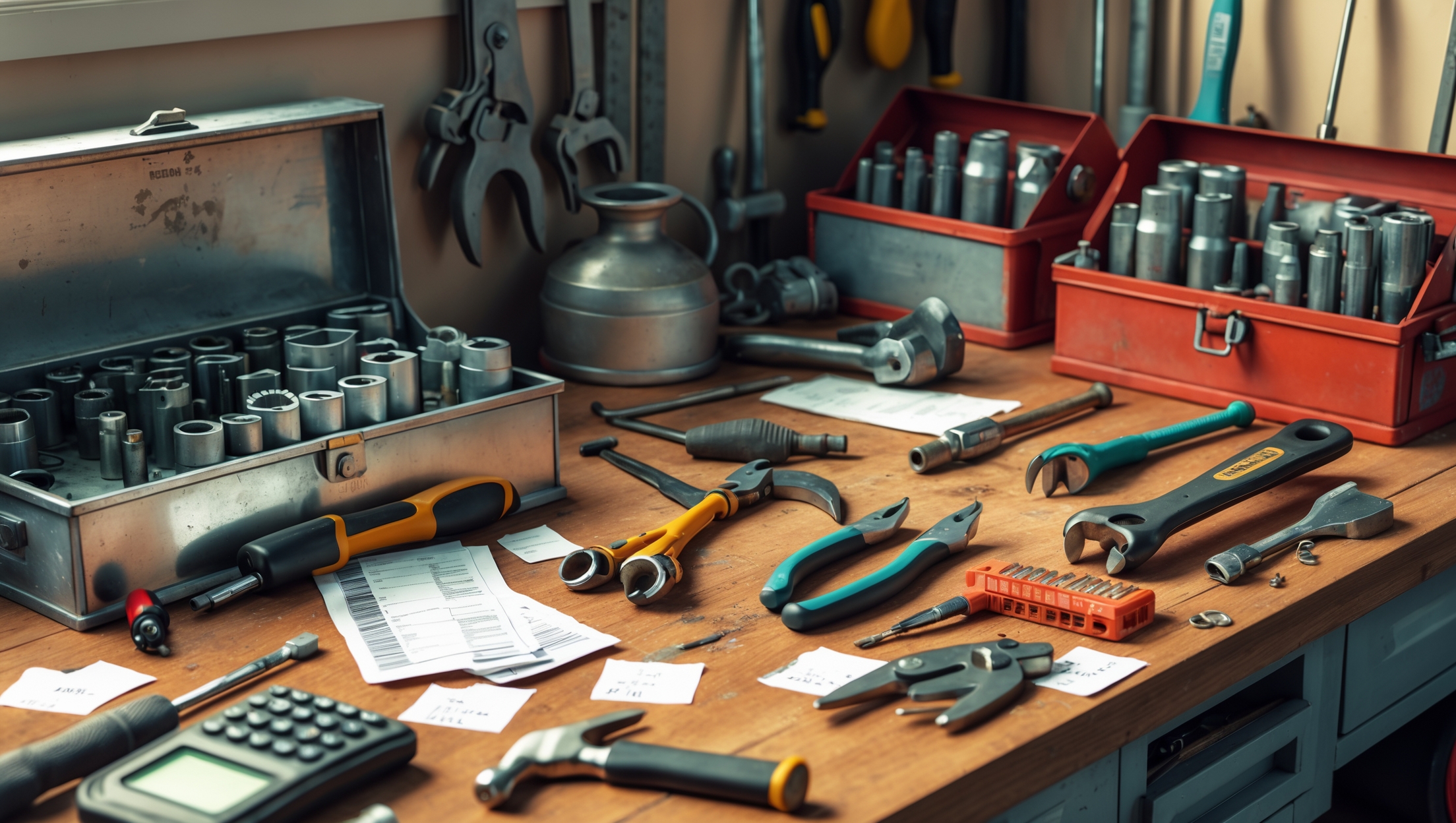
Introduction: The Real Price of DIY Tool Ownership
For enthusiastic DIYers and homeowners, investing in tools and equipment feels empowering—unlocking the freedom to repair, maintain, and upgrade your living space on your terms. Yet, the process of selecting and purchasing tools involves more than simply comparing sticker prices or chasing the latest gadget deals. Hidden costs lurk beneath the surface, from ongoing maintenance and accessory replacement to storage solutions and even insurance. Many first-time buyers focus narrowly on upfront costs, only to be surprised by a wave of unanticipated expenses that can strain both budgets and enthusiasm. This comprehensive guide unpacks every aspect of the true cost of home tool ownership, reveals common budgeting pitfalls, and offers practical strategies to help you make smarter purchasing decisions. Whether you’re gearing up for your first major home project or simply looking to expand your toolkit, understanding the full financial picture will ensure your DIY journey stays rewarding—and cost-effective—in the long run.
Understanding Upfront vs. Lifetime Tool Costs
Breaking Down Initial Purchase Price
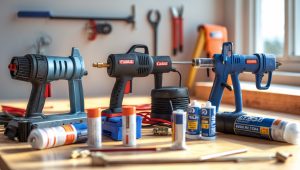
The shelf price of a tool is only the beginning. When comparing similar tools, it’s tempting to opt for the cheapest option, but this strategy often leads to frustration and higher costs over time. Upfront expenses include:
- Base purchase price: The amount paid for the tool itself.
- Starter kits or bundles: Packages that include batteries, chargers, or basic accessories, often at a slight discount.
- Sales tax and shipping: Frequently overlooked, these add-ons can increase costs by 5-15% or more.
Lifetime Costs DIYers Overlook
Over a tool’s lifespan, expenses accumulate in less obvious ways. Consider the following:
- Consumables: Blades, sandpaper, drill bits, and batteries wear out and require ongoing replacement.
- Maintenance: Lubricants, cleaning supplies, calibration fees, and repairs.
- Upgrades and add-ons: Attachments or accessories to expand functionality.
- Storage and protection: Toolboxes, organizers, or cabinets to prevent damage and loss.
- Energy costs: For power tools, electricity usage or battery charging expenses.
Case Example: The “Affordable” Cordless Drill
A budget cordless drill ($50) may seem like a steal. But factor in:
- Extra batteries ($30–$50 each)
- Charger (sometimes sold separately at $20–$40)
- Replacement bits and accessories ($15–$40/year)
- Storage case ($25)
- Occasional repairs or replacements (every 3–5 years)
Over five years, the real cost can easily double or triple the initial outlay.
Hidden Expenses: What Most Buyers Miss
Accessory and Consumable Burn Rate
Some tools, by design, require frequent replacement of consumables. For example, oscillating multi-tools and sanders chew through pads and blades rapidly, while saws need regular blade changes. Track how quickly you go through these items to budget accurately.
Tool Storage and Organization
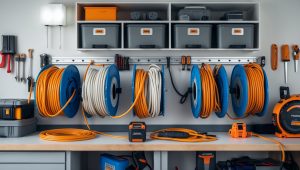
As your collection grows, so does the need for secure storage. Skimping on organization leads to lost or damaged tools—another hidden cost. Options include:
- Wall-mounted pegboards ($30–$80 with hardware)
- Modular drawer systems ($100+)
- Weatherproof outdoor storage for larger equipment ($150–$300)
Safety Equipment and Compliance
Every new tool may require its own set of safety gear (goggles, gloves, masks), especially for power equipment. Upgrading electrical tools can also raise compliance issues, requiring GFCI outlets or extension cords rated for higher loads. These upgrades protect you and your home but add to the bottom line.
Tool Insurance and Loss Protection
If you’ve invested in high-end tools, consider whether your homeowner’s or renter’s insurance covers their loss, theft, or damage. Some policies require additional riders or documentation, costing $20–$50 annually depending on value.
Time: The Often-Ignored Cost
Every tool comes with a learning curve. Factor in the time spent researching, setting up, maintaining, and mastering new equipment. While not a direct financial cost, time is a critical (and often underestimated) resource when calculating value.
Building a Smarter Tool Budget: Step-by-Step
Step 1: List Your Must-Have Tools
Start by identifying the essential tools needed for your specific projects. Avoid “nice-to-have” items until the basics are covered. Examples include:
- Hammer, screwdrivers, and tape measure for general repairs
- Power drill and bits for furniture assembly and wall mounting
- Stud finder, level, and utility knife for safety and precision
Step 2: Price Out the Complete Package
For each tool, calculate:
- Base price
- Essential accessories (batteries, chargers, blades, etc.)
- Protective gear required for safe operation
- Storage solution costs
Use a spreadsheet or budgeting app to tally subtotals and identify areas where prices add up quickly.
Step 3: Estimate Annual Consumable and Maintenance Costs
Research average replacement rates for consumables and schedule regular maintenance (like blade sharpening or lubrication). Allocate an annual budget for these recurring expenses to prevent surprises.
Step 4: Factor in Upgrade Paths
Consider whether the tools you buy now can be upgraded or expanded. Modular systems (like battery platforms shared across multiple brands) often yield savings over time, even if the initial cost is higher.
Step 5: Plan for Contingencies
Set aside a “miscellaneous” buffer (typically 10–15% of your total budget) to cover unexpected costs—emergency replacements, lost tools, or last-minute supply runs.
Cost-Saving Strategies Without Sacrificing Quality
Buy for Your Actual Needs, Not Aspirations
Assess the frequency and types of projects you realistically plan to tackle. For occasional use, mid-tier brands often offer the best balance of cost and reliability.
Leverage Battery and Accessory Ecosystems
Many brands offer tools that share batteries and chargers. Sticking to a single ecosystem reduces redundancy, cuts long-term costs, and simplifies storage.
Take Advantage of Bundles and Promotions
Watch for seasonal sales, manufacturer rebates, and bundle deals. These promotions can significantly lower the per-tool cost, especially during holidays or trade-in events.
Consider Refurbished or Certified Pre-Owned Tools
Reputable sellers often offer refurbished tools with warranties at a fraction of the new price. These can be a smart buy for non-critical or backup equipment.
Join Local Tool Libraries or Swap Groups
If you need a specialty tool for a single project, check for community tool libraries or borrowing apps instead of buying. You’ll save money and reduce clutter.
Invest in Preventative Maintenance
Proper cleaning, storage, and regular servicing dramatically extend tool life, reducing replacement frequency and associated costs.
Comparing Tool Types: When to Splurge vs. Save
Hand Tools: Spend More on Daily Drivers
For tools you’ll use every week (hammer, screwdriver, pliers), invest in high-quality options. Cheap hand tools often fail quickly and can be unsafe.
Power Tools: Match Features to Project Scale
If you’re tackling major renovations, higher-end power tools with robust warranties are worth the cost. For infrequent, light-duty jobs, reputable mid-range models suffice.
Multi-Purpose vs. Specialized Tools
Multi-tools offer good value for limited space or budgets, but may not perform as well as specialized equipment for demanding tasks. Analyze your project list to decide where versatility or performance matters most.
Real-World Budget Breakdown: Sample DIY Toolkit
Scenario: Setting Up for Routine Home Maintenance
- Hammer: $20 (mid-range, ergonomic grip)
- Screwdriver set: $25 (magnetic tips, multiple sizes)
- Cordless drill/driver (with battery & charger): $90
- Drill bit set: $18
- Pliers set: $30
- Tape measure & level: $22
- Stud finder: $15
- Toolbox: $35
- Safety glasses & gloves: $18
- Annual consumables (bits, batteries, replacements): $40
- Miscellaneous buffer (10%): $29
Total estimated first-year budget: $342
This breakdown highlights how non-tool costs quickly add up. Adjust your budget based on the scale and ambitions of your DIY projects.
Common Budgeting Mistakes to Avoid
- Underestimating accessory and consumable costs. Always tally these up before purchasing.
- Ignoring the price of quality storage and protection. Damaged tools are costly to replace.
- Overbuying for rare or one-off projects. Consider rental or borrowing instead.
- Neglecting to factor in safety gear and maintenance. These are not optional extras.
- Skipping research on warranty or service terms. Not all warranties are equal—read the fine print.
Conclusion: Maximizing Value, Minimizing Surprises
Owning the right tools is a cornerstone of self-sufficiency and home improvement satisfaction—but only when you understand and plan for the full financial picture. By looking beyond the sticker price and accounting for all associated costs, from consumables and maintenance to storage and insurance, you empower yourself to make smarter, more sustainable purchasing decisions. A thoughtful budget not only prevents expensive surprises but also helps prioritize quality, safety, and long-term value. Remember, the most expensive tool isn’t always the best investment—nor is the cheapest necessarily the wisest choice. Instead, focus on a balanced approach: buy what you’ll use most often, maintain your equipment diligently, and leverage community resources for specialty needs. With careful planning, the hidden costs of tool ownership become manageable—and your DIY journey transforms from a series of unexpected expenses into a rewarding, cost-effective adventure. Whether you’re a seasoned renovator or just starting out, let this guide serve as your roadmap to confident, budget-savvy tool ownership for every project ahead.

Could you elaborate more on how insurance factors into the long-term costs of tool ownership? Is there a particular type of home insurance that covers tool investment, or do DIYers typically need separate coverage?
Insurance is an important but often overlooked part of tool ownership costs. Standard home insurance sometimes covers tools up to a certain limit, but that limit may be too low for serious DIYers or professionals. If your tool collection is valuable, you might consider adding a rider or endorsement to your policy for extra coverage. In some cases, especially for high-value items or if you use tools for business, a separate policy might be necessary. It’s best to review your policy or consult your insurer to ensure your investment is adequately protected.
When it comes to budgeting for accessories and consumables like drill bits or sandpaper, is there a rule of thumb for estimating these ongoing costs as a percentage of the initial tool investment?
A practical rule of thumb is to budget about 10–20% of your initial tool investment each year for accessories and consumables like drill bits, saw blades, and sandpaper. If you use your tools heavily or tackle large projects, consider leaning toward the higher end of that range. Tracking your usage over time can also help you fine-tune your future budgets.
Is it generally more cost-effective to buy starter kits that include batteries and accessories, or should I purchase tools and add-ons separately over time? I’m trying to build a toolkit gradually but don’t want to fall into the common budgeting pitfalls discussed here.
When starting from scratch, buying starter kits that include batteries and accessories is usually more cost-effective. Kits often bundle items at a lower total price, and you avoid compatibility issues between brands. As you build your collection, buying bare tools individually can make sense, but starting with a kit helps you avoid hidden costs like buying batteries or chargers separately, which can add up quickly.
The article talks about starter kits and bundled deals with accessories. Is it usually more cost-effective in the long run to invest in these bundles upfront, or should I buy individual items as I need them for each project?
Starter kits and bundled deals can often save you money compared to buying each tool and accessory separately, especially if you’ll eventually use most items included. However, if your projects require only specific tools, buying individually might be smarter to avoid spending on unnecessary extras. Consider your typical DIY needs and future plans—if you’re committed to regular projects, a bundle is usually more cost-effective over time.
When it comes to storage solutions for tools, should I build something DIY or buy a pre-made organizer? I wasn’t expecting that storage would be such a big hidden cost, so I’m wondering what most first-timers do.
Many first-time DIYers are surprised by storage costs and often start with budget-friendly, pre-made organizers to get tools off the floor quickly. If you have some basic woodworking skills and want to save money, a DIY solution can be more customizable and cost-effective. It depends on your available time, tools, and whether you prefer convenience or personalization. Some people combine both: buying basic shelving and then building custom holders as their tool collection grows.
When deciding between buying the cheapest tool versus investing in a more expensive brand, how can I tell if the higher upfront price will actually save me money on lifetime costs like repairs or upgrades?
To judge if a pricier tool will save you money in the long run, consider how often you’ll use it and check reviews on durability and warranty. Expensive brands often last longer and offer better support, reducing the need for repairs or replacements. Factor in how much replacement parts cost and if upgrades are available. If you use the tool frequently or for demanding tasks, the upfront investment can pay off by avoiding repeated purchases of cheaper tools.
You mentioned storage solutions as one of the hidden costs of owning tools. Do you have any practical tips for affordable tool storage for someone with limited space, like an apartment or a small garage?
For small spaces like apartments or compact garages, consider wall-mounted pegboards or magnetic strips to keep tools organized vertically. Over-the-door organizers or stackable plastic bins can also help maximize storage without taking up much floor space. Collapsible toolboxes or rolling carts are great for storing tools out of sight when not in use and can be tucked into closets or corners easily.
The article mentions tool insurance as a hidden cost for DIYers, but I’m not really sure when it makes sense to get insurance for home tools. Are there situations where tool insurance is actually worth it for a homeowner, or is it mostly overkill?
Tool insurance can be worth considering if you own expensive power tools, have a large tool collection, or regularly lend your tools to others. It’s also useful if you store tools in a garage or shed that isn’t covered by your home insurance. For most casual DIYers with basic tools, though, it’s generally not necessary and your regular homeowner’s insurance may already provide enough protection.
In the section about lifetime costs, you mentioned ongoing expenses like consumables and maintenance. How do you recommend estimating these costs ahead of time, especially for someone just starting out who isn’t sure what will wear out fastest?
To estimate ongoing costs, start by checking the tool’s manual or manufacturer website for recommended maintenance and typical replacement parts. Look at common consumables like blades, sandpaper, or batteries and note their prices. You can also ask at hardware stores or online forums about how often items need replacing for your intended use. For beginners, it’s helpful to budget a small monthly amount for unexpected wear and tear until you get a feel for your actual usage.
When figuring out my budget for a first set of home tools, how much extra should I set aside for accessories and storage solutions compared to the base price? It sounds like these hidden expenses can catch people off guard.
You’re right—accessories and storage can add up quickly. A good rule is to set aside an extra 25 to 40 percent of your base tool budget for things like drill bits, saw blades, extension cords, toolboxes, or shelving. This way, you’re prepared for those essential extras without going over budget.
If I’m trying to decide between investing in a starter kit with accessories and buying tools individually, which option tends to be more cost-effective over the long run when factoring in the hidden expenses described in the article?
Choosing a starter kit with accessories is often more cost-effective in the long run, especially when you consider hidden expenses like separate accessory purchases, mismatched tool compatibility, and extra storage needs. Starter kits typically include commonly used accessories and are designed to work together, helping you avoid additional unplanned spending that can come with buying tools individually.
When you mention storage solutions as a hidden cost, do you mean investing in full cabinets or are there affordable DIY ways to safely store tools that still protect your investment long term? I’m trying to budget realistically before I commit to buying more equipment.
Storage solutions can range from full cabinets to much more affordable DIY options. You don’t have to invest in expensive cabinets if that’s outside your budget. Wall-mounted pegboards, heavy-duty shelves, stackable bins, or even repurposed furniture can keep your tools organized and protected from damage and moisture. The key is to ensure good airflow, easy access, and safe storage to prolong your tools’ lifespan without overspending.
As a small business owner setting up a workshop, how do you suggest I estimate the annual maintenance and consumables budget for tools I use frequently, like drills or saws? Are there general guidelines or formulas you recommend for planning these recurring expenses?
To estimate your annual maintenance and consumables budget, review tool manuals for recommended service intervals and typical consumable lifespans. A common approach is to budget 10-20% of each tool’s initial cost per year for maintenance, plus the estimated cost of consumables like bits or blades based on usage frequency. Track your actual replacement intervals for more accurate future planning. Regularly reviewing these costs helps prevent budgeting surprises.
When deciding between buying a cheaper tool versus investing in a more expensive model, how can I estimate the long-term costs like maintenance and replacing parts? Are there specific signs that make it worth spending more upfront?
To estimate long-term costs, check product reviews and manufacturer info for details on maintenance needs, typical part replacements, and warranty coverage. Frequent repairs or part replacements with cheaper tools can add up quickly. Look for signs like robust construction, reputable brand reputation, longer warranties, and availability of replacement parts; these often signal that a higher upfront investment may actually save money and hassle over time.
I know the article mentions storage and even insurance as hidden costs. Do you have advice on affordable storage solutions for someone with limited space, or tips for when insurance on tools is actually worthwhile?
For limited space, consider wall-mounted pegboards, stackable bins, or under-bed storage boxes to keep tools organized and accessible without taking up much room. As for insurance, it’s worth considering if you own high-value tools, rely on them professionally, or live in an area with higher theft risk. For hobbyists with just a few basic tools, extra insurance may not be necessary.
For someone just starting their toolkit, what are the best ways to avoid getting caught off guard by accessory and consumable expenses? Is there a rule of thumb for how much to set aside for replacements in the first year?
When building your first toolkit, it helps to factor in about 20–30% of your initial tool budget for accessories and consumables like drill bits, sandpaper, or saw blades. Track what you use most often, and restock in multipacks when possible for savings. Reviewing your tool manuals can also clue you in on which consumables you’ll need more frequently.
When deciding between buying a higher-end tool versus a basic starter kit, is there a general rule for how quickly the long-term savings from better quality make up for the higher initial cost?
There’s no one-size-fits-all rule, but generally, higher-quality tools pay off if you use them often or for demanding tasks. If you need a tool regularly, the savings from fewer replacements and better performance often recover the extra cost within a year or two. For tools you’ll use rarely, a starter kit might be more cost-effective. Estimate your expected usage and compare both purchase and possible repair or replacement costs to guide your choice.
Is it generally cheaper in the long run to buy a higher-end tool that comes with a starter kit, versus getting a more basic model and buying accessories separately as you go? I’m trying to figure out the smartest budgeting approach before making any big purchases.
Buying a higher-end tool with a starter kit can often be more cost-effective in the long run. Starter kits usually bundle essential accessories at a lower combined price than if you bought each piece separately later. Higher-end tools also tend to last longer and perform better, potentially saving you money on replacements or repairs. Comparing total costs and considering your specific needs will help you make the smartest choice.
When it comes to choosing between bundled starter kits and buying individual tools and accessories, which approach tends to be more cost-effective in the long run for someone who’s planning to gradually expand their collection?
If you’re planning to build your tool collection over time, buying individual tools and accessories is usually more cost-effective in the long run. Bundled starter kits can save money upfront but sometimes include items you may not need or use often. By selecting tools as you go, you can focus on quality, avoid duplicates, and ensure each purchase fits your specific projects and preferences.
I’m trying to budget for my first toolkit, but I’m not sure how much extra I should set aside for things like replacement blades, batteries, and maintenance over the first year. Is there a rule of thumb or percentage of the initial tool cost I should expect to spend on these hidden expenses?
A helpful rule of thumb is to budget an extra 15-25% of your initial tool costs for hidden expenses like replacement blades, batteries, and routine maintenance in the first year. This percentage can vary depending on how frequently you plan to use your tools and the types of projects you tackle, but it should give you a reasonable cushion for those often-overlooked expenses.
The article mentions storage solutions as a hidden cost. Do you have recommendations for budget-friendly ways to organize tools at home without spending a fortune on specialized cabinets or systems?
Absolutely, there are plenty of budget-friendly ways to organize your tools at home. Consider using pegboards with hooks for wall storage, repurposing old jars for storing screws and nails, or using inexpensive plastic bins and drawer organizers for smaller items. Wall-mounted shelves or even recycled wooden pallets can help keep larger tools off the floor. These options help you stay organized without needing to invest in costly, specialized storage cabinets.
The article talks about accessory and consumable replacements adding up over time. Is there a rule of thumb for how often items like batteries, blades, or drill bits typically need to be replaced for an average DIYer?
For the average DIYer, batteries for cordless tools usually last 2–3 years before performance drops noticeably. Blades for saws might need changing every 6–12 months, depending on usage and material, while drill bits can last several months to a year with moderate use. Actual replacement times vary based on project frequency and materials, but inspecting tools regularly for wear helps you plan ahead.
How do you recommend budgeting for hidden costs like consumables and maintenance when buying tools for the first time? Are there any rules of thumb for estimating these expenses over the tool’s lifespan?
When budgeting for hidden costs like consumables (blades, bits, sandpaper) and maintenance (oil, replacement parts), a good rule of thumb is to set aside about 10–20% of your initial tool purchase price annually. Check the tool manual for recommended service intervals and factor in expected usage. Also, track what you use over a few months to adjust your budget as you get more experience.
You mentioned consumables like blades and batteries adding up over time. Is there a guideline or rule of thumb for estimating how much to budget annually for these ongoing replacement costs when building a toolkit from scratch?
A useful rule of thumb is to budget about 10-20% of your initial tool investment each year for consumables like blades, bits, sandpaper, and batteries. For example, if you spend $500 on tools, set aside $50–$100 annually. Actual costs will vary depending on how often you use your tools and the types of projects you take on, but this percentage provides a reasonable starting point.
The article talks about storage solutions being a hidden cost. For someone with limited space, do you recommend prioritizing money for wall-mounted organizers or portable storage cases at the beginning, or is it better to wait until my collection grows?
If you’re just starting out and have limited space, portable storage cases are a practical first investment. They keep your tools organized and easy to move or store wherever you have room. As your tool collection expands, you can consider adding wall-mounted organizers to maximize your space and keep frequently used tools accessible.
The article mentions insurance as a hidden cost of tool ownership. Could you explain how insurance works for tools and if it’s something I should actually look into as a beginner, or is it mainly for professionals?
Insurance for tools typically covers the cost of replacing or repairing them if they’re stolen or damaged, which can be especially important for high-value or essential equipment. For beginners with a small set of basic tools, it may not be necessary to get separate insurance. However, if your collection grows or you invest in expensive tools, it’s worth checking if your homeowner’s or renter’s policy already offers some coverage, or if you should consider additional protection.
When it comes to budgeting for consumables like blades and batteries over a tool’s lifespan, what’s a realistic annual estimate for a moderate DIYer? I’m trying to plan ahead and avoid surprises after my initial tool investment.
For a moderate DIYer, a practical annual estimate for consumables like blades, batteries, bits, and sandpaper is typically between $50 and $150, depending on your project types and tool brands. Battery replacements are less frequent and may only be needed every few years, but blades and similar items may need replacing more often. Keeping a small buffer in your budget helps manage any unexpected needs.
For someone just starting out, are there certain tools where buying the cheaper version actually makes sense because the lifetime costs are minimal, or is it almost always better to invest in higher quality from the beginning?
For beginners, it’s totally reasonable to buy cheaper versions of basic tools like tape measures, utility knives, or simple screwdrivers, since they tend to last a long time and aren’t as affected by heavy use. For tools you’ll use often or need for precision, like power drills or saws, investing in quality is usually worth it. Starting with budget-friendly basics lets you focus your spending where it matters most.
The article talks about storage solutions and even insurance as hidden costs of owning tools. Could you explain how someone should factor in those kinds of expenses when planning out their DIY budget?
When planning your DIY budget, it’s smart to add a line for extra expenses like storage and insurance. Estimate the cost of shelves, cabinets, or toolboxes you might need, plus any upgrades for security. For insurance, check if your homeowner’s policy covers tools or if you’ll need extra coverage, then include that yearly cost. Add these amounts to your tool budget to get a more realistic total before making purchases.
Can you share any tips for estimating the ongoing costs of consumables and maintenance before purchasing a tool? I always seem to underestimate things like replacement blades and battery wear.
To estimate ongoing costs, start by listing all consumables a tool needs, such as blades, sanding pads, or batteries. Check manufacturer recommendations for replacement frequency, and read user reviews to gauge real-world usage. Factor in average prices for these items, and multiply by how often you’ll use the tool annually. Also, consider common maintenance needs like lubricants or filters. This way, you’ll have a clearer picture of yearly expenses before buying.
When factoring in accessory replacements like blades and batteries, do you have any guidelines on how often these usually need to be replaced for typical DIY projects? I always seem to underestimate how quickly those recurring costs add up.
You’re right—accessory replacements can add up fast. For typical DIY use, tool blades (like saw blades or utility knife blades) might need replacing every few projects, especially if you’re cutting tough materials. Batteries for cordless tools usually last 2-5 years, though heavy use can shorten that. Tracking how long each accessory lasts with your actual projects can help you budget more accurately for future replacements.
Could you elaborate on insurance for home tools? Is it typically covered under homeowners policies, or would I need additional coverage if I’m investing in higher-end equipment?
Most homeowners insurance policies offer some coverage for personal property, which usually includes your home tools. However, there are often limits on high-value items, and some policies may exclude business or hobby equipment if it’s particularly expensive. If you’re investing in higher-end or specialized tools, it’s wise to check your policy’s limits and exclusions. You may want to schedule an endorsement or rider for additional coverage to protect these items more fully.
I noticed you brought up the impact of sales tax and shipping on the overall price. In your experience, does buying tools in-store versus online usually end up being more cost-effective once all these fees are considered?
Buying tools in-store can sometimes be more cost-effective, especially since you avoid shipping fees and can take advantage of any in-person discounts or clearance deals. However, online retailers sometimes offer lower base prices or exclusive promotions. Sales tax usually applies to both options, but the total cost depends on current sales, shipping policies, and any available coupons. It’s a good idea to compare the final checkout totals—including all fees—before deciding.
The article mentions storage and even insurance as hidden costs. Could you explain what kinds of storage solutions or insurance policies I should consider for a growing tool collection, especially if I’m just getting started with DIY projects?
For storage, consider sturdy shelving, lockable tool chests, or wall-mounted pegboards to keep tools organized, safe, and easily accessible. If you’re short on space, stackable bins or portable toolboxes work well. As for insurance, review your homeowner’s or renter’s policy to see if tool theft or damage is covered. You might need to add a rider or endorsement for valuable or specialized tools. Taking inventory with photos and receipts can help streamline any future claims.
I’m working with a pretty tight budget, and the idea of all these extra costs is a little overwhelming. Would you recommend buying one high-quality tool at a time, or is it smarter to start with a cheaper starter kit and upgrade slowly as things wear out?
If your budget is tight, starting with a more affordable starter kit can make sense, especially if you need several basic tools right away. This way, you can tackle immediate DIY tasks without overspending. Over time, replace the most-used tools with higher quality versions as you notice their limitations or as they wear out. This approach balances initial savings with long-term durability.
You mentioned that starter kits sometimes include batteries or accessories at a slight discount. How do I figure out whether it’s smarter financially to buy a starter kit versus buying the tool and accessories separately in the long run?
To decide between a starter kit and buying items separately, make a list of all the components you need—such as the tool, batteries, charger, and accessories. Check the total price of each item individually and compare it to the price of the starter kit. Also, consider the quality and compatibility of included accessories. Sometimes, kits offer basic versions, so if you need higher-end accessories, buying separately could be smarter long-term.
If I’m torn between buying a cheaper tool upfront versus investing more in a higher-quality version, is there a rule of thumb for when it’s actually worth the extra investment based on lifetime costs?
A helpful rule of thumb is to invest more in high-quality versions of tools you’ll use regularly or for demanding tasks, since these tend to last longer and perform better, reducing replacement and repair costs over time. For tools you’ll only use occasionally, a more affordable option might be sufficient. Weigh expected frequency of use and potential costs of poor performance when deciding.
You mention hidden costs like maintenance and accessory replacement—do you have any advice on estimating how much I should budget annually for these extras as a beginner? I’m worried about unexpected expenses piling up after buying basic tools.
For beginners, a good rule of thumb is to set aside about 10–20% of your initial tool purchase cost each year for maintenance and accessory replacements. So if you spend $300 on tools, budgeting $30–60 yearly should cover basics like new blades, oils, or protective gear. As you gain experience and expand your toolkit, you can adjust this amount based on actual wear and tear.
I noticed insurance was mentioned as a hidden cost. Could you elaborate on what types of insurance are relevant for home tool ownership, and whether most homeowners actually need to factor this into their budgeting for DIY projects?
Insurance becomes relevant for home tool ownership mainly in two ways: coverage for theft, loss, or damage to your tools, and liability if someone is injured while you’re using them. Homeowners insurance sometimes covers personal property like tools, but there are usually limits, especially for valuable or specialty items, so extra coverage may be needed. While not every homeowner needs additional insurance just for DIY tools, if you have an extensive or expensive collection, it’s smart to check your policy and consider updating it. For occasional DIYers with basic tools, the standard policy may be enough.
When comparing starter kits to buying bare tools, is it generally smarter for a beginner to pay extra for bundles that include batteries and chargers, or is it better to start small and only buy what you need for immediate projects?
For beginners, starter kits that include batteries and chargers are usually a better value in the long run. These bundles often cost less than buying everything separately, and having extra batteries is handy as your tool collection grows. If you’re sure you’ll only need one or two tools, starting small can work, but most DIYers quickly find new uses, so kits offer more flexibility and convenience.
You mentioned insurance as a hidden cost of tool ownership. Is that something most homeowners actually need for their personal tool collection, or is it mainly for contractors? Any advice on affordable options?
Insurance for personal tool collections is usually not essential for most homeowners, especially if your tools are of moderate value and used mainly for typical DIY projects. Contractors or hobbyists with expensive, specialized equipment are more likely to need specific coverage. For extra peace of mind, check if your homeowners or renters insurance policy already covers theft or damage to personal tools—many do, within certain limits. If your collection is valuable, consider adding a small rider to your policy, which is often very affordable.
The article mentions insurance as a hidden cost—can you share more about what types of tool-related insurance homeowners might actually need, and how much it typically adds to the overall budget?
Homeowners may want to consider two main types of tool-related insurance: coverage under their homeowners policy for theft or damage, and specific tool insurance if they own expensive or specialized tools. Standard homeowners insurance may cover tools up to a certain limit, but high-value items might need extra riders or scheduled coverage. Costs can range from a few dollars per month for a small increase, up to $100 or more annually for comprehensive tool insurance, depending on the value and type of tools you want to protect.
For planning purposes, how often should a beginner expect to replace things like drill bits, sandpaper, or batteries? Does the frequency mostly depend on the type of projects, or are there general timelines to budget for?
The replacement frequency for drill bits, sandpaper, and batteries depends a lot on the types of projects you do and how often you use your tools. For light DIY use, sandpaper might last a few projects, drill bits could last several months to a year with occasional use, and batteries may last a few years. Heavy use or working with tough materials will wear these out faster, so your budget should allow for more frequent replacements if you plan to tackle larger or more frequent projects.
If I’m mostly doing smaller home projects, does it still make sense to buy tools outright given these lifetime costs, or would renting be a smarter budget choice?
If your projects are occasional and involve tools you won’t use often, renting can be more cost-effective since you avoid maintenance, storage, and upfront costs. However, for frequently used basic tools, owning them may save money in the long run. Try to assess how often you’ll use each tool and compare rental costs to purchase price before deciding.
The article mentions storage solutions as a hidden cost. Do you have any suggestions for affordable ways to organize and protect tools at home, especially if space is limited or if I’m just starting to accumulate equipment?
For affordable tool organization, consider using pegboards or wall hooks to keep tools visible and save floor space. Stackable plastic bins or clear containers can help with small parts and hand tools. If you’re starting out, a sturdy toolbox or repurposed containers like buckets work well. Utilizing shelves or even the back of a closet door with hanging organizers also makes the most of limited space while protecting your tools from damage and loss.
Your mention of storage solutions as a hidden cost got me thinking—do you have any tips for affordable ways to store tools, especially for someone with limited space who’s just starting out?
For small spaces and tight budgets, wall-mounted pegboards or magnetic strips are great for keeping tools organized and easy to reach. Repurposing items like old jars for screws or small parts, and using stackable plastic bins or shoe organizers, can also help store tools efficiently without spending much. Start with what you have and expand as your collection grows.
I have been budgeting for some new tools and was surprised to see sales tax and shipping can add 5-15% to costs. Do you find it’s usually better to wait for in-store promotions or bundle deals to offset these extra expenses?
Waiting for in-store promotions or bundle deals can often help offset the extra costs from sales tax and shipping. Many retailers offer discounts, free shipping, or tax-free events, especially during holidays or special sales. Bundling tools can also provide better value. If your purchases aren’t urgent, keeping an eye out for these deals can definitely help you stay within your budget.
Could you clarify how insurance plays into tool ownership costs? Are there specific homeowner policies or additional coverage options that homeowners should budget for if they start accumulating more expensive equipment in their workshop?
Insurance is an important factor in the total cost of owning tools, especially if you’re buying higher-priced equipment. Standard homeowner policies often include some coverage for personal property, but there may be limits on tools or workshop items. If your collection grows in value, consider adding a rider or endorsement for extra protection. It’s smart to check with your insurer to understand your coverage limits and any extra costs for insuring expensive tools specifically.
When you talk about ongoing costs like calibration fees and repairs, do you recommend setting up a specific annual budget line for those, or is it better to address them as they come up? I’m trying to avoid financial surprises down the road.
Setting up a specific annual budget line for ongoing costs like calibration fees and repairs is a smart move. This way, you can anticipate expenses and spread them out over the year, avoiding unexpected hits to your wallet. Estimating these costs based on past experience or manufacturer guidelines can help you set an amount that’s realistic for your needs.
The article touched on insurance as a hidden tool cost. As a small business owner, is there a particular type of insurance I should look into for my home workshop, and are there affordable options for people with just a few power tools?
For a home workshop, you might consider a tool insurance policy or add a rider to your homeowner’s or renter’s insurance for your equipment. If you run a small business, a business property insurance policy can also cover your tools, even if you have only a few. It’s worth comparing both general liability and business property insurance, as some providers offer affordable packages tailored for small-scale operations.
I noticed you talked about storage solutions being a hidden cost. Can you give some advice on affordable ways to store tools in a small space, especially for those of us who don’t have a dedicated workshop or garage?
Absolutely, storing tools in a small space can be a challenge, but there are several affordable solutions. Consider using wall-mounted pegboards or magnetic strips to keep tools visible and organized. Over-the-door shoe organizers with clear pockets work well for smaller hand tools. Stackable bins or drawers can fit under beds or in closets. Even repurposed containers or tool rolls help keep everything tidy without taking up much room.
When it comes to choosing between starter kits and buying tools and accessories separately, do DIYers usually save money in the long run with the bundles, or do the ongoing consumable and upgrade costs cancel out those initial savings?
Starter kits often give you a good deal upfront, especially if you need several tools at once. However, over time, the need to buy specific accessories, replacement parts, or higher-quality upgrades can add up. Many DIYers find that while bundles save money at first, ongoing costs for consumables and better tools may reduce or even outweigh those initial savings, depending on your projects and how often you use your tools.
I am trying to figure out if buying starter kits or bundles with batteries and chargers actually saves money in the long run compared to purchasing everything separately. Can you share tips on how to evaluate if a bundle is truly cost-effective?
To see if a starter kit or bundle saves money, add up the prices of each tool, battery, and charger if bought individually. Compare this total to the bundle price. Make sure the bundled items are ones you’ll actually use, since extras you don’t need can inflate costs. Also check if batteries in the bundle are compatible with tools you plan to add later. Sales, warranties, and return policies can also affect overall value, so factor those in as well.
I’m planning my first big home project, and I’m worried about underestimating lifetime tool costs like replacement parts and repairs. Do you have tips or checklists to help first-timers predict these hidden expenses before making a purchase?
Absolutely, predicting hidden tool costs can help you budget wisely. Start by listing the specific tools you’ll need for your project, then research common replacement parts, expected maintenance, and average tool lifespan. Consider setting aside a portion of your budget for accessories like blades or batteries. Check warranty terms and potential repair costs for each tool. Keeping these factors in mind will give you a clearer picture of long-term expenses before you buy.
I knew tools could rack up expenses, but I didn’t realize sales tax and shipping could add up that much. Do you have any tips on how to accurately estimate those extra costs before checking out, especially with online purchases?
To estimate sales tax and shipping before you buy, add items to your cart and start the checkout process—most sites show a breakdown of taxes and shipping costs before you finalize the order. You can also look up your state’s sales tax rate and factor it in yourself. For shipping, check if the store offers a shipping calculator or free shipping thresholds to avoid surprises.
How do you recommend budgeting for consumable items like drill bits and sandpaper over the lifetime of a tool? Do you suggest buying them in bulk upfront or just as needed?
When budgeting for consumables like drill bits or sandpaper, it’s smart to estimate how frequently you’ll use them and factor in a yearly or project-based allowance. Buying these items in bulk can save money if you use them often, but for occasional DIYers, purchasing as needed helps avoid waste or unused extras. Consider tracking your usage for a few months to refine your budget over time.
When considering ongoing expenses like replacement blades, batteries, or maintenance supplies, do you have any advice on how to accurately estimate these lifetime costs ahead of making a purchase? I want to avoid being blindsided by recurring tool costs down the road.
To estimate lifetime costs for tool ownership, start by checking the manufacturer’s recommended replacement intervals for parts like blades and batteries. Look up prices for these items, and estimate how often you’ll need to replace them based on your expected usage. Factor in maintenance supplies, such as lubricants or cleaning agents, and their replacement frequency. Reading user reviews and forums can also offer real-world cost insights that aren’t always listed by manufacturers.
I’m curious how often you recommend budgeting for tool maintenance and consumables like blades or drill bits. Is there a rule of thumb for estimating these recurring costs over a year for someone who tackles several projects annually?
For DIYers handling several projects a year, a good rule of thumb is to set aside about 10–15% of your annual tool purchase budget for maintenance and consumables. This covers replacement blades, drill bits, lubricants, and small repairs. If you spend $500 on tools each year, budgeting an extra $50–$75 for upkeep and consumables should keep you prepared for most routine needs.
The article mentions hidden costs like maintenance and accessory replacements, but how do these usually compare to the actual upfront price over a few years? Is there a rule of thumb for what percentage of your budget should be set aside for those ongoing expenses?
Ongoing costs like maintenance, replacement parts, and accessories can add up to about 10–30% of the tool’s upfront price over several years, depending on usage frequency and tool type. As a general rule of thumb, it’s wise to set aside at least 20% of your initial tool budget for these recurring expenses to avoid surprises and keep your tools in good working condition.
The guide talks about ongoing costs like consumables, maintenance, and upgrades. Do you have any tips for setting up a realistic annual budget for tool upkeep, especially for someone just starting out and unsure which tools they’ll use most frequently?
Start by listing the core tools you plan to use and research their typical maintenance and consumable needs, such as replacement blades or batteries. Set a modest monthly amount aside—around 10–20% of your initial tool budget works for many beginners. Track your spending through the year and adjust as you see which tools get the most use. This approach helps you avoid surprises and makes it easier to plan for upgrades later.
I noticed you mentioned tool insurance as one of the hidden costs. For someone who’s mostly using tools for occasional DIY projects at home, is insurance really necessary, or is it more for professionals? What kind of coverage should a hobbyist consider, if any?
For most home DIYers who use tools occasionally, tool insurance usually isn’t essential. It’s more important for professionals who rely on expensive equipment for their work. As a hobbyist, you might just check if your homeowner’s or renter’s insurance covers theft or damage of your tools. If your collection grows or you invest in pricier tools, it could be worth asking your insurer about additional coverage, but for basic use, it’s often not necessary.
Do you have any advice on how to accurately estimate the annual cost of tool consumables like blades and drill bits when planning a budget for a big home project?
To estimate annual costs for consumables like blades and drill bits, start by breaking down your project into tasks and listing which tools and attachments each one needs. Check manufacturer guidelines or user forums for the average lifespan of those consumables based on typical use. Multiply the expected replacements by current prices, and add a small buffer for unexpected breakages. Tracking your use during smaller projects can help refine future estimates, too.
When budgeting for storage solutions like cabinets or wall mounts, is it better to invest up front in a quality storage system, or start simple and expand over time? Has anyone found a cost-effective balance here?
Investing up front in a quality storage system can be worthwhile if you know your long-term needs and want durability, but many DIYers find it cost-effective to start with basic options like shelves or pegboards, then upgrade as their tool collection grows. This approach helps spread out costs and lets you adapt storage to your evolving needs, which many readers have found practical.
You mentioned that choosing the cheapest tool might lead to higher costs down the road, but do you have any advice for figuring out when it’s actually worth spending more upfront versus when a budget tool will do the job just fine?
A good rule of thumb is to consider how often you’ll use the tool and how crucial the results are. For tools you’ll use regularly or for tasks where precision and durability matter, investing more upfront usually pays off in longevity and performance. For one-time or occasional tasks, a budget tool can often suffice. Reading reviews and checking warranty options can also help you judge the value before you buy.
You mentioned storage solutions as one of the hidden costs of owning tools. Could you give some practical examples of storage options, and how much a typical DIYer should budget for those when first buying tools?
Certainly! For a beginner DIYer, practical storage options include small portable toolboxes (around $20-$50), wall-mounted pegboards ($15-$40), or freestanding shelving units ($40-$100). If you’re starting out, budgeting an extra $50-$100 for storage is reasonable. As your tool collection grows, you might invest in larger cabinets or chests, which can range from $100 to $300 or more, depending on quality and size.
You mention that starter kits or bundles might save some money upfront, but do they actually help reduce long-term costs on accessories and batteries, or is it smarter to buy individual tools as needed?
Starter kits or bundles can help lower long-term costs, especially if they include commonly used tools, batteries, and chargers. Since accessories and batteries sold separately are often pricier, getting them in a kit usually means a better per-item value. However, if you only need specific tools, buying individually might prevent you from paying for equipment you’ll rarely use. Consider your current and future projects to decide which option fits your needs best.
When budgeting for new tools, how should someone prioritize spending between higher upfront quality and the ongoing costs of consumables and maintenance? Are there particular tools where this trade-off is especially important?
When budgeting for tools, it’s wise to invest in higher quality for items you’ll use often or that are safety-critical, like power drills or saws, since they’ll last longer and perform better. For tools with expensive consumables or frequent maintenance needs—like sanders or paint sprayers—factor in ongoing costs too. The trade-off is especially important for anything with replaceable parts or heavy use, so balance upfront price with long-term expenses for each tool.
I see you mention maintenance and calibration fees as recurring costs. How often do homeowners typically need to get their tools serviced, and are there any ways to minimize these maintenance expenses as a beginner?
How often you need to service tools depends on how frequently you use them and their type. Power tools might need annual maintenance if used regularly, while hand tools often just need occasional cleaning and oiling. To minimize costs as a beginner, clean and store your tools properly after each use, follow manufacturer guidelines, and consider learning simple upkeep tasks yourself like lubricating moving parts or sharpening blades.
When budgeting for a larger initial purchase, like a drill and starter kit, how can I balance between getting quality gear upfront versus risking higher lifetime costs from cheaper tools? Would you recommend saving up for midrange brands, or is there a smarter way to avoid overspending?
Balancing upfront cost and quality is key. For essential tools like a drill, it’s wise to save for at least a midrange brand—these usually offer solid performance and better durability, reducing the risk of replacements. You don’t need to buy everything at once; start with core tools, watch for sales, and expand your kit over time. This approach keeps you from overspending while avoiding the pitfalls of cheap, unreliable tools.
The article talks about hidden costs like storage solutions and even insurance for tools. Can you give some specific examples of what kinds of storage options might be necessary for a growing DIY tool collection, and what they typically cost?
For a growing DIY tool collection, storage solutions can range from simple wall-mounted pegboards, which usually cost $20-$50, to sturdy metal tool chests priced between $100 and $500. Modular shelving units for garages often run $50-$200. If you need to store tools safely or in limited space, lockable cabinets or weather-resistant outdoor storage boxes might be $150-$400. The right choice depends on your available space, tool types, and security needs.
The article talks a lot about hidden costs besides the purchase price. How do you recommend prioritizing tool upgrades or add-ons if your budget is pretty limited—should I focus on quality, versatility, or something else?
When your budget is tight, start by focusing on tools that offer the most versatility—multi-use items can handle a variety of tasks and give you more value. Prioritize quality for tools you’ll use frequently, as they’ll last longer and perform better. Accessories and add-ons can usually wait unless they’re essential for a specific project you need to complete soon.
I know the article mentions unexpected costs like replacement batteries and maintenance, but I’m wondering how often those expenses actually come up for a beginner who’s not using their tools every week. Is it still something I should include in my budget right away, or can I put it off?
For a beginner who uses tools only occasionally, expenses like replacement batteries and regular maintenance probably won’t come up for at least a year or two, depending on usage and storage conditions. You don’t need to budget for them immediately, but it’s smart to set aside a small amount over time so you’re prepared when those costs eventually arise.