

Introduction: Choosing Between Battery-Powered and Corded Power Tools for Home DIY
Whether you’re just starting to tackle home upgrades or you’re a seasoned weekend warrior, choosing the right power tools is a decision that can make—or break—your DIY experience. One of the most hotly debated questions in home repair circles is this: Should you go cordless, or stick with tried-and-true corded tools? Both options have evolved dramatically in recent years. Battery-powered tools have surged in popularity, offering freedom from outlets and improved portability. Meanwhile, corded tools remain a staple for their reliability and raw power. But which is truly best for your home repairs, maintenance, and upgrades?
This comprehensive guide unpacks the real-world advantages, drawbacks, and hidden costs of each approach. We’ll dig into performance, convenience, project suitability, and long-term budgeting—plus provide expert tips for building a tool collection that fits your unique needs. Whether you’re assembling flat-pack furniture or renovating an entire room, making the right call now will save you time, money, and frustration down the line. Let’s dive in.
Understanding the Basics: How Battery-Powered and Corded Tools Differ
What Are Battery-Powered Tools?
Battery-powered (cordless) tools run on rechargeable lithium-ion or sometimes older nickel-cadmium batteries. They include everything from drills and impact drivers to circular saws and sanders. Their main selling points are portability and ease of use, especially in areas without easy access to outlets.
- Key features: Rechargeable battery packs, variable voltage (commonly 12V, 18V, 20V), often lighter and more ergonomic designs.
- Typical applications: Quick repairs, outdoor projects, jobs in tight or remote spaces, and flexibility for on-the-go work.
What Are Corded Tools?
Corded tools are powered directly from an electrical outlet. This provides a constant stream of power, making them reliable for heavy-duty or prolonged tasks.
- Key features: Unlimited runtime, consistent power output, usually higher torque and speed for demanding tasks.
- Typical applications: Workshop use, long-duration projects, jobs requiring high power (cutting, grinding, sanding).
Performance Comparison: Power, Runtime, and Versatility
Power and Torque
Corded tools have traditionally held the upper hand when it comes to raw power. They deliver consistent torque and speed, making them ideal for demanding applications like cutting thick lumber or mixing concrete. Battery-powered tools have closed the gap in recent years thanks to brushless motors and high-capacity battery packs, but for sustained heavy-duty use, corded tools still have the edge.
- Corded: Consistent, high output—no power drop-off.
- Battery-powered: Modern units can rival corded for most home tasks, but may slow down or shut off as batteries drain.
Runtime and Endurance
Battery-powered tools are limited by battery capacity. For quick jobs, this isn’t an issue. For longer projects, you’ll need extra batteries and a charger nearby. Corded tools can run as long as needed—provided you have power and can manage the cord.
- Battery-powered: Runtime depends on battery size and tool demand (typically 20–60 minutes of continuous use per battery).
- Corded: Effectively unlimited—just plug in and go.
Versatility and Portability
Battery-powered tools shine in portability. No cords to trip over, no hunting for outlets, and easy maneuvering in tight spots or outdoor settings. Corded tools can be limiting on job sites or in older homes with scarce outlets, and cords can be a tripping hazard.
- Battery-powered: Highly portable, ideal for outdoor work or hard-to-reach places.
- Corded: Best for stationary tasks or workshop settings.
Cost Breakdown: Upfront, Ongoing, and Hidden Expenses
Upfront Costs
Battery-powered tools often cost more initially, especially when factoring in batteries and chargers. Many brands offer ‘bare tools’ (no battery included) at a lower price, but you’ll need at least one battery and charger—sometimes more for a full kit.
- Corded: Usually cheaper per tool; no battery required.
- Battery-powered: Starter kits (tool, battery, charger) can be significantly more expensive.
Ongoing Costs
Batteries have a finite lifespan (usually 2–5 years, depending on use). Replacements can be costly, especially for premium brands. Corded tools rarely need major replacement parts unless the motor fails.
- Battery-powered: Budget for replacement batteries and possibly chargers.
- Corded: Lower ongoing costs; maintenance limited to brushes, cords, or switches.
Hidden Costs and Value Considerations
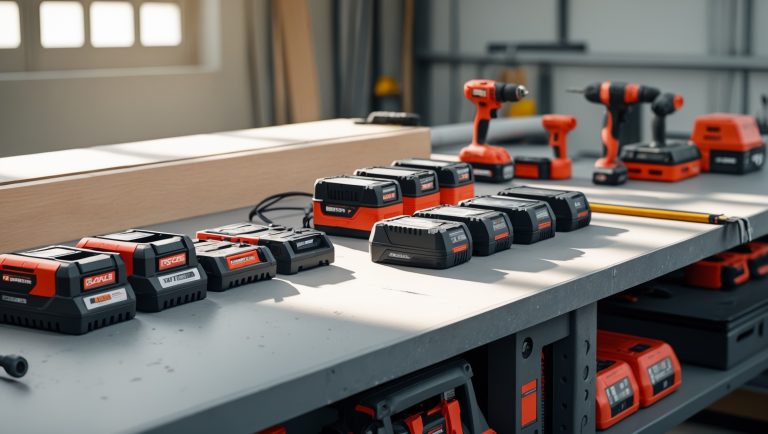
Mixing brands increases costs—most batteries aren’t cross-compatible. Some brands offer ‘platforms’ where one battery fits dozens of tools, which can save money if you commit to a single ecosystem. Consider the cost of accessories, storage, and safety gear as well.
Project Suitability: Matching Tools to Common Home DIY Jobs
Where Battery-Powered Tools Excel
- Outdoor tasks: Deck building, fence repairs, shed assembly—no need for extension cords.
- Quick fixes: Hanging shelves, furniture assembly—grab and go.
- Work in tight spaces: Attics, crawl spaces, or anywhere cords are impractical.
Where Corded Tools Are a Better Fit
- Continuous use: Sanding a floor, cutting large amounts of material, or extended demolition.
- High-demand tools: Reciprocating saws, angle grinders, or large circular saws used for long periods.
- Workshop settings: Bench-mounted tools or where outlets are plentiful.
Maintenance and Longevity: Keeping Your Tools in Top Shape
Battery-Powered Tools
Regularly check batteries for swelling or damage. Store batteries at partial charge in a cool, dry place. Clean tool contacts to avoid charging issues. Expect to replace batteries every few years, depending on use and care.
- Charge only with compatible chargers.
- Don’t leave batteries on the charger for days—this can reduce lifespan.
- Wipe down tools after use to prevent dust buildup.
Corded Tools
Inspect cords for nicks or fraying before each use. Keep air vents clear and clean, especially on saws and sanders. Replace worn brushes as needed (many models allow easy access). Store tools in a dry, dust-free environment to prevent rust and electrical issues.
- Use heavy-duty extension cords rated for your tool’s amperage.
- Avoid yanking cords from outlets.
- Check plugs for heat or discoloration—replace if needed.
Safety Considerations: Cords, Batteries, and User Precautions
Cord Hazards and Prevention
Cords can be tripping hazards, especially in cluttered spaces. Always route cords away from traffic areas and use cord organizers when possible. Never use a damaged cord—replace immediately to avoid shock or fire risk.
Battery Safety
Modern lithium-ion batteries are generally safe but can overheat or fail if damaged or mistreated. Avoid dropping batteries or exposing them to moisture. Never attempt to open or repair a battery pack yourself.
General Precautions
- Always wear appropriate personal protective equipment (PPE): safety glasses, hearing protection, dust masks as needed.
- Unplug corded tools before changing bits or blades.
- Remove batteries before performing maintenance on cordless tools.
- Keep work areas well-lit and uncluttered.
Building Your DIY Tool Collection: Practical Tips and Strategies
Start with Core Tools
For most homeowners, a good starting kit includes a drill/driver, circular saw, sander, and perhaps a reciprocating saw. Consider what projects you tackle most often and prioritize accordingly.
Mixing Corded and Cordless
There’s no rule that says you have to choose only one camp. Many DIYers find that a hybrid approach—cordless for convenience, corded for power-hungry tasks—is the most practical and budget-friendly route.
- Use cordless tools for frequent, quick jobs and portability.
- Reserve corded tools for the workshop or demanding, stationary tasks.
Choosing a Battery Platform
If you’re investing in cordless tools, pick a brand with a wide family of compatible tools and stick with it. This minimizes battery and charger clutter and saves money in the long run.
Bargain Shopping and Bundles
Watch for seasonal sales, refurbished deals, and bundled starter kits. Big-box stores and online retailers often discount multi-tool kits, especially around holidays. Don’t forget to factor in the cost of accessories like bits, blades, and cases.
Case Study: Real-World Tool Choices for a Home Renovation
Consider this scenario: you’re renovating a kitchen in a house built in the 1970s. Tasks include removing cabinets, cutting drywall, installing new shelving, and assembling flat-pack furniture. Here’s how a mixed tool setup might look:
- Demolition: Corded reciprocating saw for continuous cutting without worrying about battery swaps.
- Drywall repair: Cordless drill/driver for portability when moving between rooms.
- Shelving: Cordless impact driver for quick anchor installation.
- Cabinet assembly: Cordless tools for flexibility on the floor or in awkward corners.
This blend maximizes efficiency and minimizes downtime, leveraging the strengths of each tool type.
Myths and Misconceptions: Clearing Up Common Confusion
- Myth: Battery-powered tools can’t handle ‘real’ DIY jobs. Reality: Modern brushless cordless tools are more than capable for most home projects.
- Myth: Corded tools are always more powerful. Reality: Corded tools have an edge for heavy-duty, continuous use, but cordless tools are catching up fast.
- Myth: All batteries are interchangeable. Reality: Most manufacturers use proprietary battery platforms—mixing brands means more chargers and batteries.
- Myth: Cordless tools are maintenance-free. Reality: Batteries need careful storage and periodic replacement; contacts and chargers require cleaning.
Conclusion: Making the Right Choice for Your DIY Needs
Ultimately, the decision between battery-powered and corded power tools isn’t about picking a universal winner—it’s about finding the best fit for your projects, budget, and working style. Cordless tools offer unbeatable convenience, portability, and a clean, uncluttered workspace, making them ideal for most household tasks and on-the-go repairs. As battery technology continues to advance, the performance gap has narrowed, and for many homeowners, a solid set of cordless tools will handle 90% of DIY needs with ease.
That said, corded tools remain invaluable for high-demand, continuous tasks and for situations where power is paramount. If your projects often involve cutting thick materials, extended sanding, or workshop-based work, keeping a few corded workhorses in your arsenal pays dividends. Don’t overlook the importance of matching your tool choices to the job at hand—and remember, most savvy DIYers combine both types for maximum flexibility and cost-effectiveness.
Before you invest, consider your most common tasks, workspace limitations, and willingness to manage batteries or cords. Stick to a single battery platform for cordless tools when possible, and don’t underestimate the value of ergonomic, well-balanced tools—your hands and back will thank you. By weighing the practical pros and cons detailed here, you’ll be well-equipped to build a tool collection that streamlines repairs, simplifies upgrades, and keeps your home running smoothly for years to come.


I noticed the article talks about the hidden costs of battery-powered tools. Can you give some specific examples of what those costs might be over time, like battery replacements or compatibility issues?
Certainly! Hidden costs for battery-powered tools often include replacing batteries every few years, which can get expensive since high-quality batteries aren’t cheap. You might also face issues if your tools use different battery platforms, meaning you can’t use the same battery across all your devices. Sometimes, manufacturers update or discontinue battery formats, making older tools harder to maintain. Chargers and extra backup batteries can also add to the overall cost.
I noticed you mentioned hidden costs with both types of tools. Could you explain what some of those might be for battery-powered tools, like replacement batteries or chargers, and how they stack up over several years compared to just plugging in a corded tool?
For battery-powered tools, hidden costs often include buying extra batteries, replacing old ones when they lose capacity, and sometimes getting new chargers if yours breaks or if you add new tool brands. Over several years, these expenses can add up and end up costing more than simply plugging in a corded tool, which generally only needs the occasional replacement cord or minor maintenance. Corded tools tend to have lower ongoing costs but less flexibility.
You mentioned hidden costs for both battery-powered and corded tools. Could you explain what some of those are? For someone trying to stick to a budget, is it cheaper in the long run to invest in cordless or corded tools?
Hidden costs for battery-powered tools often include buying extra batteries, replacement batteries over time, and chargers. Cordless tools can also require more maintenance for the battery components. For corded tools, hidden costs might be buying extension cords, power strips, or dealing with the inconvenience if outlets aren’t nearby. Generally, corded tools tend to be less expensive over the long run if you don’t need portability and don’t mind using cords, since they avoid battery replacement costs.
In your guide, you mention that battery-powered tools are typically lighter and more ergonomic than corded models. Could you provide more details on how significant the weight difference usually is, and whether that makes a big difference for extended use during larger projects?
Battery-powered tools often weigh about 1–2 pounds less than their corded counterparts, mainly because they lack the heavier motor and bulky power cord. For example, a cordless drill might weigh around 3 pounds, while a similar corded drill could be closer to 5 pounds. This weight difference becomes noticeable during longer tasks—less fatigue and easier maneuvering can make a big difference in comfort and productivity during large projects.
When choosing between battery-powered and corded tools for home projects, how big of a difference does the voltage (like 12V, 18V, or 20V) in cordless tools make for typical tasks like assembling furniture or minor repairs?
Voltage in cordless tools mostly affects their power and runtime. For light tasks like assembling furniture or minor repairs, a 12V tool is usually more than enough—these tools tend to be lighter and easier to handle. Higher voltages like 18V or 20V provide more torque and are better suited for heavy-duty work, but for most home DIY projects, you likely won’t notice a big difference beyond tool weight and size.
For someone focused mainly on indoor projects like furniture assembly and maintenance, would it make more sense to invest in corded or battery-powered tools, especially considering long-term savings and versatility?
For indoor projects like furniture assembly and maintenance, battery-powered tools are often more versatile and convenient since you won’t have to deal with cords or search for outlets. While the initial cost is higher due to batteries, the flexibility and ease of movement can save time and hassle. Corded tools may be cheaper upfront and work well for stationary tasks, but for overall long-term convenience and versatility, battery-powered tools are usually the better investment.
If I’m mostly working on indoor projects but also want the flexibility to occasionally do outdoor repairs, would you recommend building a mixed tool collection or sticking to one type for simplicity and budget reasons?
If you primarily work indoors but want the option for outdoor repairs, a mixed tool collection can be practical. Start with corded tools for tasks near outlets, as they’re often more affordable and offer consistent power. Add a few battery-powered tools for convenience when working outdoors or in areas without easy access to electricity. This approach balances versatility with budget considerations.
You mentioned variable voltages for battery-powered tools. If I want to standardize my tools, is it better to stick with one voltage system, and how does that affect compatibility and performance as my collection grows?
Sticking with one voltage system is a smart way to standardize your battery-powered tools. This ensures battery and charger compatibility, simplifies charging, and usually lets you swap batteries between tools. However, higher voltage tools offer more power but may be heavier, while lower voltage tools are lighter but less powerful. Choose a voltage that best matches most of your projects so your collection remains compatible and versatile.
You mentioned the hidden costs of each approach. Can you give more details on what kinds of ongoing costs I should expect if I go with all battery-powered tools compared to sticking with corded ones, especially for someone who does occasional repairs?
With battery-powered tools, ongoing costs mainly include replacing batteries every few years, as their performance drops over time, and possibly purchasing a backup battery or new charger. These costs can add up, even if you use the tools occasionally. Corded tools, on the other hand, have minimal ongoing costs—just general maintenance and maybe replacing a power cord if it gets damaged. For light, occasional DIY work, corded tools can be more economical in the long run.
Your guide mentions that battery-powered tools have improved portability, but also have potential hidden costs. For a small business with a tight equipment budget, how do you factor in the cost of replacement batteries over time compared to investing in higher-end corded tools?
When budgeting for a small business, it’s important to consider that battery-powered tools may require replacement batteries every few years, depending on usage. These ongoing costs can add up, especially if you have several tools using different battery types. In contrast, corded tools usually have a higher upfront cost but minimal maintenance and no battery replacements. For tight budgets, calculate the total cost of ownership over three to five years, factoring in battery replacements for cordless options, to see which is more cost-effective long term.
I noticed you mentioned hidden costs in choosing between battery-powered and corded tools. Can you elaborate on any unexpected expenses that come up with cordless tools, like battery replacements or compatibility issues across different brands?
Absolutely, hidden costs with cordless tools often include buying extra batteries or replacing them over time, since batteries degrade and lose capacity. Chargers may also need replacing. Another unexpected expense arises if you switch brands or models—batteries and chargers are rarely compatible across brands, so you may need to invest in an entirely new set. Some cordless tools are also sold “bare” without batteries or chargers, adding to the initial cost.
You mentioned that battery-powered tools often have variable voltages like 12V, 18V, and 20V. How much does the voltage actually impact performance for typical home DIY tasks, and is it worth investing in higher voltage models for projects beyond quick repairs?
Voltage does affect performance—higher voltages generally mean more power and longer run times. For common home DIY tasks like assembling furniture or drilling into drywall, 12V tools are usually sufficient. If you plan to tackle tougher projects such as building decks or working with thick hardwood, an 18V or 20V tool is worth considering. Investing in higher voltage models is most beneficial if you expect to use them for heavier-duty tasks regularly.
I’m just getting started with home repairs, and I usually work inside my apartment where outlets are available but space is tight. Based on the performance and convenience points you mentioned, would you recommend starting with a cordless drill or is a corded one still more reliable for a beginner?
Given that you have outlets nearby but are working in a tight space, a cordless drill is likely your best choice. Cordless models are usually lighter, easier to maneuver, and you won’t have to deal with cords getting in the way. Modern cordless drills offer plenty of power for most beginner projects, so you should find them both reliable and convenient for your home repairs.
The guide mentions that battery-powered tools have become more popular due to portability, but I’m worried about battery longevity during longer projects. How do battery-powered tools hold up when you’re working for several hours at a time, and what backup options do people usually plan for?
Battery-powered tools can run out of charge during long projects, especially if you’re using high-drain tools or working continuously. Many DIYers keep one or two spare batteries charged and ready to swap in, which helps avoid downtime. Some also invest in fast chargers to quickly recharge batteries between uses. For uninterrupted work, planning battery rotation is key.
I noticed the guide talks about long-term budgeting for tool collections. Can you explain what hidden costs might come up with battery-powered tools, like replacement batteries or chargers, versus sticking to corded tools?
With battery-powered tools, hidden costs often include buying extra batteries, since they wear out over time or may not hold a charge as long as they age. Chargers can also break or become outdated if you upgrade tools. In contrast, corded tools usually don’t have these recurring expenses; you just replace the cord if necessary. Over several years, these battery and charger replacements can add up, making battery-powered tools potentially more expensive in the long run.
I’m mostly upgrading rooms indoors, but sometimes I need to work outside where outlets are far away. How do hidden costs, like extra batteries or extension cords, usually add up when deciding between corded versus cordless tools over time?
When working both indoors and outdoors, hidden costs can make a difference. Cordless tools often need extra batteries and a charger, which can be pricey upfront and may need replacement after some years. Corded tools are usually cheaper, but you might need several long, quality extension cords for outdoor work, and those can add up too. Over a few years, the total costs often balance out, but cordless tools tend to have slightly higher ongoing expenses due to batteries.
I saw you mentioned different battery voltages like 12V, 18V, and 20V. For someone mostly doing small repairs and assembling furniture around the house, is there a minimum voltage I should look for when buying my first cordless power tool?
For light tasks like small repairs and furniture assembly, a 12V cordless power tool is usually more than enough. These tools are lighter and easier to handle, making them perfect for home use. You only need to consider 18V or 20V if you plan on tackling heavier jobs, like drilling into masonry or working with larger screws.
I noticed you mentioned hidden costs for both battery-powered and corded tools. Could you give some examples of what those hidden costs might look like over time—like replacement batteries, extension cords, or maybe even maintenance?
Absolutely, hidden costs can add up over time for both types of tools. For battery-powered tools, you’ll likely need to replace batteries every few years, which can be expensive. You might also want extra chargers or backup batteries for longer projects. For corded tools, you may need to invest in heavy-duty extension cords and possibly cord reels. Maintenance costs—like replacing worn brushes or switches—apply to both, but battery-powered tools might also need occasional charger replacements. All these can impact the overall cost beyond the initial purchase.
If I already have a collection of older nickel-cadmium battery tools, is it worth upgrading to newer lithium-ion models for home DIY projects, or can I just replace the batteries and still get good performance?
Upgrading to lithium-ion models is generally worthwhile if you use your tools often. Lithium-ion batteries are lighter, hold a charge longer, and deliver more consistent power compared to nickel-cadmium. While replacing your old batteries will keep your current tools running, you may still face issues like shorter run times and heavier weight. For occasional light work, replacing batteries is fine, but for better performance and convenience, consider upgrading.
I often work on projects in my basement where access to outlets is limited. Based on your breakdown, are the newer lithium-ion battery tools powerful enough to handle things like drilling into concrete, or would a corded tool still be better for that type of heavy-duty work?
Lithium-ion battery tools have become much more powerful, and many can handle tasks like drilling into concrete, especially with a quality hammer drill and the right masonry bit. However, for frequent or extended heavy-duty work, a corded tool still provides more consistent power and won’t run out of charge. If you do go cordless, choose a high-voltage model designed for heavy tasks to get the best results.
For someone who moves between indoor and outdoor DIY work, is it practical to try and stick to one system only, or is there a scenario where having both a few corded and a few cordless tools actually saves money or hassle in the long run?
If you move between indoor and outdoor DIY projects, having both corded and cordless tools can actually be practical and cost-effective. Cordless tools give you mobility and are great for quick jobs and outdoor tasks where outlets aren’t available. Corded tools, on the other hand, provide consistent power for tougher or longer tasks, especially indoors. Having a mix lets you tackle a wider range of jobs efficiently and might save you from buying expensive high-capacity batteries or very heavy-duty cordless tools.
When budgeting for a starter tool setup, should cost-conscious DIYers prioritize a few quality corded tools or invest in a battery-powered platform with interchangeable batteries? I’d love to hear your take on which path saves more money and hassle in the long run.
If your main goal is saving money upfront and you don’t mind working near outlets, starting with a few reliable corded tools is usually less expensive and avoids battery costs. Corded tools are often cheaper and last longer without pricey replacements. However, if you plan to build your tool collection over time, investing in a battery-powered platform can be more convenient, though it’s pricier at the start. For strict budgets, corded tools are the most cost-effective path with less hassle about charging or battery compatibility.
Could you elaborate on the hidden costs you mentioned for both battery-powered and corded tools? For someone building a basic tool collection, are there specific expenses like replacement batteries or extension cords that tend to catch DIYers off guard?
Absolutely, there are some less obvious costs with both types. For battery-powered tools, replacement batteries and chargers can be pricey, especially as batteries degrade over time. For corded tools, you’ll likely need quality extension cords, which add up if you need heavy-duty or long ones. Also, consider the cost of maintaining or replacing worn-out cords. These expenses can sneak up on you, especially when building a starter collection.
I noticed the article mentions that battery-powered tools have become lighter and more ergonomic, but I often find some cordless models are still pretty heavy due to the battery. Are there particular types or brands where this portability advantage is more noticeable, especially for someone with limited arm strength?
You’re right that some cordless tools can still feel heavy because of the battery size. For better portability and lighter weight, consider brands like Bosch, Makita, and DeWalt, which offer compact or sub-compact lines designed for easier handling. Tools using 12V batteries instead of 18V or 20V are typically lighter and more manageable, making them a good choice if arm strength is a concern.
I’m just starting out with home DIY projects and I don’t own any power tools yet. If I want to assemble furniture and maybe do some light repairs around the house, is it smarter to invest in one cordless tool set with multiple batteries, or buy a couple of basic corded tools instead for the reliability you mentioned?
For starting out with furniture assembly and light repairs, a cordless tool set is usually more convenient. Cordless tools are easy to use anywhere without worrying about power outlets or cords, which is handy for home projects. Look for a set with multiple batteries so you can keep working if one runs out. Unless you plan to tackle heavy, continuous tasks, the flexibility of cordless tools tends to outweigh the reliability advantage of corded ones in most DIY situations.
I noticed you covered the hidden costs of both corded and cordless tools. Can you elaborate on the typical lifespan of rechargeable batteries and whether replacing them over time makes cordless tools more expensive in the long run compared to just using corded tools?
Rechargeable batteries for cordless tools typically last between 3 to 5 years, depending on usage and care. Over a tool’s lifetime, you may need to replace the battery once or twice, which can add to the overall cost. In comparison, corded tools don’t have this ongoing expense, so if you use your tools regularly and keep them for many years, cordless options can end up being more expensive due to battery replacements.
I’m curious about how battery life holds up during bigger renovation projects, especially since I sometimes need to use my tools continuously for several hours. Do you have tips for managing battery charges or suggestions for backup options when using cordless tools?
For longer renovation projects, it’s helpful to have at least one or two spare batteries charged and ready so you can swap them out as needed. Consider investing in high-capacity batteries for extended runtime, and try to use a fast charger if available. Rotating your batteries—using one while the other charges—keeps your workflow steady without much downtime. If you anticipate especially heavy use, some pros even keep a corded tool as a backup just in case.
You mention corded tools being more reliable for heavy-duty projects, but what about situations where access to outlets is limited—are there any practical ways to safely run multiple corded tools on a jobsite, or is it better to mix and match with battery-powered gear?
When outlets are scarce on a jobsite, you can use heavy-duty extension cords or power distribution boxes to safely run multiple corded tools, making sure not to overload circuits. However, this setup can get cumbersome, especially in larger or outdoor areas. In those cases, mixing in battery-powered tools for mobility and convenience is a smart choice, while reserving corded tools for tasks that need sustained power.
When planning a tool collection on a budget, do you think it’s more cost-effective to invest in a battery system with interchangeable batteries up front, or should a beginner start with a mix of both corded and cordless tools for flexibility?
If you’re planning to expand your tool collection over time, investing in a battery system with interchangeable batteries can be cost-effective in the long run. Many brands offer tools that use the same battery, reducing future costs. However, if your projects require occasional heavy-duty tools, starting with a mix of corded and a few versatile cordless tools could offer more flexibility and help manage your initial budget.
If I plan to do a mix of quick repairs around the house as well as some heavy-duty work like cutting lumber, is it better to build a mixed tool collection or stick to one type for compatibility and budgeting reasons?
For your needs, a mixed tool collection is usually the best approach. Use battery-powered tools for quick repairs or jobs where portability matters, and invest in corded models for heavy-duty tasks like cutting lumber, since they offer more consistent power. This way, you can balance convenience and performance while managing your budget by only buying corded tools for jobs that really need them.
I have a small workshop in my garage, and electricity access is not a problem, but I sometimes help neighbors with repairs outside. Based on what you mentioned about portability and power, do you think it’s better to invest in a cordless set for versatility or get separate tools for each situation?
Since you have reliable electricity in your workshop, corded tools will give you consistent power for bigger projects. For helping neighbors or doing repairs outdoors, cordless tools offer much more convenience. If your budget allows, consider a cordless combo kit for portability and keep a few corded tools for jobs where extra power or long runtime matters. This way, you get the best of both worlds.
If I mostly work in one room with easy access to outlets, is there still a good reason to choose battery-powered tools over corded ones, or does corded make more sense for beginners who aren’t doing big renovations?
If you’re working mostly in one room with easy access to outlets, corded tools often make more sense, especially for beginners. They usually provide consistent power and don’t require charging. However, battery-powered tools offer greater mobility and can be more convenient if you need to move around or avoid dealing with cords, even for small jobs. For strictly stationary use, corded is usually the simpler option.
For someone planning to do a full room renovation, where the tools will be used for several hours at a time, would you still recommend cordless models due to their convenience, or does the constant power of corded tools make them the better choice for extended projects?
For a full room renovation where you’ll be using tools for hours at a stretch, corded power tools are generally the better choice. They provide consistent power without interruptions for battery changes or charging, which is especially helpful during long tasks. Cordless tools are great for mobility and quick jobs, but for extended use, the unlimited runtime of corded models tends to outweigh their convenience.
I noticed you mentioned that battery-powered tools often have variable voltages like 12V, 18V, and 20V. For a first-time DIYer looking to handle both small repairs and occasional bigger projects, is there a voltage range you recommend starting with?
For first-time DIYers, an 18V or 20V battery-powered tool is usually a great starting point. These voltages offer a good balance of power and versatility, making them suitable for small household repairs as well as occasional larger projects. They’re also widely available and often compatible with a broad range of tools in the same brand’s lineup.