


Introduction: Why Your Choice of Caulk Gun Matters for DIY Home Repairs
If you’ve ever tackled a bathroom re-caulking project, sealed drafty windows, or filled exterior cracks, you already know that a caulk gun is a DIY essential. But not all caulk guns are created equal. Today’s market offers a surprising range of options: from classic manual versions to pneumatic (air-powered) and battery-powered models that promise to make sealing and gluing tasks faster and smoother. For many homeowners, the difference between a frustrating, messy bead of caulk and a crisp, professional finish often comes down to the right tool. Choosing the wrong caulk gun can lead to hand fatigue, wasted material, uneven lines, or even damage to delicate surfaces. This guide dives deep into manual, pneumatic, and battery-powered caulk guns, comparing their mechanisms, advantages, drawbacks, ideal uses, and real-world performance. Whether you’re a weekend warrior or a hands-on homeowner looking to simplify repairs, understanding these differences will help you select the best tool for your needs—and ensure every bead of caulk goes on clean and seamless.
Understanding the Types: Manual, Pneumatic, and Battery-Powered Caulk Guns
Manual Caulk Guns
Manual caulk guns are the traditional choice for most DIYers. Operated by squeezing a trigger, they use mechanical force to push the caulk through the tube. Basic models are inexpensive, readily available, and require no additional equipment or power source.
- Ratchet-rod caulk guns: The most common manual type, featuring a notched rod that advances with each squeeze.
- Smooth-rod (dripless) caulk guns: Offer smoother action and better control, reducing unwanted drips and mess.
Pneumatic (Air-Powered) Caulk Guns
Pneumatic caulk guns use compressed air to dispense caulk. They’re connected to an air compressor via a hose and allow for consistent, adjustable pressure. These guns are favored for larger projects or when using thicker adhesives and sealants.
- Trigger-controlled: The user controls the flow with a trigger, but pressure remains steady, reducing hand fatigue.
- Adjustable pressure: Most models allow you to dial in the psi for different materials and flow rates.
Battery-Powered (Cordless) Caulk Guns
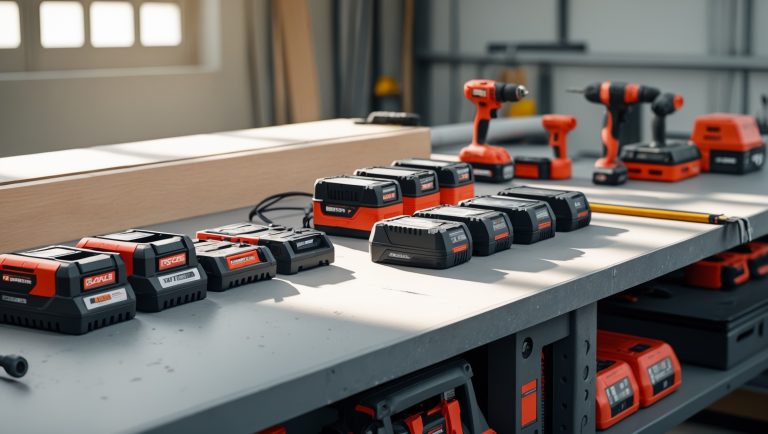
Battery-powered caulk guns use rechargeable lithium-ion batteries to drive a motorized plunger. They combine the portability of manual guns with the power and consistency of pneumatics—no hoses or compressors required.
- Variable speed settings: Fine-tune the flow rate for precise work or broader coverage.
- Quick-change cartridges: Many models accept standard 10 oz. tubes and some accommodate sausage packs or bulk caulk.
Comparative Breakdown: Pros, Cons, and Best Uses
Manual Caulk Guns
- Pros:
- Inexpensive and widely available
- No power or air required
- Lightweight and portable
- Simple to use for small jobs
- Cons:
- Hand fatigue on larger jobs
- Inconsistent bead with thick or viscous caulk
- Cheaper models prone to drips and skips
- Best for: Quick repairs, small or occasional sealing jobs, first-time DIYers on a tight budget.
Pneumatic Caulk Guns
- Pros:
- Consistent, smooth bead every time
- Minimal hand fatigue—even for long sessions
- Ideal for heavy-duty adhesives and high-viscosity sealants
- Cons:
- Requires an air compressor and hose
- Less portable—setup time and space required
- Higher upfront cost
- Best for: Large-scale renovations, frequent use, or projects involving tough caulks and adhesives where quality and speed matter.
Battery-Powered Caulk Guns
- Pros:
- Excellent portability—no hose or cord
- Consistent, adjustable flow rate
- Reduces hand and wrist strain
- Handles thick caulks and adhesives with ease
- Cons:
- More expensive than manual models
- Requires battery charging and maintenance
- Heavier than manual guns
- Best for: Medium to large projects, frequent users, or anyone wanting a pro-level finish without the hassle of compressors.
Cost Breakdown: What Should DIYers Expect to Spend?
Costs can vary widely depending on quality, brand, and features. Here’s a practical overview to help you budget for your next purchase:
- Manual caulk guns: Basic ratchet-rod models start around $5–10. Higher-end dripless or smooth-rod guns range from $15–40. Premium brands with ergonomic grips or specialty features can reach $50+.
- Pneumatic caulk guns: Entry-level units begin at $35–60, but most quality air-powered guns run $70–150. Factor in the cost of a compatible air compressor ($120–400+ if not already owned).
- Battery-powered caulk guns: Expect $60–180 for a reliable, name-brand tool. Kits with batteries and chargers often cost $120–250. Extra batteries may add $30–70.
Don’t forget consumables: standard caulk tubes cost $2–10 each, depending on type and brand.
Performance and User Experience: What Makes a Great Caulk Gun?
Consistency of Flow
The ability to lay a smooth, even bead is crucial for both aesthetic and structural reasons. Manual guns can be inconsistent, especially with thicker materials or when the user tires. Pneumatic and battery-powered models deliver a steady flow, eliminating skips and blobs.
Ergonomics and Fatigue
For small jobs, nearly any caulk gun will suffice. But if you’re sealing a whole bathroom, basement, or exterior siding, the repetitive squeezing of a manual gun can quickly cause discomfort. Pneumatic and battery guns are designed to minimize hand strain, with comfortable grips and reduced trigger force.
Cleanliness and Drip Control
Drips create mess, waste material, and require tedious cleanup. Smooth-rod manual guns, as well as most pneumatic and battery-powered models, feature dripless mechanisms that automatically relieve pressure when you release the trigger.
Precision and Control
For fine detail work—such as caulking around sinks, windows, or trim—control is everything. Ergonomic manual guns and variable-speed battery models offer the best precision. Pneumatic guns with adjustable pressure can be dialed down for delicate tasks.
Step-by-Step: How to Get the Most from Each Type of Caulk Gun
Manual Caulk Guns
- Cut the tube tip at a 45-degree angle to match the joint size.
- Puncture the seal inside the tube using the built-in poker (if available).
- Load the tube by pulling back the plunger and securing the tube in the cradle.
- Squeeze the trigger gently, maintaining steady pressure for a consistent bead.
- Release pressure after each pass to minimize drips (smooth-rod models do this automatically).
Pneumatic Caulk Guns
- Connect the gun to the compressor and set the psi based on manufacturer recommendations (typically 30–50 psi).
- Load the cartridge and ensure the nozzle is cut to the correct size.
- Practice on scrap material to get a feel for trigger sensitivity and flow rate.
- Keep the hose untangled and out of your workspace to avoid accidental pulls.
Battery-Powered Caulk Guns
- Charge the battery fully before starting your project.
- Adjust the speed dial for the material you’re using.
- Insert the tube or sausage pack according to the gun’s instructions.
- Use the trigger lock for long, uninterrupted beads.
- Release the trigger slowly at the end of each bead to prevent excess caulk from oozing out.
Maintenance Best Practices for Every Type of Caulk Gun
- Clean immediately after use: Wipe away excess caulk and remove the cartridge to prevent dried buildup.
- Lubricate moving parts: Occasionally apply a dab of light oil to the plunger and trigger mechanisms.
- Inspect for damage: Check for bent rods, worn-out seals, or cracked frames—replace parts as needed.
- Store in a dry, dust-free area: Prevent rust and keep the gun working smoothly for years.
- For pneumatic guns: Drain compressor tanks regularly and inspect air lines for leaks.
- For battery-powered guns: Store batteries indoors, away from extreme heat or cold, and recharge as recommended by the manufacturer.
Safety Checklist: Tips for a Clean and Secure DIY Caulking Experience
- Always wear gloves to protect your skin from caulk, especially with chemical-based or adhesive products.
- Ensure adequate ventilation when using solvent-based caulks indoors.
- Keep the work area clear of tripping hazards, especially hoses (for pneumatic guns) or cords (for battery charging).
- Never point the gun at yourself or others, even when empty, to avoid accidental discharge.
- Read and follow manufacturer’s instructions for each gun and caulk type.
- Dispose of used tubes and chemical waste properly, according to local regulations.
Real-World Case Studies: DIYers Share Their Experiences
Case 1: The Weekend Window Reseal
Anna, a first-time homeowner, tackled drafty window frames using a $15 dripless manual gun. She found the tool easy for short runs, but her hand tired after several windows. Next time, she plans to try a battery-powered model for comfort and speed.
Case 2: Basement Waterproofing Overhaul
Mike, an experienced DIYer, invested in a pneumatic caulk gun for an extensive basement project. The consistent flow and lack of fatigue allowed him to lay hundreds of feet of sealant in a single weekend. He noted the setup time was worth it for big jobs, but less practical for quick fixes.
Case 3: Bathroom Remodel Touch-Ups
Sarah, a regular home improver, switched to a mid-range battery caulk gun for her bathroom upgrade. She appreciated the variable speed control and clean beads, even around tight corners. The only downside: remembering to keep the battery charged.
Choosing the Right Caulk Gun: Decision Guide for DIYers
- If you rarely caulk and need an affordable tool for occasional repairs: Manual dripless caulk gun (smooth-rod).
- If you plan large or repetitive projects (basement waterproofing, siding, subfloor adhesives): Pneumatic caulk gun (if you already have an air compressor).
- If you want power, portability, and speed for diverse DIY tasks: Battery-powered caulk gun with variable speed.
Consider the size and frequency of your projects, your tolerance for hand fatigue, and your willingness to invest in supporting equipment (like compressors or extra batteries).
Conclusion: Make Every DIY Seal Seamless—Choose the Right Caulk Gun
Whether you’re sealing bathroom tiles, weatherproofing your windows, or gluing down subfloor panels, the right caulk gun can mean the difference between a frustrating, messy experience and a clean, professional-looking result. Manual caulk guns keep things simple and budget-friendly, ideal for quick repairs and beginners. Pneumatic models excel in high-volume or heavy-duty tasks, delivering unparalleled consistency—if you don’t mind the extra setup. Battery-powered caulk guns strike a balance, offering comfort, power, and portability for DIYers who want the best of both worlds. Remember, the right tool isn’t just about the price tag—it’s about matching features to your needs, minimizing fatigue, and ensuring a quality finish every time. Take the time to assess your typical projects, try out different models if you can, and invest in a tool that supports your DIY ambitions. With a little research and the right caulk gun in hand, you’ll find sealing gaps and joints becomes faster, neater, and a whole lot more satisfying. Happy caulking!


I mostly do small repair jobs around my shop, but sometimes I have to tackle bigger sealing projects outdoors. Would a battery-powered caulk gun handle those larger tasks efficiently, or do pneumatic models truly offer a noticeable advantage when applying thicker adhesives?
A battery-powered caulk gun should handle most larger sealing projects outdoors with ease, especially for thicker adhesives. They provide consistent pressure and reduce hand fatigue compared to manual models. Pneumatic caulk guns are more common for extremely heavy-duty or industrial applications where maximum power and speed are needed, but for most home and shop projects, a quality battery-powered model will be both efficient and convenient.
For someone mainly doing bathroom recaulking and small window jobs, is it overkill to consider a pneumatic caulk gun, or would a smooth-rod manual still provide the best control and minimize mess? I’d like to avoid hand fatigue but not invest in unnecessary equipment.
For bathroom recaulk and small window tasks, a smooth-rod manual caulk gun is usually the best balance of control, cost, and simplicity. Pneumatic models are more suited to frequent, large projects and require a compressor. To minimize hand fatigue, you could opt for a high-quality manual gun with an ergonomic grip and a consistent trigger. This should help you avoid mess while keeping things easy on your hands.
Can you elaborate on what kind of maintenance or cleaning is required for pneumatic versus battery-powered caulk guns? I’m especially curious if the air-powered models need frequent upkeep to prevent clogging or equipment failure.
Pneumatic caulk guns generally need a bit more maintenance than battery-powered ones. For air-powered models, it’s important to keep the air inlet and moving parts clean and occasionally lubricate them to prevent sticking or air leaks. Regularly check for moisture in the air lines, as it can cause rust or clogging. In contrast, battery-powered caulk guns mostly just need battery care and occasional cleaning of the nozzle—there’s less risk of internal clogging since they don’t use compressed air.
I’m interested in the differences between ratchet-rod and smooth-rod manual caulk guns that you mentioned. Are there particular types of caulk or specific home projects where one manual style works better than the other?
Ratchet-rod manual caulk guns use notches to advance the rod, which can be less smooth and precise but work well for thicker caulks or projects where speed isn’t a priority. Smooth-rod guns let you control the flow more easily, making them better for detailed work like trim, windows, or when using thinner caulks. For most home repairs where finish quality matters, a smooth-rod model is often preferred.
When it comes to preventing hand fatigue and achieving straight, clean lines, which type of caulk gun would you recommend for someone with limited hand strength who mostly works on small bathroom or window repairs?
For someone with limited hand strength, a battery-powered caulk gun is usually the best option. It requires minimal effort to operate and delivers a consistent bead, making it easier to achieve straight, clean lines. For small bathroom or window repairs, these models offer great control and help prevent hand fatigue, unlike manual caulk guns which need more squeezing force.
I do a lot of small fixes around the house, like recaulking sinks and sealing window gaps. The article mentions that manual caulk guns are inexpensive, but how much hand fatigue should I expect if I use them for several hours at a time?
Using a manual caulk gun for several hours can lead to noticeable hand fatigue, especially if you’re applying thick or heavy-duty caulk. The constant squeezing motion can tire your grip and forearm. For frequent or extended use, you might consider models with ergonomic handles or higher thrust ratios, which make dispensing easier. If fatigue becomes an issue, pneumatic or battery-powered caulk guns could be worth the extra investment for comfort and efficiency.
If I only need to do occasional fixes like sealing drafty windows or filling a few cracks each year, which type of caulk gun offers the best value for money? I’m curious how much the mess and wasted material really differ between the manual, pneumatic, and battery-powered options.
For occasional repairs like sealing windows or filling cracks, a manual caulk gun is usually the best value. It’s affordable, simple to use, and gives you enough control to minimize mess and wasted material. Pneumatic and battery-powered models are more expensive and designed for frequent or heavy use, so you might not see much benefit for light, occasional jobs. With careful technique, a manual gun lets you apply caulk neatly and avoid excess waste.
You mentioned that pneumatic caulk guns work well with thicker adhesives, but do they justify the investment for occasional home repairs? How complicated is it to set up an air compressor, and is it worth it if I only tackle medium-sized projects a couple times a year?
For occasional, medium-sized home repairs, a pneumatic caulk gun might be more than you need. Setting up an air compressor involves extra equipment, maintenance, and noise, which can feel like overkill if you only use it a few times a year. Manual or battery-powered caulk guns are usually easier and more practical for infrequent tasks.
I have only ever used the cheap manual caulk guns before, and my hands get tired really fast. How much of a difference does the smooth-rod (dripless) version make in terms of reducing hand fatigue and mess for someone doing a bathroom re-caulking project?
A smooth-rod (dripless) manual caulk gun can make a noticeable difference compared to the basic models. It requires less force to squeeze, so your hands won’t tire as quickly during a bathroom project. The dripless feature helps cut down on unwanted mess by stopping the flow of caulk when you release the trigger, making for cleaner lines and less cleanup work.
When comparing manual, pneumatic, and battery-powered caulk guns, how significant are the ongoing maintenance and operating costs, especially considering factors like air compressors for pneumatic models and battery replacements? I’m trying to estimate the long-term expenses before deciding.
Manual caulk guns have the lowest ongoing costs since they only require basic cleaning and have no parts to replace. Pneumatic models need a compatible air compressor, which adds to the initial cost and occasional maintenance like filter and oil changes. Battery-powered guns need periodic battery replacements and charging, which adds up over time. Overall, manual models are cheapest long-term, while pneumatic and battery-powered versions have higher running costs mainly due to compressor upkeep or battery replacement.
For someone who has never used a pneumatic caulk gun before, how complicated is it to set up with an air compressor? Also, is it overkill for basic home sealing tasks compared to manual or battery-powered models?
Setting up a pneumatic caulk gun with an air compressor isn’t too complicated, but it does require some familiarity with connecting hoses and adjusting air pressure. For most basic home sealing tasks, a pneumatic model can be more equipment than you need—manual or battery-powered caulk guns are usually easier to use and more convenient for small projects. Pneumatic options are best for frequent or large-scale jobs.
When comparing battery-powered caulk guns to pneumatic ones, does the article cover how much maintenance each tool requires, especially when it comes to cleaning after using different types of caulk or adhesives?
The article touches on maintenance for both battery-powered and pneumatic caulk guns but does not go into detailed cleaning instructions for different types of caulk or adhesives. It generally mentions that battery-powered models tend to be easier to clean and maintain compared to pneumatic ones, mainly due to fewer moving parts and no air hoses. For specific cleaning steps, especially after using various caulks, extra research or the manufacturer’s guidelines would be helpful.
I noticed you highlighted that pneumatic caulk guns require an air compressor. For someone without one, is it worth investing in a compressor for occasional use, or would a high-quality manual or battery-powered caulk gun be sufficient for periodic sealing jobs?
If you’re only planning to do occasional sealing jobs, investing in an air compressor just for a pneumatic caulk gun probably isn’t necessary. A high-quality manual caulk gun is usually sufficient for most home repairs and is easy to use and maintain. Battery-powered models are also a great choice if you want less hand fatigue and more consistent flow, but either option should suit periodic projects well.
When using a pneumatic caulk gun, how do you manage the setup if you’re working in tight indoor spaces or older homes where an air compressor might be hard to bring in? I’m weighing the practicality of going pneumatic versus battery-powered for some upcoming weatherproofing work.
Using a pneumatic caulk gun in tight indoor spaces or older homes can be challenging mainly due to the need for an air compressor and its hoses. If maneuvering or finding nearby power outlets is difficult, a battery-powered caulk gun could be more practical. Battery models are cordless, easier to move around, and reduce setup time, making them a better fit for weatherproofing tasks in confined or less accessible areas.
Do pneumatic caulk guns require a specific size or type of air compressor for optimal performance on larger projects, or will a smaller home-use compressor suffice for most standard caulking jobs?
For most standard caulking jobs, a small home-use air compressor is usually sufficient when using pneumatic caulk guns. However, if you plan to tackle larger projects or need to run the gun continuously, it’s important to check the gun’s air consumption requirements. Generally, a compressor that can deliver at least 2 to 4 CFM at 90 PSI will handle most pneumatic caulk guns efficiently.
I’ve got a pretty small bathroom project coming up, and I’m worried about getting a messy finish with caulk since I haven’t done this before. Is a smooth-rod manual gun really that much better for controlling drips, or would a ratchet-rod be enough for a beginner?
For a small bathroom project, a smooth-rod manual caulk gun definitely gives you better control and helps prevent drips, which is really helpful for beginners aiming for a neat finish. Ratchet-rod guns can sometimes allow excess caulk to squeeze out after you release the trigger, making messes more likely. If you want less cleanup and a smoother bead, a smooth-rod model is worth it.
I’m wondering if there are specific types of caulking materials, like silicone or polyurethane, that work better with pneumatic or battery-powered caulk guns versus manual ones. Does the choice of gun affect which sealants I can use for different jobs?
The choice of caulk gun can impact your experience with certain types of caulking materials. Thicker sealants, like polyurethane or heavy-duty silicones, often dispense more smoothly with pneumatic or battery-powered guns because they provide consistent, higher pressure. Manual guns work well for most standard latex and silicone caulks but may require extra effort with thicker products. You’re not restricted in terms of compatibility, but powered guns make working with tougher materials much easier, especially for larger projects.
When using a pneumatic caulk gun, is it possible to adjust the pressure for different sealant types, or does it always dispense at the same rate? I’m curious if too much pressure could damage delicate surfaces around windows or trim.
With a pneumatic caulk gun, you can usually adjust the air pressure using a regulator on your air compressor. Lowering the pressure allows for gentler, slower application—ideal for delicate surfaces around windows or trim. Too much pressure can cause excessive flow and potential damage, so starting low and testing on scrap material is a good idea for each sealant type.
Could you clarify if certain types of caulk or adhesive are better suited for a specific style of gun? For example, would thicker adhesives be too difficult to handle with a manual caulk gun, or can those be managed effectively with the right technique?
You’re right that certain caulks and adhesives are better matched to specific types of caulk guns. Thicker adhesives, such as construction adhesives or high-viscosity sealants, can be quite challenging to dispense smoothly with a manual caulk gun unless you use a heavy-duty model and apply steady pressure. Pneumatic and battery-powered guns handle thicker materials more easily and consistently, so they’re a better choice if you plan to use dense adhesives frequently or on bigger projects.