

Introduction: Why Compliance and Permits Matter for DIY Home Projects
When you’re eager to tackle repairs, maintenance, or upgrades around your home, it’s tempting to focus on the excitement of new tools and the satisfaction of a job well done. But before you break out your drill or install that sleek new gadget, there’s a critical step that too many DIYers overlook: understanding compliance regulations and permits. Navigating these requirements isn’t just about ticking bureaucratic boxes. It’s about protecting your investment, ensuring safety, and avoiding hefty fines or do-overs that can derail even the best-planned home projects.
From electrical upgrades to backyard sheds, many common home tasks are subject to local and state codes. Permits and compliance rules govern the tools you use, the methods you follow, and sometimes even the brands of equipment allowed for specific applications. Ignoring these guidelines can result in failed inspections, insurance claim rejections, or unsafe installations that risk your home and family. In this guide, we’ll break down what you need to know about permits, compliance documentation, and how to equip yourself for a smooth, stress-free DIY experience. Whether you’re hanging a ceiling fan, installing smart home devices, or building a deck, you’ll learn how to identify regulations, streamline approvals, and ensure your tools are up to code—so your next project is legal, safe, and built to last.
Understanding Compliance: The Basics for Home DIYers
What is Compliance in the Context of Home Projects?
Compliance refers to following all applicable laws, codes, and standards that govern construction, repairs, upgrades, and maintenance in residential settings. This covers:
- Building Codes: Set minimum safety standards for structures, electrical systems, plumbing, and more.
- Tool and Equipment Standards: Tools must often be certified (UL, CE, CSA, etc.) for safety and suitability.
- Environmental Regulations: Rules about hazardous materials (e.g., lead paint, asbestos), disposal, and energy efficiency.
- Homeowners’ Association (HOA) Rules: Additional guidelines specific to certain neighborhoods or developments.
Why Compliance is Critical
- Safety: Codes are designed to protect occupants and property from hazards.
- Legal Requirements: Failure to comply can lead to fines, stop-work orders, or forced removal of improvements.
- Insurance: Non-compliant work may void homeowner’s policies or lead to denied claims.
- Resale Value: Unpermitted or non-compliant work can lower home value or complicate sales.
Permits: When Are They Required?
Common Home Projects That Require Permits
- Electrical Upgrades: Adding outlets, rewiring, new circuits, installing a generator.
- Plumbing Work: Replacing water heaters, moving fixtures, installing new lines.
- Structural Changes: Removing or adding walls, enlarging windows, building additions or decks.
- Major Appliance Installation: HVAC systems, gas stoves, fireplaces.
- Exterior Projects: Fences, sheds, roofing, driveways, pools.
Some minor repairs (painting, replacing faucets, minor flooring) typically don’t require permits, but always check with your local authority.
Who Issues Permits and How?
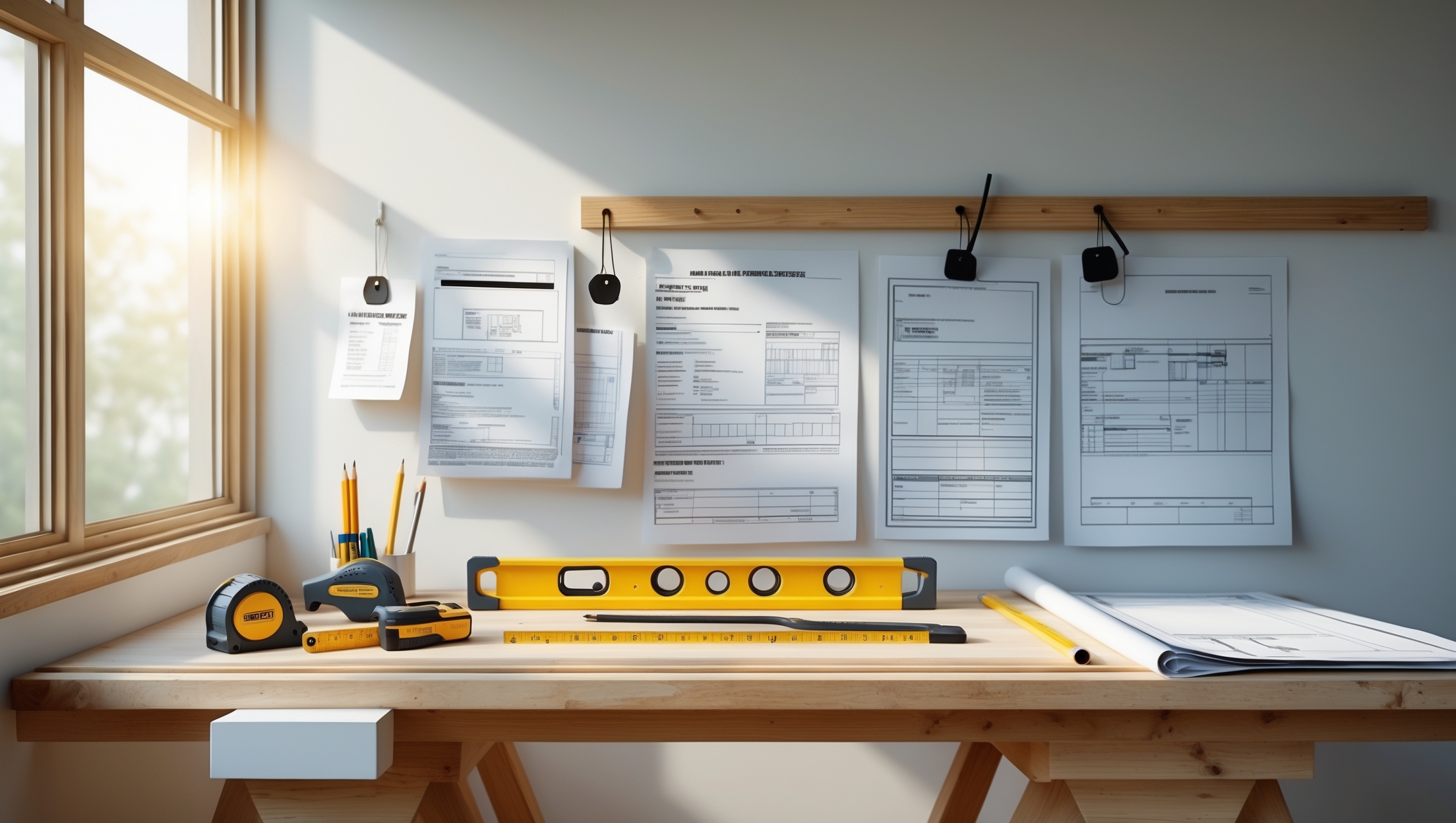
Permits are usually issued by your city or county building department. The application process can range from an online form to an in-person visit with detailed plans. Expect to submit:
- Project description and location
- Diagrams or blueprints
- List of tools and equipment to be used
- Proof of compliance with safety standards
Fees vary widely, so budget accordingly. Some jurisdictions offer expedited permits for simple projects, while others may require detailed inspections at different phases.
Tools, Equipment, and Compliance: What You Need to Know
Are Your Tools Legal and Up to Code?
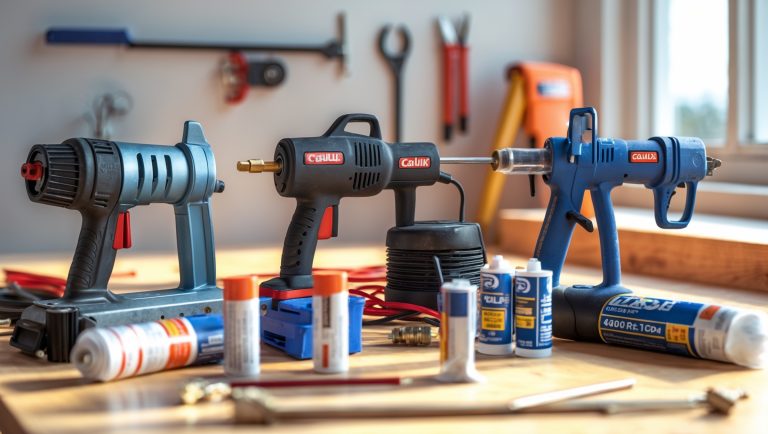
It’s not just your project that must comply—your tools and equipment matter too. Issues to watch for include:
- Certification: Power tools and electrical gadgets should have recognized safety certifications (e.g., UL for the U.S., CE for Europe).
- Voltage and Compatibility: Using tools rated for the wrong voltage can be a code violation and a hazard.
- Condition: Damaged cords, missing guards, or altered safety features can fail inspection and risk injury.
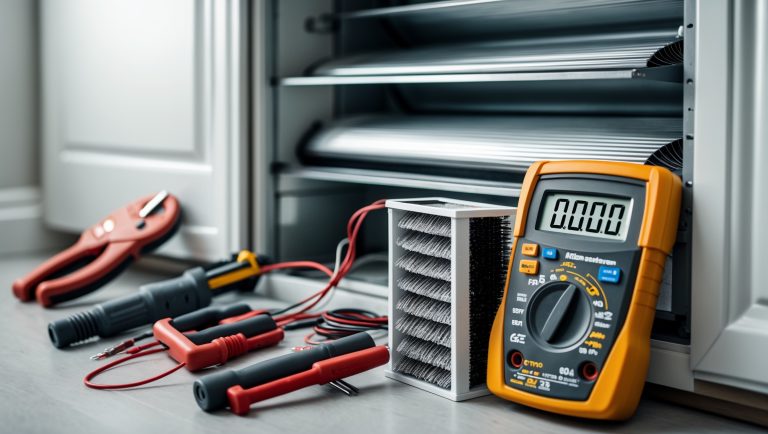
- Proper Use: Some projects require specific tools (e.g., GFCI testers for electrical work) to pass inspection.
Documentation You Should Keep
- Receipts and manuals for tools and equipment
- Proof of certification or compliance (labels, product sheets)
- Inspection records (if applicable)
This paperwork may be required to obtain permits or pass final inspections, especially for major appliances and systems.
Step-by-Step: Navigating the Permit Process
Step 1: Research Local Requirements
Visit your city or county’s building department website. Look for:
- Permit requirements by project type
- Downloadable application forms
- Fee schedules
- Inspection checklists
Call or email if information is unclear—staff can clarify gray areas and suggest best practices for DIYers.
Step 2: Prepare Your Application
- Draw plans if needed (many departments offer templates)
- List all tools and equipment you’ll use
- Gather compliance documentation for major gear
- Estimate project start and completion dates
Be thorough—missing information leads to delays.
Step 3: Submit and Pay Fees
Submit your application online or in person. Some areas offer same-day approval for simple projects, while others may take weeks. Be prepared to pay fees, which can range from $20 (simple electrical) to several hundred for structural work.
Step 4: Schedule Inspections
Most permits require at least one inspection. Common checkpoints:
- Rough-in (before walls are closed)
- Final (after everything is complete)
- Specialty (e.g., electrical, plumbing, gas, energy efficiency)
Keep your work area clean and all compliance documentation handy. Inspectors may ask to see tool certifications or proof of purchase for critical equipment.
Step 5: Approval and Recordkeeping
Once approved, keep copies of all permits and inspection reports. You may need these for insurance, future upgrades, or when selling your home.
Special Considerations: Smart Home Gadgets and New Tech
Permits for Smart Devices
Many homeowners assume that installing smart thermostats, security systems, or lighting controls doesn’t require permits. While some plug-and-play devices are exempt, any project that involves wiring, integration with major systems (HVAC, electrical panels), or structural changes will likely trigger permitting requirements.
Some jurisdictions also require that smart devices meet specific energy efficiency or communication standards. Always check compatibility and certification before purchase.
DIY Installation vs. Professional Help
- DIY: Allowed for most projects if you own the home and follow all codes. Some complex jobs (natural gas, high-voltage wiring) may require licensed contractors.
- Pro: Hiring a licensed pro can simplify permitting and compliance, as they handle paperwork and inspections.
Be honest about your skill level, and don’t be afraid to call in a professional for critical tasks.
Cost Breakdown: Budgeting for Permits and Compliance
Typical Permit Costs
- Minor electrical/plumbing: $20–$100
- Major remodels/additions: $200–$1,500
- Accessory structures (sheds, decks): $50–$500
Some regions charge based on project value or square footage. Always include these costs in your project budget.
Hidden Compliance Expenses
- Upgrading tools (GFCI outlets, certified testers)
- Additional safety equipment (fire extinguishers, shut-off valves)
- Professional plan reviews or engineering reports
- Re-inspection fees if you fail the first time
Plan for contingencies; a little extra set aside can prevent costly surprises.
Best Practices: Staying Compliant and Stress-Free
- Double-Check Before You Start: When in doubt, ask your local building department.
- Maintain a Compliance Binder: Store all permits, receipts, and tool documentation in one place.
- Stay Up-to-Date: Codes change—review requirements before every new project.
- Respect Inspection Schedules: Don’t skip or delay required inspections.
- Upgrade Tools as Needed: Outdated or uncertified tools can hold up approval or endanger your project.
Case Studies: Compliance in Action
Case 1: The Unpermitted Electrical Upgrade
Sarah, a DIY enthusiast, rewired her garage without a permit using uncertified extension cords. An electrical fire broke out months later, and her insurance claim was denied due to unpermitted and non-compliant work. The lesson: permits and proper tools aren’t red tape—they’re essential protection.
Case 2: Smooth Sailing with Smart Planning
Mike wanted to build a backyard shed. He researched local permit rules, submitted clear plans, bought only certified tools, and scheduled inspections as required. The project passed with flying colors, and Mike’s resale value increased. Preparation and compliance saved time, money, and stress.
Conclusion: Make Compliance and Permits Your DIY Foundation
Every successful DIY home project rests on more than skill, passion, and the right tools. It demands a solid understanding of compliance and permitting—the invisible framework that keeps your work legal, safe, and insurable. While navigating local codes, paperwork, and inspections might seem daunting at first, it’s a small investment compared to the potential risks of skipping these steps. Unpermitted or non-compliant work can lead to expensive fines, unsafe conditions, insurance nightmares, and headaches when you try to sell your home down the line.
By taking the time to research your local requirements, using certified tools and equipment, and keeping meticulous records, you transform your DIY experience from a potential liability into a source of pride and lasting value. Think of compliance not as an obstacle but as a safety net—and a tool in its own right. It ensures that every improvement you make stands up to scrutiny, protects your family, and boosts your confidence as a home improver.
So next time inspiration strikes, add one more item to your project checklist: permits and compliance. It’s the smart, responsible, and ultimately rewarding way to make your house a better home—one code-approved project at a time.
I see you mentioned that some permits and codes even specify which brands or types of equipment are allowed. How do homeowners typically find out if a specific tool or device brand is compliant with their local regulations before making a purchase?
Homeowners usually start by checking with their city or county building department, as they can provide details on approved brands or equipment types. Another good step is to review official permit application forms or local building codes, which sometimes list specific requirements. For major appliances or electrical tools, looking for UL or other certification labels can also help ensure compliance.
I noticed the article mentions that some tools need to be certified, like UL or CE. Is it required by law to use only certified tools for all home improvement projects, or are there exceptions for basic repairs and smaller DIY tasks?
Not all home improvement projects legally require you to use certified tools. Certification like UL or CE is most often required for tools that are sold commercially or used in professional settings. For basic repairs and small DIY tasks at home, there’s generally no legal requirement, but using certified tools is still safer. Always check local codes, especially for electrical work, as some areas do have stricter rules.
If I’m just installing some smart home devices like thermostats and door cameras, do I really need to worry about pulling permits or do those kinds of upgrades usually fly under the radar of compliance rules?
For most smart home upgrades like thermostats and door cameras, you typically don’t need permits, especially if you’re not making changes to your home’s wiring or structure. Simple plug-and-play or battery-operated devices usually aren’t regulated. However, if your installation involves electrical work or hardwiring, some local codes may require a permit. It’s always best to check with your local building department to be sure.
I noticed you mentioned that even basic projects like hanging a ceiling fan might require permits and compliance checks. Could you clarify which types of minor home upgrades typically fall under these regulations, and which might be exempt?
Minor upgrades like repainting walls, replacing carpets, or installing shelves usually do not require permits. However, tasks that involve electrical, plumbing, or structural changes—such as installing or moving a ceiling fan, adding outlets, or knocking down walls—often do. Local regulations vary, so it’s always wise to check with your local building department before starting any project involving wiring or pipes.
What happens if I unknowingly use a tool that isn’t UL certified on a project that needs inspection? Would that automatically fail the inspection, or could I just swap out the tool and still get approval afterward?
If an inspector notices a non-UL certified tool was used, they might flag it as a safety concern, which could temporarily fail your inspection. However, you can usually address the issue by replacing the uncertified tool with a UL-certified one and then requesting a re-inspection. Approval is still possible after you make the correction.
You mentioned that ignoring compliance guidelines can impact insurance claims. If I used a tool that isn’t officially certified but everything works fine, could my home insurance actually deny a claim if something goes wrong later?
Yes, your home insurance claim could be denied if an incident is linked to the use of a non-certified tool, even if it seemed safe at the time. Insurance providers often require compliance with safety standards and codes. If an investigation finds that uncertified equipment contributed to damage or injury, coverage might be reduced or refused. It’s always safest to use tools that meet all certification and compliance requirements.
When it comes to projects like building a backyard shed, are there major differences in permit requirements or tool regulations between states or even local areas? How should I start researching those differences before buying materials?
Permit requirements and tool regulations can vary significantly not just between states, but also between cities and counties. Some areas may require permits for almost any structure, while others are more lenient. Start by checking your local city or county government website for building codes and permit information. You can also call the local permitting office directly. It’s wise to do this research before buying materials to avoid any unexpected issues or costs.
I’m planning to build a small shed in my backyard, but I have a tight budget. Are there affordable ways to make sure everything is up to code without hiring a pro, or do I risk fines if I try to handle permits by myself?
You can definitely manage the permit process yourself to save costs, as many homeowners do. Start by checking with your local building department about shed size limits, required permits, and any zoning restrictions. Most offices offer guidance and forms online or in person, and staff can answer questions. As long as you follow their instructions and submit accurate details, you shouldn’t risk fines just for handling permits independently.
If I’m planning to build a backyard shed as a weekend project, do I need to worry about tool standards and equipment certifications, or is that mainly an issue for bigger renovations like decks and major electrical work?
For a backyard shed project, tool standards and equipment certifications aren’t usually a concern for homeowners, as long as you’re using tools as intended and following basic safety guidelines. The main focus should be on getting the right permits and meeting building codes for your shed. Tool regulations are more relevant for contractors or for specialized work like major electrical jobs.
I understand that ignoring compliance can lead to insurance claim rejections. In practice, what kind of documentation should I keep on hand to prove my tools and installations are up to code if my insurance company ever asks for evidence?
You should keep copies of any permits obtained, inspection reports, and receipts for tools and materials used. If you hired professionals, save their licenses and proof of work, like contracts or invoices. For DIY work, keep manuals and photos showing correct installation. Organized records make it much easier to demonstrate compliance if your insurance company requests evidence.
I’m trying to install a ceiling fan myself, but I’m a bit lost about which permits are actually needed for electrical upgrades in a typical suburban home. Can you explain how I figure out whether I need a permit just to swap a light fixture for a ceiling fan?
To determine if you need a permit for replacing a light fixture with a ceiling fan, check your local city or county building department’s rules. In many suburban areas, simple fixture swaps don’t need a permit, but anything involving new wiring or outlet changes usually does. Call or visit your local permit office, describe your project, and they’ll confirm if a permit is necessary for your situation.
If a DIYer starts work before realizing a permit is needed, what is the usual process to get back on track with compliance, and can any mistakes be corrected without significant penalties or having to redo the entire project?
If a DIYer discovers mid-project that a permit was required, the best step is to stop work and contact the local permitting office right away. Many municipalities allow retroactive permits, though inspections may be needed to check any completed work. Corrections might be required if something doesn’t meet code, but penalties are often less severe if you’re proactive and honest. Redoing the whole project is rare unless there’s a serious safety issue.
If I’m planning to install smart home devices myself, what’s the process for finding out the right compliance documentation or permits before starting, and does this usually delay the project by much?
To find out which compliance documents or permits you need for smart home device installation, contact your local building department or city permitting office. They can tell you if permits are required and what codes apply. Most small-scale, plug-and-play devices don’t need permits, but hardwired systems might. If a permit is required, it can add a few days to a couple of weeks, depending on your area’s process, but many projects move ahead smoothly when you check first.
The article mentions that some local codes specify which brands of equipment are acceptable for certain home projects. How can I find out if my city or county has a list of approved brands or tools before I buy anything?
To find out if your city or county has a list of approved brands or tools, start by checking your local building department’s website or calling them directly. You can also visit their office in person. They often provide guidelines, approved lists, or can direct you to the right resources. If your area has an online permitting portal, it may also include this information.
I’m just getting started with DIY and it looks like I might need to get certain permits before using some equipment. Can you explain the step-by-step process for figuring out which permits I actually need for different kinds of small home projects?
To figure out which permits you need, start by listing your planned projects and the tools or equipment involved. Next, check your city or county website for permit guidelines—most provide charts or FAQs for common DIY tasks. If you’re unsure, call your local permit office with details about your project. Always confirm before starting, since requirements can vary for electrical, plumbing, or structural work, even on small projects.
I get that permits are important, but how much of a delay should I expect when waiting for approvals? I usually have to squeeze projects into a weekend, so I’m worried about running into unexpected holdups.
Permit approval times can vary a lot depending on your location and the type of project. For simple home projects, permits may be approved within a few days, but in some areas or for more complex work, it could take a couple of weeks. It’s a good idea to contact your local permitting office ahead of time to ask about typical turnaround times so you can plan your weekends more accurately.
I’m a bit concerned about running into failed inspections if I misunderstand the permit requirements for small projects like a backyard shed. Could you outline what the first steps should be for a homeowner to identify which permits and documentation are required before getting started?
To avoid inspection issues, start by contacting your local building or permitting office—they can explain the specific requirements for your area and project type. Check their website or ask for checklists on common small projects like sheds. Also, review local zoning codes for restrictions on size or placement. Document all information you receive and keep copies for your records before you begin any work.
The article mentions that some projects require tools that are certified like UL or CE. How can I check if my existing tools meet those standards, and what should I do if they don’t? Is it risky to use uncertified tools for small repairs?
To check if your tools are UL or CE certified, look for certification markings on the tool’s label, packaging, or user manual. If you can’t find these marks, your tools might not be certified. Using uncertified tools, even for small repairs, can be risky as they may not meet safety standards. For your safety and compliance, consider replacing uncertified tools or using them only for non-critical tasks where risk is minimal.
I’m a little confused about tools needing to be certified like UL or CE for home use. How do I know which certifications are required for different projects, and does it vary by state or project type?
Certification requirements like UL or CE typically depend on the tool type and where you live. In the US, UL certification is common for electrical tools and appliances to ensure safety. For most home projects, look for tools with recognizable safety marks. Requirements can vary by state and by the type of work—electrical, plumbing, or structural projects may have stricter rules. It’s a good idea to check with your local building department about specific certification needs for your project and location.
You mentioned that sometimes the brand of equipment can matter for compliance. How can I tell if the tools I already have are up to code, or if I need to get them certified before starting my project?
To check if your tools meet compliance, start by looking for certifications or markings such as UL, CE, or CSA on your equipment, which indicate they meet safety standards. You can also review the tool manuals or manufacturer websites for compliance information. If your local regulations require specific certifications, contact your local permitting office to confirm. If in doubt, some hardware stores or authorized service centers can inspect and certify your tools before you begin your project.
For smaller DIY projects like hanging a ceiling fan or installing smart home devices, are there usually separate permit requirements, or do those typically fall under general home improvement regulations? I’m hoping to avoid unnecessary paperwork for minor upgrades.
For most smaller DIY projects like hanging a ceiling fan or installing smart home devices, separate permits are rarely required, as these usually fall under general home improvement regulations. However, if electrical wiring modifications are involved, some localities may require a permit. It’s wise to check with your local building department to confirm, but minor upgrades typically don’t trigger extra paperwork.
When applying for permits or checking compliance for DIY projects, is it typically the responsibility of the homeowner or the contractor to ensure all equipment brands are approved by local codes? How does that process usually work?
The responsibility often depends on who is managing the project. If you hire a licensed contractor, they usually handle ensuring all equipment and brands meet local codes, since it’s part of their job to comply with regulations. For DIY projects, the homeowner needs to check with the local building department to confirm approved equipment. It’s a good idea to review code requirements or ask inspectors before purchasing or installing anything.
You mentioned that some projects, like building a shed or installing a deck, are subject to specific local and state codes. How can homeowners easily find out which permits they actually need before starting these kinds of projects?
To figure out which permits you need, start by visiting your city or county building department—most have websites with permit guides and contact details. You can also call or visit in person to explain your project. Staff there can quickly tell you about required permits and any specific codes. Double-checking with your local authority before starting helps avoid delays or fines.
When it comes to environmental regulations and tool standards, do you have any tips for streamlining the permit approval process so DIYers can avoid long delays or unexpected costs during a home project?
To streamline the permit approval process, start by researching your local regulations and tool standards early on. Prepare all required documents, including detailed project plans and any environmentally relevant information. Consult your local permitting office to clarify what’s needed and ask if there’s an online application system, which often speeds things up. Submitting complete and accurate paperwork from the start helps prevent delays and unexpected costs.
You mentioned insurance claim rejections if projects aren’t up to code. If something goes wrong but I thought I followed the right permit process, what should I do to prove I was compliant and protect my investment?
If something goes wrong, keep all documentation related to your permit application and approvals, including emails, receipts, and inspection reports. Take photos during each stage of the project to show code compliance. If you ever face an insurance claim, this evidence can demonstrate you followed the correct process and help support your case.
The article mentions that some compliance rules can be specific down to the brands of equipment allowed for certain applications. How can a homeowner find out if a particular tool or brand meets their local code requirements before starting a project?
To find out if a specific tool or brand is allowed for your project, start by checking your local building codes—these are often available on your city or county’s official website. You can also contact your local permitting office and ask directly about approved brands or types for your intended project. Sometimes, the tool’s manual or the manufacturer’s website will mention code compliance or certifications as well.
When you mention that using the wrong equipment or methods can result in insurance claim rejections, do you have advice on how to document my DIY project or tool choices in case I need to prove compliance later?
It’s wise to document your DIY project thoroughly. Keep dated photos of your work at different stages, receipts for all tools and materials, and instruction manuals or specs for equipment used. Make notes about safety steps you followed and any permits obtained. This kind of detailed record will support you if you ever need to prove you met compliance standards for insurance purposes.
I want to avoid unnecessary delays or costs—are there any quick tips for identifying when a permit is required for a typical home upgrade like adding outlets or a backyard shed?
A good rule of thumb is that if your project involves electrical, plumbing, or structural changes—like adding outlets or constructing a shed—a permit is often required. Check your local building department’s website for a permit checklist, and always call them if you’re unsure. Minor cosmetic upgrades usually don’t need permits, but anything affecting safety or property lines likely does.
If I want to build a backyard shed, what’s usually involved in checking for both permit requirements and tool compliance? Are there common mistakes people make during this process that I should watch out for?
To build a backyard shed, start by checking with your local building department for permit requirements—rules differ by location and often depend on shed size and placement. For tool compliance, ensure your tools meet safety standards and are in good working order. Common mistakes include skipping the permit step, overlooking property line setbacks, or using tools without proper safety features. Double-check all guidelines and inspect your tools before starting to avoid delays or fines.
I’m concerned about unintentionally violating tool certification rules, especially with older equipment I inherited. Do towns usually make you upgrade your tools if they don’t have recent certifications, and how strict are inspections about this?
Most towns focus on safety rather than requiring you to upgrade inherited or older tools just because they lack recent certifications. As long as your equipment is in good working condition and is used according to local codes, it’s typically acceptable. Inspections are usually stricter about how you use tools and whether they pose any obvious hazards rather than the specific certification date. If in doubt, check your town’s building department for any unique requirements.
I’m planning to put up a backyard shed this summer, but I’m confused about whether certain power tools I use also need to meet specific certifications, or if the focus is just on the structure itself. Can you clarify how tool standards factor into the permit process for projects like this?
When it comes to building a backyard shed, permits and inspections typically focus on the shed itself—its location, size, materials, and overall safety. The tools you use generally don’t need to meet specific certifications for permit approval, as long as they’re standard, commercially available equipment. However, if your local regulations have unique requirements for electrical or gas-powered tools, it’s a good idea to double-check with your permit office to be sure.
The article mentions that some tools need to be certified, like UL or CE, for compliance. If I already own equipment without those certifications, is it still legal to use them for home projects, or would that fail an inspection?
Whether uncertified tools are legal to use depends on your local building codes and inspection requirements. For personal home projects, inspectors usually focus on the end result and installed systems, not the tools you used. However, if your project involves electrical work or permanent installations, and you use uncertified equipment in those, it could potentially cause compliance issues or fail inspection. It’s always safest to check local regulations or ask your inspector.
You mention that some local regulations can even dictate the brands of equipment allowed for certain applications. How can homeowners find out if their town has these kinds of brand-specific requirements before purchasing tools or materials for a project?
To determine if your town has brand-specific requirements for tools or materials, start by checking with your local building department or permit office. They can provide details about any approved brands or specifications. You might also find this information in municipal codes or on your town’s official website. It’s always a good idea to confirm before making any purchases to avoid issues during inspections.
When you talk about failed inspections for DIY projects, does that mean the whole project gets shut down, or is there a way to fix the compliance issues and get re-inspected without starting over from scratch?
A failed inspection doesn’t mean your entire DIY project is shut down or has to start over. Usually, you’ll receive a list of specific issues to fix. Once you address those compliance problems, you can schedule a re-inspection. If the corrections meet the regulations, your project can move forward without having to redo everything.
If I’m just replacing a few outlets or light fixtures, do I still need to pull permits, or are there thresholds for what’s considered minor work versus something that requires official approval?
When replacing existing outlets or light fixtures without altering wiring or adding new circuits, many local codes consider this minor work that may not require a permit. However, rules vary by area. It’s a good idea to check with your local building department to confirm, as some jurisdictions have strict regulations even for small electrical updates.
I noticed that failing to follow tool certification standards like UL or CE could affect insurance claims. If I already own older equipment that’s not labeled with these certifications, would I need to replace everything to pass a future inspection or stay covered?
You don’t necessarily have to replace all your older equipment if it lacks UL or CE certification, but it can depend on local codes and your insurer’s requirements. Inspectors and insurance companies may look for safe operation and proper maintenance, but uncertified tools could pose issues if something goes wrong. It’s a good idea to check with your insurer and local authorities to see if they require certified equipment for coverage or inspections.
If I want to install smart home devices like thermostats or cameras, does that typically require a permit, or are these considered minor changes? The piece references electrical upgrades, but I’m not sure where the line is drawn for compliance documentation in those cases.
Installing smart home devices like thermostats or cameras is usually considered a minor change and does not require a permit in most areas, as long as you are not making significant electrical modifications or altering wiring inside the walls. However, if the installation involves running new electrical circuits or hardwiring, local codes may require a permit. It’s a good idea to check with your local building department for their specific requirements.
You talk about avoiding insurance claim rejections due to non-compliance. If I accidentally use a tool that isn’t certified when doing a DIY project, what can I do afterward to make sure my project still meets compliance requirements?
If you’ve already used a non-certified tool, check your project’s local regulations and standards to see if the work itself still meets compliance. You might be able to have the work inspected by a qualified professional, or even redo the critical parts using certified equipment if necessary. Keeping detailed records and receipts can also help if you ever need to prove compliance for insurance or permit purposes.
When planning to install smart home devices or upgrade electrical systems, how do I figure out which specific permits I need from my local authorities? Is there a recommended first step for identifying the right permits to avoid unnecessary delays?
To identify the specific permits for installing smart home devices or upgrading electrical systems, your best first step is to contact your local building or permitting office. They can clarify current requirements for your area. You can also check your city’s website for permit guidelines and application forms. Be sure to describe your project in detail so they can advise you on all necessary permits before you begin.
When starting a basic DIY upgrade like installing a ceiling fan, is it usually necessary to get a permit, or are there exceptions for small projects? How can I check if my project needs official approval before getting started?
For simple DIY upgrades like installing a ceiling fan, permit requirements can vary widely depending on your local regulations. Some areas don’t require permits for minor electrical work, while others do. The safest way to check is to contact your city or county building department directly or visit their website. They can tell you if your specific project needs a permit and if there are any exceptions for small jobs.
I’m a bit confused about tool certifications like UL or CE. Is this something I need to worry about even if I’m only doing minor repairs, or does it just apply to more extensive projects?
Tool certifications like UL or CE indicate that a product meets certain safety standards. Even for minor repairs, it’s a good idea to use certified tools, as they reduce safety risks. While regulations may focus more on larger projects, using certified equipment is a smart precaution for any home task to help ensure your safety.
The article says certain tools have to be certified, like UL or CE. If I already own older power tools that don’t have visible certification marks, is it still okay to use them for home projects, or will that cause problems during inspections?
If your older power tools lack visible certification marks like UL or CE, you can usually still use them for personal home projects, as most residential inspections focus on the finished work rather than your tools. However, if the permit or local regulations specifically require certified equipment, or if safety is a concern, inspectors might ask about your tools. For peace of mind, ensure your tools are in good working order and meet basic safety standards.
Once I’ve identified that my project needs a permit, what’s the most efficient way to gather all the required compliance documentation for both the work and the tools I plan to use? Are there typical forms or checklists available from city or county offices?
Once you know your project needs a permit, visit your local city or county permitting office either in person or online. Most offices provide specific forms, checklists, and documentation guidelines on their website. You’ll usually find downloadable permit applications and compliance checklists for both the work and related equipment. If anything is unclear, staff at the permitting office can clarify what’s needed for your particular tools or project.
Could you elaborate more on how to find out if a specific tool brand or model is allowed for a project? The article mentions that sometimes even the brands of equipment are regulated, and I want to avoid running into issues during inspections.
To determine if a specific tool brand or model is permitted, start by checking with your local building department or permitting office, as they typically provide lists of approved equipment or reference standards that must be met. You can also review the project’s code requirements or ask your inspector directly before purchase. If your project is in a community with a homeowners’ association, confirm with them as well, since they may have additional restrictions.
When looking at building codes and tool certifications like UL or CE, how can I quickly figure out if the tools I already own are compliant for projects like installing outlets or ceiling fans?
To check if your tools are compliant, look for certification labels like UL (Underwriters Laboratories) or CE (Conformité Européenne) stamped on the tool or its packaging. Also, review your local building codes, which often specify the required certifications. If a tool doesn’t display these marks, check the manufacturer’s documentation or website for compliance details before starting electrical projects.
If I’m planning to hang a ceiling fan myself, how do I check if the tool brands I already own are allowed for electrical installations, or if I need to get specific certified equipment to pass inspection?
To check if your tools are suitable for electrical work, look for markings like UL (Underwriters Laboratories) or CSA, which indicate safety certification. These labels are usually on the tool itself or its packaging. Most inspections focus on proper installation, but using certified tools is recommended for safety. If you’re unsure, ask your local building department or inspector about specific tool requirements in your area.
Can you give an example of a situation where using a brand or tool that isn’t certified (like not UL-listed) would actually result in a failed inspection or insurance issues? I’m wondering how strict the enforcement is on that aspect.
If an electrician installs a non-UL-listed circuit breaker in your home, an inspector could fail the electrical inspection because it doesn’t meet safety standards. Insurance companies may also deny claims if a fire results from uncertified equipment. Enforcement is generally strict for electrical and plumbing work, especially when codes specifically require certified products for safety. Using only approved tools and brands helps you avoid costly delays and liability issues.
If a homeowner already completed a project without realizing certain tools or methods weren’t compliant, what steps should they take to rectify the situation and avoid issues with inspections or insurance down the line?
If a project was completed using non-compliant tools or methods, the homeowner should first review local building codes to identify what needs correction. Next, consult with a licensed contractor or inspector to assess the work and recommend necessary changes. Making needed updates and documenting the corrections can help with future inspections and insurance claims. It’s always better to address compliance issues proactively rather than waiting until a problem arises.
I had no idea that even the brand of some equipment could be restricted depending on the project. How can I quickly check which brands or types of tools are approved for a typical project like installing a ceiling fan in my area?
To find out which brands or types of tools are approved for installing a ceiling fan in your area, your best option is to check with your local building department or permitting office. They often have guidelines or lists of approved equipment. You can also ask licensed electricians in your area, as they’re usually familiar with local requirements. Always look for equipment that has standard safety certifications, like UL or ETL, which are commonly accepted.
When the article says some projects require specific brands or types of tools to meet compliance, how do I find out which ones are approved for my area? Is there a central place to check, or do I have to contact my local building department every time?
To find out which brands or types of tools are approved for your area, it’s best to check with your local building department, since requirements can vary by location and project type. Some municipalities list approved tools or standards on their official websites, but not all do. If you can’t find the information online, contacting your local office directly is the most reliable way to ensure compliance.
You mentioned that sometimes even the brands of equipment allowed for specific applications are regulated. How can homeowners find out if their preferred brands meet local compliance requirements before purchasing tools for a project?
To check if your preferred tool brands are compliant, start by contacting your local building department or permitting office—they can tell you if there are approved equipment lists or required certifications. You can also review local codes or guidelines published by your municipality. If working with a contractor, ask them to confirm compatibility, as they often stay updated on brand restrictions for specific project types.
If I want to streamline the permit process for building a backyard shed, is there a step-by-step resource or checklist you recommend for making sure I don’t miss any tool or equipment standards along with the basic building code requirements?
To help streamline your shed project, start by checking your local building department’s website—they often provide detailed step-by-step checklists for permits, including tool and equipment standards. Make a list of required permits, accepted materials, and approved construction methods. Double-check for any tool safety regulations specific to your area, and consider calling your local office to confirm you haven’t missed anything. Keeping a checklist of each regulatory requirement as you go will help ensure you’re compliant throughout the process.
You mentioned that sometimes even brands of equipment must meet certain standards for home projects. How can I check if the tools or materials I want to use already have the right certifications before I buy them?
To check if tools or materials meet required certifications, look for markings or labels like UL, CE, or ANSI on the packaging or product itself. You can also check the manufacturer’s website or ask the retailer directly about compliance. Product documentation often lists certifications, so reviewing that before purchase can help ensure you’re selecting permitted equipment.
If I’m planning to hang a ceiling fan and maybe add some smart home devices at the same time, would I need separate permits for each project, or can they be grouped together? I’m hoping to streamline approvals if possible.
You can often group related electrical projects, like hanging a ceiling fan and installing smart home devices, under a single electrical permit. When applying, list all the work you intend to do on your application. This can help streamline the approval process and reduce fees. Be sure to check with your local building department, as requirements can vary by area.
If I’m planning to build a backyard shed, how far in advance should I start the permit process, and what kind of documentation about my tools or equipment might the inspector expect to see during approval?
It’s wise to start the permit process at least a month before you plan to begin building your shed, since approval times can vary by location. For the inspection, you usually won’t need to provide details about your tools or equipment unless you plan to use something out of the ordinary or potentially hazardous. Inspectors are mainly interested in your shed plans, site location, and compliance with building codes.
I’m concerned about the potential for failed inspections you mentioned. If a project I did with my current tools doesn’t pass, what steps should I take to address compliance issues and avoid starting over from scratch?
If your project doesn’t pass inspection, first review the specific issues noted by the inspector. Address each one by making only the necessary corrections—often you don’t need to start over. Sometimes, upgrading or adjusting your tools can make the fixes easier. After making changes, schedule a re-inspection. Keeping documentation and photos of your adjustments can help demonstrate compliance and speed up approval.
If I’m just replacing a ceiling fan in the same location without changing any wiring, do I still need to pull a permit, or are there situations where simple swaps are exempt from these compliance requirements?
In many areas, simply swapping out a ceiling fan in the same spot without altering wiring doesn’t require a permit, since it’s considered routine maintenance. However, local regulations can differ, so it’s always wise to check with your city or county building department to confirm. Some places do exempt simple fixture replacements, but others are stricter, especially if electrical safety is a concern.
I’m curious about how strict tool certification needs to be—for example, if I already own some older power tools that aren’t UL listed, can I still use them safely without running into code issues during an inspection?
If your local code requires UL listing or specific certifications for power tools, inspectors might flag uncertified tools, especially for work related to electrical or structural projects. However, for general home use, inspectors usually focus on the completed work, not the tools used. Still, safety is key—older tools without certification can be riskier, so make sure they’re in good working order, have no frayed cords, and are used with proper precautions.
I noticed the article mentioned that sometimes even the brands of equipment allowed are regulated for certain home projects. How do I find out if my preferred tool brands meet my local code requirements before I buy or start a project?
To check if your preferred tool brands are approved for your project, contact your local permitting office or building department. They can tell you whether specific brands or models meet code requirements. You can also review local building codes online or ask your contractor, if you have one, since they often know which brands are accepted in your area.
The article talks about streamlining approvals for projects like building a deck or installing smart devices. Are there common pitfalls in the permit process that first-time DIYers should watch out for to avoid project delays?
First-time DIYers often hit snags by underestimating the paperwork or missing required details in permit applications. It’s easy to overlook site plans or specific technical information that inspectors need. Not checking local codes or skipping preliminary inspections can also cause delays. Always verify requirements with your local permitting office and double-check your application before submitting to avoid unnecessary setbacks.
Can you explain how I would actually find out whether my local area has specific rules about the brands or models of equipment allowed? Do I ask the permit office directly or is there an online resource that lists approved tools for home DIY projects?
To find out if your area has specific rules about equipment brands or models, start by visiting your local city or county permit office website. Some municipalities post approved equipment lists or guidelines online. If you can’t find the information there, it’s best to contact the permit office directly—either by phone or in person. Staff can clarify any brand or model restrictions that might apply to your home project.
You mention that ignoring tool certification standards can impact insurance claims. If I already own tools that aren’t specifically UL or CSA certified, is it still possible to use them safely, or should I consider replacing them before starting major repairs?
If your tools lack UL or CSA certification, it’s important to check their condition and safety features before use, such as intact cords and proper grounding. While certification ensures recognized safety standards, careful use and regular inspections can help reduce risk. For major repairs, using certified tools is recommended for both safety and to avoid complications with insurance claims. Replacing uncertified equipment may offer extra peace of mind and protection.