
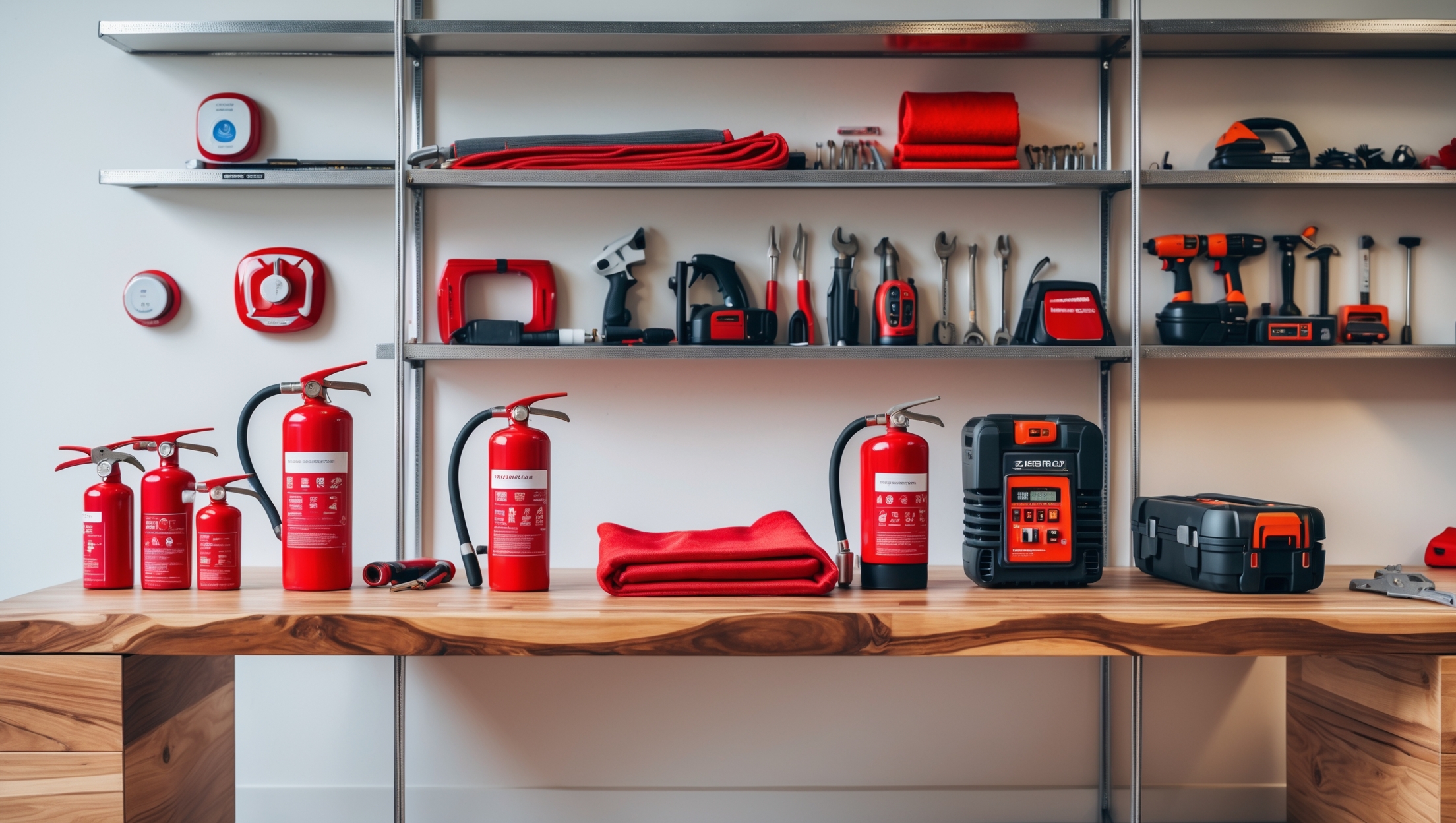
Introduction: Why Fire Safety Should Be at the Top of Every DIYer’s List
Home improvement and DIY projects bring immense satisfaction, but they also introduce risks that many enthusiasts overlook—chief among them, fire hazards. Whether you’re drilling into walls, soldering pipes, refinishing furniture, or simply using power tools, the potential for accidental fires is real. Yet, fire safety is often an afterthought, until it’s too late. For homeowners and DIYers alike, equipping your space with the right fire detection and suppression gadgets is as essential as having a quality drill or a reliable tape measure. In this comprehensive guide, we’ll break down the must-have fire safety tools, compare the latest detection and suppression technologies, and offer practical tips for integrating these life-saving devices into your home workshop or project area. By the end, you’ll not only know the best products for your needs, but also how to use and maintain them—helping ensure your next project doesn’t end in disaster.
The Most Common DIY Fire Hazards—and Why Standard Precautions Fall Short
Before diving into product comparisons, it’s crucial to understand the specific fire risks that come with DIY projects. These include:
- Electrical shorts from overloading circuits or improper wiring.
- Sparks from cutting, grinding, or soldering metal.
- Combustible dust from woodworking or sanding activities.
- Chemical fires from solvents, adhesives, or paint fumes.
- Neglected heat sources, such as heat guns or space heaters.
Standard home fire safety devices may not be tailored for these unique risks. For example, a basic smoke detector may not respond quickly enough to a fast-burning chemical fire, or a traditional kitchen extinguisher may be ineffective against electrical fires. Specialized gadgets can fill these gaps, but only if you know what to look for.
Essential Fire Detection Devices: Types, Features, and Placement
Smoke Detectors: Ionization vs. Photoelectric
Smoke detectors are the first and most critical line of defense. There are two main types:
- Ionization detectors: Best for fast-flaming fires, such as those caused by paper or flammable liquids.
- Photoelectric detectors: Excel at detecting smoldering fires, such as those started by electrical faults or overheated wires.
For DIY areas where both types of fires may occur, choose dual-sensor units or install one of each type. Look for models with:
- Battery backup in addition to hardwired power.
- Interconnectivity so all alarms sound if one detects smoke.
- Easy test/reset buttons for routine maintenance.
- Silence/hush features to avoid disabling after false alarms.
Heat Detectors: When and Where to Use Them
Heat detectors sense rapid temperature increases rather than smoke. They’re ideal for:
- Workshops with dust, which can cause false alarms in smoke detectors.
- Garages or attics where temperature swings are common.
Choose fixed-temperature models for areas prone to sudden fires, or rate-of-rise models for environments where heat builds up quickly.
Carbon Monoxide (CO) Detectors: A Must for Any Home Workshop
If you use fuel-burning tools or heaters, a CO detector is non-negotiable. Modern combo units detect both smoke and CO, saving space and simplifying maintenance.
Placement Tips for Maximum Protection
- Install detectors on the ceiling or high on walls—smoke and heat rise.
- Place one detector inside the workshop and another just outside, near sleeping areas.
- Test monthly and replace batteries every 6–12 months.
Fire Suppression Tools: Extinguishers, Blankets, and Beyond
Fire Extinguishers: Types and Ratings
Not all extinguishers are created equal. The right choice depends on the materials and tools in your workspace. The main types include:
- Class A: For wood, paper, and cloth fires.
- Class B: For flammable liquids like paint thinners or gasoline.
- Class C: For electrical fires—absolutely essential for DIYers.
- Class D: For combustible metals (rare in most homes).
- Class K: For cooking oils (for those with kitchen workshops).
Look for ABC-rated extinguishers for all-purpose coverage. For workshops with power tools, make sure Class C is included. Key features to consider:
- Easy-to-read pressure gauges
- Simple, single-hand operation
- Wall-mount brackets near exits
Fire Blankets: Fast Suppression for Small Fires
Fire blankets are compact, easy to deploy, and ideal for smothering small flames—especially useful for clothing or benchtop fires. Choose blankets made of woven fiberglass for heat resistance, and keep one within arm’s reach of your primary workspace.
Aerosol Suppression Sprays: Convenient but Limited
Compact aerosol fire extinguishers are popular for their size and ease of use. They’re best suited for minor fires or as a backup to a full-size extinguisher. Check for compatibility with electrical and grease fires, and note the discharge time—many last less than 30 seconds.
Automatic Suppression Systems: Worth the Investment?
Home-based automatic fire suppression systems, like ceiling-mounted canisters or under-bench modules, are becoming more affordable. These devices sense heat or flames and deploy suppressant automatically. Consider these if you routinely work with high-heat tools or flammable chemicals, or if your workspace is hard to access quickly.
Side-by-Side Comparison: Popular Fire Safety Gadgets for DIYers
| Device | Best For | Key Features | Estimated Cost | Pros | Cons |
|---|---|---|---|---|---|
| Dual-Sensor Smoke Detector | All DIY spaces | Ionization + photoelectric, battery backup, interconnect | $25–$50 | Fast/slow fire detection, easy install | Needs regular testing and battery changes |
| Heat Detector | Dusty/garage spaces | Fixed or rate-of-rise, low false alarms | $20–$40 | Reliable in harsh environments | Doesn’t detect smoke |
| CO/Smoke Combo Detector | Workshops with fuel tools | Dual sensors, digital display, battery/hardwire | $30–$60 | Space-saving, comprehensive alerts | Higher upfront cost |
| ABC Fire Extinguisher | General DIY use | Multi-class, pressure gauge, wall mount | $40–$70 | Handles most home fires | Needs yearly inspection |
| Fire Blanket | Small workbench fires | Fiberglass, quick-release pouch | $15–$35 | Reusable (if not damaged), no cleanup | Not for large fires |
| Aerosol Suppression Spray | Quick response, portable | One-hand use, compact canister | $15–$25 | Convenient, great for toolboxes | Limited capacity, short spray time |
| Automatic Suppression Canister | High-risk or remote areas | Heat/flame activation, ceiling/beneath bench | $80–$200 | Works unattended, peace of mind | Higher cost, installation required |
Fire Safety Setup: Step-by-Step Installation and Maintenance Guide
1. Assess Your Workspace
- Identify all ignition sources (tools, outlets, heaters).
- Note locations of flammable materials or chemicals.
- Determine exit routes and clearance space.
2. Plan Device Placement
- Install smoke/CO detectors on ceilings, at least 10 feet from tool benches to avoid false alarms but close enough for rapid detection.
- Mount extinguishers and blankets near exits and within easy reach—not behind clutter.
- Consider automatic suppression systems for hard-to-reach or high-risk spots.
3. Install Devices Properly
- Follow manufacturer instructions for mounting height and orientation.
- Test alarms upon installation and after any maintenance.
- Ensure extinguishers are secured but easily removable.
4. Establish a Maintenance Routine
- Test alarms monthly and log the results.
- Replace batteries (or backup batteries) every 6–12 months.
- Inspect extinguishers for pressure and expiration dates annually.
- Replace fire blankets if damaged or after use.
- Keep a reminder in your phone or workshop calendar.
Advanced Options: Smart Fire Safety Gadgets and Integration
Modern fire safety gadgets increasingly feature smart technology, allowing for remote monitoring, notifications, and automation:
- Smart smoke/CO detectors: Connect to Wi-Fi, send alerts to your phone, and can integrate with smart home hubs.
- Smart extinguishers: Some high-end models feature app-based maintenance reminders or location tracking.
- Integration with home security systems: Link detectors to alarm panels for rapid emergency response.
If you already have a smart home ecosystem (like Google Home, Alexa, or Apple HomeKit), look for compatible devices to create a seamless, automated safety net for your DIY space.
Cost Breakdown: Budgeting for Comprehensive Fire Safety
Effective fire safety doesn’t have to break the bank. Here’s a sample budget for outfitting a typical home workshop or garage:
- Dual-sensor smoke detector: $35
- CO/smoke combo: $45
- ABC fire extinguisher: $60
- Fire blanket: $25
- Aerosol suppression spray: $20
- Automatic suppression canister (optional): $120
Total (basic setup): $185
Total (with automatic suppression): $305
Factor in small ongoing costs for batteries and annual inspections. The investment is minor compared to the potential loss from even a small fire.
Maintenance and Best Practices: Keeping Your Fire Safety Gear Ready
- Keep access routes clear: Don’t let tools or storage block extinguishers, blankets, or exits.
- Train household members: Ensure everyone knows where devices are and how to use them. Practice extinguisher use outside (with an empty unit) if possible.
- Check expiration dates: Extinguishers and some detector sensors have limited lifespans—replace as needed.
- Document your setup: Take photos and log device models/serial numbers for insurance or emergency services.
- Stay updated: Review local fire codes and recommendations annually to ensure compliance.
Conclusion: Invest in Fire Safety—Protect Your Projects, Your Home, and Your Life
Fire safety isn’t just a checkbox—it’s a foundation for every successful DIYer. While it’s easy to get excited about the latest power tool or gadget, the most important investments are those that protect you, your loved ones, and your hard work from disaster. By understanding the unique fire risks of home repairs and projects, choosing the right mix of detection and suppression gadgets, and committing to regular maintenance, you turn your workspace into a safer, more productive environment. Whether you’re a weekend woodworker, a home mechanic, or a passionate renovator, the peace of mind that comes from a well-prepared fire safety setup is priceless. Take action today—review your current gear, fill any gaps, and make fire safety an integral part of your DIY routine. Your future self will thank you, and your home will be all the better for it.
I do a lot of woodworking and sometimes use solvent-based finishes in my garage workshop. The article mentioned that standard smoke detectors might not respond fast enough to chemical fires. What kind of detection device would be safer for this type of environment?
In a workshop where you’re using solvent-based finishes, a heat detector or a multi-sensor detector would be a safer choice than a standard smoke detector. Heat detectors trigger when the temperature rises quickly, which is common in chemical fires, while multi-sensor units can detect both smoke and sudden temperature changes. Make sure any device you choose is rated for garages or workshops where dust and fumes may be present.
Could you clarify whether there are specific fire suppression tools that are more effective for dealing with chemical fires caused by solvents or adhesives that are common in DIY projects? I want to make sure whatever I buy will actually work for those scenarios.
For chemical fires caused by solvents or adhesives, you’ll want to avoid water-based extinguishers, as they can worsen the situation. Look for extinguishers rated for Class B fires, such as those using dry chemical (like ABC or BC extinguishers) or CO2. These are specifically designed to handle flammable liquids and are effective for most DIY-related chemical fire risks.
I’m interested in integrating better fire safety into my basement workspace, but I’m working with a tight budget. Are there any affordable fire detection or suppression gadgets you recommend that still offer solid protection for common DIY project hazards?
For a basement workspace on a budget, consider starting with a photoelectric smoke alarm, which is excellent for detecting smoldering fires common in DIY environments. Pair it with a basic battery-operated carbon monoxide detector for added safety. For suppression, a multipurpose (ABC-rated) fire extinguisher is both affordable and effective against electrical and flammable materials. Mount alarms on the ceiling and keep the extinguisher within easy reach of your work area.
I noticed you mentioned that standard smoke detectors might not respond quickly enough to chemical fires. Are there specific types of smoke or gas detectors you recommend for handling those faster, more dangerous scenarios in a DIY workshop?
For DIY workshops where chemical fires are a concern, consider photoelectric smoke detectors combined with heat detectors, as they can respond more quickly to smoldering and fast-flaming fires than standard ionization-only models. Additionally, a multi-gas detector that senses carbon monoxide, volatile organic compounds, and other hazardous gases will offer extra protection. Many of these devices are designed for easy installation, which fits well in a DIY environment.
If I already have regular smoke detectors installed, do I still need to buy the specialized gadgets you mentioned for my workshop, or are there ways to upgrade what I have to address those DIY-specific hazards like electrical shorts and chemical fires?
If your current smoke detectors are standard residential models, they may not be sensitive enough to detect workshop-specific hazards like electrical shorts or chemical fires. Some specialized fire safety gadgets can detect heat, gas, or electrical faults more effectively. While you can look for add-on sensors compatible with your current system, for full workshop protection, it’s often best to supplement with dedicated detectors for those unique risks.
You mentioned that standard smoke detectors might not respond quickly enough to chemical fires that can occur with DIY projects. Are there specific brands or models of detectors designed to pick up these types of fires faster, or would I need a combination of sensors?
For chemical fires often linked to DIY projects, a combination of smoke and heat detectors—or even air quality sensors—can improve early detection. Some brands, like Kidde and First Alert, offer dual-sensor alarms that use both ionization and photoelectric technology, helping detect a wider range of fire types. However, no standard home detector is specifically built to sense all chemical fires, so using multiple sensor types is the safest approach.
I noticed that a regular kitchen extinguisher might not be suitable for electrical or chemical fires from DIY work. How can I tell which type of extinguisher I actually need for my home workshop if I use both power tools and solvents?
To choose the right extinguisher for your workshop, check the labels for class ratings: Class C extinguishers are safe for electrical fires, while Class B covers flammable liquids like solvents. Many multipurpose extinguishers are rated ABC, which means they handle ordinary combustibles, electrical, and chemical fires. Make sure your extinguisher clearly displays these ratings so you’re covered for both power tools and solvents.
When integrating fire safety tools into a home workshop, how should device placement differ from standard home settings given the unique risks like combustible dust and electrical shorts? Any practical advice for locations or mounting heights would be helpful.
In a home workshop, it’s important to place smoke and heat detectors higher up since heat and smoke rise quickly, but keep them away from direct dust-producing equipment, as dust can cause false alarms or interfere with sensors. Consider using heat detectors instead of smoke detectors in areas with heavy dust. For fire extinguishers, mount them at visible, easily accessible exits about 3-5 feet off the floor. Ensure electrical suppression devices are close to panels or outlets where shorts are more likely. Regularly clean devices to keep them effective.
The article mentions integrating fire safety devices into a workshop, but I’m not sure how often these gadgets need to be tested or maintained to stay effective, especially when exposed to dust and fumes. Do you have any practical maintenance tips for keeping detection and suppression tools in top shape?
It’s smart to be proactive about maintenance in a dusty workshop. For smoke and heat detectors, test them monthly and gently vacuum vents to prevent dust buildup. Replace batteries at least once a year or according to manufacturer instructions. For fire extinguishers, check the pressure gauge monthly and wipe the exterior to keep labels readable. Ensure suppression systems are free of obstructions and schedule an annual professional inspection. Document each check so you can spot any changes or issues early.
Could you elaborate on how the newer detection gadgets differ from standard smoke detectors in terms of response time for things like electrical fires or rapid chemical ignition? I’m trying to decide if it’s worth upgrading my current setup before starting my next big DIY project.
Newer detection gadgets often use multiple sensors—like heat, carbon monoxide, and volatile gas detectors—alongside traditional smoke detection. This allows them to identify threats like electrical fires or rapid chemical ignition more quickly, sometimes before visible smoke occurs. Standard smoke detectors respond only when smoke is present, which can delay warning in fast-developing situations. Upgrading can mean earlier alerts and extra protection for complex DIY projects, especially those involving wiring or chemicals.
I run a small woodworking business out of my garage and often create a lot of sawdust. The article mentions combustible dust as a fire risk, but I’m not sure which fire suppression gadgets are actually effective for that specific hazard. Could you recommend something tailored for dusty environments?
For a woodworking garage with lots of sawdust, look for fire extinguishers rated for Class A (ordinary combustibles) and consider an automatic dry powder suppression system, as these work well in dusty environments. Avoid water mist or aerosol systems, since they can stir up dust clouds and spread the hazard. Also, regularly clean dust from surfaces to reduce ignition risk.
I see you listed combustible dust and electrical shorts as big risks for DIYers. Are there any fire suppression tools that can safely handle both situations, or do I need two different types of extinguishers for my workspace?
For a DIY workspace where both combustible dust and electrical shorts are possible, a multipurpose ABC dry chemical fire extinguisher is a great choice. It’s designed to handle Class A (ordinary combustibles like dust), Class B (flammable liquids), and Class C (electrical) fires. This means you won’t need two separate extinguishers—just make sure it’s easily accessible and that you know how to use it safely.
Can you clarify which type of fire detection device is best for projects that involve both electrical work and chemicals? I want to make sure I’m covering all the bases, but I’m also on a pretty tight budget, so I’d appreciate any advice on affordable yet reliable options.
For projects involving both electrical work and chemicals, it’s best to use a combination smoke and heat detector, ideally one that can detect both flaming and smoldering fires. Ionization smoke alarms are sensitive to flaming fires (often from electrical faults), while photoelectric alarms are better for smoldering fires (like those caused by chemicals). Consider dual-sensor alarms, which combine both technologies. There are budget-friendly dual-sensor models available that are reliable and easy to install, offering good coverage for your needs.
I do a lot of woodworking and use both adhesives and finishers regularly. Could you clarify which type of smoke detector—ionization or photoelectric—would be more reliable in a workshop where combustible dust and chemical fumes are present?
In a workshop with woodworking dust and chemical fumes, a photoelectric smoke detector is generally the better choice. Photoelectric models are more sensitive to smoldering fires, which can be caused by dust and slow-burning materials, and they’re less likely to trigger false alarms from chemical fumes compared to ionization detectors. It’s also a good idea to regularly clean the detector to prevent dust buildup.
Could you provide more details on which type of smoke detector—ionization or photoelectric—would be more effective in a typical DIY home workshop, especially given the risk of both electrical and chemical fires?
In a typical DIY home workshop, both electrical and chemical fires present risks. Photoelectric smoke detectors are generally better at detecting smoldering fires, which can happen with electrical faults. Ionization detectors respond faster to flaming fires, which might occur with certain chemicals. For the best protection, consider installing a dual-sensor smoke detector that combines both technologies to maximize your coverage against different fire types.
I do a lot of woodworking and generate a lot of sawdust when sanding. The article mentions that combustible dust is a risk, but are there specific types of smoke detectors or other gadgets that work best in a dusty workshop environment?
In dusty workshops, traditional ionization or photoelectric smoke detectors can trigger false alarms due to airborne particles. For woodworking spaces, it’s better to use heat detectors or rate-of-rise heat sensors, which respond to rapid temperature increases rather than smoke. Alternatively, optical beam smoke detectors installed higher up and away from dust sources can be less sensitive to dust. Regular maintenance and cleaning of any detector is important for reliable operation in such environments.
Do you have advice on integrating these fire detection and suppression gadgets into older homes? I worry my house wiring might not be compatible with some of the newer systems.
Older homes can definitely present some challenges when installing newer fire detection and suppression gadgets. Many modern detectors offer battery operation or wireless connectivity, so you won’t need to rely on existing wiring. For suppression systems, look for those designed for standalone use or with minimal installation requirements. If you’re unsure about compatibility, consider consulting a licensed electrician, especially for hardwired systems. Always check manufacturer instructions to ensure the product fits your home’s setup.
I do a lot of woodworking and often use solvents and adhesives in my projects. Based on the unique fire hazards you described, are there specific types of smoke detectors or fire suppression tools that work better for workshops with lots of dust and fumes?
For workshops with woodworking dust and fumes, consider using heat detectors instead of standard smoke detectors, since dust can cause false alarms in optical or ionization smoke alarms. For fire suppression, look into Class B-rated extinguishers for flammable liquids like solvents, and ABC extinguishers for general coverage. An automatic dry chemical suppression system is also effective in dusty environments, as it’s less likely to clog or misfire due to sawdust.
I’m curious about how often I should check or maintain these specialized fire safety devices, especially if I’m not working on projects every week. Are there best practices for DIYers so the equipment works when it’s actually needed?
It’s important to check your fire safety devices at least once a month, regardless of how often you use your workspace. Test alarms, inspect batteries, and make sure suppression tools like extinguishers are charged and accessible. Also, follow the manufacturer’s maintenance guidelines, and do a more thorough inspection every six months to ensure everything remains in good working order.
I’m curious about budget-friendly options for fire suppression tools that are still effective for the kinds of hazards you listed, like electrical shorts and chemical fires. Are there any affordable products you’d recommend for someone just setting up their home workshop?
For a home workshop, consider an ABC-rated dry chemical fire extinguisher, which is effective against electrical, chemical, and general combustibles and usually quite affordable. Smaller aerosol fire extinguishers can also be a budget-friendly choice and are easy to store. Fire blankets are another inexpensive option, particularly useful for quickly smothering small fires on surfaces or clothing. Always check the product labels to ensure compatibility with electrical and chemical hazards.
How expensive are the specialized fire detection and suppression gadgets compared to the standard ones? For someone on a tight budget, are there any affordable options that still provide better protection for a DIY workspace?
Specialized fire detection and suppression gadgets often cost more than standard smoke alarms and fire extinguishers, sometimes by two to three times. However, there are mid-range devices, like combination smoke/CO alarms and compact automatic extinguishers, which offer enhanced protection without a huge price jump. For a DIY workspace on a budget, consider multi-sensor alarms or basic automatic fire suppression cans—they strike a good balance between affordability and improved safety.
I noticed you mention that a basic smoke detector might not react fast enough to chemical fires. Are there any detection devices specifically designed for chemical or solvent fires that you would recommend for a DIY workspace?
You’re correct—standard smoke detectors may not respond quickly to chemical or solvent fires, which often produce less visible smoke. For a DIY workspace, consider adding a heat detector or a multi-sensor detector that combines smoke, heat, and even gas detection. Some advanced detectors can sense rapid temperature increases or the presence of combustible gases, offering better protection in areas with flammable chemicals. Make sure to choose models specifically rated for industrial or workshop use for best results.
When comparing the latest fire suppression gadgets, how do portable aerosol suppressors stack up against traditional fire extinguishers in terms of ease of use and effectiveness for DIY-related fire hazards, like electrical shorts or small chemical fires?
Portable aerosol suppressors are generally easier to use than traditional fire extinguishers because they require less strength and training—just aim and spray. They’re lightweight and compact, making them convenient for quick access during DIY projects. For small fires caused by electrical shorts or minor chemical spills, aerosols can be quite effective, but their duration and reach are limited compared to standard extinguishers. For larger or more intense fires, especially involving flammable chemicals, a traditional ABC-class extinguisher still offers superior capacity and reliability.
I do a lot of woodworking in my garage, and the mention of combustible dust caught my attention. Are there specific fire detectors that work better for detecting smoldering fires from sawdust, or should I use a combination of detector types for better coverage?
Smoldering fires from sawdust and wood dust often produce more smoke before flames, so photoelectric smoke detectors are generally more responsive to these slow-burning fires compared to ionization detectors. For the best coverage in your woodworking garage, it’s wise to use a combination of both photoelectric and ionization smoke detectors, or choose dual-sensor detectors that include both technologies. This way, you’ll be alerted to both fast-flaming and smoldering fires.
As a small business owner with a limited budget, I’m wondering which fire suppression gadgets you consider essential for a basic setup. Are there affordable options that still provide solid protection for activities like soldering and woodworking?
For a small business handling soldering and woodworking, a good starting point is a multipurpose (ABC) fire extinguisher placed in accessible locations. These are affordable and effective against most fire types you might encounter. You might also consider a fire blanket for quick response to small fires or to smother flames on surfaces or clothing. Both options are budget-friendly and provide practical protection for workshop environments.
When you mention that standard smoke detectors might not respond quickly to a chemical fire, are there specific detection devices designed for faster response in those scenarios? If so, how do they differ in placement or maintenance requirements compared to typical home smoke detectors?
Yes, there are specialized detectors like multi-sensor alarms and gas detectors that respond more quickly to chemical fires by detecting heat, gases, or specific chemical signatures. These often need to be placed closer to areas where chemicals are stored or used, rather than just in hallways or bedrooms like standard smoke detectors. Maintenance may also involve more frequent sensor testing or calibration to ensure accuracy.
Could you recommend which fire extinguisher type would actually work best in a typical garage workshop? I do a mix of woodworking and occasional electrical repairs, and I want to avoid buying multiple units if one type could cover most scenarios.
For a garage workshop where both woodworking and electrical repairs happen, a multi-purpose (ABC-rated) dry chemical fire extinguisher is usually the best choice. It covers Class A (wood, paper), Class B (flammable liquids), and Class C (electrical) fires, so you won’t need separate extinguishers for different types of hazards. Look for a 5 or 10-pound unit for adequate coverage.
When budgeting for fire safety gear in my home workshop, should I prioritize detection devices or suppression tools first? I want to make sure I’m covering the biggest risks without overspending right away.
For your home workshop, it’s wise to prioritize detection devices like smoke detectors first. Early detection gives you time to act and can prevent small incidents from becoming major fires. Once you have reliable detectors in place, you can gradually add suppression tools like extinguishers or fire blankets as your budget allows. This approach covers the biggest risks without overspending up front.
I do a lot of woodworking at home, so the part about combustible dust being a fire hazard caught my eye. Are there particular suppression tools that are more effective for dust-related fires compared to electrical or chemical ones?
Combustible dust fires behave differently from electrical or chemical fires and often spread quickly once ignited. For dust-related fires, look for suppression tools such as Class D fire extinguishers or water mist systems, since standard ABC extinguishers may not be as effective. Also, having a dust collection system and maintaining good ventilation can help reduce the risk. Always avoid using water on electrical fires, but for dust, water mist can often be helpful.
When integrating newer fire detection devices into an older home workshop, are there any compatibility or installation issues to watch out for, especially with hard-wired smoke detectors versus battery-powered ones?
Yes, there are a few things to consider. Hard-wired smoke detectors may need to connect with your existing electrical system, which in older homes might not match current wiring standards. You may need an electrician if the wiring isn’t compatible. Battery-powered units are easier to install and don’t rely on house wiring, but they don’t interconnect with other detectors unless you choose wireless models designed for networking. Always check device compatibility and local building codes before installing.
When integrating new fire detection or suppression gadgets into a home workshop, are there any building codes or insurance considerations DIYers should be aware of, especially if the space is attached to the main home? I want to make sure I stay compliant while staying safe.
When adding fire detection or suppression devices to a home workshop, especially if it’s attached to the main house, check your local building codes—these often require certain types of alarms, proper placement, and sometimes wired systems. For insurance, notify your provider about any upgrades, since some may require specific devices or professional installation to keep your policy valid. It’s always a good idea to document any improvements and check for updates to codes or requirements before starting.
For someone setting up a small garage workshop on a tight budget, which fire suppression tool would you recommend as the most cost-effective starting point? I’m especially interested in something that would be effective against both electrical and chemical fires.
For a small garage workshop on a tight budget, an ABC-rated fire extinguisher is a practical and cost-effective choice. These extinguishers handle electrical, chemical, and ordinary fires, making them versatile for most DIY setups. Make sure to place it in an easily accessible spot and check it periodically to ensure it’s still charged and ready to use.
For someone just starting to upgrade their fire safety setup on a budget, which detection or suppression tool would you consider the most essential to install first in a typical DIY workspace?
For a DIY workspace, the most essential first step is installing a smoke detector. This provides early warning in case of fire, which is crucial for safety. Choose a reliable battery-operated or hardwired smoke alarm and place it on the ceiling, away from vents or fans. If you have a bit more budget, a basic fire extinguisher is also valuable for quickly handling small fires.
I’m wondering about proper placement of these specialized fire gadgets in a home workshop. Should detection and suppression devices go near potential ignition sources like outlets and benches, or does it make more sense to install them at the exits for a quicker response?
For optimal fire safety in a home workshop, place detection devices (like smoke or heat detectors) near potential ignition sources such as workbenches, outlets, or areas where you use power tools. This way, they can detect fires early. Suppression devices, like extinguishers or automatic suppression systems, should be easily accessible near exits so you can grab them quickly when leaving. This setup ensures both early warning and a safe escape route.
I’m working on setting up a small basement workshop and I’m not sure whether a regular smoke detector will cover the types of risks you mentioned, like chemical fires from paint fumes or solvents. Are there multipurpose detectors that can handle both typical house fires and these more specific DIY hazards?
A standard smoke detector may not fully protect against fires caused by flammable vapors from paints or solvents, since it primarily detects smoke particles from typical combustibles. For your workshop, consider a combination of smoke and heat detectors along with a gas or vapor detector that senses volatile organic compounds. This multipurpose approach will better cover both standard fire risks and those specific to DIY activities involving chemicals.
I noticed you brought up the risk of combustible dust from woodworking. Are there particular fire detection or suppression devices that work better in shop environments where dust is present, without causing lots of false alarms?
In woodworking shops where dust is common, photoelectric smoke detectors are generally better than ionization types, as they’re less likely to trigger false alarms from fine dust. For suppression, look for fire extinguishers rated for Class A (ordinary combustibles) and consider automatic heat-activated fire suppression units designed for industrial environments. Avoid using standard smoke detectors right above saws or sanders, and keep devices clean to maintain their reliability.
You mention that standard smoke detectors might not catch a fast-burning chemical fire in time—what kind of detector would be more responsive for someone who often uses solvents and adhesives in a closed garage?
For garages where solvents and adhesives are used, a heat detector or a combination smoke and heat detector would be more responsive than a standard smoke detector. Heat detectors respond quickly to rapid temperature increases, which are common in fast-burning chemical fires. Look for models specifically rated for garages and workshops, and consider installing one near work areas but away from vents or fans to avoid false alarms.
When comparing fire suppression gadgets for a home workshop, do you recommend having multiple types of extinguishers on hand to handle things like electrical fires versus chemical fires, or is there a single device that covers most DIY scenarios effectively?
For a home workshop, it’s smart to have multiple types of fire extinguishers. No single extinguisher covers every scenario equally well. An ABC extinguisher handles most common fires—including wood, electrical, and flammable liquids—so it’s a versatile choice for DIY spaces. However, if you work with flammable metals or specific chemicals, consider adding the appropriate specialty extinguisher for those materials, as standard ABC types may not be effective.
Can you elaborate on how to decide between ionization and photoelectric smoke detectors for a home workshop where I do some soldering and use solvents? Is it worth installing both types, or does one make more sense for these risks?
In a workshop where soldering and solvents are used, photoelectric smoke detectors are generally more effective because they respond well to smoldering fires with lots of smoke, which are common from electrical issues or slow-burning materials. Ionization detectors react faster to flaming fires. Installing both types, or choosing a combination unit, gives the broadest protection and reduces false alarms from occasional smoke or fumes, making your workspace safer overall.
I noticed the article mentions that standard smoke detectors might not respond fast enough to chemical fires that could happen during DIY projects. Can you recommend a specific type of detector that handles chemical or solvent fires better, and is it something I can install myself?
You’re right—standard smoke detectors may not detect fires caused by chemicals or solvents quickly enough. For better protection, consider installing a combination smoke and heat detector, or a multi-sensor detector that can identify both smoke and sudden temperature changes. These types are typically available at hardware stores and are designed for easy DIY installation, much like regular smoke alarms. Just follow the manufacturer’s instructions for placement and setup.
You mention that a standard smoke detector might not pick up on chemical fires quickly enough. Are there specific detectors designed for chemical fires that you’d recommend for a home workshop, and do they install the same way as regular smoke alarms?
Chemical fires can sometimes produce less visible smoke or different types of particles than typical fires, so a standard smoke detector might not react as fast. For a home workshop, you may want to look at multi-sensor alarms or combination detectors that sense both smoke and gases like carbon monoxide or specific chemicals. Some industrial gas detectors can be adapted for home use, but check that they’re rated for the chemicals you might have. Installation is often similar to regular smoke alarms, but always follow manufacturer instructions for placement and wiring.
You mention that standard smoke detectors might not be fast enough for chemical fires and that kitchen extinguishers might not work for electrical fires. Are there any specific brands or models that are designed for these particular risks in a DIY workshop?
For chemical fire detection, look for multi-sensor alarms like the First Alert SCO501CN, which combines photoelectric smoke and electrochemical CO sensors, offering better detection for various fire types. For electrical fires, a Class C-rated extinguisher—such as the Kidde Pro 210 or the First Alert HOME2PRO—can safely suppress electrical fires. Always check that your detector or extinguisher specifically lists the fire class or hazard you’re most concerned about before purchasing.
If I have a small garage workspace where I do woodworking and some metal work, is it enough to add a smoke detector, or should I also consider installing heat or gas detectors for better coverage? Not sure what’s ideal for a mixed-use space.
For a mixed-use garage where you’re doing woodworking and metal work, a smoke detector is a good start but may not be enough. Sawdust and fumes can trigger false alarms, so adding a heat detector is recommended since it’s less prone to nuisance alerts. If you use gas-powered tools or store fuel, a carbon monoxide detector is also a smart addition for safety.
I noticed the article mentions that standard smoke detectors might not pick up fast-burning chemical fires quickly enough. Are there specific types of detectors you’d recommend for someone who works a lot with paints or solvents in their home workshop?
For home workshops where paints or solvents are in use, consider using a combination smoke and heat detector, or a multi-sensor detector that responds to both smoke and rapid temperature increases. Photoelectric detectors are generally better for detecting smoldering fires, while heat detectors can help with fast-burning chemical fires. Installing both types in your workshop can give you broader protection.
The article mentions that standard smoke detectors might not react quickly enough to chemical fires often found in DIY projects. Can you elaborate on what detection technologies are best for these scenarios and if there are combination detectors that cover both traditional and chemical fire risks?
Chemical fires, often stemming from volatile liquids or materials in DIY projects, can produce less smoke or different combustion byproducts. For better detection, look for detectors with both ionization and photoelectric sensors, as they respond to different fire types. Some advanced models also include carbon monoxide and air quality sensors, which can help detect unusual chemical reactions. Combination detectors that feature multiple sensor types are available and provide broader protection, making them well-suited for DIY areas where various fire risks may exist.
When it comes to suppression tools, is there an extinguisher that covers both electrical and chemical fires, or would I need to have two separate ones on hand for my garage workspace?
You can get a combination fire extinguisher, typically rated as ABC, which is designed to handle most common fire types—including electrical (Class C) and chemical/flammable liquid (Class B) fires. This means you only need one extinguisher in your garage, as long as it’s clearly marked for those classes. Just check the label to make sure it covers both categories you’re concerned about.
In the scenarios you listed, such as soldering and working with solvents, are there any recommendations for regular testing or maintenance routines for these fire safety devices to ensure they are still reliable over time?
Absolutely, regular testing and maintenance are important for keeping fire safety devices reliable, especially in DIY settings. For smoke and carbon monoxide detectors, it’s best to test them monthly and replace batteries every six months. Fire extinguishers should be checked visually for pressure level and any damage at least once a month, and professionally serviced yearly. Heat and gas detectors should also be tested according to manufacturer instructions, usually monthly. Keeping these routines helps ensure the devices work when you need them most.
If I’m setting up a new workbench in my basement, what would you suggest as a minimum starter kit for fire safety that balances cost and sufficient protection against DIY-specific risks like soldering and paint fumes?
For a basement DIY workbench, start with a smoke detector and a carbon monoxide detector since soldering and fumes can be fire or health hazards. Have a multipurpose (ABC-rated) fire extinguisher within reach, as it covers electrical and flammable liquid fires. Add a small fire blanket for quick smothering of small blazes, especially useful around soldering. Make sure your area is well-ventilated to reduce fume buildup. This setup offers solid protection without a big investment.
You mentioned that standard smoke detectors might not react fast enough to chemical fires common in DIY projects. Are there specific detector models or technologies you recommend for better handling those fast-burning chemical hazards, especially for someone working a lot with solvents and paints?
For DIYers who regularly use solvents, paints, or other chemicals, consider using photoelectric smoke alarms combined with heat detectors, as they respond faster to smoldering and chemical fires than standard ionization types. Additionally, air quality or multi-gas detectors can help catch dangerous fumes early. Some brands offer combination units specifically designed for areas with higher chemical use—look for devices rated for industrial or workshop environments for added safety.
I’m curious about your recommendations for affordable fire suppression tools suitable for small project spaces. Are there reliable options that balance cost and effectiveness, particularly for beginners who might not have a big budget?
For small project spaces, affordable and reliable fire suppression tools include compact aerosol fire extinguishers and fire blankets. These are both effective for quickly tackling small fires and are easy to use, making them great for beginners. Look for multi-purpose extinguishers (labeled ABC) which cover most types of fires you may encounter in a DIY workspace. Fire blankets are especially budget-friendly and require minimal training to use.
If someone is just starting to set up their DIY workspace and has a limited budget, which fire safety gadget would you prioritize first, and do you have any tips for affordable but reliable options?
For a new DIY workspace on a limited budget, I would prioritize installing a reliable smoke detector first, as early detection is crucial for safety. There are many affordable battery-operated smoke detectors that work well; just ensure they are UL-listed for reliability. After that, consider a basic fire extinguisher rated for common workshop fires (look for an ABC-rated extinguisher). Check local hardware stores for multipacks or sales to save money.
When it comes to suppression tools, is there a budget-friendly extinguisher that covers both electrical and chemical fires, or do I need to purchase separate devices for each risk in my home workshop?
You don’t need to buy separate extinguishers for electrical and chemical fires. An ABC-rated fire extinguisher is a budget-friendly option that handles most common home workshop risks, including electrical (Class C), flammable liquids (Class B), and ordinary combustibles (Class A). Just check the label for the ABC rating, and you should be well covered for both types of fire.
If I wanted to upgrade my home workshop with better fire safety gear but I’m on a limited budget, which type of detection or suppression tool should I prioritize first? I do all sorts of projects, from painting to light wiring.
If you’re working with a tight budget, start by installing a quality smoke detector in your workshop, especially one that can detect both smoldering and flaming fires. This offers essential early warning, which is crucial for any DIY space. If you can stretch your budget a bit more, add a multipurpose (ABC-rated) fire extinguisher for quick suppression of various fire types commonly found in workshops.
If I mostly work in my garage with woodworking and occasionally use solvents, which type of fire suppression system would be the most practical and budget-friendly for that space?
For a garage used for woodworking and occasional solvents, a practical and budget-friendly option is an ABC-rated fire extinguisher. It can handle wood, paper, flammable liquids, and electrical fires. Mount it in an accessible spot. For added safety, consider a small automatic fire suppression canister above high-risk areas. Regularly check expiration dates and keep the space well-ventilated.
If I mostly do woodworking and use power tools occasionally, should I be looking for specialized detectors or fire extinguishers beyond the standard ones, and how often should these be checked or maintained?
Since woodworking and power tools can create extra fire risks like sawdust and electrical sparks, it’s wise to consider a smoke detector that can distinguish between dust and smoke to reduce false alarms. For extinguishers, look for an ABC-rated type, which handles wood, electrical, and general fires. Check detectors monthly and test extinguishers yearly to ensure they work properly, and have them professionally serviced every 6 years.
You mentioned that standard smoke detectors might not respond quickly enough to fast chemical fires from DIY activities. Are there specific models or technologies you recommend that can detect those types of fires more effectively?
For fast chemical fires, you might want to consider photoelectric smoke detectors with added heat detection or dual-sensor alarms, which combine ionization and photoelectric technologies. These can recognize both smoldering and rapidly developing fires. Additionally, look into air sampling detectors, which are more sensitive and can pick up on smaller particles common in chemical fires. Be sure to choose devices rated for workshop or garage environments where DIY activities occur.
As someone who does a lot of woodworking in my garage, I’m curious about the best fire detection devices for dealing with combustible dust and sawdust. Are there particular types of detectors or placement strategies that work better in dusty workshop environments?
In woodworking spaces with lots of sawdust, optical smoke detectors often trigger false alarms. Heat detectors are usually a better option since they’re less sensitive to dust. You could use a combination of a rate-of-rise heat detector and a photoelectric smoke detector placed away from dust-heavy areas. Regular cleaning of detectors and choosing models with dust-resistant features can also help maintain reliability.
When you talk about integrating these safety gadgets into a home workshop, do you have tips for DIYers on a tight budget who still want to make sure they’re protected from the most likely fire hazards?
Absolutely—you can boost workshop fire safety even on a tight budget. Focus on essentials: start with a reliable smoke detector, keep a multipurpose (ABC-rated) fire extinguisher nearby, and store flammable materials in metal containers. Regularly check electrical cords and keep your workspace clean of sawdust. You don’t need high-end gadgets to cover the basics and significantly reduce fire risks.
When choosing between ionization and photoelectric smoke detectors for a garage workshop with lots of dust from woodworking, which type would you recommend? I’m concerned about false alarms but also want the fastest response, especially if chemicals are involved.
In a dusty garage workshop, photoelectric smoke detectors are generally a better choice. They’re less likely to trigger false alarms from dust particles compared to ionization types, which are more sensitive to small airborne particles. Photoelectric detectors respond quickly to smoldering fires, which are common with wood and workshop materials. For added safety given the presence of chemicals, consider a combination detector or supplement with a heat detector to ensure prompt alerts for different fire types.
You mentioned that basic smoke detectors might not respond fast enough to chemical fires that can happen during DIY projects. Are there specific detectors better suited for catching those types of fires, and how do their costs compare to standard smoke alarms?
Yes, there are detectors specifically designed for quicker detection of chemical or fast-flaming fires, such as photoelectric and combination smoke detectors. Photoelectric alarms generally respond faster to smoldering and some chemical fires compared to basic ionization models. For even greater sensitivity, air quality monitors with gas or VOC detection can be used, though these are more expensive. Standard smoke alarms usually cost $10–$30, while advanced or combination models can range from $30 to $100 or more, depending on features.
I do a lot of DIY projects in my garage and sometimes work with flammable materials like paint and adhesives. Based on the article, are there specific fire extinguishers or detectors that are safer or more effective for those kinds of chemical fire risks?
For DIY projects involving flammable materials like paint and adhesives, the article recommends keeping a Class B or multipurpose (ABC) fire extinguisher nearby, since these are designed to tackle chemical fires. Look for extinguishers labeled specifically for liquid and chemical fires. For detectors, a combination smoke and carbon monoxide alarm is ideal, especially one with a sensor that can detect fast-burning chemical fires—photoelectric and ionization dual-sensor models work well for garages and workshops.
You mention that standard smoke detectors might not respond quickly enough to chemical fires common in DIY projects. Are there specific models or technologies designed to detect chemical fires more effectively, and how are they typically installed in a home workshop?
Yes, there are detectors designed to better handle chemical fires, such as multi-sensor alarms that combine smoke, heat, and sometimes gas detection. Some advanced models can sense rapid temperature increases or pick up airborne chemicals that standard smoke detectors might miss. These are usually installed near potential sources of combustion, like workbenches and storage areas for solvents or flammable materials. Make sure to follow the manufacturer’s guidance for placement and maintenance to ensure optimal performance.
When comparing the latest suppression gadgets, how do you suggest balancing effectiveness against different types of fires (like electrical versus chemical) with cost concerns, especially for DIYers on a tight budget who want comprehensive coverage?
For DIYers on a budget, consider multipurpose fire extinguishers such as those rated ABC, since they handle electrical, chemical, and regular combustibles effectively. Pairing this with a basic fire blanket can add an extra layer of safety for chemical fires. While specialized gadgets might offer enhanced protection, these essentials strike a good balance between cost and broad fire coverage for most home situations.
Are there any affordable fire suppression gadgets that are actually reliable for dealing with electrical fires caused by power tools or overloaded circuits, or do you really have to spend a lot to be safe?
You don’t have to spend a fortune to be safe. There are affordable fire suppression gadgets made specifically for electrical fires, such as Class C fire extinguishers (often labeled ABC) and aerosol fire sprays. These are generally reliable if you choose brands with solid safety certifications. Make sure any product you buy is UL-listed or similarly certified, and always keep it easily accessible in your workshop.
I do a lot of woodworking in my garage and use various solvents and finishes. The article mentions that basic smoke detectors might not react quickly enough to certain fires. What type of detector would you recommend for catching chemical or combustible dust fires specifically?
For woodworking areas where solvents and combustible dusts are present, a heat detector or a multi-sensor detector would be a better choice than a standard smoke detector. Heat detectors respond to rapid temperature increases, which are common in chemical or dust fires. Multi-sensor models combine heat and smoke detection for broader coverage. Also, make sure your detectors are rated for use in environments with dust or fumes, as some types can give false alarms or fail to detect certain fires.
You mentioned that standard smoke detectors might not react fast enough to chemical fires from things like solvents or paint fumes. Are there specific types of detectors better suited for these kinds of fires, or should I combine different models for full coverage in a garage workspace?
For a garage workspace with potential chemical fires, consider adding heat detectors and multi-gas detectors alongside standard smoke detectors. Heat detectors respond to rapid temperature increases, which is common in chemical fires, while multi-gas detectors can alert you to dangerous vapors before ignition. Combining these with smoke detectors gives you broader coverage and better protection.
You mentioned that standard precautions might not be enough for certain DIY risks, but if I’m just starting to upgrade my home workshop, what would be the first two fire safety gadgets you recommend on a limited budget?
For a home workshop upgrade on a limited budget, start with a quality smoke detector to alert you early to any fire, especially if you’re using tools that generate heat or dust. Next, get a multipurpose (ABC-rated) fire extinguisher so you can quickly tackle small fires involving wood, electrical equipment, or flammable liquids. These two essentials can make a big difference in workshop safety.
When it comes to chemical fires from things like solvents or paint fumes, are there specific suppression tools designed for those compared to electrical or wood dust fires? I’m not sure if a regular ABC extinguisher covers all these, or if I need something more specialized for a home workshop.
An ABC extinguisher is quite versatile and covers many common fire types, including those caused by wood, paper, flammable liquids, and electrical equipment. For most home workshops, an ABC extinguisher should suffice for solvent or paint fume fires. However, if you store large quantities of highly flammable chemicals, you might consider a Class B extinguisher, which is specifically designed for liquid fires. Always check the labels on your extinguishers to ensure they match the materials you work with.
Do you have any guidance on prioritizing fire suppression tools for those of us on a tight budget? For example, if I can only invest in one or two gadgets to start, which would you consider most essential for a DIY enthusiast’s workspace?
If you’re working with a limited budget, the first priority should be a reliable fire extinguisher rated for electrical and flammable liquid fires—these are common risks in DIY workspaces. Next, consider a smoke detector or heat alarm for early warning. These two items offer immediate protection and early detection, significantly boosting your safety without a big investment.
When it comes to chemical fires in a home workshop, you mention that basic smoke detectors might not respond quickly enough. Are there specific detection gadgets that work better for these types of fires, and are they easy to install for someone with basic DIY skills?
For chemical fires, a heat detector or a multi-sensor alarm is often more effective than a standard smoke detector. These devices are designed to sense rapid temperature increases or combinations of heat and certain gases, which are common in chemical fires. Most modern versions are easy to install and come with clear instructions, making them suitable for those with basic DIY skills. Just make sure to follow safety guidelines and manufacturer recommendations during installation.
After installing new fire detection and suppression tools in my workshop, what should my ongoing maintenance routine look like to make sure they’re always ready to use? Are there particular checks or tests that DIYers often overlook?
To keep your fire detection and suppression tools reliable, test alarms monthly and replace batteries as recommended. Inspect suppression devices like extinguishers every month for pressure, tamper seals, and visible damage. DIYers sometimes overlook cleaning sensors or vents, so gently dust these areas regularly. Also, note expiration dates on extinguishers and replace them when needed. Record each check to stay consistent.
Your point about the unique fire risks from DIY activities like sanding or soldering made me wonder about device placement. Are there specific guidelines for where to install detection or suppression gadgets in home workspaces versus the rest of the house?
You’re right that DIY activities like sanding or soldering can increase fire risks in home workspaces. For these areas, smoke detectors should be installed on the ceiling but away from dust-producing tools, since dust can trigger false alarms. Heat detectors can be a good alternative near workbenches. Keep fire extinguishers or suppression sprays easily accessible and not blocked by tools or materials. In the rest of the house, standard placements like in hallways and bedrooms work best for smoke detectors.