
Introduction: Debunking Cordless Power Tool Myths for Homeowners
When it comes to tackling home repairs, maintenance, or upgrades, cordless power tools have become the go-to choice for many homeowners and DIY enthusiasts. Their portability, convenience, and ever-improving performance have revolutionized everything from simple fix-ups to ambitious renovation projects. However, despite their popularity, cordless tools are surrounded by a number of persistent myths and misconceptions—some of which can lead to poor purchasing decisions, unnecessary expenses, or even safety hazards. Are all cordless tools underpowered? Does battery type really matter? Do you need to splurge on the highest voltage available? If you’ve ever felt uncertain about what’s true and what’s marketing hype, you’re not alone.
In this comprehensive guide, we’ll tackle some of the most common myths about cordless power tools, offering practical, evidence-based insights to help you choose the right equipment for your home projects. We’ll explore real-world performance differences, safety considerations, battery technology, and feature comparisons, all with a focus on what actually matters for hands-on homeowners. Whether you’re assembling your first toolkit or considering an upgrade, understanding these myths will empower you to make smarter, safer, and more cost-effective decisions for your DIY journey.
Myth 1: Cordless Tools Are Always Less Powerful Than Corded Tools
Origins of the Myth
This belief dates back to the early days of cordless technology, when battery limitations did restrict tool performance. Older models often lagged behind their corded counterparts, especially for demanding jobs like drilling through masonry or ripping lumber.
Modern Realities
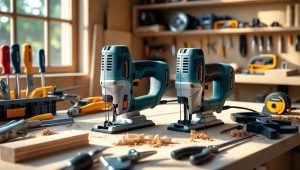
Today’s cordless tools leverage advanced lithium-ion batteries and brushless motors, providing performance that rivals—and sometimes surpasses—corded models. For the majority of home maintenance and upgrade tasks, high-quality cordless drills, drivers, and saws offer more than enough power. Some heavy-duty applications (such as sustained demolition or industrial-grade drilling) may still favor corded tools, but for typical homeowner needs, the difference is negligible.
- Pro Tip: Compare torque (measured in Nm or in-lbs) and speed (RPM) ratings, not just voltage, when evaluating actual power.
Myth 2: Higher Voltage Always Means a Better Tool
Understanding Voltage vs. Performance
It’s easy to assume that more volts equals more power, but voltage alone doesn’t determine a tool’s effectiveness. A higher voltage battery can deliver more energy, but factors like motor efficiency, tool design, and intended use are just as important.
- For most DIY projects, 12V or 18V (20V max) tools offer an ideal balance of power, weight, and runtime.
- 24V or 36V models are often heavier and may only be necessary for very demanding tasks.
Battery Platform Compatibility
Manufacturers often market tools by voltage families. Sticking to a single battery platform can save money and simplify charging, but don’t let voltage be your only consideration.
Myth 3: All Lithium-Ion Batteries Are the Same
Quality and Chemistry Differences
Not every lithium-ion battery is created equal. Capacity (measured in amp-hours, Ah), quality of internal cells, and built-in safety features (like overcharge protection) all affect performance and longevity.
- Cheap off-brand batteries may offer lower capacity, shorter lifespan, and increased risk of overheating or failure.
- High-quality batteries from reputable brands cost more upfront but are safer and more reliable.
Smart Battery Management
Modern tools feature electronic controls that optimize battery output and protect against damage. Always match batteries to your tool’s requirements and avoid mixing brands unless specifically allowed by the manufacturer.
Myth 4: Cordless Tools Aren’t Suitable for Outdoor or Heavy-Duty Work
Weather Resistance and Durability
While it’s true that not all cordless tools are built for harsh environments, many are now designed with weather-resistant housings, reinforced gear systems, and dust protection. Look for IP (Ingress Protection) ratings or specific claims of outdoor suitability if you plan to use your tools in challenging conditions.
- Examples: Outdoor-rated impact drivers, garden tools, and saws now rival corded options for power and durability.
Runtime Considerations
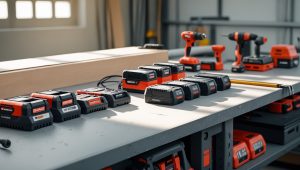
For jobs that require extended use far from power outlets, invest in high-capacity batteries or multiple spares. Some platforms offer fast-charging options to minimize downtime.
Myth 5: All Cordless Tools Have Poor Battery Life
How Battery Life Is Determined
Battery performance depends on tool efficiency, task difficulty, battery capacity, and ambient temperature. Modern lithium-ion batteries can deliver several hours of typical use on a single charge, especially with efficient brushless motors.
- For home repairs, a fully charged battery is often sufficient for an entire project session.
- Quick-swap batteries and fast chargers eliminate most downtime concerns.
Extending Battery Longevity
- Avoid exposing batteries to extreme heat or cold.
- Charge batteries before full depletion and store them partially charged when not in use for long periods.
Myth 6: Cordless Tools Are Always More Expensive Than Corded Tools
Upfront vs. Total Cost
It’s true that the initial investment for a cordless tool (including batteries and charger) is often higher than for a similar corded model. However, the long-term value often justifies the premium, especially when factoring in portability, convenience, and the ability to share batteries across a range of tools.
- Buying combo kits or sticking to a single battery platform can lead to significant savings over time.
- Consider the cost of extension cords, power access, and time saved as part of your total investment.
Myth 7: Safety Risks Are Lower With Cordless Tools
Hidden Hazards
The absence of a cord does reduce some trip hazards, but cordless tools are still powerful machines that require strict safety precautions. Battery mishandling, improper use, or neglecting personal protective equipment (PPE) can still result in injury.
- Follow all manufacturer safety instructions, including battery care and tool maintenance.
- Use appropriate PPE—eye protection, gloves, hearing protection—just as you would with corded tools.
Myth 8: Aftermarket Batteries and Chargers Are Safe Money-Savers
Risks of Non-OEM Accessories
While third-party batteries and chargers are widely available at lower prices, they may lack critical safety certifications, quality controls, or compatibility. This can lead to overheating, premature battery failure, or even fire risk. Always prioritize original equipment manufacturer (OEM) batteries and chargers for safety and warranty protection.
Myth 9: All Brands Offer Similar Quality and Interchangeability
Platform Lock-In and Tool Quality
Not all brands are created equal. Leading manufacturers invest heavily in battery platform development, tool durability, and after-sales support. Cheaper brands may offer tempting prices but can compromise on performance, safety, and long-term reliability. Additionally, battery compatibility is rarely cross-brand—mixing platforms can create headaches down the road.
- Research reviews and user experiences for both tools and customer service.
- Consider your long-term needs before committing to a platform.
Myth 10: Tool Features Like LED Lights, Belt Clips, and Multiple Speed Settings Are Gimmicks
Functional Upgrades
Modern cordless tools often include features like built-in LED work lights, belt hooks, and multiple speed or torque settings. Far from being mere gimmicks, these can make a real difference in usability, safety, and project quality—especially in low-light or awkward spaces typical of home repairs.
- Evaluate which features align with your most common tasks and invest accordingly.
How to Separate Fact from Fiction: Practical Tips for Homeowners
1. Define Your Real-World Needs
Consider which projects you tackle most often. Light repairs? Furniture assembly? Outdoor maintenance? Let your realities—not marketing claims—guide your shopping.
2. Compare Specs, Not Just Hype
Look beyond voltage and brand. Compare torque, RPM, battery capacity (Ah), charge times, and included features. Online reviews and side-by-side comparisons are invaluable.
3. Factor in System Compatibility
Sticking to one battery platform simplifies charging and saves money. Think about future tool purchases when committing to a system.
4. Prioritize Safety and Quality
Invest in reputable brands, follow all safety guidelines, and use the right PPE. Pay attention to battery handling and storage best practices.
5. Value Real-World Usability
Features like ergonomic grips, weight balance, and intuitive controls matter more in day-to-day use than raw power numbers. Handle tools in-store if possible before buying.
Conclusion: Smarter Choices for a Safer, More Productive Home Workshop
With so many options and so much marketing noise in the world of cordless power tools, it’s easy to fall prey to persistent myths and misconceptions. But as we’ve seen, the truth is far more nuanced—and much more encouraging for today’s hands-on homeowner. Modern cordless tools, powered by advanced batteries and intelligent features, are capable of handling nearly any repair, upgrade, or maintenance task you’ll face around the house. Understanding the real differences between models, batteries, and brands empowers you to make purchases that save money, increase safety, and deliver long-term value.
Don’t let outdated assumptions or flashy voltage numbers steer you off course. Instead, focus on practical specifications that match your actual needs, prioritize quality and compatibility, and always adhere to safe operating practices. By separating fact from fiction, you’ll build a toolkit that genuinely simplifies repairs and upgrades—making your DIY efforts more efficient, enjoyable, and rewarding. Remember: informed decisions are the best investment you can make in your home workshop. Happy building!
I’ve always heard that higher voltage means better performance, but you suggest that this might just be marketing hype. For typical home projects, is it truly necessary to buy the highest voltage cordless drill, or will lower voltage models work just as well?
For most home projects, a lower voltage cordless drill, such as 12V or 18V, will handle typical tasks like assembling furniture, hanging shelves, or drilling into wood just fine. Higher voltage tools are mainly helpful for heavy-duty or prolonged use. Choosing a tool that matches your actual needs will save you money and prevent unnecessary bulk or weight.
If I’m just assembling my first toolkit and am on a limited budget, how can I tell which cordless power tool features actually matter for typical home projects, versus features that are more marketing hype?
When building your first toolkit, focus on features like battery life (amp-hours), motor type (brushless motors offer efficiency), and tool ergonomics, which genuinely affect performance and comfort. Variable speed and adjustable clutch are useful for control. Features like Bluetooth or excessive LED lights are often more about marketing than necessity for home projects. Prioritize tools that feel sturdy and cover your main tasks.
You mention that modern cordless tools now use lithium-ion batteries and brushless motors for better performance. For a homeowner who already owns older cordless tools with NiCd batteries, is it possible to upgrade just the batteries or is a whole new tool purchase usually necessary?
Most older cordless tools with NiCd batteries aren’t compatible with newer lithium-ion batteries due to differences in voltage, size, and the electronics involved. Upgrading usually means purchasing new tools designed to work with lithium-ion batteries and brushless motors. Some brands may offer adapters, but they’re rare and can be unreliable. In most cases, investing in new tools is the most practical option.
I’m just starting to put together my first toolkit and I’m confused about the whole voltage thing. If I mostly plan to do basic repairs and assembly around the house, do I really need to get the highest voltage cordless tools, or can I save some money with lower voltage options?
For basic home repairs and assembly, you definitely don’t need the highest voltage cordless tools. Lower voltage tools, like those in the 12V or 18V range, are usually more than enough for most household tasks, and they’re lighter and less expensive. Higher voltage models are mainly for heavy-duty jobs. You can confidently start with lower voltage tools and upgrade only if you find you need more power later.
You mentioned that modern lithium-ion batteries and brushless motors have made cordless tools much more powerful. For a homeowner mainly doing weekend DIY jobs, how often would I need to replace or upgrade these batteries to maintain reliable performance?
For weekend DIY use, quality lithium-ion batteries can reliably last 3 to 5 years before you might notice any decrease in performance. Regularly charging them after use and storing in a cool, dry place will help maximize their lifespan. You usually only need to replace batteries when you notice they don’t hold a charge as long or power drops off significantly during use.
You talked about how myths around cordless tool power mostly come from older technology. For someone on a tight budget, what are the key safety considerations to watch for when buying entry-level cordless power tools today?
When buying entry-level cordless power tools, make sure they have essential safety features like trigger locks and overload protection. Check that the battery and charger are certified and come from a recognized brand to reduce fire risks. Always read the manual before use, wear proper protection like goggles, and avoid using tools in wet conditions. Even basic models should have clear safety instructions and sturdy construction.
Could you elaborate on how battery type actually influences tool performance and lifespan for common home projects? The excerpt mentions lithium-ion and brushless motors, but I’m curious if certain battery specs are better for specific tasks or climates.
Battery type does have a direct impact on both tool performance and lifespan. Lithium-ion batteries are generally best for most home projects—they provide consistent power and longer runtimes compared to older NiCd batteries. For heavy-duty tasks, a higher amp-hour (Ah) rating delivers longer use per charge. In colder climates, lithium-ion batteries also perform better, holding their charge and recharging faster than other types. So, for versatility and durability across different tasks and environments, lithium-ion with higher Ah is usually the best choice.
If I’m on a tight budget and can’t upgrade all my tools at once, which cordless tool would you recommend starting with for the most versatility in typical home projects?
If you’re looking for versatility and can only pick one cordless tool to start with, a cordless drill/driver is usually the best choice. It handles drilling, driving screws, assembling furniture, hanging shelves, and many other common home projects. You’ll get a lot of use out of it before needing to invest in additional tools.
You mentioned battery technology being important when choosing cordless tools. Can you explain how much of a difference battery type really makes for someone who only uses their tools occasionally around the house, rather than for big renovation projects?
For occasional home use, the type of battery in cordless tools mostly impacts convenience and reliability. Lithium-ion batteries are lighter, hold charge longer when not in use, and recharge faster than older nickel-cadmium batteries. While heavy-duty performance differences matter more for frequent users, choosing lithium-ion means your tool is more likely to work whenever you grab it, even after sitting unused for weeks or months.
The article mentions that modern cordless tools with lithium-ion batteries and brushless motors can match or even surpass the power of corded models. Are there specific types of home repair projects where a corded tool still offers a real advantage over a cordless one?
Corded tools can still be preferable for projects that demand continuous, high-powered operation, such as cutting thick hardwood, mixing large batches of mortar, or drilling into concrete for extended periods. In these situations, corded models provide consistent power without worrying about battery life or recharging, which can be helpful during long or heavy-duty tasks around the home.
If someone is just starting to put together a toolkit for routine home maintenance, is it better to invest in high-voltage cordless tools right away, or will lower-voltage options usually be enough? I want to avoid overspending if possible.
For most routine home maintenance tasks like assembling furniture, hanging shelves, or drilling into drywall, lower-voltage cordless tools (like 12V or 18V) are usually more than enough. Higher-voltage tools are really only necessary for heavy-duty jobs. Starting with a quality lower-voltage set helps keep costs down and you can always upgrade later if your needs change.
When upgrading our workshop tools, is it smarter to invest in higher-voltage cordless options for occasional heavy-duty jobs, or should I stick with standard voltages to save on upfront costs?
If you only tackle heavy-duty jobs occasionally, standard-voltage cordless tools (like 18V or 20V) usually provide a good balance of power and cost. Investing in higher-voltage options makes sense if you plan to use them regularly for demanding tasks. For most homeowners, standard-voltage tools are versatile enough and keep your costs lower, especially if you already own compatible batteries and accessories.
I noticed you mentioned that older myths about cordless tool power are based on outdated technology. For someone on a tight budget, is it still safe to buy secondhand cordless tools, or will the performance and battery life really lag behind newer models?
Buying secondhand cordless tools can be a good way to save money, but keep in mind that older models may not match the power, runtime, or battery life of newer ones. If you choose to buy used tools, check the condition of the battery and see if replacements are still available. You might get solid performance, but be prepared for shorter battery life and less efficient charging compared to recent models.
You mentioned that newer cordless tools with lithium-ion batteries and brushless motors can sometimes outperform corded models. For heavier-duty projects like drilling into concrete or using saws for longer periods, is there still a practical advantage to choosing corded tools, or have cordless options fully caught up for most homeowners?
For most homeowners, modern cordless tools with lithium-ion batteries and brushless motors now offer performance that rivals corded models, even for demanding tasks. However, corded tools can still have an edge for very heavy-duty or nonstop use, like continuous drilling into thick concrete or extended sawing sessions, since they don’t require battery changes or charging. For typical home projects, though, cordless options are more than capable and provide added convenience.
If I already own some cordless power tools with older batteries, is it possible or advisable to upgrade just the batteries to improve performance, or would I need to replace the whole tool to get the benefits you described in the article?
You may be able to boost performance by upgrading just the batteries if your tools are compatible with newer, higher-capacity versions from the same brand and voltage lineup. Many modern batteries offer longer runtime and improved features. However, some older tools might not support advanced battery chemistries. Check your manufacturer’s recommendations to ensure compatibility before purchasing new batteries, as this can be a cost-effective way to enhance your tools without replacing them entirely.
You touched on the importance of choosing the right voltage for cordless power tools and mentioned that higher voltage might not always be better. Could you explain how to determine the appropriate voltage for common home renovation tasks, so I don’t spend more than I need to?
To pick the right voltage, consider the types of tasks you’ll tackle. For light jobs like assembling furniture or hanging shelves, 12V tools are usually enough. For most home renovation projects—drilling into wood, basic repairs, or light demolition—18V or 20V tools offer a good balance of power and weight. Only choose higher voltage if you regularly handle heavy-duty work like drilling concrete or using large saws.
If I already have a bunch of corded power tools, is it really worth it to start investing in cordless versions, or should I just stick with what I have for most home repair jobs?
If your corded tools are working well for your current projects, there’s no urgent need to replace them. However, cordless tools offer greater convenience and portability, especially for quick jobs or places without easy access to outlets. Many homeowners find it helpful to gradually add cordless tools for flexibility, while still using their reliable corded ones for bigger or continuous tasks.
Since the article talks about feature comparisons and battery technology, how important is it for a homeowner to consider brushless motors versus regular ones? Is the extra cost really worth it for someone who only does occasional repairs?
For homeowners who just tackle occasional repairs, the extra cost of brushless motors might not be essential. Brushless motors are more efficient and last longer, but for light use, standard brushed motors will usually do the job just fine. If you want your tools to last many years or plan to use them more frequently, brushless could be a good investment, but otherwise, regular ones are perfectly suitable.
For someone putting together a first toolkit on a budget, do you think it’s smarter to buy mid-range cordless tools or spend a bit extra on higher-voltage or brushless versions? Is battery type a bigger factor than brand for reliable performance in home projects?
For most home projects, mid-range cordless tools are a smart choice when starting out. Brushless motors and higher voltage can offer more power and efficiency, but unless you plan heavy-duty work, they’re not essential. Battery type is important; lithium-ion batteries deliver better performance and longer life. Consistency within a brand allows you to share batteries across tools, which can save money in the long run. So, prioritize reliable batteries and compatibility over just brand name.
As someone who only tackles basic repairs around the house, do I really need to worry about battery type and voltage when choosing a cordless drill, or will any modern model handle most small jobs just fine?
For basic home repairs, most modern cordless drills will handle small jobs just fine. You don’t need to worry much about battery type or high voltage. A standard 12V or 18V drill is usually more than enough for tasks like hanging shelves or assembling furniture. Just pick a reputable brand and make sure the drill feels comfortable in your hand.
Could you explain a bit more about how battery types actually affect performance and lifespan? I see a lot of options with different voltages and brands, and I’m worried about making the wrong investment for my occasional DIY projects.
Battery type and voltage both play a big role in tool performance and lifespan. Lithium-ion batteries are the standard now—they’re lighter, hold charge longer, and last through more recharge cycles than older types like nickel-cadmium. Higher voltage batteries deliver more power, which is useful for demanding tasks, but for occasional DIY use, a mid-range voltage (like 12V or 18V) is usually plenty. Brand matters mainly for compatibility with future purchases. Investing in a reputable brand’s system lets you use the same batteries across multiple tools, making upgrades easier and more cost-effective.
If I’m building my first toolkit on a budget, should I focus on getting the highest voltage cordless tool available, or would it make more sense to invest in a good brand with reliable battery tech, even if the voltage is lower?
It’s usually wiser to choose a reputable brand with reliable battery technology, even if the voltage is a bit lower. Higher voltage doesn’t always mean better performance for every homeowner task. Quality brands often offer tool compatibility and longer battery life, which can save money as you expand your toolkit in the future.
If I’m mainly doing small projects around the house like assembling furniture or hanging shelves, would it be overkill to get a cordless tool with the highest voltage? Or is there a noticeable benefit in day-to-day use for beginners?
For most small home projects like assembling furniture or hanging shelves, you won’t need a cordless tool with the highest voltage. Higher voltage tools are designed for heavy-duty tasks and can be heavier and more expensive. A mid-range tool, usually around 12 to 18 volts, will give you enough power for everyday use and be easier to handle, especially if you’re just starting out.
After reading about old myths versus today’s advances, I’m curious—are there specific home repair tasks where a corded tool is still the better option, or can I safely go fully cordless for everything around the house now?
For most home repair tasks, modern cordless tools are powerful and reliable enough to replace corded versions. However, for jobs requiring sustained, heavy-duty power—like mixing thick concrete, major demolition, or cutting dense hardwoods for extended periods—a corded tool might still perform better. For typical repairs, assembly, or renovations, going fully cordless should cover nearly all your needs.
When it comes to safety, are there any specific precautions homeowners should take with cordless tools that might differ from corded ones—especially with charging or storing the newer lithium-ion batteries?
Yes, cordless tools with lithium-ion batteries have a few unique safety considerations. Always use the charger provided by the manufacturer to avoid overcharging or overheating. Store batteries in a cool, dry place—never in direct sunlight or extreme temperatures. Avoid leaving batteries on the charger after they’re fully charged, and never use damaged or swollen batteries. These steps help prevent fire risks and prolong battery life.
I’m curious about the part where you mention advanced lithium-ion batteries and brushless motors. How do I know if a tool has these features, and are they worth the extra cost for an average homeowner doing basic repairs?
To check if a tool has advanced lithium-ion batteries or a brushless motor, look at the product specs or packaging—manufacturers usually highlight these terms clearly. For basic repairs, these features can offer longer battery life, less maintenance, and better efficiency, but if you only use tools occasionally, standard versions may work just fine. Consider how often you’ll use the tool before spending more.
I’m curious about the whole battery type thing—does it make a huge difference if I go with a tool that has a less advanced battery to save money, or am I setting myself up for more frustration in the long run?
Choosing a less advanced battery might save money upfront, but it can impact your experience. Older battery types, like nickel-cadmium, tend to be heavier, have shorter run times, and lose charge faster over time. Modern lithium-ion batteries are lighter, hold a charge longer, and deliver more consistent power. If you plan to use your tools often or for bigger projects, investing in a tool with a better battery will likely save you frustration in the future.
I’m curious about the note on battery technology—does the specific type or brand of lithium-ion battery make a significant difference in tool performance and reliability? Are there brands or specs homeowners should prioritize for the best results and battery longevity?
The specific type and brand of lithium-ion battery can impact both performance and reliability. Batteries from reputable tool brands often have better build quality, safety features, and longevity. Look for batteries with higher amp-hour (Ah) ratings for longer run time, and make sure they are compatible with your tool model. Sticking with the same brand as your tool is usually safest, as off-brand batteries may not offer optimal performance or warranty support.
I noticed you mention that battery type really matters. For someone just starting out, how do I know which battery technology—like lithium-ion versus older types—is best for occasional home repairs?
If you’re starting out and plan to use power tools only occasionally, lithium-ion batteries are a smart choice. They hold a charge longer when not in use, are lighter, and charge faster than older types like nickel-cadmium. Even if you don’t use your tools often, lithium-ion’s low self-discharge means they’ll be ready when you need them, making them ideal for home repairs.
You touched on how modern cordless tools can be just as powerful as corded ones. For someone mainly doing occasional repairs but sometimes tackling bigger projects, is it worth investing in high-voltage cordless tools, or are most standard models sufficient?
For most homeowners doing occasional repairs and even some larger projects, standard 18V or 20V cordless tools usually provide plenty of power and versatility. High-voltage models are great for heavy-duty or professional work, but for typical home use, standard models are cost-effective, lighter, and easier to handle. Unless you plan to regularly tackle very demanding tasks, standard cordless tools should be sufficient.
When it comes to battery technology, how important is it for homeowners to pay attention to amp-hour ratings versus voltage? I’m trying to figure out what actually makes a bigger difference for run-time and overall performance when picking out a new drill or saw.
When choosing cordless tools, both amp-hour (Ah) ratings and voltage matter, but for most homeowners, amp-hours are more important for run-time. A higher amp-hour rating means your tool will run longer on a single charge. Voltage mostly affects power—the higher the voltage, the more powerful the tool. For most household tasks, focus on a good balance: enough voltage for the job, but pay close attention to amp-hours if you want longer use between charges.
I noticed there’s an emphasis on choosing the right voltage and not automatically picking the highest. How can a beginner figure out what voltage or battery specs they actually need for typical home repairs without overspending?
For most home repairs like hanging shelves, assembling furniture, or minor drilling, a cordless tool with a voltage between 12V and 18V is usually more than enough. Higher voltages are best for heavy-duty tasks. Focus on how comfortable the tool feels and how long the battery lasts, rather than just picking the highest number. Start with basic kits, and you can always upgrade if your projects get bigger.
Can you expand on how cordless tool performance compares to corded for tasks like drilling into masonry or heavy-duty cutting? Are there still situations where a corded tool is the better choice for a homeowner, or have cordless models fully caught up for most uses?
Cordless tools have improved a lot and can handle most homeowner tasks, including some light masonry drilling and heavy-duty cutting. However, for sustained work in tough materials like thick concrete or for long cutting sessions, corded tools may still outperform cordless in terms of consistent power and runtime. If you do these demanding tasks often, a corded tool is still a good option, but for most typical home projects, cordless models are now fully up to the job.
When comparing cordless and corded models for reliability over time, are there particular maintenance routines or storage tips homeowners should follow to maximize battery lifespan and ensure consistent power delivery, especially if the tools are only used sporadically?
To keep your cordless tools reliable, store batteries in a cool, dry place and avoid leaving them fully charged or completely drained for long periods. If you’re using them only occasionally, recharge every few months to maintain battery health. For both corded and cordless tools, keep them clean and check for loose parts or frayed cords. Following these steps will help ensure consistent performance and longer tool life.
When deciding which voltage to go for, is there a point where higher voltage just means paying more without real benefit for average home projects? I want to avoid overspending but not end up underpowered for occasional heavy-duty tasks.
For most home projects, 12V or 18V cordless tools are ideal—they balance power, weight, and cost. Higher voltage tools (like 20V or more) are mainly for frequent heavy-duty work and can be overkill, both in price and size, for average DIY tasks. Unless you regularly tackle demanding jobs, 18V tools should handle occasional heavier tasks without overspending.
I usually handle basic repairs around the house, and I’m wondering if investing in high-voltage cordless tools actually makes a noticeable difference for someone who mostly does light tasks, or is that just marketing hype like the article mentions?
For basic home repairs and light tasks, high-voltage cordless tools usually aren’t necessary. Lower-voltage tools are lighter, easier to handle, and provide enough power for everyday jobs like hanging shelves or assembling furniture. The push for higher voltage can be more about marketing than actual need for most homeowners. Unless you plan on tackling heavy-duty projects, standard cordless tools should serve you well.
The article mentions that modern cordless tools can sometimes outperform corded models. For frequent but heavy-duty tasks like drilling into masonry or cutting thick lumber, are there specific cordless brands or models that tend to hold up better for business use?
For heavy-duty professional tasks, certain cordless brands are known for their reliability and performance. Models from Milwaukee’s M18 Fuel series, DeWalt’s XR FlexVolt line, and Makita’s XGT range are often praised for their power and durability, especially in demanding environments. When choosing a tool, consider battery capacity, brushless motors, and tool warranty to ensure you get the best results for business use.
The article mentions that battery type really matters for cordless tools. Could you explain which battery types are best for occasional DIYers versus people who use their tools more frequently? Are lithium-ion batteries always worth the extra cost?
For occasional DIYers, nickel-cadmium (NiCd) or nickel-metal hydride (NiMH) batteries can be sufficient and are often less expensive, though they’re heavier and may lose charge faster when not in use. Frequent users generally benefit from lithium-ion (Li-ion) batteries because they’re lighter, hold their charge longer, and provide more consistent power. While lithium-ion batteries cost more, their convenience and performance make them a better choice for those using tools regularly.
When shopping for a cordless tool as a beginner, is it necessary to go for the highest voltage or should I start with mid-range options? I am mostly doing basic DIY repairs and don’t want to overspend, but I also worry about outgrowing less powerful tools.
For basic DIY repairs, starting with mid-range cordless tools (typically 12V to 18V) is usually enough—you don’t need the highest voltage models, which are often heavier and pricier. Mid-range tools handle most home projects well, and you can upgrade later if you find your needs grow. It’s a good balance between price, power, and versatility for beginners.
You mentioned safety considerations with cordless tools. Are there specific risks with battery technology or usage that homeowners should be especially aware of compared to traditional corded tools?
Yes, cordless tools do bring some unique battery-related risks. Lithium-ion batteries can overheat if damaged, overcharged, or used with incompatible chargers, potentially leading to fires. It’s important not to leave batteries charging unattended, avoid exposing them to extreme heat or moisture, and always use the recommended charger. Unlike corded tools, proper battery storage and inspection are key for cordless tool safety.
I noticed the article discusses battery technology, but I’m curious about long-term costs. Do newer lithium-ion batteries typically outlast the tools themselves, or should homeowners budget for regular battery replacements over time?
Newer lithium-ion batteries are much more durable than older types, but they usually won’t outlast the power tool itself. Most batteries will need replacing after a few years of regular use, depending on how often they’re charged and the conditions they’re stored in. It’s wise for homeowners to plan for battery replacement as part of the long-term cost of owning cordless tools.
The article mentions safety hazards related to cordless tools. Could you clarify what specific safety issues homeowners should look out for when switching from corded to cordless tools? Are there any unique risks with newer battery technologies?
When switching to cordless tools, the main safety issues to watch for include battery handling and charging. Lithium-ion batteries, common in new tools, can overheat or even catch fire if damaged or incorrectly charged. Always use the charger provided, avoid exposing batteries to extreme heat, and inspect for cracks or leaks. Cordless tools also eliminate tripping hazards from cords, but be cautious about battery life to avoid sudden stops during use.
You mention that modern cordless tools can sometimes outperform corded ones. For someone upgrading from older models, how can I tell if a cordless drill or saw is truly equivalent to corded power for things like deck building or framing work?
To compare cordless and corded tools for demanding tasks like deck building or framing, look at the voltage (usually 18V or 20V for heavy-duty cordless tools), battery amp-hour rating (higher means longer run time), and brushless motor technology. Also, check torque and RPM specs and compare them directly to similar corded models. Reading professional tool reviews and user feedback about performance on tough jobs can help confirm if a cordless tool will meet your needs.
As a parent who doesn’t have much time for maintenance, I’m curious about battery lifespan and replacement costs. How long do the newer lithium-ion batteries typically last before you need to replace them, and are replacements expensive?
Newer lithium-ion batteries for cordless power tools usually last between 3 to 5 years or around 300 to 500 charge cycles, depending on usage and care. As for replacement costs, prices can vary by brand and battery size, but most fall in the $40 to $100 range. Taking care not to fully drain the battery and storing it properly can help extend its lifespan.
I noticed the article mentions that modern cordless tools can sometimes even surpass corded ones in terms of performance. Are there specific types of home projects where a basic corded tool would still be preferable, or has battery technology closed that gap for most DIY tasks?
Battery technology has narrowed the gap for most DIY tasks, so cordless tools now handle jobs like drilling, screwing, and light cutting just as well as corded ones. However, for very demanding work—such as continuous heavy-duty sanding or using larger saws for extended periods—a corded tool might still be preferable because it won’t run out of power or overheat as quickly. For average home projects, though, cordless tools are more than sufficient.
I’m trying to decide if I should invest in higher voltage cordless tools like 20V or just stick with 12V for basic home repairs. Is there a specific point where the extra voltage really makes a practical difference for average DIY projects?
For most basic home repairs—like assembling furniture, hanging shelves, or drilling into drywall—a 12V cordless tool will handle the job just fine. Higher voltage tools, like 18V or 20V, become more practical if you plan to tackle heavier tasks, such as drilling into masonry, driving large screws, or working with thick woods. If your projects stay simple, 12V is usually sufficient and lighter to use.
It sounds like battery technology has come a long way, but does the type or brand of lithium-ion battery make a big difference in actual use? Are there certain battery features or compatibility issues homeowners should watch out for when building up a set of cordless tools?
Yes, the type and brand of lithium-ion battery can make a noticeable difference in performance, runtime, and lifespan. Some tool brands use proprietary battery designs that only fit their tools, so it’s wise to stick with one brand for easier compatibility. Look for features like battery capacity (measured in amp-hours), built-in charge indicators, and thermal or overload protection to get the best experience and safety from your cordless tools.
The article mentions that high-quality cordless drills can rival corded models for most home tasks, but are there any types of jobs or materials where even the best cordless tools might still fall short? I’d like to avoid investing in the wrong equipment for demanding projects.
That’s a thoughtful concern. While top-notch cordless drills handle most home projects well, very heavy-duty tasks—like drilling large holes in thick concrete or continuous mixing—can be tough for cordless models due to battery limits and torque. For such demanding jobs, a powerful corded drill or a specialty tool is still the better choice.
If someone is on a tight budget and just starting their tool collection, is it still necessary to invest in the higher voltage cordless models, or are the mid-range options now sufficient for typical home repairs and DIY projects?
For most home repairs and DIY projects, mid-range cordless power tools—like those with 12V to 18V batteries—are usually more than sufficient. Higher voltage models are great for heavy-duty work, but they aren’t necessary for basic tasks. Investing in a reliable mid-range option can help you save money while still getting the job done effectively.
If I already have a set of older cordless tools with NiCad batteries, is it worth upgrading to newer lithium-ion models, or can I just swap out the batteries to improve performance on a budget? Any tips for making the most out of older tools?
If your older cordless tools use NiCad batteries, swapping them for lithium-ion usually isn’t possible due to compatibility issues. Upgrading to lithium-ion models offers noticeable benefits like longer run times, lighter weight, and quicker charging. However, you can extend the life of your current tools by fully discharging NiCad batteries occasionally and storing them properly. Consider replacing worn-out NiCad batteries if you want to stick with your current set for a while longer.
If cordless tools now rival corded ones for most home projects, are there still situations where choosing a corded option makes more sense, especially for larger DIY projects? I want to avoid overspending but also don’t want to get stuck mid-project.
Absolutely, while cordless tools have improved a lot, corded tools still have advantages for certain larger or more demanding DIY projects. If you need continuous power for long periods, such as when sanding floors or using heavy-duty saws, corded options avoid battery interruptions and provide more consistent performance. For most typical home tasks, though, quality cordless tools should be sufficient. If you often tackle big projects, having at least one reliable corded tool might be worth it.
I’m curious about your take on battery types since you mention their importance in the article. For someone on a moderate budget, is it worth upgrading from basic lithium-ion batteries to higher-end options, or are the differences mostly noticeable for professional use?
For most homeowners working on typical DIY projects, standard lithium-ion batteries are usually sufficient. Higher-end batteries often provide longer run times and faster charging, but those benefits mainly matter for professionals who use their tools heavily every day. If you use your tools occasionally, sticking with basic lithium-ion batteries is a sensible and budget-friendly choice.
If cordless tools now often match the power of corded ones, are there still specific types of projects or materials where a corded tool would be safer or more reliable for a homeowner?
Yes, while cordless tools have become quite powerful, corded tools are still preferable for heavy-duty tasks that require continuous high power, such as cutting thick hardwood, mixing concrete, or extended grinding sessions. Corded tools don’t risk battery drain or reduced performance over long periods, making them safer and more reliable for demanding jobs that go on for hours without interruption.
I’m curious about battery types you mentioned. Is it really worth paying extra for lithium-ion batteries, or are the older types still good enough for basic home repairs? I don’t do major renovations, just the occasional project.
For occasional home projects, older battery types like nickel-cadmium (NiCd) can handle the job, but lithium-ion batteries do have real advantages. They’re lighter, hold a charge longer, and don’t lose power if left unused. If you’ll only use your tools a few times a year, lithium-ion batteries will be more reliable and more convenient, but for very basic or infrequent tasks, older batteries can still be adequate if cost is a concern.
I noticed you mentioned that battery technology has come a long way, especially with lithium-ion batteries and brushless motors. In your experience, is it still worth keeping a corded drill around for heavy-duty tasks, or are the modern cordless options sufficient for most home projects?
Modern cordless drills with lithium-ion batteries and brushless motors are now powerful enough for almost all typical home projects, including most heavy-duty tasks like drilling into masonry or thick lumber. However, if you regularly tackle especially demanding jobs—such as long drilling sessions or mixing thick materials—a corded drill could still be handy for its continuous power. For most homeowners, though, a quality cordless drill should be more than sufficient.
As someone looking to upgrade some of our shop’s older tools, I’m curious if there are particular features in cordless models that you would prioritize over simply picking the highest voltage or largest battery pack?
Absolutely—while voltage and battery size matter, other features can make a big difference in daily use. Look for brushless motors for better efficiency and lifespan, ergonomic designs for comfort, and smart safety features like electronic brakes. Also, consider compatibility with your existing battery platform and whether the tool has adjustable speed or torque settings for versatility.
I noticed the article says that modern cordless tools can rival corded ones, but are there still certain specific tasks where a corded tool would be noticeably better for a beginner DIYer? If so, which projects should I avoid trying with cordless only?
While modern cordless tools are impressive, corded tools might still be noticeably better for tasks that require continuous high power, like heavy-duty drilling in concrete, long sessions of sanding, or cutting thick hardwood. For a beginner DIYer, you might want to use a corded tool for serious demolition, mixing large batches of materials, or big renovation projects. For most light to medium home jobs, cordless should do just fine.
When you say modern cordless tools can rival or surpass corded tools, does that apply to heavy-duty jobs like cutting thick hardwood regularly? I’d love some specifics, since choosing between upgrading my cordless lineup or sticking with corded tools affects my yearly equipment budget.
For heavy-duty tasks like regularly cutting thick hardwood, high-end cordless tools have made big strides and can now match or beat corded tools in power and runtime—especially those using advanced brushless motors and high-capacity batteries. However, for frequent, demanding use, corded tools still offer consistent performance without worrying about battery drain. If your work is mobile or you value convenience, investing in top-tier cordless tools makes sense, but for all-day, intensive cutting, corded options remain a reliable choice.
I keep hearing that getting the highest voltage cordless tool isn’t always necessary, especially for homeowners. Could you expand on when it actually makes sense to pay for a higher voltage model versus sticking with something more affordable for basic repairs?
Higher voltage cordless tools are best if you regularly tackle heavy-duty tasks, like drilling into concrete, building decks, or working with thick lumber. For most homeowners doing basic repairs, furniture assembly, or light DIY, 12V to 18V tools provide plenty of power and are lighter and more affordable. Only upgrade to higher voltage if you know you’ll need extra power for demanding projects.
You mention that modern cordless tools can rival or even beat corded tools for most home projects, but are there still certain tasks or materials where a corded tool would be noticeably better for a homeowner to use?
Yes, there are still situations where a corded tool can be advantageous for homeowners. Heavy-duty tasks like drilling through thick concrete, prolonged sanding, or continuous cutting of dense materials (such as hardwood or metal) may benefit from the constant power supply of a corded tool. Corded models can provide more consistent torque and don’t require battery changes during long sessions.
What safety concerns should I be aware of with newer cordless power tools, especially for a busy household with kids? Are there specific features I should look for when buying to keep things safer at home?
Newer cordless power tools are safer than ever, but it’s smart to stay cautious in a home with children. Always choose tools with safety locks or trigger guards to prevent accidental starts. Look for models with battery disconnects or removable batteries for extra peace of mind. Make sure to store tools out of children’s reach and keep batteries separate when not in use. Reviewing the manual for safe handling and storage recommendations is also helpful.
How can I tell if a cordless tool is powerful enough for heavier renovations, like drilling through concrete or framing, without just relying on the voltage number advertised?
To judge if a cordless tool is suitable for heavy tasks like drilling concrete or framing, look beyond voltage. Check the tool’s torque rating (often measured in Newton-meters), battery amp-hour (Ah) rating for runtime, and brushless motor technology, which usually means higher performance. Also, look for user reviews about its effectiveness in tough materials and see if the manufacturer lists it as suitable for masonry or framing jobs.
After debunking the myth about power, could you offer recommendations on what features homeowners should prioritize when choosing between different cordless drill models? Should voltage, battery type, or ergonomic design take precedence for most DIY tasks?
When comparing cordless drill models, ergonomic design and comfort should usually come first, especially if you plan to use the tool often. Next, focus on battery type—lithium-ion batteries are lighter and hold a charge longer than older types. While voltage matters, most household tasks only require 12V or 18V models. Look for adjustable speed, a reliable brand, and easy-to-handle weight for the best all-around experience.
For homeowners assembling their first toolkit on a budget, is it smarter to invest in one high-quality cordless tool or go for a mid-range combo set? I want to avoid unnecessary expenses but also don’t want to compromise on safety or reliability.
If you’re assembling your first toolkit on a budget, a mid-range combo set is often the better choice. This gives you several essential cordless tools at a reasonable price, all compatible with the same batteries. Many reputable brands offer reliable mid-range sets that are both safe and dependable, making it easier to tackle a variety of home projects without overspending.
You mentioned that battery technology has advanced a lot. For a small business like mine, is there a big difference between investing in 18V versus 20V cordless power tools, or is that mostly marketing hype these days?
The difference between 18V and 20V cordless power tools is mostly marketing. Both use the same battery cells—20V refers to the peak voltage right after charging, while 18V is the nominal operating voltage. Performance differences are usually minimal, so it’s better to focus on tool quality, battery capacity, and the range of tools available in a system that best fits your small business needs.
I noticed the article debunks the idea that you always need the highest voltage cordless tool. For someone on a tight equipment budget, what should I prioritize when choosing between voltage, battery type, and other features?
When working within a tight budget, focus on matching tool voltage to the types of projects you plan to tackle—higher voltage isn’t always better for lighter tasks. Prioritize getting tools with lithium-ion batteries, as they last longer and hold charge better. Also, consider features like comfort, weight, and tool compatibility with other devices in the same battery system to maximize your investment.
I’ve always heard that cordless tools lose power quickly during big projects, but your article says lithium-ion batteries last longer now. For someone doing a full weekend renovation, should I invest in extra batteries, or are most cordless tools reliable enough to get through long sessions on a single charge?
While modern lithium-ion batteries do last much longer than older types, it’s still wise to invest in at least one extra battery for big projects like a weekend renovation. This way, you can swap in a charged battery when needed without waiting. Most cordless tools are reliable, but having a backup ensures your work isn’t interrupted.
You mentioned that modern cordless tools can be just as powerful as corded ones, especially with lithium-ion batteries and brushless motors. Are there any specific types of projects or materials where corded tools still have a significant advantage for homeowners?
Corded tools may still have an edge for extended, heavy-duty tasks like cutting thick hardwood, mixing mortar, or drilling large holes in masonry, as they provide continuous power and don’t risk battery drain. For most typical home projects, modern cordless tools are more than capable, but if you expect to work for long periods without breaks or on especially tough materials, corded options can be more reliable.
I’m curious about battery technology and lifespan. With all the improvements in lithium-ion batteries, how long should I realistically expect a battery to last before needing a replacement if I’m just using tools for occasional DIY projects?
With occasional DIY use, a modern lithium-ion battery should last between 3 to 5 years before you notice any significant drop in performance. Battery lifespan depends on factors like storage conditions and charging habits, so storing batteries in a cool, dry place and avoiding extreme temperatures can help them last even longer.
You talk about how cordless tools have caught up to corded ones in most cases, but are there still specific types of home projects where a corded tool would clearly be the better choice?
Yes, while cordless tools now match corded ones for most everyday tasks, corded tools can still be better for heavy-duty jobs that require continuous high power, like mixing concrete, sanding large surfaces, or cutting through thick hardwood for long periods. For these demanding or prolonged projects, corded tools avoid the hassle of battery swaps or charging downtime.
When the article mentions safety considerations with cordless tools, does that mainly refer to user error, or are there specific risks with newer battery technology that homeowners should watch out for?
The article covers both aspects. While user error—like improper handling or not wearing safety gear—is always a factor, it also points out specific risks tied to newer battery technology. For example, lithium-ion batteries can overheat or cause fires if damaged or charged improperly. Homeowners should follow charging instructions, use the manufacturer’s charger, and avoid exposing batteries to extreme temperatures to minimize these risks.
I’m trying to decide between investing in a higher voltage cordless drill or sticking with something more basic for typical home repairs. Can you explain if higher voltage always means better performance, or are there downsides like increased weight or cost that homeowners should consider?
Higher voltage cordless drills generally offer more power, which is helpful for heavy-duty jobs, but they often come with increased weight and a higher price tag. For most typical home repairs, a basic 12V or 18V drill is usually sufficient, easier to handle, and more affordable. Unless you plan on tackling large or frequent projects, a mid-range drill is a practical choice for homeowners.
If I’m just starting to build my toolkit on a tight budget, is it okay to buy a lower-voltage cordless drill, or should I save up for one with a higher voltage? Are the differences in capability significant for most home repair jobs?
For most basic home repair jobs like assembling furniture or drilling into drywall, a lower-voltage cordless drill (like 12V) usually works just fine and is more affordable. Higher-voltage drills (18V or more) are more powerful but generally needed for heavier tasks like drilling into masonry or thick wood. If you’re sticking to light to medium-duty work, starting with a lower-voltage drill is a sensible choice.
I see your point about not always needing the highest voltage cordless tool, but when working on larger home renovation projects, how do I balance budget with getting enough power and run time from cordless tools for my team?
When tackling larger renovation projects, consider tools that offer mid-range voltage (like 18V or 20V), which usually provide a good balance of power and affordability. Investing in extra batteries can help extend run time without breaking the bank. Also, look for brands with interchangeable batteries across tools, so your team can swap batteries as needed and reduce downtime.