
Introduction: Why DIYers Need Tool and Workshop Insurance
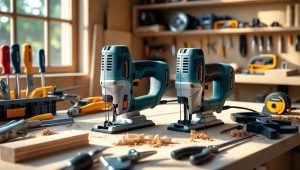
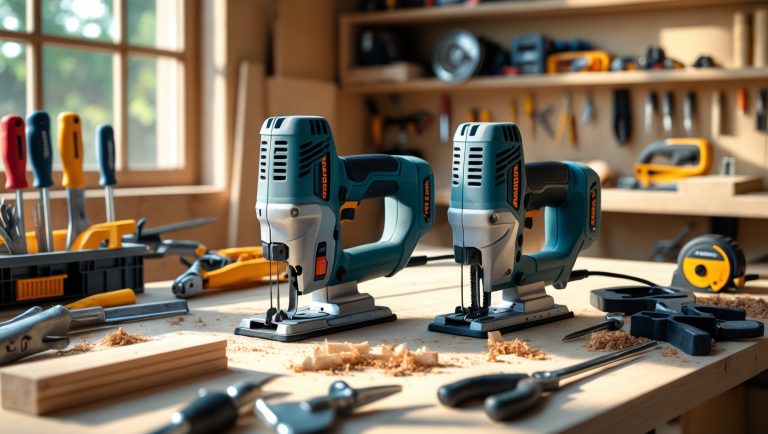
If you’re a homeowner who loves tackling repairs, upgrades, or creative projects in your own workshop, you’ve probably invested a lot—both money and time—into building your collection of tools and equipment. Whether you have a modest DIY corner or a fully outfitted garage workshop, your tools are essential assets. But have you ever stopped to consider how well they’re protected? Many DIYers make the mistake of assuming their standard homeowners insurance covers all their equipment, only to discover costly gaps after loss or damage occurs. In this guide, we’ll break down the essentials of insuring your tools and home workshop: what’s typically covered, where the pitfalls lie, how to document your gear, and practical steps to ensure you’re not left paying out of pocket after theft, fire, or accident. By the end, you’ll be equipped to secure peace of mind and safeguard your DIY investments.
Understanding the Risks: Why Insurance Matters for Your Tools
Common Threats to Home Workshops
- Theft: Garages and sheds are common targets for break-ins, with thieves seeking valuable power tools and gadgets.
- Fire: Workshops often contain flammable materials, electrical equipment, and heat sources, increasing fire risk.
- Water Damage: Leaks or flooding can irreparably harm power tools and electronics.
- Accidental Damage: Dropping tools, collisions, or improper storage can lead to costly repairs or replacements.
- Natural Disasters: Storms, earthquakes, and other events can cause widespread loss.
Without proper insurance, these events can set back your DIY ambitions and drain your finances.
What Does Standard Homeowners Insurance Cover for Tools?
Homeowners insurance usually provides some coverage for personal property, including tools and equipment. However, limits and exclusions often apply, especially for items used for business or high-value collections. Let’s clarify what’s typically included:
- Personal Property Coverage: Most policies cover your belongings (including tools) against listed perils—fire, theft, vandalism, etc.—but limits may be low for items stored in detached structures like sheds or garages.
- Off-Premises Coverage: If you use your tools outside your home (e.g., at a neighbor’s house), coverage may be reduced, often to 10% of your personal property limit.
- Deductibles: You’ll pay a deductible before insurance kicks in, which could be more than the value of some tools.
- Business Use Exclusions: If you use your workshop for side gigs or professional work, tools may not be covered under standard policies.
Coverage Limits and Exclusions
Check your policy for:
- Special Limits: Many insurers cap payouts for tools, sometimes as low as $2,500 for theft from outbuildings.
- Excluded Perils: Floods and earthquakes usually require separate policies.
- Proof of Ownership: Insurers may require receipts or inventories to process claims.
Do You Need a Tool Floater or Scheduled Personal Property Endorsement?
If your tool collection is worth more than your policy’s standard limit or you have specialized equipment, consider these add-ons:
- Tool Floater: A tool floater (or equipment floater) is an insurance endorsement that specifically covers valuable tools, often with lower deductibles and broader protection (including accidental damage and off-premises use).
- Scheduled Personal Property Endorsement: This allows you to itemize high-value tools or equipment on your policy for full coverage based on an agreed value.
These endorsements are especially valuable if you own high-end power tools, woodworking machines, or specialized diagnostic gadgets.
How to Document and Inventory Your Tools for Insurance
Proper documentation is crucial for a smooth claims process. Here’s how to create an effective inventory:
Step 1: List Every Tool and Piece of Equipment
- Include hand tools, power tools, specialty gadgets, workbenches, and storage systems.
- Record make, model, serial number, and purchase date (if available).
Step 2: Photograph or Video Your Workshop
- Take clear, well-lit photos of each tool, open drawers, and storage racks.
- Consider a narrated video walkthrough, describing each item.
Step 3: Save Receipts and Proof of Purchase
- Scan or photograph receipts and warranty cards.
- Keep digital backups in cloud storage or a secure drive.
Step 4: Update Regularly
- Revisit your inventory annually or after major tool purchases.
A thorough inventory can mean the difference between a successful claim and denied reimbursement.
Comparing Insurance Options: What DIYers Should Look For
Key Features to Compare
- Coverage Amounts: Ensure your policy covers the total replacement value of your tools.
- Deductibles: Balance premium cost with out-of-pocket expenses for claims.
- Covered Perils: Look for protection against theft, fire, accidental damage, and water damage.
- Off-Premises Coverage: Essential if you take tools to job sites or lend them out.
- Business Use: If you earn income from DIY work, seek policies that explicitly cover business equipment.
- Replacement Cost vs. Actual Cash Value: Replacement cost policies pay for new items, while actual cash value subtracts depreciation.
Sample Insurance Products for DIYers
- Tool Floaters from Major Insurers: Available from companies like State Farm, Allstate, and USAA, often as endorsements on homeowner policies.
- Stand-Alone Equipment Insurance: Specialty insurers offer policies for hobbyists and small businesses with extensive tool collections.
Compare quotes and coverage details, and consult with an agent familiar with home workshops.
Special Considerations: Business, Hobby, or Hybrid Use?
How you use your workshop tools affects your insurance needs:
- Personal/Hobby Use Only: Standard homeowners coverage may suffice for modest collections.
- Occasional Side Jobs: Even occasional paid work can classify your tools as business property, triggering exclusions. Disclose this use when buying insurance.
- Full-Time Business: Consider a small business policy or business owner’s policy (BOP) to cover all risks.
Failing to disclose business use can void coverage—always be upfront with your insurer.
Cost Breakdown: What to Expect When Insuring Your Tools
Insurance costs vary based on your location, value of tools, risk factors, and chosen coverage. Here’s a realistic breakdown:
- Homeowners Policy Endorsement (Tool Floater): $50–$250/year for $5,000–$25,000 in coverage, depending on risk factors.
- Stand-Alone Equipment Insurance: $150–$500/year for comprehensive coverage of larger collections or business use.
- Business Owner’s Policy: $350–$1,000+/year, includes liability, property, and equipment.
Premiums are influenced by security features (alarms, deadbolts), claim history, deductible chosen, and the frequency of off-premises tool use.
Practical Steps to Reduce Risk and Lower Insurance Costs
Boost Security
- Install deadbolts and reinforced locks on workshop doors.
- Add motion-sensor lighting and security cameras.
- Store high-value tools in locked cabinets or safes.
Fire Prevention
- Keep flammable materials away from heat sources.
- Install smoke detectors and a fire extinguisher in your workshop.
- Organize wiring and avoid overloading circuits.
Flood and Water Protection
- Elevate tools off the floor in flood-prone areas.
- Use dehumidifiers and check for leaks regularly.
Insurance Discounts
- Ask your insurer about discounts for security systems, fire prevention, or tool inventories.
- Bundle home and equipment insurance for better rates.
DIY Case Study: A Home Workshop Theft and Insurance Claim
Case: Mark, an experienced DIYer, stored $8,000 worth of power and hand tools in his detached garage. One weekend, a break-in resulted in the loss of nearly all his high-end gear.
What Went Right: Mark had a detailed inventory with serial numbers and photos. He had scheduled his most valuable tools with a separate floater endorsement, which provided full replacement cost coverage.
What Went Wrong: His standard homeowners policy only covered $2,500 for items in detached structures. Without the floater, most losses would not have been reimbursed. The police report and inventory enabled a quick claim, and Mark replaced his tools within weeks—minus a $250 deductible.
Lesson: Don’t assume your entire tool collection is covered. Take time to review your policy and add endorsements as needed.
Frequently Asked Questions: Insurance and Tool Protection
Does insurance cover tools I lend to friends or family?
Most policies limit or exclude coverage for items not in your possession. Scheduled endorsements may provide limited off-premises coverage—check with your insurer.
Are vintage or custom tools covered?
Unique or high-value tools may need appraisals and specific scheduling. Generic policies may not pay full replacement cost for rare items.
What about tools stored in vehicles?
Standard homeowners insurance often excludes theft from vehicles. Consider an endorsement or a separate policy if you frequently transport tools.
How often should I update my inventory?
At least once a year, or after any major purchase or sale. Digital backups are strongly recommended.
Conclusion: Secure Your Investment and Peace of Mind
Protecting your tools and home workshop isn’t just about locks and alarms—insurance is your safety net when the unexpected happens. As a passionate DIYer, you’ve worked hard to assemble your collection of gear, and replacing it after loss or disaster can be financially and emotionally overwhelming if you’re not properly covered. By understanding your homeowners policy, recognizing its limits, and supplementing with the right endorsements, you can ensure you’re not caught off guard. Take the time to inventory your equipment, document purchases, and consult with an insurance professional who understands the needs of hobbyists and home-based businesses. Prioritize security upgrades to lower your premiums and risk. Finally, remember that the best insurance is the one you hope never to use—but if you need it, you’ll be grateful for the diligent groundwork you put in today. Don’t leave your workshop’s future to chance: protect your tools, your projects, and your peace of mind with the right insurance strategy.
If I occasionally use my home workshop tools for small paid side jobs, does that change how my homeowners insurance would cover them, or do I need a different kind of policy?
Using your workshop tools for paid side jobs can affect your homeowners insurance coverage. Most standard homeowners policies exclude or limit coverage for tools used for business purposes. It’s a good idea to contact your insurer and ask about adding a rider or consider a small business or in-home business policy to properly protect your tools and liability when using them for paid work.
If most of my tools are stored in a detached shed rather than the main house, would the insurance coverage be different? Are there additional steps I should take to ensure those tools are fully protected?
Yes, storing your tools in a detached shed can affect your insurance coverage. Many standard homeowners policies provide limited coverage for items kept in detached structures, and there may be restrictions or lower coverage limits. To make sure your tools are fully protected, contact your insurer to discuss your specific setup. You might need to list valuable tools separately or add extra coverage to your policy for the shed and its contents.
After reading about risks like theft and fire, I’m wondering what practical steps I should take right now to document my tool collection for insurance purposes. Are photos and receipts enough, or is there a better method to make claims easier if something happens?
Photos and receipts are a great start for documenting your tools. Be sure to photograph each tool clearly, including serial numbers if possible, and keep digital copies of receipts. Along with photos and receipts, create a detailed inventory list with tool descriptions, purchase dates, and estimated values. Store all this information securely, such as in cloud storage, so it’s accessible if you ever need to make a claim.
You mention that water damage and natural disasters can be a risk to workshops. Are there any insurance policies that specifically cover those types of events for tools, or would we need to buy separate disaster coverage?
Standard homeowners or renters insurance policies often provide some coverage for water damage and natural disasters, but there can be limits, especially when it comes to tools used for business or high-value equipment. For broader protection, you may want to look into adding specific endorsements or riders, like flood insurance or scheduled personal property coverage. It’s a good idea to review your current policy and talk with your insurer about gaps so your tools and workshop are fully covered in case of these events.
You mentioned that theft and fire are big risks for home workshops. If I store most of my tools in a detached shed instead of the main house, are there extra insurance limitations or requirements I should be aware of when it comes to coverage?
Yes, there can be extra limitations when your tools are stored in a detached shed. Many home insurance policies offer lower coverage limits for items kept in structures separate from the main house. Some policies may also have specific exclusions or require you to list high-value tools separately. It’s a good idea to review your policy details and talk with your insurance provider to make sure your shed and its contents are properly covered.
When it comes to documenting tools and equipment as suggested in the guide, what’s the most efficient way to keep records for insurance purposes? Would photos and receipts be enough, or do insurance companies usually require something more detailed like serial numbers or appraisals?
Photos and receipts are a strong start for documenting your tools and equipment, and many insurance companies accept these. However, it’s even better to also record serial numbers for each item, as this helps verify ownership and value. Appraisals are typically only needed for high-value or rare items. Keeping an organized digital inventory with descriptions, photos, receipts, and serial numbers will make the claims process smoother if you ever need it.
After documenting all my tools as you suggested, what’s the next step to make sure I have enough coverage? Is it best to talk to my insurer directly or should I be looking into specialized tool insurance policies?
Once you’ve documented your tools, review your current homeowner’s or renter’s policy to see what coverage it provides for tools and workshop equipment. Then, contact your insurer directly to discuss your inventory and confirm if your limits are high enough or if you need additional coverage. If you have valuable or specialized tools, ask about specific endorsements or separate tool insurance policies. Comparing options with your insurer will help you find the best protection for your needs.
Does the article touch on how homeowners insurance distinguishes between tools used strictly for personal projects versus those occasionally used for side jobs or small business work? I’m wondering how that affects coverage limits or exclusions.
The article does mention that homeowners insurance usually covers tools used for personal DIY projects, but coverage can become complicated if tools are used for side jobs or any income-generating activity. In those cases, standard homeowners policies often have lower coverage limits or specific exclusions for business use. If you occasionally use your tools for paid work, you may need separate business insurance or a policy endorsement to ensure full protection.
You mention documenting all my equipment, but what’s the best way to do that? Should I be keeping receipts, taking photos, or is there a specific inventory app you recommend for DIYers?
Keeping receipts and taking clear photos of your tools are both excellent ways to document your equipment. Be sure to capture serial numbers and any distinguishing marks in your photos. There are also inventory apps designed for home use, like Sortly or Memento Database, which let you organize items, attach images, and store details. Whether you use an app or a simple spreadsheet, regular updates are key to keeping your records accurate.
You mention documenting gear to avoid out-of-pocket losses—what’s the best way to keep records or proof of ownership for insurance purposes, and do insurers accept digital photos and receipts?
To keep solid records for insurance, take clear digital photos of each tool, capture serial numbers if available, and store digital copies or scans of receipts. Most insurers accept digital photos and electronic receipts as proof of ownership—just make sure your records are backed up securely, like in cloud storage or an external drive, so you can access them if needed for a claim.
I’m curious about how coverage works if I often lend tools to neighbors or use them off-site for volunteer projects. Does standard homeowners insurance still protect my tools when they’re temporarily outside my workshop?
Standard homeowners insurance usually provides limited coverage for personal property, including tools, even when they’re temporarily away from your home. However, the coverage amount may be lower when the items are off your property, and lending tools to others can complicate claims. It’s wise to check your policy details and consider extra coverage like a personal articles floater or a dedicated tool insurance policy for full protection, especially if you frequently lend or use tools off-site.
You talk about documenting tools and equipment as a practical step for better insurance coverage. Could you provide some examples of effective ways to do this? Would receipts and photos be sufficient, or should I look into more formal appraisals?
Receipts and clear photos of each tool, ideally showing serial numbers and condition, are usually sufficient for most home insurance claims. Keep a spreadsheet or inventory list with purchase dates and values as well. Formal appraisals are only necessary for rare, high-value, or vintage tools that are hard to replace or price. Routine documentation and safe storage of records should provide solid support for your coverage.
If I want to make sure I get reimbursed for the full value of my power tools after a theft or fire, what steps should I take to document and value my gear properly? Are there any common mistakes that could delay a claim?
To make sure you’re reimbursed for the full value of your power tools, create a detailed inventory with serial numbers, purchase receipts, and clear photos of each item. Store this documentation safely, such as in the cloud or offsite. Regularly update your records as you add or replace tools. Common mistakes include missing proof of ownership, outdated inventories, or not knowing your policy’s coverage limits, all of which can delay your claim.
Can you suggest any affordable insurance add-ons or separate policies specifically for protecting an expensive tool collection, or is it usually better to increase my existing homeowners coverage limits?
If you have a valuable tool collection, it’s often possible to add a scheduled personal property endorsement (sometimes called a rider) to your homeowners policy, specifically covering tools. This can be more affordable and offer broader protection than just raising the coverage limit. Standalone tool insurance is also available, especially for professionals, but might not be necessary for hobbyists. Check with your insurer to compare costs and coverage between these options.
If you only have a small DIY setup in your basement, is it still worth getting extra insurance, or do most homeowners policies handle minor losses well enough? I’m trying to figure out if the extra cost makes sense for a modest tool collection.
For a small DIY setup in your basement, many standard homeowners policies do provide some coverage for tools and equipment, but the limits can be quite low and may not cover all types of damage or theft. It’s a good idea to review your existing policy’s personal property limits and any exclusions. If your tool collection is modest, additional insurance might not be necessary, but if specific tools are particularly valuable or important to you, consider scheduling them individually or increasing your policy limits. A quick chat with your insurance agent can clarify what makes the most sense for your situation.
I’m curious about coverage for accidental damage in particular. Are there specific types of insurance riders or add-ons that can better protect against, say, dropping a power tool or damaging equipment through everyday use?
Accidental damage to tools, like dropping a power tool or damaging equipment during regular use, isn’t always covered by standard home insurance. However, you can often add a ‘personal articles floater’ or a ‘tools and equipment rider’ to your policy. These add-ons are designed to cover accidental damage and may offer broader protection for your workshop gear. It’s a good idea to check with your insurer about what’s available and what exactly each rider covers.
My workshop shares space with some flammable materials and I’m worried about fire risks. Are there specific types of insurance policies or riders that focus on fire protection for tools, or should I look into general property insurance upgrades?
If your workshop contains flammable materials, it’s wise to review your homeowner’s or renter’s insurance and consider adding endorsements or riders that specifically cover workshop tools and fire risks. Some insurers offer specialized tool coverage or business property riders. Always disclose the presence of flammable materials to your insurer, as this can affect your coverage and premiums. Discuss your specific situation with your agent to ensure you’re fully protected against fire-related losses.
After reading about natural disasters and fires, I’m worried about gaps in my current coverage. What additional types of insurance should a DIYer consider, especially if my homeowners policy limits aren’t enough for my workshop setup?
If your homeowners policy limits are too low for your home workshop, you might consider adding a scheduled personal property endorsement to cover valuable tools specifically. You could also look into a separate tool insurance policy or an inland marine policy, which are designed for specialized equipment. For better protection against natural disasters or fires, check if you need supplemental coverage like flood or earthquake insurance, since these risks are often excluded from standard policies.
Does adding extra insurance for my workshop and tools tend to be expensive? I’m just getting started with DIY projects and worried about adding another monthly cost on a tight budget.
Adding extra insurance for your workshop and tools doesn’t have to be very expensive, especially if your setup is modest. Many insurance providers offer small add-ons or riders to your existing homeowner’s or renter’s policy for a reasonable cost—sometimes just a few dollars extra per month. It can help to get quotes from several companies and only insure the most valuable items to keep costs manageable.
What should I watch out for if I sometimes use my workshop tools for small side jobs that bring in a little extra income? Does that shift them from personal property to business equipment in the eyes of insurers?
If you use your tools for side jobs that generate income, insurers may consider them business equipment rather than just personal property. This can affect your coverage because most homeowners policies exclude business use or have limited protection for business equipment. To stay properly protected, let your insurer know about the side jobs. They might recommend a business endorsement or a separate small business policy to cover your tools and liability during paid work.
If most of my tools are used just for personal projects at home, would they still be covered under my regular homeowners insurance, or do I need a separate policy since some of the equipment is pretty expensive?
If your tools are mainly for personal use at home, your homeowners insurance typically covers them, but there may be coverage limits for personal property and high-value items. Expensive or specialty equipment could exceed those limits. It’s a good idea to review your policy details, consider scheduling valuable tools separately, or speak with your insurer to confirm if additional coverage is needed for full protection.
You mentioned that standard homeowners insurance might not cover all tools, especially if they’re high-value or used for business. How do I know if my personal collection falls under those exclusions, and what should I ask my insurance agent to make sure I’m actually covered?
To check if your tools are covered, review your homeowners policy for limits on personal property and any exclusions related to business use or high-value items. Make a detailed inventory of your tools, noting purchase prices. Ask your insurance agent whether your current policy covers their full value and if tools used for any business or side jobs are included. If not, inquire about a scheduled property endorsement or separate policy for better protection.
If my workshop is set up in my detached garage, does homeowners insurance cover my tools there the same way it would if they were inside the main house? Or are there different rules or limitations I should know about?
Homeowners insurance usually covers personal property like tools in a detached garage, but coverage limits may be lower for items stored outside the main house. Some policies also have specific exclusions or sub-limits for tools and equipment in outbuildings. It’s a good idea to review your policy or speak with your insurer to understand the exact coverage and consider adding extra protection if needed.
If my workshop tools are split between my garage and a backyard shed, does homeowners insurance usually cover both locations, or do I need to get a separate policy for the shed?
Homeowners insurance usually covers personal property, including tools, stored in both your garage and backyard shed, as long as both are on your property. However, sheds and detached structures often have lower coverage limits, so check your policy’s details. You likely won’t need a separate policy, but consider increasing coverage if your tools are valuable or if your policy limits are low.
The article mentions needing to document your gear for insurance—do you have suggestions for the best way to do that? Is taking photos enough, or should I be keeping receipts and serial numbers somewhere?
Taking clear photos of your tools, including close-ups of serial numbers, is an excellent start. It’s also wise to keep receipts or proof of purchase if you have them, as they help verify value and ownership. Storing this information—photos, receipts, and a list of brands, models, and serial numbers—in a safe digital folder or cloud storage makes filing a claim much easier if you ever need to.
You mentioned that fire risk is higher in workshops because of heat sources and flammable materials. Are there specific safety steps or upgrades insurers look for that might lower my premiums or increase coverage options?
Insurers often reward workshops with safety measures like proper ventilation, fire extinguishers, and smoke or heat detectors. Storing flammable materials in approved cabinets and using electrical equipment with up-to-date wiring can also help. Some insurers may offer better rates if you have a sprinkler system or fireproof safe for valuables. Documenting these upgrades and sharing details with your insurer can increase your chances for lower premiums or expanded coverage.
If I use my garage workshop to occasionally take on small repair jobs for neighbors, does that mean my tools are considered ‘business’ property and not fully covered under my regular homeowners insurance?
If you occasionally earn money by doing repair jobs for neighbors, your homeowners insurance may classify your tools as business property. Most standard policies have limited or no coverage for business equipment used for profit. It’s a good idea to check your policy or speak with your insurer—if your work is considered a business activity, you may need additional coverage to fully protect your tools.
The article says to document all our gear for insurance purposes. What’s the best way to do this for a beginner? Should I keep receipts, take photos, or is there a specific app you’d recommend for tracking tools at home?
For beginners, the easiest way to document your tools is to take clear photos of each item and keep a simple spreadsheet listing their make, model, and value. Storing digital copies of receipts is helpful, but if you’re missing some, detailed photos and notes still work. Apps like Sortly or Memento Database can also help organize and store this information, but a basic folder on your computer or cloud storage is perfectly fine to start with.
If I frequently upgrade or add new tools to my collection, do you recommend reviewing and updating my insurance coverage every year, or is it enough to do this only when I make a significant purchase?
If you regularly upgrade or add tools, it’s best to review your insurance coverage at least once a year even if you haven’t made a single large purchase. Smaller acquisitions can add up in value over time. However, if you buy a particularly expensive tool or make a significant investment, update your policy right away to ensure you have adequate protection.
If I use some of my tools for occasional side jobs, does that mean my homeowners insurance might not cover them if something happens? How strict are insurers about the difference between personal and business tool use?
If you use your tools for side jobs, even occasionally, many homeowners insurance policies may not cover them if they’re damaged, lost, or stolen, since they’re being used for business purposes. Insurers can be quite strict about this distinction, so it’s a good idea to review your policy or contact your insurer. You might need a separate policy or rider to ensure your tools are fully protected for both personal and business use.
If I recently upgraded my workshop, is there a recommended way to document all my tools for insurance purposes? Should I be saving receipts, taking photos, or is there a particular inventory app you suggest?
Documenting your tools is a smart move. Save receipts for proof of purchase, take clear photos of each tool (including serial numbers if possible), and keep a written or digital inventory list. Many people find using a spreadsheet or dedicated inventory apps like Sortly or Memento Database helpful, but even a simple photo folder works if kept up to date. Make sure to back up your records in case your device is lost or damaged.
I’m on a tight budget but have built up a decent tool collection for my garage workshop. Are there affordable insurance riders or specific types of policies recommended for DIYers who want extra protection without overpaying for coverage they might not need?
You might want to ask your home insurance provider about adding a personal property rider, which can cover valuable tools at a relatively low extra cost. Also, check if your current policy offers sufficient coverage for workshop items or if you can increase limits just for those. For DIYers, it’s usually not necessary to buy costly business policies unless you earn income from your work. Comparing quotes and tailoring coverage to your actual needs can help keep costs down.
You mentioned that there can be costly gaps in coverage if a workshop is affected by things like theft or natural disasters. Is there a way to estimate how much extra insurance coverage might cost to give full protection for a typical home workshop setup?
Estimating the extra insurance cost for a home workshop depends on factors like the total value of your tools, the type of coverage you need (replacement vs. actual value), and your location. On average, adding a rider or endorsement to cover $5,000–$10,000 worth of tools might cost $50–$150 a year. For more accurate pricing, make a detailed inventory of your equipment and ask your insurer for a personalized quote.
If a tool in my workshop is used partly for a side business and partly for personal DIY projects, does that affect whether it’s covered under my regular homeowners insurance?
If you use a tool for both personal DIY and a side business, regular homeowners insurance might not fully cover it, especially for business-related losses or damages. Most standard policies exclude or limit coverage for items used for business purposes. To ensure proper protection, consider asking your insurer about a business property endorsement or a separate business policy.
Could you clarify what documentation insurers typically need to properly cover a home workshop collection? For example, are photos and receipts enough, or do I need to list serial numbers for every tool I own?
Insurers usually want a detailed inventory of your workshop tools, which should include photos, receipts, purchase dates, and, if available, serial numbers. While serial numbers aren’t always mandatory, including them adds extra proof of ownership and can speed up claims. At minimum, keep clear photos and receipts, but check with your insurer to see if they have specific documentation requirements or forms to fill out for your policy.
The article mentions that standard homeowners insurance might not fully cover high-value tool collections or gear used for business. If I have a mix of personal and some side-gig freelance projects, how do I know when I need extra coverage or a different policy?
If you use your tools for both personal and freelance work, it’s important to check your homeowners policy and clarify how it defines business use. If your side-gig earnings or tool values are significant, consider a business property endorsement or a separate business policy. Speak to your insurer and be upfront about how often you use the tools for paid work—their advice will help you choose the right coverage level.
You mentioned that fire and water damage are big risks for home workshops. Are there specific steps I should take to document my tools so a claim is more likely to be approved if something happens?
Absolutely—documenting your tools is a smart move. Start by making a detailed inventory list that includes make, model, and serial numbers for each tool. Take clear photos or videos of your tools and their condition, and keep copies of purchase receipts if you have them. Store this documentation in a safe place, such as cloud storage or an external drive, so it’s accessible if you ever need to file a claim.
You mentioned documenting your gear to make sure it’s protected. What’s the best way to keep track of all my tools for insurance purposes—do photos and receipts really matter if I file a claim?
Photos and receipts are very important when filing an insurance claim, as they provide proof of ownership and value. The best way to keep track is to create a detailed inventory: photograph each tool (including serial numbers if possible), keep digital copies of receipts, and store everything in a safe place. This makes the claims process much smoother and helps ensure you get the right compensation.
If I have a mix of personal and business tools in my workshop, does standard homeowners insurance treat them differently? How can I make sure both types are fully covered if something happens?
Standard homeowners insurance usually covers personal tools up to a certain limit, but business or work-related tools are often excluded or have much lower coverage. To make sure both types are protected, consider listing your business tools separately or adding a business property endorsement to your policy. You might also need a separate business insurance policy if you use your workshop for commercial purposes.
You mentioned that standard homeowners insurance might have limits or exclusions for certain tools. How can I find out exactly what is or isn’t covered in my policy before something happens?
To find out exactly what your homeowners insurance covers regarding your tools, review your policy’s personal property section and look for any specific limits or exclusions related to tools or equipment used for business or hobbies. If anything is unclear, contact your insurance agent directly and ask for a detailed explanation in writing. You can also request a coverage summary from your insurer for clarity.
As someone on a tight budget, I’m worried about insurance costs. Are there any affordable insurance options specifically for DIYers with home workshops, or tips for keeping premiums low while still getting solid coverage?
You can often find affordable insurance by looking into add-ons or endorsements to your existing homeowners or renters policy that specifically cover workshop tools and equipment. To keep premiums low, consider raising your deductible, only insuring high-value items, or installing security measures like alarms to qualify for discounts. Comparing quotes from several insurers and bundling policies can also help DIYers save money while still getting the coverage they need.
If my workshop is in a detached garage or shed, does that impact the insurance coverage for my tools, or should I consider a specific policy just for the contents of those structures?
If your workshop is in a detached garage or shed, your standard homeowners policy may not fully cover the tools stored there, as coverage limits for detached structures can be lower. It’s a good idea to review your current policy details and consider either increasing coverage for outbuildings or adding a specific endorsement for your workshop contents to ensure your tools are properly protected.
I have an older shed that’s not attached to my house and holds some of my most expensive power tools. Are there specific insurance add-ons or policies I should look into to make sure this separate structure and its contents are fully protected?
For a detached shed, standard homeowners insurance may offer some coverage, but it’s often limited and may not fully protect high-value tools. Consider asking your insurer about a ‘detached structures’ or ‘other structures’ endorsement to increase coverage for the shed itself. For your expensive tools, you might need a scheduled personal property endorsement, which lists and insures valuable items individually. It’s a good idea to document the value of your tools and discuss your exact setup with your insurance agent to ensure full protection.
When it comes to documenting my gear for insurance purposes, do you have recommendations on the best way to keep an inventory? Would photos and receipts be enough, or is there a specific format insurance companies prefer during a claim?
For insurance claims, it’s best to keep a detailed inventory that includes photos, serial numbers, purchase dates, and receipts for your tools. Store this information digitally, like in a spreadsheet or using an app, and back it up online. Most insurers accept photos and receipts, but having everything organized in one document can make the claims process smoother. Always check with your specific provider for any preferred formats or extra details they might request.
For those on a tight budget, are there specific types of insurance add-ons or endorsements that provide targeted protection just for workshop tools, without increasing premiums across the entire homeowners policy?
Yes, many insurers offer scheduled personal property endorsements or tool-specific riders that allow you to insure just your workshop tools. These add-ons let you declare valuable items separately and often carry a modest increase in premium, rather than raising the overall homeowners policy cost. It’s a budget-friendly way to get targeted coverage—ask your insurer about tool or equipment endorsements to see what fits your needs.
With all the risks like theft and fire, how do the costs of specialized tool insurance compare to just upping the personal property limits on a regular homeowners policy? I’m on a student budget but want to cover my bases without overspending.
Specialized tool insurance often provides more comprehensive coverage for your tools, including accidental damage or theft, but it can be pricier than simply increasing your homeowners policy limits. However, upping your personal property limits might not cover certain risks or high-value items fully, and deductibles can apply. On a student budget, compare quotes for both options and check if a renters policy with a scheduled property endorsement could offer a cost-effective middle ground.
If I mainly use my tools for hobby projects and occasionally help friends out, would that count as ‘business use’ and affect my insurance coverage for my workshop?
If you’re using your tools mainly for personal hobby projects and just occasionally helping out friends without charging, most insurers will still consider this personal use. However, if you start charging for your work or helping friends becomes a regular paid activity, it could be viewed as business use and might affect your coverage. It’s a good idea to confirm with your insurer to be sure your policy fits your situation.
You mention documenting your gear to avoid trouble during a claim. Could you give some practical tips on the best way to inventory and appraise my tools, especially if I have a mix of old and new equipment?
To inventory your tools, start by making a detailed list, including brand, model, and serial numbers for each item. Take clear photos of each tool and store receipts if available. For older tools without receipts, note their estimated value and condition. Regularly update your inventory as you add or replace equipment. Digital spreadsheets or inventory apps can help keep everything organized for easy reference during a claim.
Can you give some practical tips on how to properly document my tool collection for insurance purposes? I have a mix of older and newer equipment, and I’m worried about proving the value if something gets stolen or damaged.
To document your tool collection, start by making a detailed inventory list with each tool’s make, model, and serial number if available. Take clear photos or a video of every item, including close-ups of identifying marks. Keep receipts or notes on purchase dates and prices, even for older items—estimate their current value if needed. Store all records digitally in a secure place, and consider updating your inventory every year or after major purchases.
If my tools are damaged by a water leak in the basement workshop, how long does it usually take for an insurance claim to be processed and a payout to be approved? Curious about what to expect with the timeline.
The timeline for an insurance claim like this can vary depending on your insurer and the specifics of your policy. Generally, after you report the damage and submit required documentation, it may take anywhere from a few days up to a few weeks for the claim to be reviewed and paid out. Providing photos, receipts, and a detailed inventory can help speed up the process.
The guide talks about risks like fire and flooding. Are there specific steps I should take in my workshop to avoid having a claim denied if something happens, or are those just covered as long as I have the right policy?
Insurance policies often require you to take reasonable precautions, such as installing smoke detectors, using proper electrical wiring, and safely storing flammable materials in your workshop. Keeping your space neat, documenting your tools with photos and receipts, and following safety guidelines can help prevent claim denial. Always review and follow your policy’s specific requirements to ensure full coverage.
I’m setting up a small workshop in my basement but some of my tools are kind of old and secondhand. Does insurance typically cover used or older tools, or only those with original purchase records and receipts?
Insurance usually can cover used or older tools, not just new ones. While having original purchase receipts can help with claims, most insurers accept other forms of proof like photos, records of current value, or even serial numbers. It’s a good idea to document your tools now and check with your insurer to understand what evidence they’ll need if you have to make a claim.
I’m trying to protect my tools on a tight budget. Are there affordable insurance add-ons or riders that specifically cover just my workshop equipment, or do I have to upgrade my entire homeowners policy to get better protection?
You don’t necessarily have to upgrade your entire homeowners policy. Many insurers offer affordable add-ons or riders that can specifically cover your workshop tools and equipment. These typically allow you to insure high-value items separately, which can be more budget-friendly than increasing overall coverage. Contact your insurance provider and ask about tool or equipment riders—they can explain the options and costs based on what you own.
If I have a mix of DIY tools and a few things I sometimes use for side jobs, how can I tell if those business-use items are excluded from my homeowners insurance? Is there a clear way to separate coverage for personal versus business use?
Homeowners insurance usually covers personal property, but items used for business purposes, even part-time side jobs, might be excluded or have limited coverage. To know for sure, review your policy’s definition of business use and check for any specific exclusions. If you often use tools for paid work, insurers usually suggest getting a separate business or commercial property policy to ensure proper coverage. Keeping an inventory and noting which tools are for personal versus business use can also help clarify coverage.
I have a mix of expensive power tools and some older hand tools in my workshop, and I use them both for personal DIY and the occasional side job. How do insurance companies typically treat tools that are used for both personal and a bit of business work? Do I need a separate policy for that?
When tools are used for both personal projects and occasional business activities, standard homeowners insurance usually won’t cover them if they’re damaged or stolen during business use. Insurance companies often require a separate policy or a rider—sometimes called a business property endorsement—for tools used for any kind of business, even side jobs. You should talk to your insurer, explain how you use your tools, and ask about the right coverage to make sure you’re fully protected.
If I only have a small workshop in my basement with mostly hand tools, is it usually worth getting extra insurance coverage, or does standard homeowners insurance typically cover this kind of setup?
For a small basement workshop with mostly hand tools, standard homeowners insurance usually covers your tools as part of your personal property. However, there may be limits on how much is covered or restrictions for certain types of equipment. It’s wise to review your policy details and consider making an inventory of your tools. If your collection is especially valuable, you might want to discuss adding extra coverage with your insurer.
I see you mention that garages and sheds are common targets for theft. If my tools are stored in an attached garage versus a detached shed, does this affect how homeowners insurance would cover them, or are there different requirements for each setup?
Yes, there can be a difference in coverage. Tools in an attached garage are typically covered as part of your home’s main structure, whereas those in a detached shed may fall under ‘other structures’ coverage, which sometimes has lower limits or separate requirements. It’s a good idea to review your policy details or check with your insurer to make sure both setups have adequate protection for your tools.
I’m worried about water damage since my workshop is in the basement and sometimes gets damp. Does standard homeowners insurance ever cover water-related tool damage, or would I have to add something special to my policy?
Standard homeowners insurance usually does not cover damage to tools caused by water seeping in from the ground or from gradual dampness. It might cover sudden, accidental water damage like from a burst pipe. For full protection against water or moisture issues in your basement workshop, you may need to add a special endorsement or consider a separate policy like flood insurance. It’s a good idea to review your policy and speak with your insurance provider about your specific situation.