
Introduction: The Critical Role of Electrical Safety in DIY Home Projects
DIY home improvement can be a satisfying way to enhance your living space, save on repair costs, and pick up new skills. However, when it comes to electrical repairs and upgrades, the stakes are considerably higher. Electrical accidents can cause serious injury, fires, or even fatalities. That’s why understanding—and investing in—the right electrical safety gadgets and equipment is absolutely essential for any DIYer. Whether you’re swapping out a light fixture, installing a new outlet, or troubleshooting faulty wiring, the right tools not only make your work easier but also dramatically reduce your risk. This comprehensive guide covers the must-have gadgets for electrical safety, how to use them, and practical tips to safeguard both your home and your family. If you’ve ever hesitated before tackling an electrical project, this expert breakdown will give you the confidence and knowledge to proceed with safety front and center.
Why Electrical Safety Matters in Home DIY
Common Home Electrical Hazards
Many homes—especially older ones—contain hidden electrical hazards. Common issues include outdated wiring, overloaded circuits, ungrounded outlets, and poorly executed previous repairs. Even simple projects like replacing a switch can expose you to live wires or short circuits. Recognizing these risks is the first step to protecting yourself.
- Shock and Electrocution: Contact with live wires or faulty equipment can cause severe injury or death.
- Electrical Fires: Improper connections, damaged cords, or overloads can spark fires within walls or outlets.
- Equipment Damage: Incorrect wiring can destroy sensitive electronics and appliances.
Statistics That Shouldn’t Be Ignored
According to the National Fire Protection Association, electrical failures or malfunctions are a leading cause of home fires in the U.S., responsible for thousands of incidents annually. Most could have been prevented with proper safety measures and reliable equipment.
Must-Have Electrical Safety Gadgets for DIYers
Investing in the right gadgets is your first defense against accidents. Here’s a breakdown of the most crucial tools and how they keep you safe.
1. Non-Contact Voltage Tester
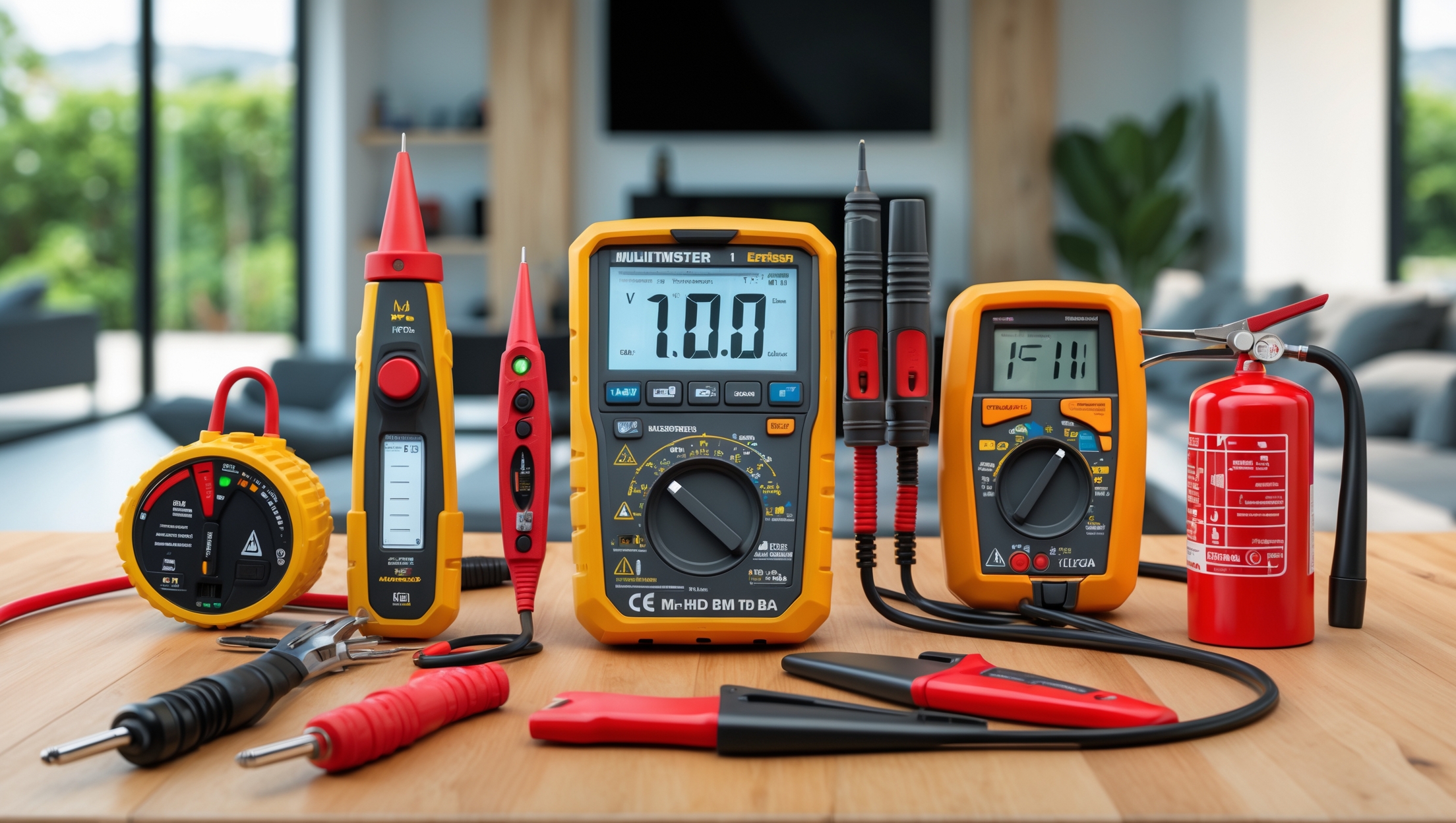
This simple, pen-style tool detects the presence of voltage in wires, outlets, and switches without direct contact. Before touching any wire, always verify it’s de-energized with a non-contact voltage tester. Look for models with audible and visual alerts for added clarity.
2. Digital Multimeter
A multimeter measures voltage, current, and resistance, helping you diagnose wiring issues, test batteries, or verify a circuit is dead. Choose one with automatic range selection and a sturdy, insulated casing for home use.
3. Circuit Breaker Finder
Locating the correct breaker can be confusing, especially in older homes with poorly labeled panels. A circuit breaker finder quickly identifies which breaker controls a specific outlet or fixture, preventing accidental power-ups while you’re working.
4. Ground Fault Circuit Interrupter (GFCI) Tester
GFCIs are designed to protect against electrical shock, particularly in kitchens, bathrooms, and outdoor areas. A GFCI tester plugs into outlets to confirm they’re correctly wired and functioning. This small gadget can alert you to life-threatening wiring errors.
5. Insulated Hand Tools
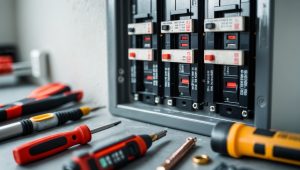
Insulated screwdrivers, pliers, and wire strippers are essential for any electrical project. These tools are rated to withstand up to 1000 volts and help prevent accidental shock if you inadvertently contact a live wire.
6. Outlet Tester
Plug-in outlet testers quickly check for common wiring problems like open grounds, reversed polarity, or open neutrals. Easy-to-read LEDs indicate wiring status instantly, letting you spot and fix issues before they become hazards.
7. Electrical Lockout/Tagout Kit
Accidentally restoring power while you’re working on a circuit can be deadly. A lockout/tagout kit securely locks breakers in the “off” position and tags the panel to alert others. This is a must for homes with multiple occupants or during multi-day projects.
8. Portable Fire Extinguisher (Class C)
Every home workshop should be equipped with a Class C fire extinguisher, which is rated for electrical fires. Mount it in an accessible spot and check it regularly; you hope never to use it, but it’s indispensable in an emergency.
Comparing Key Electrical Safety Gadgets: What to Look For
Not all safety gadgets are equal. Here’s what to consider when shopping for each type.
Voltage Testers: Features That Matter
- Voltage Range: Ensure it covers common residential voltages (110-240V).
- Alert Type: Audible and visible signals reduce misreads.
- Sensitivity: Some testers detect AC only, others both AC and DC—choose based on your needs.
- Build Quality: Look for rugged, drop-resistant models.
Multimeters: Choosing the Right Model
- Auto Ranging: Simplifies use for beginners.
- Backlit Display: Critical for dimly lit spaces like basements or attics.
- Safety Ratings: Look for CAT II or CAT III ratings for home use.
- Probe Quality: Insulated, flexible leads improve both safety and accuracy.
Outlet and GFCI Testers: Must-Have Functions
- Simple LED Indicators: Quick diagnosis at a glance.
- Integrated GFCI Test Button: Essential for bathrooms, kitchens, garages.
- Clear Legend: Ensure the tester’s key is easy to interpret.
Lockout/Tagout Kits: Safety First
- Compatibility: Confirm the kit fits your breaker panel style.
- Sturdy Locks: Metal locks are more secure than plastic.
- Weatherproof Tags: Durable tags won’t degrade on outdoor panels.
How to Use Electrical Safety Gadgets: Step-by-Step Guides
Using a Non-Contact Voltage Tester
- Test the tool on a known live outlet to verify function.
- Hold the tester near the wire or outlet—never touch with bare hands.
- If the tester lights up or beeps, the circuit is live; do not proceed until it’s de-energized.
- Always check again before touching wires, especially after flipping breakers.
Testing Outlets and GFCIs
- Insert the outlet tester into the socket; observe the LED pattern.
- Compare the LEDs to the tester’s legend to diagnose wiring faults.
- For GFCI outlets, press the test button to ensure the outlet shuts off.
- Reset the GFCI after testing.
Locking Out a Circuit Breaker
- Turn off the relevant circuit breaker.
- Attach the lockout device to the breaker handle.
- Secure with a padlock; add a tag with your name and the date.
- Only you should have the key while work is in progress.
Top Brands and Reliable Models Worth Considering
Choosing from reputable brands ensures your safety gear will perform when needed. Here are some leading options for each gadget:
- Non-Contact Voltage Testers: Klein Tools NCVT-2, Fluke 1AC II
- Digital Multimeters: Fluke 117, Klein Tools MM400
- Circuit Breaker Finders: Klein Tools ET300, Sperry Instruments CS61200
- Outlet/GFCI Testers: Southwire 40022S, Sperry Instruments GFI6302
- Insulated Tools: Wiha Insulated Screwdriver Set, Knipex Insulated Pliers
- Lockout/Tagout Kits: Brady 65649, Master Lock S1010
- Fire Extinguishers: Kidde Pro 210, First Alert PRO5
DIY Electrical Safety Checklist: Before You Start Any Project
- Read the manufacturer’s instructions for all tools and safety gadgets.
- Inspect all cords, plugs, and tools for wear or damage.
- Shut off power at the breaker and verify with a voltage tester.
- Use insulated tools only, even for minor adjustments.
- Keep a flashlight and your phone nearby for emergencies.
- Never work alone—have someone nearby who can assist in case of an accident.
- Wear rubber-soled shoes and avoid damp working conditions.
- Double-check outlet and GFCI function after completing your work.
- Keep your fire extinguisher within arm’s reach.
- Label and document any changes made to your home’s electrical panel.
Advanced Safety Gadgets for Serious DIY Enthusiasts
If you regularly tackle larger projects or want the ultimate in protection, consider upgrading with these advanced safety devices:
- Arc Fault Circuit Interrupter (AFCI) Tester: Detects arc faults that can cause fires, especially important in bedrooms and living spaces.
- Insulation Resistance Tester (Megger): For in-depth testing of wire insulation integrity, particularly in older homes.
- Thermal Imaging Camera: Identifies hot spots in electrical panels or outlets, revealing overloads or hidden faults before they cause damage.
- Surge Protector Tester: Ensures your surge strips and protectors are working correctly to shield electronics from voltage spikes.
Common Electrical Safety Myths—Debunked
- Myth: “If the switch is off, no electricity is present.”
Reality: Some outlets and wires remain live even if a switch is off. Always verify with a tester. - Myth: “Rubber gloves or shoes are enough protection.”
Reality: Only certified insulated tools and equipment provide reliable protection. - Myth: “Small shocks are harmless.”
Reality: Even minor shocks can cause injury or indicate a more serious problem.
Maintaining and Storing Your Electrical Safety Equipment
Proper maintenance ensures your safety gadgets work flawlessly when needed:
- Test voltage testers and multimeters on known live circuits before each use.
- Replace batteries in digital tools regularly.
- Store insulated tools in a dry, dust-free toolbox to prevent insulation breakdown.
- Inspect fire extinguishers monthly; replace or recharge as needed.
- Keep lockout/tagout kits together and accessible near your breaker panel.
Conclusion: Empowering Safer DIY Electrical Work
No home upgrade or repair is worth risking your safety. The right electrical safety gadgets—coupled with smart habits and a respect for the risks—are your most important tools on any project. By equipping your workshop with non-contact voltage testers, digital multimeters, GFCI and outlet testers, insulated hand tools, and other safety essentials, you dramatically reduce the chances of accidents and costly mistakes. Regularly inspecting and maintaining these gadgets further ensures they’ll perform when you need them most.
Remember, electrical work demands caution at every step. If you ever feel unsure or encounter unfamiliar wiring, it’s always best to consult a licensed electrician. But with a well-stocked toolkit and a solid understanding of safety practices, you can confidently tackle a wide range of repairs and upgrades, improving both your home and your DIY skills. Make electrical safety your top priority, and you’ll protect not just your property—but also the well-being of everyone who calls it home.

I’m about to try installing a new outlet in my older home, but I’m a bit concerned about the possibility of running into ungrounded outlets or outdated wiring like you mentioned. How can I check for these issues before I start, and what specific safety gadgets should I have on hand for this situation?
Before installing a new outlet, use a circuit tester or outlet tester to check if your existing outlets are properly grounded and wired. For older homes, a non-contact voltage tester can help you safely detect live wires. It’s also a good idea to have a GFCI outlet handy for bathrooms or kitchens, as these add extra protection. Always turn off the power at the breaker box before starting, and if you discover outdated wiring or a lack of grounding, consider consulting a licensed electrician for safety.
I noticed the article talks about overloaded circuits being a common hazard. Are there specific devices that monitor circuit loads in real time, or do I need to check each outlet individually when doing electrical upgrades?
You don’t have to check each outlet individually. There are real-time circuit load monitors available that you can install directly onto your electrical panel. These devices measure the load on each circuit and often provide app-based data, helping you spot potential overloads before they become hazards. This makes electrical upgrades much safer and more convenient.
You mention how improper wiring can damage sensitive electronics. Can you suggest any affordable surge protection devices or safety tips for DIYers who want to protect their home electronics while working on small electrical upgrades?
To protect your electronics, consider using surge protector power strips or plug-in surge suppressors, which are both affordable and easy to find at hardware stores. Always turn off the circuit at the breaker before starting any electrical work. Double-check your wiring with a voltage tester and avoid overloading outlets. These steps help prevent surges and accidental damage to your devices during upgrades.
Since electrical safety equipment can get pricey, are there any budget-friendly tools that still offer solid protection for basic home DIY electrical repairs, or are some essentials worth the investment no matter what?
There are definitely some affordable safety tools that can help with basic DIY electrical work, like non-contact voltage testers and insulated screwdrivers. These offer good protection without a big investment. However, essentials like high-quality gloves and a reliable circuit breaker finder are worth spending a bit more on, as they offer crucial protection and accuracy that really pay off in terms of safety.
You covered a lot of helpful safety gear, but I’m conscious of my budget as a small business owner. Are there a few essential electrical safety gadgets you’d recommend starting with for someone who’s just beginning to do their own repairs?
For those just starting out and mindful of costs, focus first on a reliable voltage tester, insulated gloves, and safety goggles. These basics help you check if wires are live, protect against shocks, and shield your eyes during repairs. You can always add more specialized gear as your needs and budget grow.
You mention that older homes can have hidden electrical hazards like outdated wiring and ungrounded outlets. Are there specific gadgets that are especially helpful for identifying these problems before starting a project?
Yes, there are several useful gadgets you can use to spot hidden electrical hazards. A non-contact voltage tester lets you check if wires or outlets are live without touching them. An outlet tester can quickly identify ungrounded or miswired outlets. For wiring issues behind walls, a circuit breaker finder or a wire tracer can help locate and map circuits. These tools are handy for finding problems before you begin any project.
You cite statistics about electrical fires caused by improper repairs. For someone on a budget, which essential electrical safety equipment would you suggest investing in first? Are there any affordable options that still meet basic safety standards?
If you’re on a budget, start with a reliable non-contact voltage tester; it’s inexpensive and helps you safely check if wires are live. A basic outlet tester is also very affordable and ensures your outlets are wired correctly. Look for products marked with safety certifications like UL or ETL to be sure they meet minimum safety standards. These two tools cover essential safety needs without costing much.
You mentioned that outdated wiring and ungrounded outlets are common hazards, especially in older homes. What are some reliable ways for a DIYer to identify these issues before starting a project, and are there affordable detection tools you recommend?
To spot outdated wiring, look for fabric or cloth insulation, knob-and-tube setups, or fuse boxes instead of modern breakers. For ungrounded outlets, plug in a simple outlet tester—these are affordable and can quickly identify missing grounds or wiring faults. Also, check for two-prong outlets, which usually means there’s no grounding. If you’re unsure, consider a non-contact voltage tester to safely check if wires are live. Always turn off power and use caution when inspecting electrical systems.
If I run into a situation where a previous repair was done poorly—like messy wiring or mismatched wires—what’s the safest way to troubleshoot before proceeding? Should I always call a professional at that point, or are there steps a DIYer can safely take?
If you notice messy wiring or mismatched wires from a previous repair, always start by turning off power at the breaker and double-checking with a voltage tester. Visually inspect for obvious hazards like exposed wires. If wires are hard to identify, or if the fix requires more than reconnecting loose connections and replacing covers, it’s safest to call a licensed electrician. Simple troubleshooting is fine, but complex or unclear situations are best left to professionals.
You mention that outdated wiring and overloaded circuits are common hazards in older homes. For small business owners who maintain their own properties, do you recommend any particular gadgets for quickly identifying these issues before starting a project?
For small business owners maintaining their own properties, a non-contact voltage tester is handy for quickly checking if wires are live, and a circuit analyzer can help identify overloaded or miswired outlets. An infrared thermometer can also spot hotspots in wiring that may indicate overloads. These tools are easy to use and can highlight potential hazards before you begin any electrical project.
You mention outdated wiring and overloaded circuits as common hazards in older homes. If someone isn’t sure how old their electrical system is, are there specific gadgets or tools that can help identify these hidden risks before starting a DIY project?
Absolutely, there are a few handy tools that can help spot risks. An outlet tester can check for wiring issues like open grounds or reversed polarity. A circuit breaker finder helps map circuits, which is useful if labels are missing. Non-contact voltage testers can reveal live wires. For overloaded circuits, plug-in energy monitors can show how much current devices are drawing, helping you avoid overloading. For deeper concerns, consider a home electrical inspection tool or consult a licensed electrician for peace of mind.
Seeing how overloaded circuits can lead to fires, do you have any practical tips or go-to devices for monitoring or preventing circuit overloads in an older house? I’m especially interested in something DIY-friendly that doesn’t require major electrical work.
To help prevent circuit overloads in an older home, consider using plug-in energy usage monitors that show how much current each appliance draws. You can also install smart outlet adapters with built-in overload protection, which automatically shut off if too much power is used. Another simple tip is to distribute high-wattage devices across multiple circuits and avoid plugging too many items into one outlet or power strip.
The article mentions older homes having hidden hazards like outdated wiring and ungrounded outlets. For someone living in a 1950s house, which specific safety gadgets should be prioritized to identify and deal with these issues before starting any DIY electrical work?
For a 1950s house, it’s wise to start with a non-contact voltage tester to safely check for live wires and a receptacle tester to identify ungrounded or miswired outlets. An outlet polarity tester can also help spot wiring errors. Additionally, consider a circuit breaker finder to accurately label circuits. If you suspect major issues, using a plug-in GFCI tester adds another layer of safety before beginning any projects.
The article talks a lot about preventing electrical accidents and fires, but if I do run into a situation where I accidentally touch a live wire, what immediate steps should I take to protect myself and minimize the risks?
If you accidentally touch a live wire, immediately let go if you can and move away from the source. Avoid touching anything with your bare hands, especially metal or wet surfaces. If you feel a shock, seek medical attention, even if you feel okay—electric shocks can cause internal injuries. Afterward, turn off the main power before investigating any issues, and always use insulated tools and gloves in the future for added safety.
I noticed you highlighted how overloaded circuits and ungrounded outlets are common hazards. Could you elaborate on which essential tools help DIYers identify overloaded circuits versus just regular usage?
To identify overloaded circuits, a clamp meter or an electrical usage monitor can be very helpful. A clamp meter lets you measure the current flowing through a circuit without disconnecting wires, revealing if you’re close to the circuit’s rated limit. Plug-in electrical usage monitors can track how much power specific appliances draw. By comparing these readings to the circuit’s capacity, DIYers can spot potential overloads instead of guessing based on regular usage.
For someone who has only ever done basic electrical work like changing light fixtures, what would be the best first piece of safety equipment to invest in before tackling something like installing a new outlet?
For your first step beyond basic projects, a non-contact voltage tester is an excellent investment. This tool lets you safely check if wires or outlets are live before you start working, helping you avoid accidental electric shocks. It’s simple to use and adds a vital layer of protection when you’re upgrading your DIY skills.
When troubleshooting faulty wiring as a DIYer, what kind of essential equipment should I invest in to avoid accidentally damaging my electronics or appliances? I’m not sure how to tell if a tool is safe for sensitive devices.
To protect sensitive electronics while troubleshooting wiring, invest in a quality digital multimeter with True RMS capability—these are accurate and safe for delicate devices. Choose insulated tools rated for home voltages. Look for voltage testers and circuit analyzers with clear safety certifications (like UL). To avoid static discharge, consider an anti-static wrist strap when handling electronics. Always check the tool’s specifications to confirm it’s suitable for low-voltage or sensitive circuits before use.
I see that investing in the right safety gadgets is key for preventing electrical fires and shock. Could you give some guidance on how to prioritize which tools to buy first if I’m working with a limited budget and mainly doing basic repairs like outlets and switches?
If you’re on a budget and mainly handling basic repairs like outlets and switches, start with a reliable voltage tester or non-contact voltage detector. This helps you confirm power is off before you work. Next, consider insulated screwdrivers to reduce shock risk. After that, invest in a good-quality outlet tester to check wiring safety. These essentials will cover most basic tasks and keep you safer.
If I run into a situation where a previous homeowner did some questionable DIY wiring, what are the recommended first steps for troubleshooting or correcting it before I attempt my own repairs?
If you find questionable DIY wiring, start by turning off the power to the area at the breaker box to prevent any risk of shock. Carefully inspect the wiring for obvious issues like loose connections, exposed wires, or non-standard color coding. Use a voltage tester to confirm circuits are de-energized. If anything looks unsafe or confusing, it’s safest to contact a licensed electrician before attempting any repairs yourself.
You highlighted the importance of having the right safety gadgets for electrical projects. For someone starting out and on a tight budget, which safety tools would you recommend prioritizing first, and are there any affordable options that still offer good protection?
For beginners on a budget, I suggest starting with insulated gloves, a basic non-contact voltage tester, and safety goggles. These offer essential protection against shocks and debris during most DIY electrical work. Many reputable brands offer quality testers and gloves at reasonable prices, so you don’t have to spend a lot to stay safe. Always check for certification labels when buying, even on affordable tools.
If you’re new to electrical projects and want to avoid shock or equipment damage, do you have any tips or a checklist of must-do safety tests before actually starting work? I’d love to hear how experienced DIYers double-check things before proceeding.
Before starting any electrical project, always turn off the power at the breaker and use a non-contact voltage tester to confirm the circuit is dead. Experienced DIYers suggest checking all wires, even if you think they’re not live. Inspect cords and tools for damage, and wear insulated gloves. Keep a fire extinguisher nearby and make sure you understand the wiring diagram before beginning. Double-checking these basics can help you avoid shocks and equipment issues.
I’m curious about the steps to take after identifying a potentially overloaded circuit, which the article listed as a major hazard. Should a DIYer attempt to address this on their own, or is this one of those situations where it’s always better to call a licensed electrician?
After spotting a potentially overloaded circuit, start by unplugging some devices from that circuit and avoid using high-wattage appliances together. While you can try to reduce the load yourself, diagnosing or fixing wiring or breaker issues should be left to a licensed electrician. Overloads can signal deeper electrical problems that require professional expertise to ensure safety.
The guide talks about the importance of understanding and using the right tools to reduce risk. If I’m troubleshooting a faulty outlet myself for the first time, what’s the safest step-by-step approach I should follow to minimize the chance of shock or fire?
To safely troubleshoot a faulty outlet, start by turning off power to the circuit at your breaker box. Double-check the outlet with a non-contact voltage tester to ensure it’s not live. Remove the outlet cover carefully, inspect for visible damage or loose wires without touching anything, and only proceed if everything looks safe. If you need to work on the wiring, use insulated tools and avoid touching metal parts. If anything looks burnt or you’re unsure, it’s best to call a licensed electrician.
Can you recommend any affordable but reliable brands or models for voltage testers or circuit finders for a business owner on a tight budget? I want to make sure I’m protecting myself and my equipment without overspending.
For affordable and reliable voltage testers, Klein Tools and Southwire both offer models that are accurate and durable without breaking the bank. The Klein Tools NCVT-1 is a popular choice. For circuit finders, the Sperry Instruments CS550A is budget-friendly and dependable. These brands are trusted in the industry and should help you stay safe while keeping costs down.
I’m new to electrical DIY and want to avoid causing equipment damage. Are there must-have tools that can help me double-check my connections before turning the power back on?
Absolutely, having the right tools can make a big difference in safety and preventing damage. A non-contact voltage tester lets you check if wires are live without touching them, and a digital multimeter can measure voltage, continuity, and resistance to verify your connections. Both are user-friendly and ideal for double-checking your work before restoring power.
Since electrical failures are a leading cause of home fires, are there budget-friendly safety tools that provide the most protection for DIYers who only do occasional repairs or upgrades?
Absolutely, there are several affordable safety tools that can make a big difference for DIYers. A basic non-contact voltage tester lets you safely check if wires or outlets are live. Circuit breaker finders and outlet testers are also inexpensive and help you avoid accidental shocks. Additionally, using surge protectors and keeping a fire extinguisher rated for electrical fires nearby adds another layer of protection, all without a big investment.
You mentioned that using the right safety tools can help prevent injuries and even house fires. For someone just starting out with DIY electrical fixes, which specific safety gadgets do you recommend as absolutely essential for a small budget?
For beginners on a tight budget, the most essential safety gadgets are a non-contact voltage tester to check for live wires, insulated screwdrivers to prevent accidental shocks, and a basic pair of electrical gloves. A plug-in outlet tester is also helpful for quickly spotting wiring issues. These basics will cover most small DIY electrical projects and greatly reduce your risk of accidents.
When it comes to essential electrical safety gadgets, are there tools that offer both safety and convenience for someone who only does occasional DIY work? I’m curious about which equipment provides the best balance for non-professionals.
For occasional DIYers, consider investing in a non-contact voltage tester and a circuit breaker finder. Both tools are easy to use and offer great safety by helping you detect live wires and identify circuit connections before you start work. A GFCI outlet tester is another convenient option to quickly check if your outlets are properly grounded. These gadgets provide peace of mind without requiring professional-level experience.
When choosing between different electrical safety gadgets, are there any must-haves for someone just starting out with basic DIY projects like replacing switches or outlets, or is it better to invest in a full set right away?
For basic DIY projects like replacing switches or outlets, start with a few essential safety gadgets: a non-contact voltage tester to check wires for live electricity, an insulated screwdriver, and safety gloves. You don’t need a full set of tools right away. As you take on more advanced tasks, you can gradually add to your safety equipment collection.
If I’m just swapping out a light fixture but I suspect my home has overloaded circuits, what equipment should I invest in first to make sure I’m actually doing things safely?
If you’re concerned about overloaded circuits, start by getting a reliable circuit tester or voltage tester to check if a circuit is live before you work. An outlet analyzer is also useful to detect wiring issues. For ongoing safety, consider a clamp meter—it measures current draw from circuits and can help spot overloads. Always shut off power at the breaker before swapping fixtures, and if you see signs of overload like tripped breakers or warm outlets, consult a licensed electrician.
The article highlights the importance of recognizing outdated wiring and ungrounded outlets. Could you explain how a DIYer can safely determine if their outlets are properly grounded, and is there specific equipment recommended for this test?
To safely check if your outlets are grounded, you can use a simple outlet tester, which plugs into the outlet and indicates common wiring issues, including lack of grounding. For a more precise test, a multimeter can be used to measure voltage between the outlet’s neutral and ground slots. Always ensure the power is on, but do not open the outlet cover unless you’re confident about electrical safety. Outlet testers are affordable and widely available at hardware stores.
The article mentions that older homes often have hidden electrical hazards like outdated wiring and overloaded circuits. How can a DIYer without a lot of experience identify these kinds of issues before starting a project?
If you’re not experienced, start by looking for telltale signs like flickering lights, frequently tripped breakers, warm or discolored outlets, and buzzing sounds from switches. Check the type of wiring if possible—cloth-covered or aluminum wiring can signal age. Before starting any project, consider using a circuit tester to check outlets, and don’t hesitate to consult a licensed electrician for a thorough inspection if anything seems questionable.
When it comes to basic projects like swapping a light fixture or installing a new outlet, what are the top electrical safety gadgets you would recommend for someone just starting out and on a budget?
For basic DIY electrical projects, a non-contact voltage tester is a must-have—it lets you safely check if wires are live before you start working. A circuit breaker finder is also helpful for identifying which breaker controls a circuit. Insulated screwdrivers and a good pair of wire strippers are both affordable and essential for safety. Always remember to turn off the power at the breaker panel before starting any project.
The article talks about overloaded circuits and improper connections as causes of electrical fires. Are there specific gadgets on the market that can help me quickly test for these problems before I risk damaging equipment during a DIY project?
Yes, there are several gadgets designed for this purpose. A circuit analyzer can quickly check outlets for wiring issues and improper connections. For overloaded circuits, a clamp meter can measure current flow so you know if you’re approaching the circuit’s limit. Both are widely available at hardware stores and are easy for DIYers to use for added safety before starting any electrical project.
You mentioned that older homes often have hidden electrical hazards like outdated wiring or ungrounded outlets. How can I tell if my home’s wiring is too old or unsafe before I start any electrical DIY projects?
To check if your home’s wiring may be outdated or unsafe, look for signs like fabric or rubber-coated wires, two-prong outlets (instead of three-prong), flickering lights, frequent blown fuses, or warm switch plates. If your home was built before the 1970s and hasn’t been rewired, it’s wise to have a licensed electrician inspect the system before you begin any electrical DIY work, as hidden problems can be dangerous.
I noticed the article points out that older homes often have outdated wiring and ungrounded outlets. For someone living in a house built before the 1970s, what specific safety gadgets would you recommend prioritizing before attempting any DIY electrical work?
For homes built before the 1970s, it’s wise to use a non-contact voltage tester and an outlet tester to check for live wires and proper grounding. Also, consider using plug-in GFCI adapters for extra protection against shocks, especially in kitchens and bathrooms. Investing in a surge protector is another good step. These gadgets help you spot potential hazards and add a layer of safety before starting any DIY electrical projects.
With electrical fires being a major risk, do you have any tips on how DIYers can tell if their home’s circuits are overloaded, and are there affordable tools for ongoing monitoring to prevent potential problems?
DIYers can watch for warning signs like frequently tripped breakers, flickering lights, or warm outlets, which may indicate overloaded circuits. For ongoing monitoring, affordable plug-in energy meters and smart circuit monitors are available at hardware stores. These tools track usage and alert you to unusual spikes, helping you spot issues before they become hazards.
I saw you covered the risks of swapping out light fixtures and installing new outlets. For someone just starting with these projects, what are the basic safety gadgets you’d recommend buying first, especially if I’m on a tight budget?
For basic electrical DIY projects, it’s wise to start with an inexpensive non-contact voltage tester to check for live wires before touching anything. A reliable circuit breaker finder can also help, but if your budget is tight, a simple outlet tester is very useful for verifying wiring. Always use insulated screwdrivers, and a pair of safety glasses is essential for eye protection. These essentials will help keep your first projects safe without spending too much.
After reading about the risks of live wires and short circuits when replacing switches or outlets, I’m wondering how long I should wait after turning off the power before it’s actually safe to start my work. Are there best practices for double-checking that the power is really off?
Once you turn off the circuit breaker, you can begin work immediately, as it instantly cuts the power. However, always double-check that the power is truly off before touching any wires. Use a non-contact voltage tester or a multimeter on the wires you’ll work with—even after the breaker is off—to confirm there’s no electricity present. This step is essential for safety.
Do you have any recommendations for specific brands or models of electrical safety gadgets that are particularly reliable for DIYers, especially when working in older homes with outdated wiring?
For working in older homes, a reliable non-contact voltage tester is invaluable—Klein Tools NCVT-2P or Fluke 1AC II are both solid choices. For GFCI outlet testers, the Southwire 40150N is dependable. If you need a multimeter, the Klein Tools MM400 balances durability with accuracy. These brands are known for reliability and safety, making them great for DIYers dealing with a variety of wiring conditions.
You talked about overloaded circuits being a common issue, so I’m curious which safety gadgets can help prevent this when adding new outlets or light fixtures. Are there any affordable tools a beginner can use to avoid overloading circuits accidentally?
To help prevent overloaded circuits when adding new outlets or fixtures, consider using a circuit breaker finder and a plug-in circuit load tester. These gadgets let you identify which breaker controls each outlet and check how much load is already on the circuit. Both are affordable and beginner-friendly. Additionally, keeping a simple log of what’s connected to each circuit can help you stay within safe limits.
The article mentions that older homes often have hidden electrical hazards like outdated wiring and ungrounded outlets. For someone living in an older house, what are the safest first steps you’d recommend before attempting any DIY electrical work?
Before starting any DIY electrical work in an older home, it’s safest to have a licensed electrician inspect your wiring and outlets to identify outdated or unsafe components. Make sure the main power is off before any work, and use a voltage tester to double-check. If you find ungrounded outlets or cloth-covered wires, avoid DIY repairs and seek professional help, as these can pose serious hazards.
I’m interested in improving electrical safety without spending a ton. Are there any budget-friendly tools or equipment that offer a big impact for basic DIY projects, especially for someone new to electrical work?
Absolutely, there are several affordable tools that can greatly improve electrical safety for beginners. A basic non-contact voltage tester is very budget-friendly and helps you quickly check if wires are live without touching them. Insulated screwdrivers are also a smart, low-cost investment for safer handling of electrical components. A simple outlet tester can help you verify proper wiring in outlets. These tools are easy to use and provide reliable protection for DIY electrical work.
If electrical failures are such a leading cause of home fires, do you have advice on how frequently I should inspect the outlets and cords in my house? Is this something I should do after every project, or on a regular maintenance schedule?
It’s smart to regularly check your outlets and cords for signs of wear, damage, or overheating. A good routine is to inspect them every six months as part of your home maintenance. However, after any major DIY electrical project, it’s wise to double-check all related outlets and cords to ensure nothing was accidentally compromised during the work.
You mentioned that outdated wiring and overloaded circuits are common hazards, especially in older homes. Are there any specific gadgets or testers you’d recommend for quickly identifying these problems before starting a DIY electrical project?
Absolutely, there are a few handy tools that can help you spot issues. A circuit tester or outlet tester will let you check if outlets are wired properly and grounded. A non-contact voltage tester helps you safely detect live wires. For overloaded circuits, an energy usage monitor can show if an outlet is drawing too much power. If you suspect old or faulty wiring, a multimeter can measure voltage and continuity. Always double-check any findings and consider a professional inspection for more serious concerns.
You mentioned outdated wiring and overloaded circuits as common issues in older homes. How can I tell if my house has these problems before starting a DIY electrical project?
To spot outdated wiring, check for cloth-covered wires, fuse boxes instead of circuit breakers, or ungrounded outlets (two-prong rather than three-prong). Signs of overloaded circuits include frequent breaker trips, flickering lights, warm outlet covers, or buzzing from switches. If you notice any of these, consider having a licensed electrician inspect your system before beginning DIY work to ensure your safety.
When it comes to overloaded circuits, are there specific gadgets DIYers should install permanently to help prevent future hazards, or is using temporary testers enough for most small home upgrades?
For preventing hazards from overloaded circuits, it’s best to install permanent safety devices like circuit breakers with overload protection or arc-fault circuit interrupters (AFCIs), rather than relying on temporary testers. Temporary testers are great for diagnosing issues during upgrades, but permanent devices actively protect your home by stopping dangerous overloads and electrical faults as they happen.
the article highlighting dangers with older homes. When dealing with outdated wiring or ungrounded outlets, are there specific safety gadgets beginners should prioritize over others to minimize risk before calling in a professional?
When handling outdated wiring or ungrounded outlets, beginners should first use a non-contact voltage tester to check for live wires safely. Plug-in outlet testers are also essential for spotting wiring issues like open grounds. Surge protectors can add a layer of safety for your devices, but these tools are for basic checks only. Avoid any repairs yourself and call a licensed electrician if you find problems.
With statistics showing electrical failures are a leading cause of home fires, are there affordable safety equipment options that offer solid protection without needing a huge investment? Any recommendations for the most important items on a tight budget?
Absolutely, there are several budget-friendly gadgets that can greatly improve your home’s electrical safety. Start with basic but essential items like outlet covers, surge protectors, and affordable smoke alarms—these are inexpensive and very effective. Consider adding a plug-in ground fault circuit interrupter (GFCI) for extra protection, especially in kitchens and bathrooms. Regularly checking cords for damage and not overloading outlets are free but important habits, too.
If I run into a situation where I think my outlets might be overloaded or not grounded properly, what are the first troubleshooting steps I should take before calling in an electrician?
If you suspect your outlets are overloaded, unplug some devices and see if that helps. For grounding concerns, use an inexpensive outlet tester—these plug in and show if wiring problems exist. Check for signs of trouble like warm outlets, buzzing sounds, or tripped breakers. If anything seems unsafe or confusing, it’s wise to turn off power at the breaker and consult a professional.
You mention that outdated wiring and poorly executed previous repairs are common hazards in older homes. What specific gadgets or testers would you recommend to help a DIYer easily identify these hidden issues before starting a project?
To spot hidden electrical issues in older homes, a few key gadgets can help. A non-contact voltage tester lets you safely check if wires are live. A receptacle tester reveals problems like open grounds or reversed wiring in outlets. For a deeper check, a circuit analyzer can highlight wiring errors and voltage drops. If you suspect outdated wiring, a continuity tester can help trace and verify wiring paths. These tools provide a good starting point before you dig into any DIY project.
With so many safety tools available, what would you consider the absolute bare minimum equipment a DIYer should invest in if they’re on a tight budget but want to avoid the most common accidents you described?
For basic home electrical safety on a tight budget, I recommend starting with insulated screwdrivers, a reliable non-contact voltage tester, and protective gloves. These three items help you avoid the most common risks like accidental shocks and short circuits. Always turn off the power at the breaker before working, and double-check with your tester before touching any wires.
When it comes to essential safety equipment, which tools would you suggest are non-negotiable for someone who’s just starting out and only tackling small projects like replacing switches or outlets?
For small DIY electrical tasks like replacing switches or outlets, you should always have a non-contact voltage tester to confirm circuits are off before you begin. Insulated screwdrivers are also essential to reduce shock risk. A good wire stripper and a sturdy pair of lineman’s pliers will help you work safely and efficiently. And never skip using safety glasses to protect your eyes from debris.
You mentioned that incorrect wiring can ruin electronics and lead to fires. For someone on a tight budget, what are the most essential pieces of electrical safety equipment you would prioritize buying first for basic DIY jobs?
For basic DIY electrical work on a budget, I’d prioritize a non-contact voltage tester to safely check if circuits are live, a reliable circuit breaker finder to identify which breaker controls which outlet, and an outlet tester to check for wiring issues. These are affordable, easy to use, and help prevent the most common mistakes that can lead to damage or hazards.
The article talks about investing in essential gadgets for electrical safety. Could you include a list of the most budget-friendly safety tools that still offer good protection for beginners?
Certainly! For beginners on a budget, some of the most cost-effective electrical safety tools are: a basic non-contact voltage tester, insulated screwdriver set, electrical outlet covers, compact circuit breaker finder, and rubber-soled safety gloves. These tools provide solid protection for most home DIY projects without a big investment, making them smart choices for those just starting out.
If someone is new to DIY electrical work, what would you say are the absolute minimum safety tools they should invest in to handle basic tasks like swapping out a light fixture or installing a new outlet safely?
For anyone new to DIY electrical work, the essentials are a non-contact voltage tester to confirm wires are de-energized, insulated screwdrivers for safe handling, and safety glasses to protect your eyes. A pair of wire strippers is also very useful. These basics will help you swap light fixtures or outlets safely and with more confidence.
I’m interested in the section about equipment damage due to incorrect wiring. Are there any specific safety tools that can help prevent accidental damage to electronics when I’m installing a new outlet or switch?
Yes, there are a few key safety tools you can use to help prevent accidental damage to electronics during outlet or switch installation. A non-contact voltage tester lets you confirm that the power is off before you start working. Using a circuit tester after installation helps ensure you’ve wired things correctly. Additionally, a surge protector can safeguard any sensitive electronics from unexpected voltage spikes while you’re working.
I see that improper connections can cause both fires and equipment damage. Could you explain which tools are most effective in verifying a secure connection after a repair, and how a DIYer can confirm everything is safely installed?
To verify secure electrical connections after a repair, a voltage tester or multimeter is very effective—they help check for proper voltage and detect live wires. For outlets, a receptacle tester ensures correct wiring. After tightening all connections, confirm there are no exposed wires and that everything fits snugly. Power on the circuit, test devices, and inspect for unusual heat or sparks. If unsure, consult a licensed electrician.
The article says improper connections or overloads can spark fires, especially in walls or outlets. When troubleshooting faulty wiring, how can I tell if previous repairs in my home were botched? Are there warning signs or easy tests a DIYer should look for before starting a project?
To spot signs of previous poor repairs, look for mismatched wires, loose outlets, scorch marks, melted insulation, or electrical tape instead of proper connectors. Flickering lights, frequent breaker trips, or outlets that are warm to the touch are also red flags. Before starting your project, use a voltage tester to check for live wires and make sure all connections are secure and properly insulated. If anything looks unsafe or confusing, it’s best to consult a licensed electrician.
I’m curious about practical tips for identifying circuit overloads mentioned in the article. Are there warning signs DIYers should watch for in their homes, or do you suggest investing in a particular type of equipment to test for this?
DIYers can watch for warning signs of circuit overloads like frequently tripped breakers, flickering lights, buzzing outlets, or warm wall plates. If you notice any of these, it’s a good idea to pause and assess your electrical usage. For extra reassurance, investing in a circuit analyzer or an outlet tester helps identify overloads and other wiring issues quickly and safely.
You mentioned that older homes often have hidden electrical hazards like outdated wiring and ungrounded outlets. What’s the safest way for someone without a lot of experience to identify these issues before starting a DIY project?
If you don’t have much electrical experience, the safest approach is to start with simple checks. Use a plug-in outlet tester to check for ungrounded or miswired outlets. Look for signs like old two-prong outlets, frayed wires, or frequently tripping breakers. For anything you’re unsure about or if you see warning signs, it’s best to have a licensed electrician do a thorough inspection before you begin your DIY project.
For someone on a tight budget just getting started with electrical DIY, which essential safety gadgets would you prioritize purchasing first to tackle basic tasks like swapping out light fixtures or outlets?
If you’re just starting out and need to keep costs down, prioritize getting a reliable voltage tester or non-contact voltage detector to check if wires are live before working. Also, invest in insulated screwdrivers for extra protection, and a pair of safety glasses to shield your eyes from debris. These basics will cover the most immediate safety needs for simple jobs like swapping fixtures or outlets.
If I’ve never worked with electrical wiring before, are there specific warning signs I should look out for that would mean I should call a professional instead of continuing with a DIY project?
Absolutely, there are several signs that indicate it’s safer to call a professional. If you notice frequent circuit breaker trips, flickering lights, burning smells, buzzing sounds from outlets, discolored or hot outlets and switches, or see exposed wires, it’s best to stop immediately. These can signal serious electrical problems that require expert attention to avoid fire or injury.
Regarding the equipment you recommend, do you have suggestions for budget-friendly options that still provide adequate protection for basic projects like replacing outlets or light fixtures? There seems to be a huge range in price and features out there.
For basic projects like replacing outlets or light fixtures, you don’t need to splurge on top-tier brands. Look for a simple non-contact voltage tester, which is often available for under $15, and a reliable insulated screwdriver set. An affordable plug-in outlet tester is also useful for checking wiring. These budget-friendly tools offer solid protection for most DIY electrical tasks without unnecessary extra features.
If I’m planning to replace several old outlets and switches myself, are there any practical tips for spotting warning signs of overloaded circuits or hidden wiring issues before I even open up the wall plates?
Absolutely, before removing any wall plates, pay attention to warning signs like warm or discolored outlets and switches, frequent tripped breakers, flickering lights, or outlets that spark when you plug something in. Listen for buzzing sounds and notice if any plugs fit loosely. These clues can point to overloaded circuits or wiring issues. If you spot any of these, consider consulting a licensed electrician before proceeding.
After reading about shock and fire risks, I’m curious how to actually identify overloaded circuits in my home. Is there a particular tool or technique you recommend for beginners to spot potential overloads before starting DIY electrical repairs?
A simple way to spot overloaded circuits is by using a plug-in circuit analyzer or a clamp meter, both of which are beginner-friendly. These tools can help you measure the current draw on different circuits. Also, pay attention to signs like frequently tripped breakers, warm outlets, or dimming lights. Always switch off power before inspecting or working on wiring.
Given that electrical fires are a leading cause of home incidents, how frequently should homeowners use these safety tools to check their wiring or outlets, and are there routine maintenance steps you recommend to prevent unseen hazards from developing?
It’s a good idea to use electrical safety tools like outlet testers or voltage detectors every few months, especially in older homes or after any heavy appliance use. Additionally, check outlets and cords for signs of wear or discoloration regularly. For routine maintenance, make sure circuit breakers are labeled, avoid overloading outlets, and have a licensed electrician inspect your system every few years to catch issues you might miss.
If I want to safely replace a light switch for the first time, what practical steps and tools should I use to make sure I’m not exposed to live wires? The article mentions recognizing the risks, but I’m not sure how to spot them in real life.
To safely replace a light switch, first turn off the power at your circuit breaker and double-check with a non-contact voltage tester to ensure there’s no electricity at the switch. Wear insulated gloves for extra safety. Remove the switch cover and test all wires again before touching anything. Always keep track of wire positions and use tools with insulated handles. If anything seems confusing or you’re unsure, consider consulting a licensed electrician.
I’m always a bit nervous about accidentally damaging electronics while doing minor electrical upgrades. Are there any budget-friendly safety tools or techniques you suggest to specifically protect sensitive devices during DIY electrical work?
To protect sensitive electronics during DIY electrical work, consider using surge protectors and plug-in outlet testers, which are both affordable. Always turn off power at the breaker before starting work, and unplug any devices nearby. Using a multimeter to double-check circuits before reconnecting power can also help prevent accidental damage.
As a small business owner managing an older building, I’m particularly worried about outdated wiring and overloaded circuits mentioned here. Are there any specific gadgets you recommend for quickly identifying these hazards before starting a DIY project?
For your situation, a few key gadgets can help. A circuit breaker finder helps trace and label circuits in older wiring. An outlet tester can quickly check for wiring faults at sockets. For overloaded circuits, using a clamp meter to measure current draw is very effective. These tools allow you to spot issues before beginning any DIY work, keeping your building safer.
I’m planning on installing a new outlet myself, and I noticed you highlighted the dangers of shock and fire from improper connections. Are there specific safety gadgets you’d recommend for beginners to avoid these kinds of accidents while working on outlets?
To minimize the risks when installing an outlet, consider using a non-contact voltage tester to ensure wires are de-energized before you touch them. An insulated screwdriver set and electrical gloves provide extra protection against electric shock. Also, a circuit breaker finder helps you confirm that you’ve turned off the correct breaker. Always double-check your connections with an outlet tester after installation to confirm everything is wired safely.
Your article mentions that older homes often have outdated wiring and ungrounded outlets. For a small business owner in an older property, what’s the safest way to identify hidden electrical hazards before starting even a minor DIY project?
For a small business in an older property, hiring a licensed electrician to perform a thorough inspection is the safest way to uncover hidden electrical hazards. They can check for outdated wiring, ungrounded outlets, and overloaded circuits. Using outlet testers and circuit analyzers yourself can help spot obvious issues, but a professional assessment ensures nothing is overlooked before you begin any DIY work.
When it comes to tools that help prevent shock or electrocution, are there budget-friendly options that still provide good protection, or do you really need to invest in top-of-the-line gadgets for basic safety?
You don’t have to buy the most expensive gadgets to stay safe. Budget-friendly tools like non-contact voltage testers, insulated screwdrivers, and basic circuit breakers offer reliable protection if they meet safety standards, such as UL or CE certifications. Always check for these certifications and follow safety instructions. For most DIY tasks, these affordable options provide good basic protection.
I noticed the article talks about electrical failures being a major cause of home fires. If I’m replacing a light fixture for the first time, what are the top three safety steps or pieces of equipment you’d suggest so I avoid dangerous mistakes?
When replacing a light fixture, first turn off the power at the circuit breaker to prevent shocks. Second, use a non-contact voltage tester to double-check that wires are not live before touching them. Third, have insulated tools (like screwdrivers with rubber handles) to reduce the risk of accidental electrical contact. These steps and tools will help keep your project safe.
You mentioned that even swapping out a light fixture can expose you to live wires or short circuits. Are there any specific tools or gadgets you recommend for safely testing wires before starting a simple project like this, especially in older homes?
Absolutely, before working on any electrical project, it’s important to use a non-contact voltage tester or a multimeter to check for live wires. Non-contact voltage testers are especially useful—they let you detect voltage just by holding the device near wires or outlets. For older homes, where wiring can be unpredictable, double-check each wire even if you believe power is off. Make sure your tester is rated for the voltage in your home and always follow the manufacturer’s instructions.
You mentioned overloaded circuits as a common hazard, especially in older homes. Are there specific gadgets or testers recommended for DIYers to quickly identify if their circuits are approaching unsafe loads before they start a project?
Yes, there are handy devices DIYers can use to check circuit loads. A plug-in circuit load tester or a power meter allows you to see how much current a device or group of devices is drawing from an outlet. You can also use a clamp meter around individual wires in the breaker box to measure amperage. These tools help you ensure you’re not nearing the circuit’s maximum safe load before starting your project.
You mention overloaded circuits as a common hazard. When adding new outlets or swapping light fixtures, how can a DIYer tell if a circuit is already at capacity? Is there a beginner-friendly tool to help track how much load is on a circuit?
To check if a circuit is at capacity, first add up the wattage of all devices on that circuit and compare it to the circuit’s amp rating (usually 15 or 20 amps). For a beginner-friendly tool, consider using a plug-in energy monitor. You can plug appliances into it to measure their draw. For a more comprehensive view, a clamp meter can measure current on a wire, but use caution and turn off power before attaching it. Always stay within 80% of a circuit’s maximum load for safety.
You mention that older homes often have ungrounded outlets or outdated wiring. What are some telltale signs a DIYer should look for before starting a project, and are there specific gadgets that can help quickly identify these hidden hazards?
Look for two-prong outlets (instead of three-prong), flickering lights, warm or discolored outlet covers, and frequent blown fuses as signs of outdated wiring. To quickly check for hazards, use a circuit tester or outlet tester to find ungrounded outlets and wiring faults. A non-contact voltage tester is also helpful for safely detecting live wires behind walls or fixtures before you start any electrical work.
I’m a first-time DIYer and I want to swap out a light fixture, but I’m worried about accidentally touching live wires. Can you recommend the safest gadgets or steps I should use to make sure the power is really off before I start working?
To ensure your safety before swapping out a light fixture, use a non-contact voltage tester—this gadget lets you check if wires are live without touching them. Before starting, switch off the circuit breaker for that fixture, and always test the wires with the voltage tester to confirm they’re not carrying electricity. Wearing insulated gloves and using insulated tools can add an extra layer of protection.