
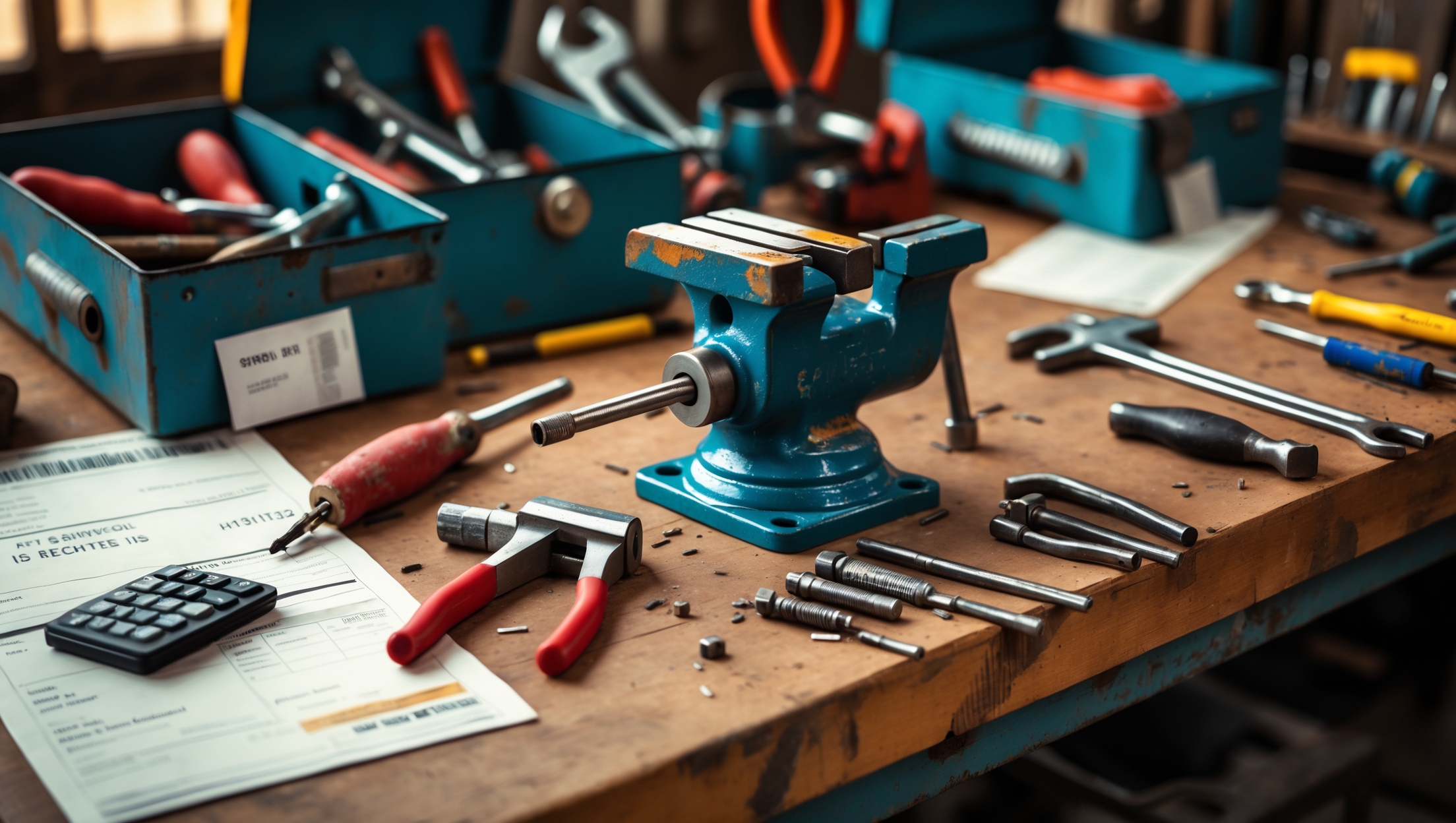
Introduction: The Overlooked Costs in DIY Home Repairs
DIY home repairs can be immensely satisfying—not just for the sense of accomplishment but also for the potential savings over hiring professionals. However, many DIYers focus solely on the upfront price of tools and materials, overlooking hidden costs that accumulate over time. From gradual tool wear and unexpected replacements to maintenance expenses and smart budgeting practices, understanding the full financial picture is crucial for successful, sustainable DIY projects. Whether you’re new to home repairs or a seasoned enthusiast, factoring in tool longevity and hidden expenses can help you avoid budget surprises, make smarter purchases, and ultimately save more money. In this guide, we’ll break down the real costs of DIY home repairs beyond the checkout counter, detail how to budget for ongoing tool needs, and offer actionable tips to maximize the value of every dollar you invest in your toolkit.
Understanding Tool Longevity: How Long Should Your Equipment Last?
What Affects Tool Lifespan?
Tool longevity depends on a variety of factors, including build quality, frequency of use, maintenance habits, and storage conditions. Here’s how each element impacts the lifespan of your equipment:
- Build Quality: Professional-grade tools often last significantly longer than budget options due to superior materials and construction.
- Frequency of Use: Daily use wears tools faster than occasional weekend projects. High-use tools may require replacement every few years.
- Maintenance: Regular cleaning, lubrication, and calibration can extend tool life, while neglect leads to premature failure.
- Storage: Tools stored in dry, organized environments tend to outlast those left in damp, cluttered spaces.
Average Lifespans of Common DIY Tools
- Hand Tools (Hammers, Screwdrivers, Pliers): 10–20 years if maintained properly.
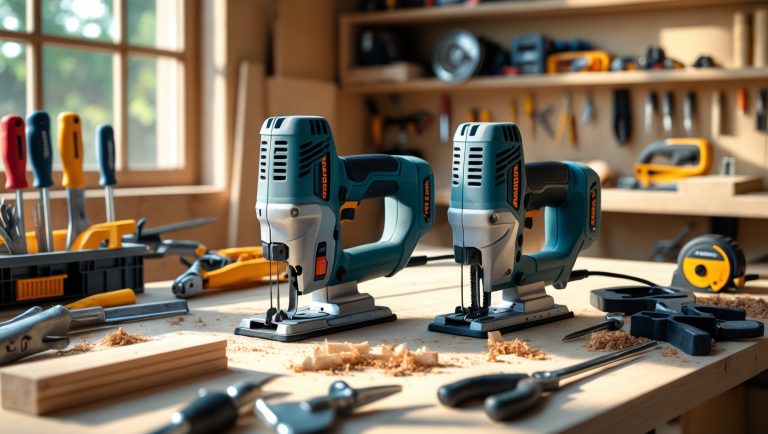
- Power Tools (Drills, Saws): 3–8 years, depending on use and brand.
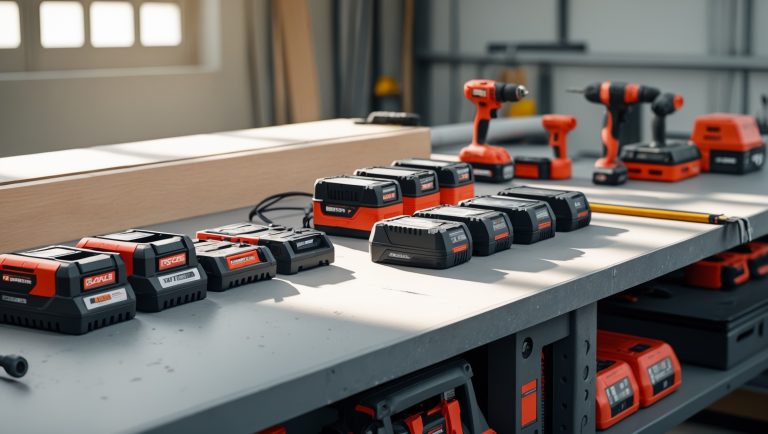
- Batteries (Cordless Tools): 2–5 years; replacement cost should be factored in.
- Measuring Tools (Tape Measures, Levels): 5–10 years; digital models may need earlier replacement due to electronic failures.
Understanding these averages helps you plan and budget for eventual replacements, avoiding surprise expenses mid-project.
The True Cost of Tool Ownership
Initial Purchase vs. Lifetime Value
While the initial sticker price is important, it’s just one part of the total cost. Consider:
- Replacement Cycles: Frequent tool replacement can erode DIY savings.
- Consumables: Blades, drill bits, sanding pads, and batteries need regular replenishment.
- Maintenance Supplies: Lubricants, cleaning agents, replacement parts (brushes, cords, switches).
- Storage Solutions: Toolboxes, wall racks, or cabinets to protect your investments.
Creating a running tally of these ongoing costs provides a realistic view of how much your toolkit truly costs over time.
Case Study: Cordless Drill Ownership Over 5 Years
- Initial Drill Cost: $120
- Spare Battery: $45 (replaced once)
- Bits and Accessories: $60 over five years
- Maintenance Supplies: $15
- Total Five-Year Cost: $240
In this example, the hidden costs nearly double the initial investment. Multiply this across your entire toolkit, and it’s easy to see why budgeting for replacements is essential.
How to Track Tool Wear and Replacement Needs
Signs Your Tools Need Replacing
Watch for these indicators to avoid safety issues and subpar results:
- Fraying power cords or loose plugs
- Worn-out grips, cracked handles, or bent shafts
- Motor overheating or excessive noise
- Inconsistent performance or visible rust
- Dull blades or tips that resist sharpening
Replacing tools at the right time prevents accidents and ensures efficient work.
Setting Up a Tool Replacement Log
- Digital Spreadsheets: Track purchase dates, costs, maintenance, and expected replacement intervals.
- Maintenance Apps: Some apps (like Sortly or Asset Panda) help catalog tools and send maintenance reminders.
- Manual Records: A simple notebook in your workshop can work if you prefer analog solutions.
Review your log every six months to anticipate upcoming replacements and budget accordingly.
Smart Budgeting for Tool Purchases and Replacements
Estimating Annual Tool Expenses
To avoid surprise costs, estimate your annual tool budget by considering:
- Replacement schedule for high-use tools
- Consumable usage based on project frequency
- Planned upgrades or expansions for your toolkit
- Unexpected repairs (allow a 10–20% buffer)
Spreading these costs out as a monthly expense can make them easier to manage alongside other household budgets.
Prioritizing Purchases: Quality vs. Quantity
Avoid the temptation to buy large, inexpensive tool sets with questionable durability. Instead:
- Invest in high-quality tools for items used most frequently (drills, wrenches, saws).
- Opt for mid-range or basic versions of specialty tools used occasionally.
- Borrow or rent rarely used equipment (floor sanders, tile cutters) to avoid unnecessary purchases.
This approach maximizes your budget and reduces replacement frequency.
Cost-Saving Tips: Maximizing Tool Life and Value
Routine Maintenance Practices
- Clean tools thoroughly after each use—remove dust, debris, and moisture.
- Oil moving parts (hinges, blades, gears) as recommended by the manufacturer.
- Sharpen cutting edges regularly to reduce strain and wear.
- Store tools in dry, temperature-controlled spaces to prevent rust and corrosion.
Setting up a maintenance schedule (monthly or quarterly) extends tool life and improves safety.
When to Repair vs. Replace
- If repair costs approach 50% of replacement price, consider upgrading instead.
- DIY repairs (replacing cords, switches, brushes) can be cost-effective for basic tools.
- For complex failures (motors, batteries, digital electronics), replacement is usually more economical.
Always check warranty status before paying for repairs—many manufacturers offer free or discounted service within coverage periods.
Tool Sharing and Community Resources
- Join neighborhood tool libraries or online sharing groups to borrow specialty items.
- Coordinate with friends or family for group purchases or tool swaps.
- Attend local DIY workshops—some provide access to premium tools for members.
Sharing resources reduces your out-of-pocket costs and can introduce you to new tools before you buy.
Planning for Upgrades: When New Technology Is Worth the Investment
Evaluating the Real Benefits of Tool Upgrades
It’s easy to be lured by the latest features, but not every upgrade is a smart buy. Consider:
- Does the new tool solve a recurring problem (time savings, safety, accuracy)?
- Will it reduce costs elsewhere (lower consumable use, fewer repairs)?
- Is it compatible with existing accessories (batteries, bits, blades)?
Only upgrade when the benefits clearly outweigh the costs—and when the new tool will see regular use.
Timing Purchases for Maximum Savings
- Shop during holiday sales (Black Friday, Father’s Day, Labor Day) for the best deals.
- Look for manufacturer rebates or trade-in offers—sometimes you can recycle old tools for discounts.
- Check for bundled deals (tool + battery + case) to maximize value.
Patience pays off—waiting a few months can often save you 20–30% on major purchases.
Budgeting for the Unexpected: The Emergency Fund for DIYers
Why Set Aside a Tool Replacement Fund?
Even with the best planning, tools can fail unexpectedly—especially during critical repairs. Having a dedicated emergency fund ensures you’re not caught off guard and forced to compromise on quality or safety.
How Much Should You Save?
- Set aside 10–15% of your annual DIY project budget for emergency tool replacements.
- For frequent DIYers, $100–$200 per year is a reasonable starting point.
- Keep this fund separate from general project expenses for clarity.
Review your fund yearly and adjust as your toolkit (and ambitions) grow.
Conclusion: Take Control of Your DIY Tool Budget
DIY home repairs offer both independence and the thrill of hands-on problem solving, but the true savings only materialize when you recognize and plan for the hidden costs. By understanding tool longevity, factoring in replacement cycles, and adopting smart budgeting strategies, you can confidently manage your toolkit without surprise expenses. Tracking tool wear, maintaining equipment, and sharing resources with your community further stretch every dollar, ensuring your investment pays off project after project. While it’s tempting to focus only on the up-front price tag, true DIY success is built on a foundation of long-term planning, realistic budgeting, and ongoing care for your most valuable assets—your tools. Commit to these best practices, and you’ll not only save money but also enjoy safer, more efficient, and more rewarding DIY experiences for years to come.

How do you figure out when it’s more cost-effective to replace a worn-out tool rather than trying to repair or maintain it, especially with things like power tools that only last a few years?
To decide if replacing a worn-out power tool is more cost-effective than repairing it, compare the repair cost (including parts and labor) with the price of a new tool. If repairs cost more than half the price of a new tool or if the tool is nearing the end of its typical lifespan (often 3–5 years for basic models), replacement is usually the smarter choice. Also, consider downtime and lost efficiency from ongoing repairs.
I’m trying to figure out how to budget for tool replacements down the line. Do you have any strategies for estimating annual tool costs when starting out with only basic hand and power tools?
To estimate annual tool replacement costs, start by listing your basic tools and researching their average lifespan—many hand tools last 5–10 years, while power tools often last 3–7 years with regular use. Divide the replacement cost of each tool by its expected years of use to get an annual estimate. Add a small cushion (10–20%) for unexpected repairs or upgrades to create a realistic yearly budget.
How do you recommend budgeting for tool replacements, especially for things like cordless batteries that seem to have a much shorter lifespan than the tools themselves? Are there strategies to avoid getting caught off guard by sudden replacement costs?
Cordless batteries do tend to wear out faster than the tools themselves. To budget effectively, check the average battery lifespan for your specific tools—usually 2 to 5 years. Consider setting aside a small monthly amount based on the expected replacement interval. Label purchase dates on batteries to track age, and keep an emergency fund for sudden replacements. Choosing tools from brands with compatible batteries across multiple devices can also help reduce overall costs.
Do you have any guidance on how to estimate annual maintenance costs for power tools specifically? I’m trying to budget for replacements and upkeep, but I’m not sure what realistic numbers to expect based on usage and storage conditions.
To estimate annual maintenance costs for power tools, start by reviewing each tool’s manual for recommended upkeep, like lubrication or part replacements. Generally, set aside 5–10% of the tool’s purchase price per year for maintenance, and an additional amount if you use them heavily or store them in humid or dusty conditions. For replacements, check warranty periods and typical lifespans—many power tools last 5–10 years with proper care. Tracking usage hours over time will help refine your budget.
I noticed you talk about the importance of regular maintenance to extend the life of tools. Can you give some specific examples of simple maintenance routines for common power tools or hand tools that most DIYers overlook?
Certainly! For power drills, regularly check and clean the air vents to prevent overheating, and keep the chuck free of debris. For hand saws, wipe the blade after use and occasionally apply a light oil to prevent rust. Hammers benefit from a quick check to tighten loose heads and a light sanding of wooden handles. These simple routines help tools last much longer and work safely.
You mention that storage conditions can really affect how long tools last. Are there affordable storage solutions you’d recommend for people with limited space, like folks in apartments or older homes without garages?
Absolutely, even with limited space, you can keep your tools in good shape. Stackable plastic bins with lids help keep moisture and dust away and can slip into closets or under beds. Over-the-door organizers and wall-mounted pegboards work well for apartments. Also, tool rolls or small toolbox cases fit easily on shelves and keep everything organized while protecting your tools from damage.
When budgeting for DIY projects, do you suggest setting aside a percentage of the total repair budget for eventual tool replacement, or is there a better method to plan for these hidden costs over several years?
Setting aside a percentage of your total repair budget for tool replacement is a practical approach, as tools do wear out over time. Alternatively, you could track the expected lifespan of your major tools and estimate their annual replacement costs, spreading those costs over several years in your budget. This helps ensure you’re not caught off guard by sudden expenses.
I’m new to home repairs and was surprised to read how much tool longevity depends on storage and maintenance. Could you suggest some specific storage solutions or routines that would help my tools last longer, especially in a humid basement?
Storing tools in a humid basement can be tricky, but there are ways to protect them. Use airtight plastic bins or lockable tool chests with silica gel packs to reduce moisture. Hanging tools on a pegboard keeps them off damp floors and improves airflow. After each use, wipe tools dry and apply a light coat of oil to metal surfaces to prevent rust. Routinely check for any signs of corrosion or mold to catch problems early.
When budgeting for DIY repairs, how should I estimate the annual cost of replacing batteries for cordless tools, since their lifespan seems much shorter than the tools themselves?
To estimate annual battery replacement costs, first check how long your current batteries usually last—typically 2 to 5 years, depending on use and brand. Divide the cost of a new battery by its average lifespan in years. For example, if a battery costs $80 and lasts 4 years, budget about $20 per year. Remember to factor in the number of batteries you use for a more accurate estimate.
You mention that tool longevity depends a lot on build quality and frequency of use. Is it generally worth spending more upfront on professional-grade tools if I only plan to do occasional weekend repairs, or would budget tools still hold up for light use?
For occasional, light home repairs, budget tools are often sufficient and can last many years with proper care. Professional-grade tools are built for heavy, frequent use and may be overkill for weekend projects. If you expect to use a tool only a few times a year, a reasonably priced, decent-quality option should serve you well and help you manage costs.
I noticed that power tool batteries tend to have a much shorter lifespan than the tools themselves. Do you have any tips for budgeting for battery replacements, or is it typically more cost-effective to buy a new tool altogether when batteries die?
You’re right—power tool batteries often wear out before the tools themselves. When budgeting, check the cost of replacement batteries versus new tools. If the battery is nearly as expensive as a new tool (especially with a bundled battery), replacement might not make sense. Otherwise, plan for battery replacements every 2–4 years depending on usage. Sticking to tools from major brands can also help, as their batteries are easier to find and sometimes compatible across models.
I have a small garage that sometimes gets damp, and I’m worried about the effect on my tools. Can you give more specific tips on storage solutions or organizing tools to help improve longevity, especially for people with limited clean, dry space?
To protect your tools in a damp garage, try using wall-mounted racks or pegboards to keep them off the ground and away from moisture. Store smaller tools in sealed plastic bins with silica gel packs to reduce humidity. For metal tools, wipe them with a light oil occasionally to prevent rust. If space is tight, stackable toolboxes or rolling carts can help organize and keep everything accessible while minimizing exposure to damp air.
With batteries only lasting a couple of years for cordless tools, do you recommend budgeting for replacements right away, or are there ways to extend battery life significantly for someone who uses their tools just for occasional repairs?
It’s wise to budget for battery replacements, but you can definitely make them last longer, especially if you only use your tools occasionally. Store batteries in a cool, dry place, avoid leaving them on the charger after they’re full, and recharge them before they are completely drained. These practices can help extend battery life and delay the need for replacements.
The article mentions that power tools generally last about 3 to 8 years depending on use and brand. If I only use my drill for small home projects a few times per year, could I realistically expect it to last on the higher end of that range, or are there other factors I might be overlooking?
Using your drill only a few times per year for small projects does help extend its lifespan, so it’s reasonable to expect it could last closer to 8 years or even longer. However, storage conditions, battery care (for cordless models), and occasional maintenance like keeping it clean and dry also play important roles in tool longevity. Taking care of these aspects can help you get the most out of your drill.
If I notice my power tools aren’t performing as well after a couple years, how can I tell if it’s better to repair or replace them, especially considering hidden maintenance costs you discussed?
To decide whether to repair or replace aging power tools, evaluate the cost of repairs (parts, labor, possible downtime) versus the price of a new tool. Check the tool’s warranty and manufacturer support—some repairs may be covered. Also, factor in hidden costs like specialized lubricants, batteries, or calibration tools. If repairs approach half the cost of a new tool or reliability is still uncertain after fixing, replacement is usually more cost-effective in the long run.
You mention that regular maintenance like cleaning and calibration can extend the life of power tools. Could you give some examples of specific maintenance routines or schedules for common tools, especially for those of us who are newer to DIY repairs?
Absolutely, for drills and saws, it’s helpful to clean sawdust and debris after each use and check for loose screws every month. For battery-powered tools, recharge batteries fully before storage and avoid leaving them in extreme temperatures. Lubricate moving parts on tools like circular saws every few months. Also, inspect cords for wear every few uses. A quick monthly check and basic cleaning after each project go a long way toward keeping your tools in good shape.
I noticed you covered tool maintenance, but I’m still unsure how often I should be budgeting for replacements versus repairs, especially with battery-powered tools. Are there signs that indicate it’s more cost-effective to replace rather than try to repair or find new batteries?
With battery-powered tools, it’s worth budgeting for replacement every 3–5 years, as batteries and key components can wear out. If the tool loses power quickly, has trouble charging, or the cost of a new battery or repair approaches half the price of a new tool, replacement is usually smarter. Frequent breakdowns or outdated models also signal it’s time to upgrade.
You mention that power tools typically last between 3 and 8 years depending on use and brand. Could you share any tips on how to decide if it’s worth investing in higher-end, professional-grade tools for occasional DIY projects, or if mid-range options are usually sufficient?
When deciding between professional-grade and mid-range power tools for occasional DIY, consider how often you’ll use them and the type of projects you plan to tackle. For light or infrequent tasks, mid-range tools typically offer reliable performance and are more budget-friendly. If you foresee using the tool regularly or for demanding jobs, investing in higher-end models can pay off with better durability and warranties. Also, assess available features and ergonomics to ensure comfort during use.
I noticed you recommend proper storage to help tools last longer. If I currently keep my tools in a garage that sometimes gets damp, is it worth investing in better storage solutions now, or will basic maintenance be enough to protect my equipment?
If your garage often gets damp, it’s a good idea to invest in better storage solutions now. Moisture can quickly cause rust and damage, even with regular maintenance. Consider sealed toolboxes, moisture-absorbing packets, or even a small dehumidifier. These measures can save you money by extending your tools’ lifespan and reducing replacement costs in the long run.
You mention that storing tools in dry, organized spaces helps with longevity. Are there specific storage solutions or products you would recommend for someone who doesn’t have a lot of space or a dedicated workshop?
If you’re short on space or don’t have a workshop, consider using wall-mounted pegboards or magnetic strips to keep frequently used tools organized and accessible. Stackable plastic bins, over-the-door organizers, or portable toolboxes are also great for tight areas. Even a sturdy drawer with dividers can work well for smaller hand tools, as long as you keep everything clean and dry.
Budgeting for unexpected tool replacements sometimes throws me off, especially with cordless tool batteries that seem to die sooner than I’d expect. Any tips for predicting when replacements might be needed or how to best set aside funds for these hidden expenses?
Cordless tool batteries often last 2–5 years, depending on use and storage. To better predict replacements, label each battery with its purchase date and track performance over time. Setting aside a small monthly amount—based on the replacement cost divided by the battery’s estimated lifespan—can help smooth out these expenses. Consider checking manufacturers’ warranties too, as some batteries are covered for early failure.
You mentioned regular tool maintenance can extend the lifespan of equipment. I’m curious what basic maintenance steps you personally find make the biggest difference, especially for people storing tools in a garage with fluctuating temperatures. Do you have any practical tips for keeping them in good shape long term?
From experience, keeping tools clean and dry is the single biggest factor for longevity, especially in garages with changing temperatures. Wipe down metal parts to prevent rust, and apply a light oil to moving or exposed metal surfaces. Store tools off the ground and in closed containers when possible, as this helps keep moisture away. For power tools, check cords and batteries regularly, and avoid leaving them plugged in when not in use. A little routine care goes a long way toward keeping your tools working well for years.
When you mention that power tools typically last 3–8 years depending on use and brand, how do I know when it’s worth servicing or repairing one versus just replacing it? Are there specific signs to look out for before making that decision?
You should consider servicing or repairing your power tool if issues are minor, like a worn-out cord, dull blades, or dirty brushes, especially if the tool is still under warranty or from a reputable brand. However, if you notice frequent power loss, motor burning smells, excessive vibration, or repairs cost more than half the price of a new tool, replacement is usually the smarter choice.
If I have a limited budget and need to prioritize which tools to buy high quality versus budget brands, do you have tips on how to identify which tools wear out fastest or would make the biggest long-term difference in costs?
When prioritizing tool purchases, focus on buying high-quality versions of tools you’ll use most often or that take heavy wear, like power drills, screwdrivers, and wrenches. Cheaper versions of these tend to wear out or break faster, leading to more frequent replacements. For less frequently used tools, budget options are usually fine. Look for reviews mentioning durability and check warranties as a sign of quality. This approach helps stretch your budget and avoid hidden long-term costs.
I saw you suggest budgeting for ongoing tool needs beyond just the initial purchases. What would be a realistic annual estimate to set aside for tool replacement and maintenance if I’m doing moderate DIY home repairs?
If you’re doing moderate DIY home repairs, it’s wise to set aside around $50 to $150 per year for tool replacement and maintenance. This covers things like replacing worn-out hand tools, buying new blades or bits, and keeping your core tools in good shape. Your costs may vary depending on the types of projects and how frequently you work, but this range should cover most general upkeep.
I noticed you brought up budgeting for ongoing tool needs. How do you suggest tracking tool wear and planning replacements so you don’t get caught off guard by unexpected expenses, especially with power tools that wear out faster?
To stay ahead of unexpected tool expenses, keep a simple log of each power tool’s purchase date, usage hours, and any maintenance done. Set reminders to inspect your tools every few months for signs of wear like frayed cords or weakened batteries. Budget a small monthly amount for tool replacements and repairs, factoring in the average lifespan of your most-used tools to help spread out costs.
You bring up budgeting for unexpected tool replacement and maintenance costs. Do you have any advice on how to estimate an annual tool upkeep budget, especially for someone with a limited toolkit who wants to avoid surprise expenses?
To estimate an annual tool upkeep budget with a limited toolkit, start by listing each tool and researching typical maintenance needs or average lifespans. Set aside about 5–10% of the original purchase price per year for each frequently used tool. For rarely used tools, a smaller amount should suffice. Also, keep a small emergency fund for unexpected repairs or early replacements—this helps minimize surprises.